


 Pregledaj u stvarnoj veličini
 Pošalji
 Podijeli
 Detalji o umjetničkom djelu

 Preuzmi
 Slični predmeti
 Rentgenska snimka
 Automatska prezentacija
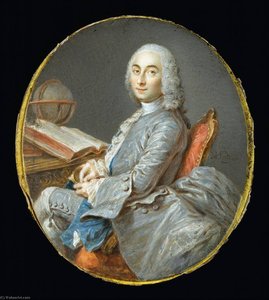
Self-portrait

 Prikaži više
Giclée / Umjetnički otisak
Giclée tisak muzejske kvalitete ili otisak na platnu uz brzu proizvodnju i fleksibilne opcije završne obrade. ( Kupi ručno naslikanu sliku Kupi digitalnu sliku)




































Odaberite jednu od naših unaprijed definiranih veličina koje odgovaraju izvornim proporcijama umjetničkog djela.

Možete unijeti vlastite dimenzije kako biste umjetničko djelo prilagodili specifičnom okviru ili prostoru. Ako odabrana veličina ne odgovara proporcijama izvornog rada, izrezat ćemo dio slike ili je proširiti pomoću ogledalnog efekta ili jednobojne rubne površine. Digitalni prikaz (mockup) bit će vam poslan na odobrenje prije početka proizvodnje.
Imajte na umu da pregled na zaslonu ne odražava stvarno izrezivanje ili proširivanje. Samo će mockup točno prikazati konačnu kompoziciju.
Iako su dostupne prilagođene veličine, preporučujemo odabir dimenzije iz unaprijed definirane liste kako biste očuvali izvorne proporcije.
Dostava širom svijeta () u roku od 2 tjedna umjesto standardnih 4/5 tjedana. (21 Kolovoz)

Besplatna ekspresna dostava širom svijeta

Visokokvalitetno laneno platno

Potpuno osiguranje dostave

Jamstvo povrata carine i uvoznih poreza

Garancija vjernog podudaranja boja

Politika povrata u roku od 60 dana (samo u slučaju nedostataka)

Jamstvo povrata 100% novca

Popust na više proizvoda
 Opcija stakla dostupna je samo za dimenzije manje od 110 cm

Self-portrait
Giclée / Umjetnički otisak
Veličina reprodukcije
-


Ukupna cijena
$ 64
Srodna umjetnička djela




Biografija umjetnika
Robert Barker: The Pioneer of the Panorama
Born in Kells, County Meath, Ireland, in 1739, Robert Barker’s life and career were defined by a singular innovation – the panorama. While not a traditional painter in the conventional sense, Barker revolutionized the way audiences experienced art, transforming static canvases into immersive, dynamic environments. His journey from itinerant portraitist to the creator of the world's first purpose-built panorama building is a fascinating tale of entrepreneurial vision and artistic ingenuity.
Barker’s early career began with portraiture, a respectable but often precarious profession in 18th-century Britain. He honed his skills traveling throughout Ireland and England, capturing likenesses of gentry and merchants. However, it was his fascination with the burgeoning field of perspective and the growing public interest in grand views that ultimately led him to develop the panorama. Influenced by developments in theatrical stage design and the increasing popularity of “prospects” – large-scale paintings intended to mimic distant landscapes – Barker sought a way to replicate the feeling of vastness and depth within a fixed space.
- The Birth of the Panorama: Barker’s breakthrough came with his depiction of Edinburgh, Scotland. He meticulously painted a panoramic view from Calton Hill, capturing the entire cityscape in a single, expansive canvas. This wasn't merely a painting; it was a carefully constructed illusion, utilizing techniques of forced perspective to create the impression of looking out over a vast expanse.
- Coining the Term: Crucially, Barker coined the word “panorama” itself – derived from Greek roots meaning "all-seeing" – to describe his innovative creation. This act solidified his place in art history as not just an artist but also a conceptual pioneer.
The Leicester Square Spectacle
In 1792, Barker took his panoramic vision to London, establishing a purpose-built building in Leicester Square – the first of its kind. This structure, designed by Robert Mitchell, housed a massive cylindrical canvas depicting scenes from London life. Visitors paid three shillings to enter and stand on a central platform beneath a skylight, experiencing a remarkably convincing illusion of being immersed within the city’s sprawling landscape. The Barker Panorama became an instant sensation, attracting crowds eager to escape the confines of their everyday lives.
The success of the Leicester Square panorama was due in part to Barker's mastery of perspective and his understanding of audience psychology. He employed a sophisticated system of forced perspective, manipulating scale and detail to create a sense of depth and distance that was unprecedented at the time. Furthermore, he carefully controlled lighting – using a skylight to ensure an even illumination across the entire panorama – which greatly enhanced the illusion of reality.
Technique and Innovation
Barker’s technique went far beyond simple imitation. He didn't merely copy existing views; he actively constructed them, manipulating elements like buildings and trees to create a more dramatic and compelling composition. His use of trompe-l'oeil – creating the illusion of three-dimensionality on a two-dimensional surface – was particularly noteworthy, as evidenced by his depiction of John Keteltas’s sleeve in 1768.
- Forced Perspective: Barker’s most significant innovation was his masterful application of forced perspective. He strategically placed smaller objects and figures further back to create the illusion of greater distance, while larger elements were positioned closer to the viewer.
- Scale Manipulation: He carefully adjusted the scale of buildings and other features to enhance the sense of depth and grandeur.
- Lighting Control: The use of a skylight ensured consistent illumination across the panorama, contributing significantly to its immersive quality.
Legacy and Influence
Despite his initial success, Barker’s career was ultimately short-lived. He faced financial difficulties and struggled to maintain the elaborate panoramas that had made him famous. However, his invention of the panorama left an indelible mark on art history. It paved the way for subsequent panoramic productions in Europe and America, influencing artists like Franz Roubaud and shaping the development of cycloramas – moving panoramas that offered a constantly shifting perspective.
Robert Barker’s legacy extends beyond the visual arts. He demonstrated the power of illusion and the potential of art to transport audiences to distant places and times. His pioneering spirit and innovative approach continue to inspire artists and designers today, reminding us of the enduring appeal of immersive experiences.

peter adolf hall
1739 - 1793 , Sweden
Osnovne informacije
- Artistic Movement Or Style: Panoramic painting
- Artists Or Movements Influenced By This Artist: ['Charles Jervas']
- Date Of Birth: 1739
- Date Of Death: 1806
- Full Name: Robert Barker
- Nationality: Irish
- Notable Artworks: ['The Panorama of Edinburgh']
- Place Of Birth: Kells, County Meath, Ireland
Srodni članci

Rococo Art Guide: Integrating Elegant Curves and Pastel Opulence into Luxury Hotel Design
Master the Rococo aesthetic for luxury hospitality. Our expert guide explores integrating pastel palettes, ornate curves, and large-scale fine art reproductions into high-end hotel design through professional procurement and custom canvas solutions.


