


 Pregledaj u stvarnoj veličini
 Pošalji
 Podijeli
 Detalji o umjetničkom djelu

 Preuzmi
 Slični predmeti
 Rentgenska snimka
 Automatska prezentacija
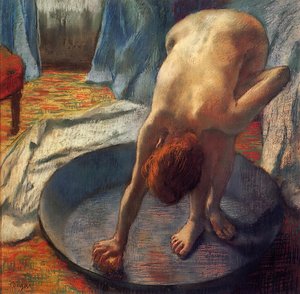
Triangle de Camp (Camp Triangle)
 89.0 x 116.0 cm
 Juan Cabré Museum
 Prikaži više
Giclée / Umjetnički otisak
Giclée tisak muzejske kvalitete ili otisak na platnu uz brzu proizvodnju i fleksibilne opcije završne obrade. ( Kupi ručno naslikanu sliku Kupi digitalnu sliku)




































Odaberite jednu od naših unaprijed definiranih veličina koje odgovaraju izvornim proporcijama umjetničkog djela.

Možete unijeti vlastite dimenzije kako biste umjetničko djelo prilagodili specifičnom okviru ili prostoru. Ako odabrana veličina ne odgovara proporcijama izvornog rada, izrezat ćemo dio slike ili je proširiti pomoću ogledalnog efekta ili jednobojne rubne površine. Digitalni prikaz (mockup) bit će vam poslan na odobrenje prije početka proizvodnje.
Imajte na umu da pregled na zaslonu ne odražava stvarno izrezivanje ili proširivanje. Samo će mockup točno prikazati konačnu kompoziciju.
Iako su dostupne prilagođene veličine, preporučujemo odabir dimenzije iz unaprijed definirane liste kako biste očuvali izvorne proporcije.
Dostava širom svijeta () u roku od 2 tjedna umjesto standardnih 4/5 tjedana. (15 Kolovoz)

Besplatna ekspresna dostava širom svijeta

Visokokvalitetno laneno platno

Potpuno osiguranje dostave

Jamstvo povrata carine i uvoznih poreza

Garancija vjernog podudaranja boja

Politika povrata u roku od 60 dana (samo u slučaju nedostataka)

Jamstvo povrata 100% novca

Popust na više proizvoda
 Opcija stakla dostupna je samo za dimenzije manje od 110 cm

Triangle de Camp (Camp Triangle)
Giclée / Umjetnički otisak
Veličina reprodukcije
-


Ukupna cijena
$ 64
Srodna umjetnička djela


Biografija umjetnika
Early Life and Artistic Beginnings
Rafael Bartolozzi was born in Pamplona, Spain, in 1943, into a family deeply rooted in the artistic tradition. His father, Pedro Lozano de Sotes, was a respected realist painter from Navarre, and his maternal grandfather, Salvador Bartolozzi, further instilled an appreciation for visual expression. This familial legacy undoubtedly played a pivotal role in shaping young Rafael’s early inclinations towards art. He initially pursued formal training at the School of Fine Arts of Sant George and later honed his skills at the School of Mural Painting in Sant Cugat del Valles. These foundational studies provided him with a solid technical base, but it was during the dynamic 1960s that Bartolozzi truly began to forge his own artistic path. The decade’s prevailing spirit of experimentation and rebellion resonated deeply with him, leading him towards a renewed interest in figuration and the burgeoning Pop Art movement.The Rise of Neo-Figuration and Pop Art Influence
Bartolozzi quickly became recognized as one of Spain's foremost exponents of neo-figuration and Pop Art. His early work demonstrated a fascination with bold colors, simplified forms, and imagery drawn from popular culture—a clear departure from the more abstract tendencies that had dominated the Spanish art scene in previous years. Collaborations with Eduardo Arranz-Bravo during this period were particularly significant, resulting in striking works characterized by their vibrant energy and playful engagement with everyday objects and iconography. A notable example of his commitment to public art was the decoration of the exterior walls of the Tipel factory alongside Arranz-Bravo, a project that brought his artistic vision directly into the community. This collaborative spirit and willingness to engage with diverse mediums would become hallmarks of Bartolozzi’s career.Expanding Horizons: Sculpture, Performance, and Cultural Management
Throughout his prolific career, Rafael Bartolozzi refused to be confined by any single medium. While painting remained a central focus, he consistently explored sculpture, performance art, and other innovative forms of expression. This multidisciplinary approach allowed him to push the boundaries of artistic convention and engage with broader conceptual themes. Beyond his studio practice, Bartolozzi demonstrated a deep commitment to cultural management, serving as the director of the prestigious Premio Nacional de Poesía Visual "Joan Brossa." This role underscored his dedication to fostering creativity and supporting fellow artists, solidifying his position as a key figure within Spain’s artistic landscape.Later Years and Artistic Legacy
In the 1980s, Bartolozzi embarked on a personal exploration of the Italian transvanguarda movement, incorporating elements of abstraction into his work while maintaining his distinctive conceptual sensibility. His later career witnessed a renewed stylistic approach, characterized by a sophisticated combination of colors, textures, and graphic elements. Though he passed away in 2009, Rafael Bartolozzi left behind a rich and diverse body of work that continues to inspire and captivate audiences today. His paintings, sculptures, and performances stand as testaments to his unwavering commitment to artistic innovation, cultural engagement, and the power of visual expression. He is remembered not only for his technical skill but also for his ability to seamlessly blend different styles and mediums, creating a unique and enduring artistic voice.Historical Significance and Continued Relevance
Rafael Bartolozzi’s contribution to Spanish art lies in his pivotal role in revitalizing figuration during the 1960s and his consistent willingness to experiment with new forms of expression. He bridged the gap between Pop Art's accessibility and more complex conceptual concerns, creating works that were both visually striking and intellectually stimulating. His dedication to cultural management further cemented his legacy as a champion of artistic innovation and community engagement. Today, Bartolozzi’s work is held in numerous public and private collections, ensuring its continued relevance for future generations of artists and art enthusiasts. He remains an important figure in understanding the evolution of Spanish contemporary art and the enduring power of multidisciplinary creativity.
rafael bartolozzi
1943 - 2009 , Spain
Osnovne informacije
- Artistic Movement Or Style: Neo-figuration, Pop Art
- Artists Who Influenced This Artist:
- Millares
- Saura
- Tàpies
- Date Of Birth: 1943
- Date Of Death: 2009
- Full Name: Rafael Bartolozzi
- Nationality: Spanish
- Notable Artworks:
- Suite Verano (a)
- Figura gran rosa
- Madrid woman
- Place Of Birth: Pamplona, Spain



