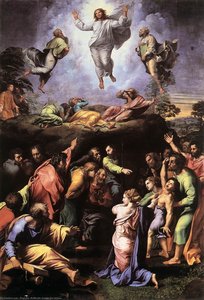
Acrylic On Canvas.

§ 1Katalogski podaci


§ 2Apstraktno
Opis kolekcionarskog predmeta
The fresco employs a technique where pigments are applied directly onto wet plaster, ensuring unparalleled luminosity and durability. Raphael’s meticulous attention to detail—evident in every brushstroke—is what distinguishes his work from others of the time.
 Prikaži više
Biografija umjetnika
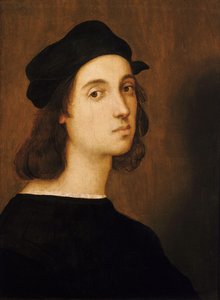
Raphael (1483-1520) - majstor Visoke renesanse poznat po svojim smirenim Madonama, arhitektonskom geniju i ikoničnim djelima poput 'Škole atenske'. Otkrijte njegova početka u Urbinu i umjetničku ostavštinu!
§ 3Komentar
The Mythological Drama Embodied in Raphael’s Fresco
Raphael’s Apollo and Marsyas is more than just a beautiful painting; it's a cornerstone of High Renaissance art—a visual retelling of one of Greek mythology’s most poignant tales. Created between 1508 and 1511 as part of the Stanza della Segnatura series within the Vatican Palace, this fresco delves into themes of divine justice, human pride, and the consequences of challenging authority. Its enduring appeal lies in Raphael's masterful execution of classical ideals—clarity, balance, and profound emotional resonance.The Artist and His Style: A Renaissance Vision
Raphael Sanzio da Urbino (1483-1520) stands as a titan amongst his contemporaries, alongside Michelangelo and Leonardo da Vinci, forming the triumvirate of artistic geniuses that defined the era. He championed the Neoplatonic philosophy—the belief that beauty embodies divine truth—influencing his approach to art profoundly. Raphael’s style is characterized by an unparalleled grace and elegance; he achieved a remarkable harmony between form and composition, prioritizing visual impact above all else. This meticulous attention to detail—evident in every brushstroke—is what distinguishes his work from others of the time. You can explore more about Raphael's life and artistic journey on our dedicated page: /en/art/list/The Narrative Power of Fresco Technique
Raphael’s choice to employ fresco—a technique where pigments are applied directly onto wet plaster—was deliberate and crucial to conveying the painting's dramatic narrative. Unlike oil paint, which allows for layering and reworking over time, fresco creates an image that is permanently fused with the wall itself as it dries, resulting in unparalleled luminosity and durability. This method demanded precision and patience from Raphael’s studio, ensuring that every nuance of emotion and movement was faithfully reproduced.
Symbolism Within Harmony: The Fresco's Visual Language
The fresco’s composition is meticulously balanced, reflecting the Neoplatonic ideal of harmony—a concept central to Renaissance thought. Four figures dominate the scene: Apollo, representing divine intellect and order; Marsyas, symbolizing earthly ambition and defiance; Zeus, embodying regal authority; and Pan, embodying pastoral innocence. The laurel wreath held by Apollo serves as a potent symbol of triumph and glory—a visual affirmation of his victory over Marsyas’s challenge. Furthermore, the rocky landscape beneath the figures underscores the harsh realities of punishment and reinforces the painting's moral message.A Masterpiece for Reflection
“Apollo and Marsyas” transcends mere depiction; it invites contemplation on fundamental human questions about hubris—excessive pride—and the inevitable consequences of transgressing divine boundaries. Raphael’s masterful rendering captures not only the physical drama of the myth but also its psychological depth, cementing its place as one of the most celebrated artworks of the Renaissance.
You can admire a hand-made oil painting reproduction of Apollo and Marsyas on our website: /art/list/?Filter=7YKFTU.
The Vatican Palace, where the original fresco resides, houses numerous artistic treasures—sculptures, frescoes, and paintings—each contributing to its unparalleled cultural heritage. You can learn more about St. Peter’s Basilica and its artistic splendors on our page: /art/list/?Filter=A@D3BCWV.
Pitanja i odgovori
Iz koje zemlje dolazi djelo High Renaissance "Apollo and Marsyas"?
"Apollo and Marsyas" povezuje pokret High Renaissance s Italija kroz rodno mjesto svog tvorca.
Kolika je zasićenost boja u djelu "Apollo and Marsyas" autora Rafael?
Boje djela "Apollo and Marsyas" autora Rafael imaju Clear Color Presence zasićenost. Zasićenost opisuje koliko su boje živopisne ili prigušene.
Koliko je izražen kontrast u djelu "Apollo and Marsyas" autora Rafael?
"Apollo and Marsyas" autora Rafael prikazuje Bold kontrast između svojih svijetlih i tamnih područja.


![Stanze Vaticane - The Parnassus (detail) [07] — Rafael, High Renaissance](/media/artworks/images-thumb/3c/a1/3ca1620e84d3f2fe4e94d9bb954e0eca.jpg)


 Prebacite na printove


 Za umjetnička djela ili reprodukcije veće od 105 cm (približno 41 inč) na bilo kojoj strani, okvir će biti isporučen u obliku rastavljenog seta za montažu. Ovaj način osigurava sigurnu dostavu i sprječava oštećenja tijekom transporta.