


 Pregledaj u realnoj veličini
 Pošalji
 Podijeli
 Detalji o umjetničkom djelu
 Vodič
Vodič

 Preuzmi umjetničko djelo
 Slični predmeti
 Rentgenska snimka
 Slide show
 Pitanja i odgovori
 Statistika
The Difficult Crossing


 Prikaži više
Djelo prikazano na ovoj stranici zaštićeno je autorskim pravima, što znači da zakonski ne možemo izraditi niti prodati identičnu reprodukciju. Ova se zaštita provodi u skladu s međunarodnim sporazumima kao što su Bernska konvencija i nacionalnim zakonima, uključujući i one koji su utvrđeni u Američki zakon o autorskom pravu – Title 17.
Ova metoda u potpunosti je usklađena s autorskim pravima jer ne uključuje kopiranje ili dupliciranje zaštićenih umjetničkih djela. Umjesto toga, riječ je o kreativnoj reinterpretaciji – novoj slici koja je dobila utjecaj na izvornik, ali nije identična njemu.
Giclée / Umjetnički otisak
Giclée tisak muzejske kvalitete ili otisak na platnu uz brzu izradu i raznolike opcije završne obrade. ( Kupi ručno oslikano djelo Prebacite na digitalnu sliku)




P118B €10

P118H €10

P118W €10

P438Z €10

P508JH €12

P508YH €12

P805H €10

P805Z €10

P919BZ €10

P919G €10

P919XJ €10

P959ZH €10

P968JZ €12

W106C €8

W218G €10

W218JH €8

W218Y €10

W307PJ €10

W316G €10

W316PJ €8

W316Y €10

W398PJ €8

W4111J €10

W500HY €15

W500JH €15

W692G €12

W849H €8

W940BG €15

W953PJ €8




Odaberite jednu od naših unaprijed definiranih veličina koje odgovaraju izvornim proporcijama umjetničkog djela.

Unesite potrebnu širinu i visinu kako bi odgovarali vašem okviru ili zidu. Print se može samo izrezati, nikada ne može biti veći od slike, stoga format s drugačijim omjerom stranica uzrokuje gubitak dijela slike. Prije bilo kakve štampe šaljemo vam digitalni prikaz (mockup) na odobrenje. Slika prikazana na ovoj stranici ne prikazuje stvarni rez — to prikazuje isključivo digitalni prikaz.
Dostava širom svijeta () u roku od 2 tjedna umjesto standardnih 4/5 tjedana. (11 Studeni)

Besplatna ekspresna dostava širom svijeta

Visokokvalitetno laneno platno

Potpuno osiguranje dostave

Jamstvo povrata carine i uvoznih poreza

Jamstvo vjernosti boja

Politika povrata u roku od 100 dana (samo u slučaju nedostataka)

Jamstvo povrata 100% novca

Popust na više proizvoda
 Opcija stakla dostupna je samo za dimenzije manje od 110 cm

The Difficult Crossing
Giclée / Umjetnički otisak
Veličina reprodukcije
-


Ukupna cijena
€ 58
A Dreamscape of Disquiet: Unveiling The Difficult Crossing
In the realm of Surrealism, few works possess the haunting, cerebral tension found in René Magritte’s The Difficult Crossing. This masterpiece invites the viewer into a fractured interior that defies the laws of physics and logic, creating an atmosphere that is simultaneously still and deeply unsettling. As one gazes upon the pale pink walls and the stark, yellow door, there is an immediate sense of being trapped within a dream where the familiar has been rendered alien. The composition is a masterful exercise in ambiguity; a window offers a glimpse of a stormy, turbulent seascape, yet it remains unclear whether we are looking through glass or peering into a canvas nestled within the room itself. This deliberate blurring of boundaries between reality and representation is the hallmark of Magritte’s genius, making the piece an irresistible focal point for those who appreciate art that challenges the intellect.
The technical execution of this work reflects Magritte’s meticulous approach to oil on canvas. Eschewing the frantic brushwork of his contemporaries, he employed a smooth, almost hyperrealistic technique that lends a deceptive clarity to the impossible. The subtle gradations of color—from the muted beige of distant buildings to the deep, somber tones of the draped green curtain—create a palpable sense of depth and mystery. This precision serves a profound purpose: by rendering bizarre elements with such tangible realism, Magritte forces the viewer to accept the illogical as truth. For the discerning collector or interior designer, this painting offers a sophisticated texture, providing a layer of psychological complexity that can transform a modern space into a gallery of contemplation.
Symbolism and the Subconscious Mind
Beyond its striking visual arrangement, The Difficult Crossing is a labyrinth of symbolic enigmas. The central figure—a disembodied hand resting upon a white object that oscillates between a loaf of bread and a stylized bird—evokes themes of vulnerability and the fragility of existence. Magritte’s work often draws from his own history, where the unseen and the veiled represent the hidden anxieties of the human condition. Nearby, the bilboquet, or cup-and-ball, appears with an anthropomorphic single eye, acting as a silent, watchful presence that heightens the sense of surveillance and unease. This interplay of objects suggests a world where even the inanimate possesses a haunting consciousness.
Historically situated during Magritte’s pivotal transition into full Surrealism in 1926, the painting captures the post-World War I zeitgeist of disillusionment. The storm depicted within the frame serves as a metaphor for inner turmoil and the chaotic forces that lie beneath the surface of our structured lives. To possess a reproduction of this work is to invite a conversation about perception, memory, and the nature of reality into one's home. It is not merely a decoration, but an evocative piece of storytelling that promises to provoke thought and inspire wonder long after the first glance.
Pitanja i odgovori
Je li "The Difficult Crossing" jedno od najpopularnijih djela autora René Magritte?
Zabilježena razina popularnosti za "The Difficult Crossing" autora René Magritte iznosi Iconic.
O kojoj se vrsti umjetničkog djela radi kod "The Difficult Crossing" autora René Magritte?
"The Difficult Crossing" autora René Magritte klasificirano je kao WallArt. Ova kategorija opisuje vrstu umjetničkog djela kojem original pripada.
Gdje mogu pronaći statistiku o djelu "The Difficult Crossing" autora René Magritte?
Stranica Statistika pregleda djela "The Difficult Crossing" autora René Magritte prikazuje statistiku javnih posjeta: mjesečni broj posjeta ovom umjetničkom djelu, usporedbu s najgledanijim djelima tog umjetnika te informacije o porijeklu posjetitelja.
Srodna umjetnička djela


Biografija umjetnika
Rani život René Magritte
Rođen kao René François Ghislain Magritte 21. studenog 1898. godine u Lessinesu, u Belgiji, umjetnik je ušao u svijet koji je obilježila tiha marljivost njegove obitelji. Njegov otac, Léopold Magritte, radio je kao krojač i trgovac tekstilom, pružajući mu stabilno, iako neistaknuto djetinjstvo. Već sa deset godina, René Magritte je počeo tražiti formalne lekcije crtanja, otkrivajući rani sklonost prema vizualnom izražavanju koja će na kraju definirati njegov životni rad.
Duboka sjena pala je nad njegovo odrastanje 1912. godine kada je njegova majka, Régina Bertinchamps, izvršila samoubojstvo. Taj gubitak ostavio je trajan trag u njegovoj psihi, uvodeći osjećaj misterije i skrivanja koji će se kasnije manifestirati u njegovim slikama kroz pokrivene figure i zamagrena lica. Takva osobna trauma često potkrepljuje tihu napetost koja se nalazi u njegovim kasnijim kompozicijama, gdje su vidljivo i nevidljivo u stanju stalnog trenja.
Njegovo formalno obrazovanje započelo je ozbiljno u Académie Royale des Beaux-Arts u Bruxellesu, gdje je studirao od 1916. do 1918. godine. Tijekom tih godina, odmaknuo se od jednostavnih skica svog mladunosti prema discipliniranijem razumijevanju forme. Ovo razdoblje akademskog studija pružilo je tehničku podlogu neophodnu za konceptualne promjene koje će uslijediti dok se kretao prema avantgardnim pokretima početka dvadesetog stoljeća.
Artistic Development and Early Influences
Magritteovi rani pokušaji u slikarstvu oko 1915. godine obilježeni su impresionističkim senzibilitetom. Ti su početni napori bili daleko od cerebralnih zagonetki koje će kasnije definirati njegovo ime. Tijekom Prvog svjetskog rata, njegov put skrenuo je u smjeru vojske, gdje je služio kao kartograf u belgijskoj vojsci. To razdoblje službe pružilo je strukturirani, tehnički kontrast njegovim rastućim kreativnim impulsima. Nakon povratka studiju, počeo je odstupati od mekih rubova impresionizma, eksperimentirajući umjesto toga s razbijenim plosama kubizma i dinamičnom energijom futurizma. Ti su pokreti nudili način dekonstrukcije vizualnog svijeta, iako će na kraju njihove formalne okvire smatrati previše ograničujućima za vlastitu specifičnu viziju.
Duboka promjena dogodila se kada se susreo s radovima umjetnika Giorgio de Chirico. Slika The Song of Love iz 1914. godine ostavila je na njemu neizbrisiv trag, uvodeći osjećaj sanjlive napetosti koji je duboko odjeknuo u njemu. Taj susret pomogao mu je da skrene prema stilu koji favorizira uznemirujuće supoždbovanje poznatog. Inspiraciju je crpio i iz slika William Degouve de Nuncques, čiji je utjecaj doprinio razvoju njegove jedinstvene estetike. Te rane godine bile su razdoblje traženja, vrijeme kada je prolazio kroz različite avangardne stilove kako bi pronašao jezik sposoban izraziti čudnu logiku podsvijesti.
Pariz i nadrealizam
Do 1927. godine, tišina njegovog belgijskog života ustupila je mjesto nemirnoj energiji Pariza. Ovaj se odlazak označio značajnim preokretom u njegovoj životnoj putanji, jer se duboko uključio u nadrealističku grupu. U parizkim kafićima i ateljeima pronašao je zajednicu sličnih mislilaca, sklapajući prijateljstva s figurama kao što su André Breton, Paul Éluard i Salvador Dalí. Ti su odnosi nisu bili samo društveni; bili su to intelektualni suladni odnosi koji su pomogli definirati njegovo mjesto unutar pokreta. Kroz ovo razdoblje koračao je s jasnim ciljem, nastojeći prevesti iracionalno u vizualni jezik koji je prkratio logici budnog svijeta.
Njegov prijelaz u ovaj novi način izražavanja započeo je još 1926. godine s izradom djela Le Jockey Perdu (Izgubljeni džokej), rada koji se široko priznaje kao njegova prva istinski nadrealistička slika. Ovaj rani ulet u neizvjesno prethodio je njegovom službenom uranjanju u parizku scenu. Tijekom boravka u gradu, njegov je profesionalni život dobio strukturiraniji, iako nesiguran oblik. Godine 1929. sklopio je ugovor u parizkoj galeriji Goemans, uz Jean Arp i Yves Tanguy. Ovo razdoblje formalnog povezivanja pružilo je kratko prozor stabilnosti prije nego što su se složenosti te dekade na kraju vratile prema njegovoj domovini.
Povratak u Bruxelles i svijet oglašavanja
Odlazak iz Pariza 1930. godine označio je razdoblje pragmatičnog usmjeravanja života René Magritte. Povratak u Bruxelles donio je potragu za stabilnošću kroz komercijalnu primjenu njegovih vizualnih vještina. Zajedno s bratom Paulom, osnovao je agenciju za oglašavanje, poduhvat koji je zahtijevao iznimno discipliniran pristup slikovnim motivima i tipografiji. Taj profesionalni put nije bio odmak od njegovih kreativnih instinkata, već njihovo pročišćenje dok je umjetnik istraživao složeni presjek između umjetnosti i komercijalnog svijeta.
Njegov životni put često je bio povezan s industrijskim i svakodnevnim temama. Radio je kao tehničar u tvornici tapeta, a njegova je stručnost bila zatražena i u tvornici Usines Peters-Lacroix (U.P.L.) na poziciji dizajnera. Te godine komercijalnog rada pružile su mu ne samo stabilan prihod, već i duboko upoznavanje s teksturama i uzorcima predmeta iz svakodnevice. Ta tehnička preciznost kasnije će utjecati na kristalnu jasnoću njegovih filozofskih djela. Također, pronašao je put i u filmskoj industriji, dizajnirajući plakate za njemačkog distributera zvučnog filma Tobis Klangfilm. Za te je zadatke koristio pseudonim 'Emair' – masku koja mu je omogućila djelovanje u komercijalnom sferi uz zadržavanje profesionalne distance.
Renoirovo razdoblje i nadrealizam okupat suncem
Tijekom sredine 1940-ih, Magritteova estetika prošla je kroz značajnu transformaciju. Između otprilike 1943. i 1947. godine, umjetnik se udaljio od tamnijih, mračnijih tonova koji su obilježili veći dio njegovog ranijeg nadrealističkog stvaralaštva. Ova faza, koju se često naziva Renoirovo razdoblje, donijela je paletu živopisnih boja i kompozicije koje su naglašavale optimizam. Bio je to odmak od teške, psihološke napetosti njegovih prethodnih godina, a umjesto toga, umjetnik je počeo težiti osjećaju jasnoće i svjetlosti.
Ova stilska evolucija nije bila slučajan nagon, već je bila duboko povezana s intelektualnom klimom tog vremena. Njegov rad tijekom tih godina bio je pod utjecajem manifesta Surrealism in Full Sunlight. Crpeći inspiraciju iz djela slikara Pierre-Augusta Renoira, Magritte je usvojio svjetliji, luminozniji pristup svojim temama. Sjene koje su nekada skrivale njegove figure, zamijenio je otvorenijom, sunčanom kvalitetom. Iako je ovaj preokret dočekao određeni skepticizam od strane njegovih suvremenika u nadrealističkom pokretu, on je predstavljao značajan trenutak osobne eksperimentacije u njegovoj dugoj umjetničkoj karijeri.
Tehnika i prepoznatljiv vizualni stil
Magritteov pristup platnu obilježen je pedantnom, gotovo kliničkom preciznošću. Izbjegavao je ekspresivne, razmazane poteze četkicom koje su preferirali mnogi njegovi suvremenici, birajući umjesto toga stil koji je nemoguće prikazivao s zapanjujućom jasnoćom. Korištenjem realističnih tehnika za prikazivanje nelogičnih scenarija, on je oduzimao sigurnost koju pruža poznato. Ta je jasnoća bila ključna za njegov metodu stvaranja vizualnih paradoksa, gdje je preciznost izvedbe činila čudnovatost samog motiva još uznemirujućijom.
Njegova je slikovnost snažno temeljena na suprotstavljanju običnih predmeta u neočekivanim kontekstima. Često se vraćao specifičnom rječniku motiva: šeširu krilatičaru, jabuki i ženskom torzu. Ti su predmeti, odvučeni od svoje svakodnevne korisnosti, postali simboli dublje, skrivene stvarnosti. Često je manipulirao odnosom između predmeta i njegove reprezentacije, najznačajnije kroz upotrebu teksta unutar svojih slika kako bi izazvao gledateljevo percepcijsko doživljavanje jezika i slike. To intelektualno trenje dodatno je pojačavalo njegovo korištenje zakrivljenih lica i lebdećih predmeta, koji su narušavali prirodna zakona gravitacije i identiteta.
- The Treachery of Images (1929)
- The Son of Man (1964)
- The Lovers (bez datuma)
- The Castle of the Pyrenees (1959)
- Time Transfixed (1938)
Ključna remek-djela i ikonična djela
Magritteova platna često su funkcionirala kao vizualne zagonetke osmišljene da naruše sigurnost promatrača. Godine 1929. stvorio je Izdaju slika, djelo koje prikazuje pedantno izvedenu cijev uz izjavu "Ovo nije cijev". Taj paradoks prisiljava na suočavanje sa snagom razlike između samog predmeta i njegove reprezentacije. Njegovo istraživanje skrivanja dosegnulo je dirljivu vrhunac u seriji Ljupčani iz 1928. godine. Ove četiri varijacije prikazuju figure koje pokušavaju poljubiti jedna drugu kroz bijele platnene zavjese, što je motiv koji intimnost pretvara u osjećaj duboke frustracije.
Umjetnik je također posjedovao talent za narušavanje logike kućnog i fizičkog prostora. Godine 1938. djelo Vrijeme zaustavljeno predstavilo je tešku lokomotivu koja bučno probija ciglani zid, scenu koja prkosi stabilnosti arhitekture. Ta sposobnost postavljanja svakodnevice u nemoguće okruženja postala je zaštitni znak njegovog zrelog perioda. Godine 1953. Golkonda naselila je nebo s desetak gotovo identičnih muškaraca u tamnim kaputima i šeširima, prikazujući ih u trodimenzionalnoj mreži, suspendirane u zraku kao da su uhvaćene u trenutku pada ili uspona.
Čak i u kasnijim godinama, određeni simboli ostali su nepromjenjivi. Sin čovjekov, stvoren 1964. godine, prikazuje čovjeka u šeširu koji je djelomično zaklonjen licem. Ova repeticija buržoaskog "malog čovjeka" i šešira pomagala je uspostaviti vizualni jezik koji je bio istovremeno jednostavan i duboko uznemirujući. Njegov rad ostaje studija napetosti između onoga što je vidljivo i onoga što je poznato.
Gdje danas možete vidjeti njegova djela
Očuvanje njegovih vizualnih zagonetki distribuirano je kroz nekoliko vodećih institucija, osiguravajući da se njegov prisutnost i dalje osjeća kako u Europi, tako i u Americi. U Bruxellesu, Magritteov muzej u Jetteu nudi posvećen prostor njegovom stvaralaštvu, smješten u samoj kući u kojoj je živeo i radio dvadeset četiri godine. Ovo mjesto ostaje duboko povezano s njegovom osobnom poviješću, budući da je apartman u kojem je boravio sa svojom suprugom Georgette bio izvor velike inspiracije za njegove kompozicije. U blizini, Kraljevski muzeji likovne umjetnosti također čuvaju značajan dio njegovih slika, održavajući belgijsku povezanost s njegovim nadrealističkim istraživanjem.
Njegov utjecaj proteže se preko Atlantika, gdje američke kolekcije čuvaju nekoliko njegovih značajnih platna. Muzej moderne umjetnosti u New Yorku održava odabir njegovih djela, dok je kolekcija Menil u Houstonu, Teksas, dom slici Golconda iz 1953. godine. Ove lokacije omogućuju kontinuirano proučavanje načina na koji je manipulirao poznatim kako bi stvorio neočekivano.
- Ljepši (bez datuma)
- Čovjekov sin (1964)
- Vrijeme zaustavljeno (1938)
- Izdaja slika (1929)
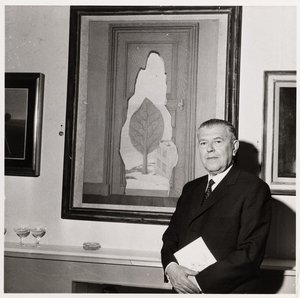
René Magritte
1898 - 1967 , Belgija
Osnovne informacije
- Artistic Movement Or Style: Surrealizam
- Artists Or Movements Influenced By This Artist:
- Pop art
- Minimalistička umjetnost
- Konceptualna umjetnost
- Artists Who Influenced This Artist:
- Giorgio de Chirico
- Claude Monet
- Vincent van Gogh
- Paul Cézanne
- Georges Seurat
- Pablo Picasso
- Date Of Birth: 1898
- Date Of Death: 1967
- Full Name: René François Ghislain Magritte
- Nationality: Belgijski
- Notable Artworks:
- Izdaja slika
- Ljepši ljubavnici
- Vrijeme zaustavljeno
- Ljudsko stanje
- Sin čovjekov
- Dvorac u Pirenejsima
- Golconda
- Place Of Birth: Lesennes, Belgija
Srodni članci

The Treachery of Images: Decoding René Magritte’s Surrealist Philosophy and the Paradox of Representation
Explore the profound mystery of René Magritte’s 'The Treachery of Images.' Dive into an expert analysis of his Surrealist philosophy, the paradox of representation, and how he challenged reality through the interplay of language and visual perception.

The Enduring Legacy of Oil on Canvas: Technique, History & Aesthetic Impact
Explore the rich history & techniques of oil painting – from Renaissance masters to Impressionism. Discover pigments, layering methods, and why this timeless medium endures. Expert insights for artists & art enthusiasts.

Blush & Brilliance: 10 Iconic Paintings Dominated by Light Pink Tones |
Explore 10 iconic paintings bathed in captivating light pink tones! From Monet's Impressionism to Renoir’s romance, discover the stories behind these blush-hued masterpieces. Find museum-quality art reproductions & decor inspiration at .

Oil on Canvas: A Historical & Technical Exploration of a Timeless Artistic Medium
Explore the rich history & enduring techniques of oil painting on canvas. Discover the science behind its longevity, conservation practices, and contemporary relevance. Expert insights for art enthusiasts.

The Treachery of Images: Decoding René Magritte’s Surrealist Vision and the Paradox of Representation
Delve into the profound mysteries of René Magritte’s Surrealism. Explore an expert analysis of 'The Treachery of Images,' decoding the philosophical paradoxes and visual subversions that redefined modern art history for collectors and connoisseurs alike.


