


 Pregledaj u stvarnoj veličini
 Podijeli
 Podijeli
 Detalji
 Vodič
Vodič

 Preuzmi datoteku
 Slični predmeti
 Rentgenska snimka
 Slide show
 Statistika
Spitsbergen, Wood Bay, West Shore Porphyrite Exposure
 1921
1921 13.0 x 29.0 cm
 Scott Polar Research Institute
 Pročitajte više
Ručno rađena uljana reprodukcija
Ručno oslikano uljanim bojama na platnu u dimenzijama i okviru po vašem izboru, izrađeno po narudžbi od strane naših umjetnika. ( Prebacite na prodaju printova Prebacite na digitalnu prodaju slika)




































Odaberite jednu od naših unaprijed definiranih veličina koje odgovaraju izvornim proporcijama umjetničkog djela.

Možete unijeti vlastite dimenzije kako bi odgovarale određenom okviru ili prostoru. Ako odabrana veličina ne odgovara proporcijama izvorne slike, izrezat ćemo umjetničko djelo ili proširiti sliku dodatnim ručno oslikanim elementima. Digitalni nacrt bit će vam poslan na odobrenje prije početka proizvodnje.
Imajte na umu da pregled na ekranu ne prikazuje stvarno izrezivanje ili proširivanje. Samo će nacrt točno prikazati konačni sastav.
Iako su dostupne prilagođene veličine, preporučujemo odabir dimenzije s preddefiniranog popisa kako bismo očuvali izvorne proporcije.
Nakon narudžbe, tim AllPaintingsStore.com kontaktirat će klijenta putem e-pošte radi dobivanja uputa te dostaviti probni prikaz (mockup)
Isporuka širom svijeta () u roku od 3-4 tjedna umjesto standardnih 5 tjedana. (21 Rujan). Bez kompromisa u kvaliteti.

Besplatna ekspresna dostava širom svijeta

Visokokvalitetno laneno platno

Potpuno osiguranje transporta

Jamstvo povrata carine i uvoznih poreza

Jamstvo vjernosti boja

Politika povrata u roku od 100 dana (samo u slučaju nedostataka)

Jamstvo povrata 100% novca

Popust na više proizvoda
 Opcija stakla dostupna je samo za dimenzije manje od 110 cm

Spitsbergen, Wood Bay, West Shore Porphyrite Exposure
Tehnika izrade
Veličina reprodukcije
-


Ukupna cijena
$ 258
Srodna umjetnička djela


Biografija umjetnika
Roger Pocock (1865 – 1941): A Visionary Landscape Painter of the Bloomsbury Aesthetic
Roger Pocock was a British landscape painter born in 1865, whose artistic career blossomed during the vibrant intellectual milieu of the Bloomsbury Group. Though largely unrecognized during his lifetime, Pocock’s distinctive style—characterized by luminous color palettes and masterful depictions of Arctic vistas—has garnered renewed appreciation in recent decades, cementing his place as a significant figure within British Impressionism and Art Nouveau. His work embodies a profound connection to nature alongside an engagement with philosophical ideas that shaped the era's artistic discourse.Early Life & Artistic Training
Born in London, Pocock’s formative years were marked by exposure to influential artistic circles. He received his initial training at Slade School of Fine Art, where he honed his skills under renowned instructors like Frederic Leighton and William Holman Hunt—artists deeply committed to capturing the grandeur of the British landscape tradition. This grounding in academic painting instilled a meticulous attention to detail and compositional structure, which would later inform Pocock’s own artistic explorations. However, it was his fascination with the Arctic landscapes that truly captivated him.The Arctic Inspirations & Artistic Style
Driven by an unwavering desire to translate the sublime beauty of the Arctic wilderness onto canvas, Pocock embarked on expeditions to Spitsbergen and Greenland during the early 20th century. These journeys profoundly impacted his artistic vision, propelling him toward a style that prioritized atmospheric perspective and expressive color harmonies—elements strongly influenced by Impressionist techniques but infused with a uniquely poetic sensibility. His paintings eschewed mere topographical accuracy; instead, they aimed to convey the emotional resonance of these desolate environments, capturing fleeting moments of light and shadow with remarkable sensitivity. The use of bold brushstrokes and vibrant hues – particularly blues and greens – became hallmarks of his oeuvre.Connections to Bloomsbury & Artistic Influences
Pocock’s artistic pursuits intersected seamlessly with the intellectual currents circulating within the Bloomsbury Group—a collective of writers, artists, and thinkers who championed aesthetic individualism and challenged conventional social norms. Figures like Virginia Woolf, Vanessa Bell, and Edward Burne-Jones served as fellow travelers on his artistic journey, fostering a shared appreciation for exploring psychological depth alongside visual splendor. Pocock’s stylistic choices mirrored the broader Bloomsbury ethos: rejecting academic conventions in favor of subjective experience and prioritizing emotional truth over literal representation. He drew inspiration from artists such as Claude Monet and Edvard Munch, adapting their innovative approaches to color and composition to his own distinctive vision.Notable Works & Legacy
Among Pocock’s most celebrated paintings are “The Alkhornet from within Ice Fiord” and “West Coast of Spitsbergen from Horn Sound,” which exemplify the artist's mastery of capturing Arctic landscapes with breathtaking luminosity and textural richness. These works reside in prestigious museums like Kelvingrove Art Gallery & Museum in Glasgow and Centre Pompidou in Paris, demonstrating the enduring appeal of his artistic vision. Pocock’s legacy extends beyond individual masterpieces; he represents a pivotal voice within British Impressionism—a testament to the transformative power of observation and imagination in shaping artistic expression. His paintings continue to inspire artists today with their evocative portrayal of wilderness and their unwavering commitment to conveying profound emotional truths.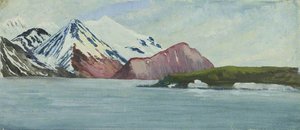
roger pocock
1865 - 1941
Brzi pregled
- Artistic Movement Or Style: Romanticism
- Artists Or Movements Influenced By This Artist: ['Romantic Landscape Painting']
- Artists Who Influenced This Artist:
- John Constable
- William Turner
- Date Of Birth: 1865
- Date Of Death: 1941
- Full Name: Roger Pocock
- Nationality: British
- Notable Artworks:
- The Alkhornet from within Ice Fiord
- West Coast of Spitsbergen from Horn Sound, Northwards, No.1
- West Coast, South of King's Bay
- Place Of Birth: London, England

