


 Pregledaj u stvarnoj veličini
 Podijeli
 Podijeli
 Detalji
 Vodič
Vodič

 Preuzmi datoteku
 Slični predmeti
 Rentgenska snimka
 Slide show
 Statistika
Lady Elizabeth Harcourt (1739–1811), Lady Lee
 Oil On Canvas
- WallArt
- Neoclassicism
 Early Modern
 173.0 x 122.0 cm
 National Trust
 Pročitajte više
Ručno rađena uljana reprodukcija
Ručno oslikano uljanim bojama na platnu u dimenzijama i okviru po vašem izboru, izrađeno po narudžbi od strane naših umjetnika. ( Prebacite na prodaju printova Prebacite na digitalnu prodaju slika)




P118B $10

P118H $10

P118W $10

P438Z $10

P508JH $12

P508YH $12

P805H $10

P805Z $10

P919BZ $10

P919G $10

P919XJ $10

P959ZH $10

P968JZ $12

W106C $8

W218G $10

W218JH $8

W218Y $10

W307PJ $10

W316G $10

W316PJ $8

W316Y $10

W398PJ $8

W4111J $10

W500HY $15

W500JH $15

W692G $12

W849H $8

W940BG $15

W953PJ $8




Odaberite jednu od naših unaprijed definiranih veličina koje odgovaraju izvornim proporcijama umjetničkog djela.

Možete unijeti vlastite dimenzije kako bi odgovarale određenom okviru ili prostoru. Ako odabrana veličina ne odgovara proporcijama izvorne slike, izrezat ćemo umjetničko djelo ili proširiti sliku dodatnim ručno oslikanim elementima. Digitalni nacrt bit će vam poslan na odobrenje prije početka proizvodnje.
Imajte na umu da pregled na ekranu ne prikazuje stvarno izrezivanje ili proširivanje. Samo će nacrt točno prikazati konačni sastav.
Iako su dostupne prilagođene veličine, preporučujemo odabir dimenzije s preddefiniranog popisa kako bismo očuvali izvorne proporcije.
Nakon narudžbe, tim AllPaintingsStore.com kontaktirat će klijenta putem e-pošte radi dobivanja uputa te dostaviti probni prikaz (mockup)
Isporuka širom svijeta () u roku od 3-4 tjedna umjesto standardnih 5 tjedana. (21 Rujan). Bez kompromisa u kvaliteti.

Besplatna ekspresna dostava širom svijeta

Visokokvalitetno laneno platno

Potpuno osiguranje transporta

Jamstvo povrata carine i uvoznih poreza

Jamstvo vjernosti boja

Politika povrata u roku od 100 dana (samo u slučaju nedostataka)

Jamstvo povrata 100% novca

Popust na više proizvoda
 Opcija stakla dostupna je samo za dimenzije manje od 110 cm

Lady Elizabeth Harcourt (1739–1811), Lady Lee
Tehnika izrade
Veličina reprodukcije
-


Ukupna cijena
$ 258
A Vision of Georgian Elegance
In the soft, diffused light of the eighteenth century, Sir Joshua Reynolds captured more than just a likeness; he captured an era. His portrait of Lady Elizabeth Harcourt, painted around 1760, serves as a breathtaking window into the heart of Georgian England. As one gazes upon this masterpiece, one is immediately struck by the profound sense of grace and dignity that radiates from the sitter. Lady Elizabeth, a daughter of the prominent aristocrat Simon Earl Harcourt, is presented not merely as a woman of high social standing, but as an embodiment of the Enlightenment ideals—a perfect harmony of natural beauty and classical refinement.
The composition is a masterclass in Neoclassical poise. Reynolds, a pioneer of the "Grand Style," avoids the mere documentation of fashion to instead pursue an idealized truth. The subject sits with a regal posture, her serene countenance inviting the viewer into a quiet, intimate dialogue. There is a palpable stillness in her gaze, a contemplative quality that suggests a soul of depth and virtue. For the discerning collector or interior designer, this piece offers a focal point of unparalleled sophistication, bringing an air of historical prestige and tranquil luxury to any curated space.
The Artistry of Light and Texture
Technically, the portrait is a triumph of oil on canvas, showcasing Reynolds’ ability to manipulate light to create a sense of living breath. Through the meticulous layering of brushstrokes, the artist achieves a remarkable textural depth. One can almost feel the weight of the heavy, flowing drapery and the delicate smoothness of Lady Elizabeth’s skin. The play of light across the folds of her gown creates a rhythmic movement within the frame, while the subtle use of atmospheric perspective pulls the viewer deeper into the scene.
The background is far from a mere backdrop; it is an integral part of the painting's emotional resonance. Reynolds utilizes organic shapes—the soft, rounded forms of foliage and the distant, cloudy sky—to frame the subject in a way that feels both naturalistic and staged for greatness. The use of cooler, less detailed tones in the distance creates a sense of vastness, suggesting that the lady’s elegance is as enduring as the landscape itself. This careful balance between sharp detail in the foreground and soft, painterly textures in the background is what gives the work its luminous, three-dimensional quality.
Symbolism and Lasting Legacy
Every element within this portrait has been chosen to reinforce the sitter's status and character. The inclusion of laurel branches within the foliage serves as a classical symbol of honor, distinction, and triumph, subtly aligning Lady Elizabeth with the heroic figures of antiquity. This symbolic layer elevates the portrait from a private family record to a piece of high art that speaks to universal values of nobility and virtue.
To possess a reproduction of such a work is to invite the spirit of the Enlightenment into one's home. It is an investment in an aesthetic of timelessness. Whether placed in a grand library or a contemporary sitting room, the portrait of Lady Elizabeth Harcourt evokes feelings of tranquility, refinement, and a deep connection to the rich tapestry of British art history. It remains a testament to Reynolds’ genius—a painter who could transform the ephemeral beauty of a single moment into an eternal icon of grace.
Srodna umjetnička djela


Biografija umjetnika
Sir Joshua Reynolds (1723 - 1792): Leading British portrait painter of the 18th century & first Royal Academy President
Born in 1723 in the quaint Devonshire town of Plympton, Sir Joshua Reynolds emerged as a pivotal figure during a period of immense cultural transformation in Britain. His father, Reverend Samuel Reynolds, instilled in him a love for learning and intellectual pursuits, initially steering young Joshua towards a scholarly path. However, an undeniable artistic inclination soon surfaced, leading to his apprenticeship with Thomas Hudson in London at the age of seventeen. This formative experience provided Reynolds with a solid foundation in portraiture—a genre that would define his illustrious career. Hudson’s studio was a bustling hub of fashionable society, exposing Reynolds to the demands and expectations of aristocratic patrons, shaping not only his technique but also his understanding of the social landscape he would come to depict so masterfully. It wasn't merely about capturing likeness; it was about constructing an image that reflected status, taste, and aspiration.Early Life and Artistic Formation
Reynolds’s upbringing fostered a deep appreciation for classical literature and philosophy—influences that would permeate his artistic sensibilities throughout his life. At seventeen, he entered into an apprenticeship with Thomas Hudson, a highly respected portraitist whose studio served as a crucible of artistic innovation during the mid-18th century. This relationship proved invaluable, providing Reynolds with hands-on experience in mastering the techniques of oil painting and honing his observational skills. Hudson’s emphasis on meticulous detail and dramatic composition—drawing inspiration from the works of Rembrandt and Rubens—established Reynolds' stylistic trajectory toward a distinctive approach that would distinguish him from his contemporaries. Notably, Reynolds’s early portraits demonstrated an acute awareness of psychological nuance, capturing not just physical appearance but also conveying subtle expressions of emotion and character—a hallmark of his artistic vision.The Influence of Raphael and the Pursuit of Ideal Beauty
Reynolds' artistic sensibilities were profoundly shaped by his admiration for Raphael—particularly Raphael’s frescoes in the Vatican Palace. Reynolds believed that Raphael embodied the pinnacle of artistic excellence, prioritizing idealized beauty and harmonious proportion as guiding principles. He meticulously studied Raphael’s compositions and techniques, striving to emulate his mastery of chiaroscuro (the dramatic interplay of light and shadow) – a technique he would skillfully employ throughout his career. This devotion to classical ideals fueled Reynolds' determination to elevate British portraiture beyond mere representation, infusing it with a sense of dignity and intellectual depth previously unseen in the genre. He envisioned portraits as vehicles for conveying moral virtue and demonstrating social refinement—a reflection of the Enlightenment’s preoccupation with reason and human potential.Rome and the Birth of the ‘Grand Style’
A pivotal moment in Reynolds' artistic development arrived in 1750 when he embarked on a transformative journey to Rome—a pilgrimage that would solidify his commitment to the burgeoning ‘Grand Style’. Inspired by the grandeur of ancient sculpture and the luminous canvases of Venetian masters like Titian and Veronese, Reynolds absorbed the principles of classical art and embraced a stylistic approach characterized by monumental scale, theatrical lighting, and meticulous attention to detail. He sought to recapture the spirit of Renaissance artistic achievement—a quest that would propel him to become one of Britain’s foremost painters. During his Roman sojourn, Reynolds meticulously studied the works of Michelangelo and Raphael, absorbing their compositional strategies and mastering their use of color and texture. These influences profoundly impacted his subsequent paintings, shaping his distinctive visual language and establishing him as a champion of artistic idealism.Royal Patronage and Artistic Legacy
Reynolds’s reputation soared during the latter half of his life thanks to the unwavering support of King George III—who recognized Reynolds' genius and appointed him Principal Painter to the Crown in 1784. This honor cemented Reynolds’s position as Britain’s most celebrated portraitist, securing his legacy as a transformative figure in British art history. He established the Royal Academy of Arts in 1768, serving as its inaugural president until his death in 1792—a role he undertook with unwavering dedication and conviction. Reynolds tirelessly advocated for the importance of artistic education and championed the recognition of artists as professionals deserving of respect and patronage. His annual Discourses – lectures delivered to Academy students – became seminal texts on artistic theory and practice, outlining his vision for a distinctly British school of painting. He stressed the importance of studying nature, mastering technique, and cultivating imagination, urging artists to strive for originality while remaining grounded in tradition. Reynolds’s influence extended far beyond his own canvases—he fundamentally reshaped the cultural landscape of Britain, elevating artistic standards and fostering a vibrant artistic community that continues to inspire creativity today. His paintings remain treasured masterpieces—testaments to his unparalleled skill and enduring vision—ensuring that Sir Joshua Reynolds' name will forever be synonymous with British artistic excellence.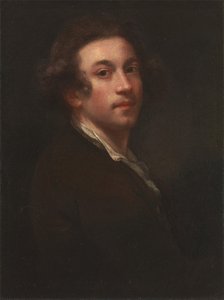
Josip Rejnolds
1723 - 1792 , Ujedinjeno Kraljevstvo
Brzi pregled
- Artistic Movement Or Style: Grand Style
- Artists Or Movements Influenced By This Artist: ['Thomas Gainsborough']
- Artists Who Influenced This Artist: ['Thomas Hudson']
- Date Of Birth: 16 srpnja 1723.
- Date Of Death: 23 veljače 1792.
- Full Name: Sir Joshua Reynolds
- Nationality: Engleski
- Notable Artworks:
- Peter Darnell Muilman...
- Mr and Mrs William Lindow
- Portrait of John Hayes...
- Place Of Birth: Plymouth, UK
Povezani članci
Thomas Hudson: A Study in 18th-Century Portraiture & British Artistic Identity
Explore the life & work of Thomas Hudson, a leading 18th-century British portraitist. Discover his mastery of the 'Grand Manner,' influential style, and lasting impact on British art. Learn about his notable portraits like Judge William Noel & Alexander Van Aken.
Sir Joshua Reynolds' Masterpieces: 25 Portraits of Power & Refinement | AllPaintingsStore
Explore 25 captivating portraits by Sir Joshua Reynolds, a master of British art. Discover stories behind his iconic paintings, elegant style & historical influence. Find museum-quality reproductions and elevate your home decor on AllPaintingsStore.com.

Sir Joshua Reynolds: Shaping British Art Through Grand Style & Societal Portraiture
Explore the life & work of Sir Joshua Reynolds, a master of British portraiture and founder of the Royal Academy. Discover his 'Grand Style,' techniques, and lasting influence on art history. Learn more at AllPaintingsStore.

18th Century Masters: 10 Artworks That Define an Era | AllPaintingsStore
Journey through 18th century art! Explore 10 iconic paintings – from Rococo elegance to Neoclassical grandeur. Discover Fragonard, David & more. Find museum-quality reproductions and elevate your home decor on AllPaintingsStore.com.

John Hoppner: Portraiture, Patronage & British Identity in the Late Georgian Era
Explore the life & work of John Hoppner, a leading Georgian portraitist. Discover his vibrant style, influential patrons, and lasting impact on British art history. Expert insights for collectors.


