


 Megtekintés
 Küldés
 Megosztás
 Részletek
 Útmutató

 Letöltés
 Hasonló darabok
 X-ray felvétel
 Diavetítés
 Kérdések és válaszok
 Statisztika
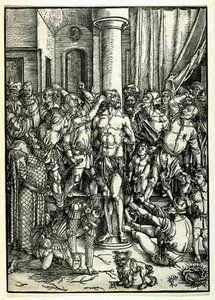
Flagellation


 Összes részlet megjelenítése
Giclée / Műnyomat
Múzeumi minőségű giclée vagy vászonnyomat, gyors gyártással és rugalmas finomítási lehetőségekkel. ( Kézzel festett másolat rendelése Áttérés digitális képre)




P118B Ft10

P118H Ft10

P118W Ft10

P438Z Ft10

P508JH Ft12

P508YH Ft12

P805H Ft10

P805Z Ft10

P919BZ Ft10

P919G Ft10

P919XJ Ft10

P959ZH Ft10

P968JZ Ft12

W106C Ft8

W218G Ft10

W218JH Ft8

W218Y Ft10

W307PJ Ft10

W316G Ft10

W316PJ Ft8

W316Y Ft10

W398PJ Ft8

W4111J Ft10

W500HY Ft15

W500JH Ft15

W692G Ft12

W849H Ft8

W940BG Ft15

W953PJ Ft8




Válasszon előre meghatározott méreteink közül, amelyek megfelelnek a műalkotás eredeti arányainak.

Írja be a keretének vagy a falának megfelelő szélességet és magasságot. A nyomatot csak le lehet vágni, soha nem tehető nagyobbá, mint az eredeti kép, így egy eltérő alakú méretnél a kép egy része elveszik. Mielőtt bármit kinyatintanánk, küldünk egy digitális próbamodellt jóváhagyásra. Az oldalon látható kép nem tartalmazza a valós levágást — ezt csak a próbamodell mutatja meg.
Világszerte történő kiszállítás területére mindössze 2 hét alatt, a szokásos 4-5 hét helyett. (11 november)

Ingyenes globális expressz szállítás

Prémium minőségű len vászon

Teljes körű szállítási biztosítás

Vámvisszatérítési Garancia

Hiteles színarányosság garancia

100 napos visszaküldési lehetőség (csak hibás termékek esetén)

100% pénzvisszatérítési garancia

Több darab vásárlásakor kedvezmény
 Az üvegkeretes opció csak 110 cm alatti méretben érhető el

Flagellation
Giclée / Műnyomat
Reprodukció mérete
-


Összesített ár
Ft 21244
Identification of the Flagellation by Albrecht Dürer
The woodcut Flagellation by Albrecht Dürer captures a moment of profound torment. This Northern Renaissance work presents a scene of intense suffering within a structured architectural setting. The lines of the woodblock define the heavy geometry of columns and arches, framing the chaos of the figures caught in the act of violence. It is a study of tension held within a monochromatic world.
Albrecht Dürer utilized the precision of the woodcut to translate religious agony into a visual language of stark contrasts. The composition draws the eye toward the central struggle, where the physical reality of pain meets the rigid order of the portico. Every stroke of the tool contributes to the weight of the scene, turning a biblical event into a visceral encounter with human suffering. The shadows fall deep across the contorted limbs of the subjects.
This specific print belongs to a period of intense technical development for the artist. It remains a significant example of the Northern Renaissance style, where meticulous detail meets emotional gravity. The work exists as a quiet, heavy presence on the page.
Composition and Visual Elements
The scene unfolds within the cold, rigid geometry of an architectural portico. Figures are crowded into this space, packed tightly together in a chaotic arrangement that creates a sense of claustrophobia. Bodies overlap and twist, caught in a moment of intense torment. This density pushes the viewer toward the center of the violence, where human degradation is rendered through contorted limbs and pained expressions. The perspective feels somewhat flattened, a two-dimensional arrangement that emphasizes the weight of the suffering rather than the depth of the room.
Light and shadow act as the primary architects of this tension. The lighting is uneven, casting heavy, dark shadows that carve out the contours of the suffering subjects. These shadows cling to the folds of fabric and the hollows of skin, heightening the visceral impact of the execution. A grayscale palette governs the entire work, stripping away the distraction of color to focus on the stark contrast between light and dark. The absence of hue leaves only the raw reality of the scene: the pale skin of the victims against the dark, unyielding stone of the columns.
Technique and Artistic Style
The composition relies on a rigorous, linear precision. Sharp lines define the rigid geometry of the arches and the heavy columns of the portico, creating a structural skeleton for the chaos. These lines trace the outlines of the figures, carving their contorted limbs out of the shadows. The style draws heavily from the traditions of Renaissance painting, seeking to organize space through a controlled, mathematical logic. Every architectural element is rendered with a clarity that anchors the scene in a cold, unyielding reality.
Meticulous brushwork and shading build the weight of the subjects. Through subtle variations in tone, the artist simulates the tactile reality of skin, heavy fabric, and weathered stone. This technique creates a palpable sense of volume, turning flat shapes into three-dimensional forms that occupy the space with physical presence. The interplay of light and dark emphasizes the dramatic contours of the bodies, making the physical agony feel immediate. It is a study of texture achieved through the disciplined application of shade.
Related Works by Albrecht Dürer
The shadow of the scourging follows the artist through various iterations of sacred suffering. In the woodcut known as The Large Passion: 3. Flagellation of Christ, dated 1497, the narrative takes shape through the stark, rhythmic lines of the woodblock. This work shares a lineage with the Flagellation of Christ from the same year, where the brutality of the scene is captured through the precise, unyielding geometry of the German Renaissance. These early explorations of the Passion establish a visual language of tension and religious weight.
Later, the artist turned to the sharp bite of the metal burin. The 1512 engraving, Flagellation (No. 6), held at the University Art Museum, Princeton, utilizes dense hatching and cross-hatching to define the musculature of the torment and the heavy folds of drapery. It is a study in monochromatic depth, where light and shadow define the very anatomy of pain. The precision of the line creates a tactile reality, turning the copper plate into a landscape of human endurance.
Other works from his prolific output include:
The weight of the woodcut and the precision of the engraving remain linked by a singular, driving focus on the physical reality of the divine. Each stroke of the tool seeks to map the intersection of the spiritual and the visceral. The ink settles into the paper, quiet and still.
Kérdések és válaszok
A „Flagellation” Albrecht Dürer pályájának mely szakaszát képviseli?
A "Flagellation" Albrecht Dürer alkotói pályájának Mature Period szakaszát képviseli.
Mit ábrázol a "Flagellation", és milyen hangulatot áraszt?
A „Flagellation”, Albrecht Dürer alkotása a religious suffering, torture, medieval art, durer’s work, pain, sacrifice, human degradation, renaissance drama elemeit ötvözi egy Dramatic hangulatú környezettel.
Milyen technikával és milyen stílusban készült a "Flagellation"?
A "Flagellation" alkotásban a Woodcut technika találkozik a Northern Renaissance irányzattal.
Hasonló műalkotások




Kapcsolódó cikkek

A művészet forradalmárai: 10 ikonikus metszet, melyek örökre megváltoztatták a világot
Fedezze fel a művészettörténet 10 legikonikusabb metszetét! Dürertől Goyáig, ismerje meg a barokk és reneszánsz mesterek lenyűgöző alkotásait. Vászonképek, poszterek – múzeumi minőségben a AllPaintingsStore.com-on. Explore the full collection online!

A British Museum gyöngyszemei: 25 műalkotás, melyek inspirálnak – AllPaintingsStore.com
Fedezze fel a British Museum 25 legikonikusabb műalkotását! Ismerje meg a festmények történetét, technikáját és inspirációját. Klasszikus képek, reneszánsz remekművek, antik szobrok – minden otthonba. Vászonképeket rendeljen a AllPaintingsStore.com-on!

Albrecht Dürer: A Renaissance Master's Legacy of Innovation and Self-Portraiture
Explore the life & art of Albrecht Dürer, a pivotal German Renaissance master. Discover his groundbreaking printmaking techniques, iconic self-portraits, and lasting influence on Western art history. A deep dive into innovation & symbolism.

German Renaissance Unlocked: The Bold Precision and Iconic Mastery of Albrecht Dürer Reimagined
Discover the bold precision of the German Renaissance. Explore the legendary mastery of Albrecht Dürer through expert art history insights and premium, hand-painted reproductions designed to bring iconic Northern Renaissance detail into your modern collection.

Albrecht Dürer 25 Mesterműve: A Reneszánsz Zsenialitása – Vászonképek és Nyomatok a AllPaintingsStore-on
Fedezze fel Albrecht Dürer 25 legpárásabb műalkotását! A német reneszánsz zsenijének festményei, gravírozásai és ikonikus képei – vászonképeken és nyomatokon. Művészeti dekoráció otthonába a AllPaintingsStore-on. Explore the full collection online!


