


 Megtekintés
 Küldés
 Megosztás
 Részletek
 Útmutató

 Letöltés
 Hasonló darabok
 X-ray felvétel
 Diavetítés
 Statisztika
Leigh
 1900
1900 29.0 x 52.0 cm
 Összes részlet megjelenítése
Az ezen az oldalon megjelenített műalkotások szerzői jogi védelem alatt állnak, ami azt jelenti, hogy törvényileg nem készíthetünk és nem adhatunk el belőlük pontos másolatokat. Ez a védelem olyan nemzetközi megállapodások alapján érvényesül, mint például a Berni Egyezmény és a nemzeti jogszabályok által, beleértve azokat is, amelyeket meghatározott Az USA szerzői jogi törvénye – 17. cím.
Ez a módszer teljes mértékben megfelel a szerzői jogi szabályozásnak, mivel nem tartalmazza a védett műalkotás másolását vagy duplikálását. Ehelyett ez egy kreatív újinterpretáció – egy új festmény, amely az eredetivel való összefüggései miatt hatással van rá, de nem az az.
Giclée / Műnyomat
Múzeumi minőségű giclée vagy vászonnyomat, gyors gyártással és rugalmas finomítási lehetőségekkel. ( Kézzel festett másolat rendelése Áttérés digitális képre)




































Válasszon előre meghatározott méreteink közül, amelyek megfelelnek a műalkotás eredeti arányainak.

Írja be a keretének vagy a falának megfelelő szélességet és magasságot. A nyomatot csak le lehet vágni, soha nem tehető nagyobbá, mint az eredeti kép, így egy eltérő alakú méretnél a kép egy része elveszik. Mielőtt bármit kinyatintanánk, küldünk egy digitális próbamodellt jóváhagyásra. Az oldalon látható kép nem tartalmazza a valós levágást — ezt csak a próbamodell mutatja meg.
Világszerte történő kiszállítás területére mindössze 2 hét alatt, a szokásos 4-5 hét helyett. (26 október)

Ingyenes globális expressz szállítás

Prémium minőségű len vászon

Teljes körű szállítási biztosítás

Vámvisszatérítési Garancia

Hiteles színarányosság garancia

100 napos visszaküldési lehetőség (csak hibás termékek esetén)

100% pénzvisszatérítési garancia

Több darab vásárlásakor kedvezmény
 Az üvegkeretes opció csak 110 cm alatti méretben érhető el

Leigh
Giclée / Műnyomat
Reprodukció mérete
-


Összesített ár
Ft 20545
Hasonló műalkotások


A művész életrajza
Alfred Harvey Moore: A Painter of Coastal Tranquility
Alfred Harvey Moore (born circa 1879 – living) emerged as a prominent British seascape artist during the late Victorian and Edwardian eras, capturing the serene beauty of the English coastline with meticulous detail and imbued with a palpable sense of nostalgia. While biographical information remains somewhat sparse, his artistic legacy speaks volumes about his dedication to portraying the natural world and reflecting the spirit of his time. Moore’s formative years were spent in Liverpool, where he honed his artistic skills through self-study and observation—a practice that would profoundly shape his distinctive style. Unlike many artists of his generation who pursued formal training, Moore cultivated a deeply personal approach to artmaking, prioritizing direct engagement with the subject matter rather than academic conventions. This commitment to realism is evident in his canvases, which depict scenes of harbors, beaches, and estuaries with remarkable accuracy—down to subtle variations in light and texture. He meticulously studied the effects of weather on water surfaces, mirroring the Luminist movement’s fascination with capturing atmospheric conditions. His artistic influences can be traced back to Impressionism and Luminism, movements that championed capturing fleeting moments of atmospheric illumination and emphasizing tonal gradations over sharp outlines. Artists such as Frederic Church and George Inness served as models for Moore’s technique, inspiring him to adopt a painterly style characterized by soft brushstrokes and muted colors. He particularly admired Church's monumental landscapes, striving to achieve similar grandeur in his own compositions. Moore’s canvases are notable for their subtle color palettes—often dominated by blues, greens, and browns—which convey the quiet majesty of coastal environments. Moore gained considerable recognition during his lifetime, exhibiting extensively in London and establishing himself as a respected member of the Watermill Art Gallery. His paintings resonated deeply with audiences who appreciated their understated elegance and evocative portrayal of coastal life—a genre particularly favored by collectors seeking depictions of idyllic landscapes reminiscent of Victorian summers. Notable works include “The Old Water Mill,” “Leigh,” and “The Thames off Yantlett Creek, Kent,” each demonstrating his mastery of tonal painting and capturing the essence of a bygone era. These paintings exemplify the aesthetic sensibilities of the period, reflecting a desire for contemplative beauty amidst industrial expansion. His contribution to British art history lies in his unwavering commitment to portraying the natural world with honesty and sensitivity—a stance that aligns perfectly with the broader artistic currents of his time. Alfred Harvey Moore’s paintings continue to inspire admiration for their timeless beauty and serve as enduring reminders of a period characterized by both scientific advancement and profound appreciation for the pastoral landscapes of Britain. He remains an important figure in documenting the visual culture of Victorian England, offering viewers a glimpse into a world preoccupied with observation and artistic contemplation.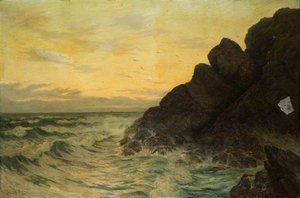
Rövid információk
- Artistic Movement Or Style: Watermill Paintings
- Artists Who Influenced This Artist:
- Frederic Church
- George Inness
- Full Name: Alfred Harvey Moore
- Nationality: Britannia
- Notable Artworks:
- A Vieux Moulin Walton sur la Naze
- Leigh
- La Tamise à Yantlett Creek Kent
- Place Of Birth: Liverpool

