


 Előnézet
 Megosztás
 Megosztás
 Részletek
 Útmutató

 Letöltés
 Hasonló darabok
 X-ray felvétel
 Diavetítés
 Statisztika
The Seine near Saint Cloud, High Water
 Oil On Canvas
- WallArt
- Impressionism
 1879
1879- 19th Century
 38.0 x 55.0 cm
 Tovább olvasom
Kézzel készített olajfestmény reprodukció
Kézzel festett olajvastú vászon, az Ön által választott méretben és keretben, művészeink készítik meglévőre. ( Váltás nyomtatványra Áttérés digitális képre)




P118B $10

P118H $10

P118W $10

P438Z $10

P508JH $12

P508YH $12

P805H $10

P805Z $10

P919BZ $10

P919G $10

P919XJ $10

P959ZH $10

P968JZ $12

W106C $8

W218G $10

W218JH $8

W218Y $10

W307PJ $10

W316G $10

W316PJ $8

W316Y $10

W398PJ $8

W4111J $10

W500HY $15

W500JH $15

W692G $12

W849H $8

W940BG $15

W953PJ $8




Válasszon előre meghatározott méreteink közül, amelyek megfelelnek a műalkotás eredeti arányainak.

Ön megadhat saját méreteket egy adott kerethez vagy térhez igazításhoz. Ha a kiválasztott méret nem egyezik az eredeti kép arányával, akkor a műalkotást levágjuk, vagy további kézzel festett elemekkel meghosszabbítjuk a festményt. A gyártás megkezdése előtt küldünk Önnek egy digitális előnézetet jóváhagyásra.
Kérjük, vegye figyelembe, hogy a képernyőn megjelenő előnézet nem tükrözi a tényleges vágást vagy kiterjesztést. Csak az előnézet fog pontosan mutatni a végső kompozíciót.
Bár egyedi méretek állnak rendelkezésre, javasoljuk, hogy válasszon egy méretet az előre meghatározott listából az eredeti arányok megőrzése érdekében.
A rendelést követően a AllPaintingsStore.com csapata e-mailt küld az ügyfélnek az instrukciókért, és biztosít egy előnézeti képet (mockup).
Világszerte elérhető szállítás () 3-4 hét alatt a szokásos 5 hét helyett. (21 szeptember). A minőség nem kérdőjelezhető.

Ingyenes globális expressz szállítás

Prémium minőségű len vászon

Teljes körű szállítási biztosítás

Vámvisszatérítési Garancia

Tökéletes színarányosság garancia

100 napos visszaküldési garancia (csak gyártási hibás termékek esetén)

100% pénzvisszatérítési garancia

Több darab vásárlásakor kedvezmény
 Az üvegkeretes opció csak 110 cm alatti méretben érhető el

The Seine near Saint Cloud, High Water
Reprodukciós technika
Reprodukció méretei
-


Összesített ár
$ 258
A Symphony of Water and Light
In the delicate dance of Impressionism, few masters captured the ephemeral beauty of the French landscape as tenderly as Alfred Sisley. His 1879 masterpiece, The Seine near Saint Cloud, High Water, serves as a breathtaking window into a moment where time seems to suspend itself. The painting presents a serene vision of the Seine river during a period of high water, where the boundaries between the sky and the earth blur through reflections and soft, luminous textures. As the viewer gazet upon this oil-on-canvas, they are immediately transported to the banks of Saint Cloud, witnessing a world defined by the gentle movement of boats and the quiet presence of figures navigating the rising tides. It is not merely a depiction of a river; it is an invitation to experience the rhythmic pulse of nature.
The technique employed by Sisley in this work is a testament to his profound understanding of light and atmosphere. Eschewing rigid outlines, he utilizes the quintessential Impressionist brushstroke—short, broken, and purposeful—to build a sense of vibration across the water's surface. The way the light interacts with the high water creates a shimmering effect that feels almost tactile, pulling the observer into the cool, moist air of the riverbank. Through a masterful use of color, Sisley captures the subtle shifts in tone that occur when sunlight hits moving water, blending soft blues, muted greens, and silvery whites to evoke a sense of profound tranquility. For the collector or interior designer, this piece offers a sophisticated palette that brings a calming, organic energy to any curated space.
The Essence of Impressionist Life
Beyond its technical brilliance, The Seine near Saint Cloud, High Water embodies the historical spirit of the late 19th-century Impressionist movement. During this era, artists sought to move away from the staged grandeur of academic painting to find divinity in the everyday. Sisley, a pivotal figure in this revolution, found his muse in the fleeting moments of modern life—the way a man stands by a boat, or how a crowd gathers by the river's edge. There is a subtle symbolism in the high water itself; it represents the unstoppable, transformative power of nature that reshapes the landscape, much like the Impressionist movement reshaped the trajectory of art history. The presence of people within the scene adds a layer of human connection, grounding the vastness of the river in a relatable, lived experience.
For those looking to adorn a home or gallery with a high-quality reproduction, this painting offers more than just aesthetic appeal; it provides an emotional anchor. The artwork evokes a sense of nostalgia and peace, making it an ideal centerpiece for rooms designed for reflection and repose. Whether placed in a sunlit study or a contemporary living area, the painting’s ability to capture the "fleeting moment" ensures that it remains a dynamic part of its environment, constantly changing as the light in the room shifts throughout the day. To own a piece inspired by Sisley is to possess a fragment of the French countryside, preserved in all its luminous, watery glory.
Hasonló műalkotások


A művész életrajza
A Life Immersed in Light and Landscape
Alfred Sisley, a name often whispered alongside those of Monet, Renoir, and Pissarro, occupies a unique and profoundly beautiful space within the Impressionist movement. Born in Paris on October 30, 1839, to British parents—William Sisley, a silk merchant, and Felicia Sell, a music enthusiast—he carried a dual heritage that subtly informed his artistic vision. Though he would spend nearly his entire life in France, Sisley retained British citizenship, a fact that brought him personal disappointment later in life when applying for French naturalization was refused. His early years were comfortably bourgeois, affording him the opportunity to pursue studies initially intended for a commercial career in London at the age of eighteen. However, the allure of art proved too strong, and he returned to Paris in 1861, embarking on formal training under Swiss artist Marc-Charles-Gabriel Gleyre at the École des Beaux-Arts. It was here, amidst the burgeoning artistic ferment of the era, that Sisley forged crucial friendships with Monet, Renoir, and Bazille—relationships that would profoundly shape his artistic trajectory. These companions shared a rebellious spirit, rejecting the rigid conventions of academic painting in favor of capturing the fleeting effects of light and atmosphere directly from nature.The Quiet Master of Impressionism
Sisley’s dedication to *plein air* painting—working outdoors, directly observing the natural world—was unwavering. Unlike some of his contemporaries who experimented with diverse genres, Sisley remained steadfastly committed to landscape throughout his career. This focused devotion allowed him to refine a distinctive style characterized by tranquility, delicate color palettes, and a subtle rendering of light. His canvases are often awash in pale shades of green, pink, purple, dusty blue, and cream, creating an atmosphere of serene contemplation. While the early works remain largely lost to time, his mature paintings reveal a meticulous observation of nature combined with a poetic sensibility. He wasn’t interested in grand narratives or dramatic gestures; instead, he found beauty in the everyday—in the gentle flow of rivers, the dappled light filtering through trees, and the quiet charm of rural life. His early struggles for recognition were compounded by his father's financial difficulties following the Franco-Prussian War in 1870, forcing Sisley to rely solely on the sale of his art for sustenance—a precarious existence that shadowed much of his career. He was a true Impressionist, but one who often labored in relative obscurity during his lifetime.Rivers, Canals, and the Essence of Place
Recurring themes permeate Sisley’s oeuvre, most notably his fascination with water. River landscapes became a signature subject, exemplified by his series of paintings created during a trip to England in 1874 along the Thames near Molesey. These works, capturing the tranquil beauty of the river and its surroundings, are considered among his finest achievements—a “perfect moment of Impressionism,” as art historian Kenneth Clark described them. He also developed a deep connection with Moret-sur-Loing, where he lived for many years, immortalizing its canals, bridges, and surrounding countryside in numerous canvases. Paintings like "Watermill near Moret," "Barges on the Loing Canal, Spring", and “Fields around the Forest” showcase his ability to imbue ordinary scenes with a sense of poetic grace. He didn’t merely depict these places; he captured their *essence*, conveying not just what they looked like but how they felt—the gentle breeze, the warmth of the sun, the quiet murmur of the water. This sensitivity to atmosphere and mood is perhaps Sisley's most enduring legacy.Influences and a Lasting Legacy
Sisley’s artistic influences were multifaceted. Gleyre’s academic training provided a foundation in technique, while the camaraderie with Monet, Renoir, and Bazille fostered a shared commitment to Impressionist principles. He absorbed their emphasis on capturing fleeting moments of light and atmosphere but developed his own unique voice—one characterized by restraint and subtlety. Though he often labored in relative obscurity during his lifetime, Sisley’s work is now celebrated for its beauty, sensitivity, and unwavering dedication to portraying nature. His influence can be seen in the works of later landscape painters who sought to capture the ephemeral qualities of light and atmosphere with similar nuance. He was a true pioneer, pushing the boundaries of Impressionism while maintaining a profound respect for the natural world.Historical Significance
Sisley’s historical significance extends beyond his technical skill and aesthetic sensibility. His unwavering commitment to *plein air* painting, even in the face of financial hardship and critical indifference, paved the way for future generations of artists who sought to break free from academic conventions and embrace a more direct engagement with nature. His paintings offer a glimpse into a rapidly changing world—a world on the cusp of modernity—and remind us of the enduring power of art to capture the beauty and tranquility that can be found even in the most humble of landscapes. He was, and remains, a master of light, atmosphere, and the quiet poetry of the natural world.- Major Themes: Landscapes, riverscapes, canals, rural life, atmospheric effects.
- Key Characteristics: Delicate color palettes, subtle rendering of light, tranquil mood, *plein air* painting.
- Influences: Marc-Charles-Gabriel Gleyre, Claude Monet, Pierre-Auguste Renoir, Frédéric Bazille, Barbizon school painters.

Sisley Alfred
1839 - 1899 , Franciaország
Gyors információk
- Artistic Movement Or Style: Impressionista tájképfestés
- Artists Or Movements Influenced By This Artist: ['Barbizon iskola']
- Artists Who Influenced This Artist:
- Gleyre
- Monet
- Renoir
- Date Of Birth: 1839-10-30
- Date Of Death: 1899-01-29
- Full Name: Alfred Sisley
- Nationality: Angol-francia
- Notable Artworks:
- Vízcsatorna Moret mellett
- Loing csatornán ácsok
- A falu mezője
- Place Of Birth: Párizs, Franciaország
Kapcsolódó cikkek
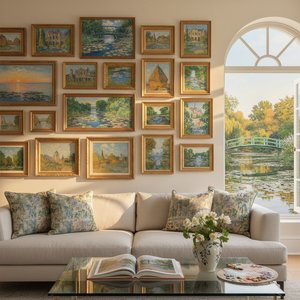
Claude Monet 25 Mesterműve: A Fény és a Szín Zsenialitása – AllPaintingsStore.com
Fedezze fel Claude Monet 25 legikonikusabb mesterművét! Ismerje meg az impresszionizmus zseniális festőjének történetét, a fény és szín varázsát. Vásároljon exkluzív reprodukciókat otthona dekorációjához a AllPaintingsStore.com-on!

Alfred Sisley: Capturing the Ephemeral Essence of Impressionist Landscape
Explore the life & art of Alfred Sisley, a master of Impressionist landscape painting. Discover his dedication to 'en plein air' techniques and serene depictions of nature. Learn about his legacy & find high-quality reproductions at AllPaintingsStore.
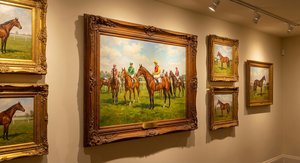
Sir Alfred James Munnings legszebb 25 festménye – A vidéki Anglia és a lovak mestere | AllPaintingsStore
Fedezze fel Sir Alfred James Munnings 25 legszebb festményét! Ismerje meg a vidéki Anglia és a lovak mesterének életművét, technikáját és inspirációit. Vásároljon exkluzív reprodukciókat a AllPaintingsStore.com-on – múzeumi minőségben!

Flowing Narratives: Rivers in Painting – A Historical Exploration
Explore the rich history of rivers in painting! Discover masterpieces from ancient times to Impressionism & beyond. Learn about symbolism, artists like Monet & Daubigny, and find your perfect serene artwork at AllPaintingsStore.

Fluid Reflections: Exploring Water's Symbolism in Art History – From Myth to Impressionism
Explore the rich symbolism of water in art history – from ancient myths to Impressionism's fleeting beauty. Discover masterpieces & find your perfect serene artwork with AllPaintingsStore.com.


