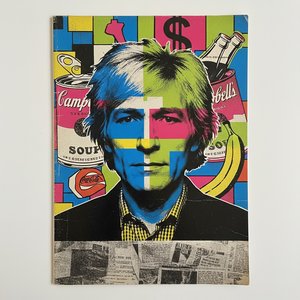
Screenprint.

§ 1Catalogue data


Ez a műalkotás szerzői jogi védelem alatt áll
Az ezen az oldalon megjelenített műalkotások szerzői jogi védelem alatt állnak, ami azt jelenti, hogy törvényileg nem készíthetünk és nem adhatunk el belőlük pontos másolatokat. Ez a védelem olyan nemzetközi megállapodások alapján érvényesül, mint például a Berni Egyezmény és a nemzeti jogszabályok által, beleértve azokat is, amelyeket meghatározott Az USA szerzői jogi törvénye – 17. cím.
Mint tiszteletes és törvényes alternatívát, olyan egyedi, kézzel festett alkotásokat kínálunk, amelyek az eredetiből merítnek inspirációt. Tapasztalt és professzionális művészeink alaposan tanulmányozzák az eredeti stílusát, hangulatát és művészeti esszenciáját, hogy egy olyan új, egyedi alkotást hozzunk létre, amely ugyanazt az érzést kelti – miközben önálló, eredeti alkotásként létezik.
Ez a módszer teljes mértékben megfelel a szerzői jogi szabályozásnak, mivel nem tartalmazza a védett műalkotás másolását vagy duplikálását. Ehelyett ez egy kreatív újinterpretáció – egy új festmény, amely az eredetivel való összefüggései miatt hatással van rá, de nem az az.
 További információk
§ 2Abstract
A gyűjtemény leírása
Explore 'Apple Tp' by Andy Warhol, a vibrant Pop Art piece from 1985. This screenprint captures the iconic Apple logo, blending consumerism and artistic expression.
§ 3Commentary
A Bite of Modernity: Decoding Andy Warhol’s “Apple Tp”
Andy Warhol's "Apple Tp" is more than just a depiction of fruit; it’s a vibrant collision of art, commerce, and the burgeoning digital age. Created in 1985, this screenprint encapsulates Warhol’s enduring fascination with popular culture and his ability to elevate everyday objects into iconic symbols. The image itself is deceptively simple: a boldly colored apple, rendered in a style that feels both immediate and meticulously crafted, dominates the composition. Beneath it, the word “Macintosh” anchors the artwork to a specific moment in technological history – the rise of Apple computers and their revolutionary impact on society. The artist’s signature, subtly placed in the lower right corner, serves as a quiet affirmation of his authorship, yet also feels almost unnecessary; the work speaks for itself with a visual language instantly recognizable as Warholian.
Pop Art and the Cult of Branding
To understand “Apple Tp,” one must consider its place within the broader context of Pop Art. Emerging in the 1950s, Pop Art challenged traditional notions of fine art by embracing imagery drawn from mass media, advertising, and consumer products. Warhol was a leading figure in this movement, famously immortalizing Campbell’s Soup cans, Coca-Cola bottles, and celebrity faces like Marilyn Monroe. He wasn't merely replicating these images; he was commenting on their pervasive influence, the way they shaped our desires and perceptions. “Apple Tp” continues this exploration, but with a distinctly contemporary twist. The apple isn’t just *any* apple—it’s the Apple logo, a symbol of innovation, design, and aspirational lifestyle. Warhol recognized the power of branding, how a simple image could become synonymous with an entire company and its values. By appropriating this logo, he wasn't endorsing Apple; he was dissecting the very mechanisms of consumer culture.
Technique and Symbolism: A Digital Eden
Warhol’s choice of screenprinting as a medium is crucial to understanding the artwork’s message. Screenprinting, with its roots in commercial printing techniques, perfectly aligned with his interest in mass production and reproducibility. The flat, graphic quality of the print emphasizes the artificiality of the image, stripping away any sense of painterly illusionism. The vibrant colors—a nod to the rainbow-striped Apple logo introduced earlier that year—further enhance this effect. Symbolically, the apple itself carries a rich history, from its biblical association with temptation and knowledge to its modern connotations of health and vitality. Warhol cleverly layers these meanings, creating an image that is both familiar and unsettling. The “bite” taken out of the apple adds another layer of intrigue – a subtle suggestion of imperfection, or perhaps a playful nod to the forbidden fruit. It’s a digital Eden, where technology promises knowledge and progress, but also carries the potential for disruption and change.
A Lasting Legacy: Warhol's Influence Today
“Apple Tp” remains remarkably relevant in the 21st century, as Apple continues to dominate the tech landscape. The artwork serves as a prescient commentary on the increasing convergence of art, technology, and commerce. Warhol’s exploration of branding and consumerism feels even more urgent today, in an age saturated with advertising and social media influence. A reproduction of “Apple Tp” isn't just a decorative piece; it’s a conversation starter, a visual reminder of the power of images and the enduring legacy of one of the most influential artists of the 20th century. It invites viewers to reflect on their own relationship with technology, branding, and the ever-evolving landscape of modern culture.
Kérdések és válaszok
„Apple Tp”, Andy Warhol alkotása színei tel愈tek vagy fakók?
A „Apple Tp”, Andy Warhol alkotása alkotás Vivid Color telítettségű színekkel készült.
Milyen helyet foglal el a művészettörténelemben a "Apple Tp"?
A „Apple Tp”, Andy Warhol alkotása művészettörténeti besorolása a Pop Art, a Modern korszakba tartozik.
Milyen méretet és vízszintes vagy függőleges elrendezést javasolnak a „Apple Tp”, Andy Warhol alkotása nyomtatványához?
Large méret, Square elrendezés: ez a(z) „Apple Tp”, Andy Warhol alkotása alkotáshoz javasolt nyomtatási beállítás.



 Váltás nyomtatványra


 A bármely oldalsó méretét túlszálaló 105 cm (kb. 41 hüvelyk) meghaladó műalkotások vagy reprodukciók esetében a keret összeszerelhető készletként, szétszerelve kerül szállításra. Ez a módszer biztosítja a biztonságos szállítást, és megakadályozza a szállítás során fellépő sérüléseket.