

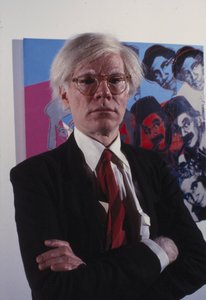
1985. Screenprint.

§ 1Catalogue data


Ez a műalkotás szerzői jogi védelem alatt áll
Az ezen az oldalon megjelenített műalkotások szerzői jogi védelem alatt állnak, ami azt jelenti, hogy törvényileg nem készíthetünk és nem adhatunk el belőlük pontos másolatokat. Ez a védelem olyan nemzetközi megállapodások alapján érvényesül, mint például a Berni Egyezmény és a nemzeti jogszabályok által, beleértve azokat is, amelyeket meghatározott Az USA szerzői jogi törvénye – 17. cím.
Mint tiszteletes és törvényes alternatívát, olyan egyedi, kézzel festett alkotásokat kínálunk, amelyek az eredetiből merítnek inspirációt. Tapasztalt és professzionális művészeink alaposan tanulmányozzák az eredeti stílusát, hangulatát és művészeti esszenciáját, hogy egy olyan új, egyedi alkotást hozzunk létre, amely ugyanazt az érzést kelti – miközben önálló, eredeti alkotásként létezik.
Ez a módszer teljes mértékben megfelel a szerzői jogi szabályozásnak, mivel nem tartalmazza a védett műalkotás másolását vagy duplikálását. Ehelyett ez egy kreatív újinterpretáció – egy új festmény, amely az eredetivel való összefüggései miatt hatással van rá, de nem az az.
 További információk
§ 2Abstract
A gyűjtemény leírása
Andy Warhol's 'New Coke' captures the iconic soda crisis with vibrant colors and graphic design, reflecting consumer culture & brand disruption. A pop art masterpiece!
§ 3Commentary
The Discarded Icon: Andy Warhol’s “New Coke”
Andy Warhol's "New Coke," a screenprint from 1985, isn’t merely a depiction of a beverage can; it’s a potent distillation of American consumer culture at a pivotal moment. The artwork captures a seemingly mundane object – the iconic Coca-Cola bottle – in a state of dramatic disruption. A jagged tear bisects the familiar form, spilling forth a cascade of vibrant, almost aggressively cheerful yellow soda, a stark contrast to the muted gray and red of the can itself. This isn’t a celebration of branding; it's a visual representation of a colossal corporate misstep, a moment of profound public disappointment that reverberated through the nation.
The choice of subject is deliberately provocative. Coca-Cola, synonymous with American nostalgia and ubiquitous presence, was suddenly facing a crisis of identity. The introduction of “New Coke” in 1985 – a reformulated version of the original recipe – ignited a furious backlash from consumers who fiercely defended the beloved taste of the classic beverage. Warhol’s artwork perfectly encapsulates this outrage, transforming a corporate blunder into an arresting visual statement. The deliberate flatness of the screenprint technique—a hallmark of Pop Art—further emphasizes the object's materiality and its immediate impact on the viewer, stripping away any illusion of depth or grandeur.
Pop Art’s Critique of Mass Culture
“New Coke” firmly situates itself within the broader context of Pop Art. Warhol, a key figure in this movement, rejected traditional notions of artistic subject matter, elevating everyday objects – soup cans, celebrities, and now, a discarded soda bottle – to the level of high art. He employed techniques like screen printing, originally developed for commercial applications, to create images that were both visually striking and deeply ironic. The bold colors, graphic lines, and repetition characteristic of Pop Art are all present here, but they’re deployed not simply to celebrate consumerism, as some critics initially suggested, but to expose its inherent contradictions and potential pitfalls.
Warhol's use of color is particularly significant. The bright yellow soda isn’t rendered with delicate shading or subtle variations; it’s a flat, almost artificial hue that underscores the manufactured nature of both the product and the reaction to it. The gray represents the diluted, altered version of the drink, symbolizing the loss of authenticity and the perceived betrayal by the corporation. The red, reminiscent of Coca-Cola's iconic branding, becomes a symbol of disappointment and regret – a visual echo of the taste that was lost.
Symbolism and Emotional Resonance
Beyond its immediate reference to the “New Coke” debacle, the artwork carries deeper symbolic weight. The torn can represents disruption, change, and the inevitable decay of established systems. It’s a potent metaphor for the anxieties surrounding corporate decisions and the potential consequences of prioritizing profit over consumer satisfaction. The spilled soda itself suggests a loss – not just of a taste, but perhaps also of trust and tradition.
“New Coke” evokes a complex range of emotions: nostalgia for the original formula, frustration with corporate mismanagement, and a subtle sense of melancholy. It’s a reminder that even the most beloved icons are vulnerable to change, and that consumer loyalty can be easily shattered. The artwork's enduring appeal lies in its ability to tap into these deeply felt sentiments, offering a poignant commentary on the ever-shifting landscape of American culture.
A Legacy of Ironic Observation
Created during Warhol’s prolific period, “New Coke” exemplifies his signature style: a coolly detached observation of contemporary life. The artwork's stark simplicity and directness are remarkably effective in conveying its message. It serves as a powerful reminder that art doesn’t always need to be grand or emotionally overwhelming; sometimes, the most profound insights can be found in the seemingly insignificant details of our daily lives. The piece remains a captivating study in consumerism, corporate strategy, and the enduring power of nostalgia – a testament to Warhol's genius for capturing the zeitgeist of his time.
Kérdések és válaszok
A „New Coke”, Andy Warhol alkotása jogtalanul védett (public domain)?
A szerzői jogokkal kapcsolatban a "New Coke" mű még szerzői jog védi.
Melyik szobához ajánlott a „New Coke”, Andy Warhol alkotása, színei alapján végezve?
A „New Coke”, Andy Warhol alkotása Pastels színei tökéletesen illeszkednek a javasolt helyiséghez: egy Living Room.
Általánosságban inkább világos vagy sötét a "New Coke"?
A „New Coke”, Andy Warhol alkotása fényerősége brilliant, luminanciája pedig Luminous.


 Váltás nyomtatványra


 A bármely oldalsó méretét túlszálaló 105 cm (kb. 41 hüvelyk) meghaladó műalkotások vagy reprodukciók esetében a keret összeszerelhető készletként, szétszerelve kerül szállításra. Ez a módszer biztosítja a biztonságos szállítást, és megakadályozza a szállítás során fellépő sérüléseket.


