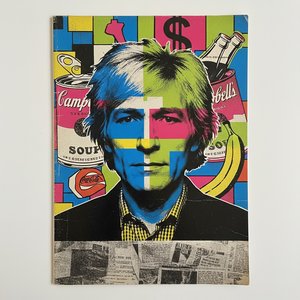
Acrylic On Canvas.

§ 1Catalogue data

Ez a műalkotás szerzői jogi védelem alatt áll
Az ezen az oldalon megjelenített műalkotások szerzői jogi védelem alatt állnak, ami azt jelenti, hogy törvényileg nem készíthetünk és nem adhatunk el belőlük pontos másolatokat. Ez a védelem olyan nemzetközi megállapodások alapján érvényesül, mint például a Berni Egyezmény és a nemzeti jogszabályok által, beleértve azokat is, amelyeket meghatározott Az USA szerzői jogi törvénye – 17. cím.
Mint tiszteletes és törvényes alternatívát, olyan egyedi, kézzel festett alkotásokat kínálunk, amelyek az eredetiből merítnek inspirációt. Tapasztalt és professzionális művészeink alaposan tanulmányozzák az eredeti stílusát, hangulatát és művészeti esszenciáját, hogy egy olyan új, egyedi alkotást hozzunk létre, amely ugyanazt az érzést kelti – miközben önálló, eredeti alkotásként létezik.
Ez a módszer teljes mértékben megfelel a szerzői jogi szabályozásnak, mivel nem tartalmazza a védett műalkotás másolását vagy duplikálását. Ehelyett ez egy kreatív újinterpretáció – egy új festmény, amely az eredetivel való összefüggései miatt hatással van rá, de nem az az.
 További információk
§ 2Abstract
A gyűjtemény leírása
The artwork embodies key aesthetic elements of Pop Art: bold color palettes (primarily yellow), repetition, and the appropriation of imagery from popular media—specifically swimwear and balls—to challenge traditional artistic conventions.
§ 3Commentary
A Snapshot of Pop Art’s Bold Experimentation: Warhol's Untitled (1974)
Andy Warhol’s “Untitled (1974)” is more than just a striking image; it encapsulates the spirit of Pop Art—a movement that irrevocably altered the landscape of 20th-century art and culture. Executed as an internal dye diffusion transfer print, this artwork exemplifies Warhol's signature method: repetitive silkscreen printing onto aluminum foil, transforming familiar subjects into monumental statements about celebrity and mass production. The photograph captures a woman in a bikini perched atop a vibrant yellow ball, a deliberately incongruous pairing that immediately draws the viewer’s eye. Accompanying her is a book—a subtle nod to intellectual pursuits amidst the hedonistic glamour of Warhol's era—and she holds her hand on her hip with confident posture. Two additional balls flank the central figure, reinforcing the visual motif of repetition and highlighting the influence of advertising imagery.The Technique of Diffusion Transfer: Warhol’s Innovation
Warhol’s technique wasn’t merely about replicating images; it was about manipulating them to achieve a profound effect. The dye diffusion transfer process involved applying ink onto aluminum foil, which was then sandwiched between layers of acetate and pressed under heat. This method ensured exceptional color fidelity and tonal accuracy—crucial for Warhol's goal of capturing the essence of commercial visuals. Unlike traditional painting techniques that strive for illusionistic depth, diffusion transfer created a flattened surface, emphasizing flatness and rejecting academic conventions. It mirrored the aesthetic principles of advertising and graphic design, where clarity and impact were paramount.Historical Context: Embracing Consumer Culture
“Untitled (1974)” emerged during Warhol’s prolific period in Paris, coinciding with the burgeoning Nouvelle Figuration movement—a reaction against Surrealism and Expressionism that championed realism and direct engagement with contemporary life. Warhol deliberately chose to depict a woman on a ball, referencing both circus imagery and the aspirational ideals of American consumer culture. The image speaks to the anxieties and fascinations surrounding celebrity and fame during the 1970s—a time when Warhol himself was navigating the complexities of artistic recognition and commercial success. This artwork serves as a testament to Warhol’s ability to distill complex ideas into visually arresting compositions.Symbolism Beyond Surface Appearance
The repetition of the ball motif is significant, symbolizing stability amidst perceived chaos – mirroring Warhol's own desire for control within his rapidly changing world. The woman herself embodies confidence and allure—traits often associated with idealized femininity in popular culture. Furthermore, the book represents a counterpoint to these visual cues, suggesting contemplation and intellectual engagement. Warhol’s deliberate juxtaposition of elements invites viewers to consider questions about identity, representation, and the role of art within society.Emotional Impact: A Reflection of Warhol's Vision
Ultimately, “Untitled (1974)” resonates with a sense of detached observation—characteristic of Warhol’s artistic approach. It captures a moment frozen in time, presenting it without sentimental embellishment. The bold color palette and simplified forms contribute to an emotional impact that is both unsettling and captivating. Like much of Warhol's oeuvre, this print compels us to confront the pervasive influence of mass media on our perceptions of beauty and desire—a legacy that continues to inspire artists and designers today.Kérdések és válaszok
Mely paletta és domináns szín határozza meg a "untitled (1602)" alkotást?
A „untitled (1602)”, Andy Warhol alkotása színek identitása: egy Earthy paletta, amelyet Yellow Green (#dad438) dominál.
Milyen felhasználásra ajánlott a "untitled (1602)" nyomata?
A „untitled (1602)” nyomtatvány ajánlott felhasználása: Accent.
Mekkora a fényerke „untitled (1602)”, Andy Warhol alkotása alkotásnak?
A „untitled (1602)”, Andy Warhol alkotása alkotás Bright Balance fényerőséggel rendelkezik. A fényerő azt mutatja meg, hogy a színek mennyire tűnnek visszafényesnek.



 Váltás nyomtatványra


 A bármely oldalsó méretét túlszálaló 105 cm (kb. 41 hüvelyk) meghaladó műalkotások vagy reprodukciók esetében a keret összeszerelhető készletként, szétszerelve kerül szállításra. Ez a módszer biztosítja a biztonságos szállítást, és megakadályozza a szállítás során fellépő sérüléseket.