


 Megtekintés

 Küldés
 Megosztás
 Részletek
 Útmutató


 Letöltés
 Hasonló darabok
 X-ray felvétel
 Diavetítés
 Kérdések és válaszok
 Statisztika
Sir Thomas Gresham

- 90.0 x 76.0 cm


 Összes részlet megjelenítése
Giclée / Műnyomat
Múzeumi minőségű giclée vagy vászonnyomat, gyors gyártással és rugalmas finomítási lehetőségekkel. ( Kézzel festett másolat rendelése Áttérés digitális képre)
P118B Ft10
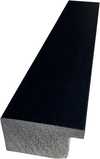
P118H Ft10
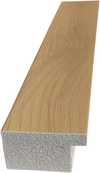
P118W Ft10
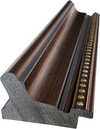
P438Z Ft10
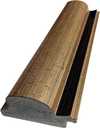
P508JH Ft12
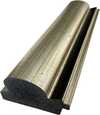
P508YH Ft12
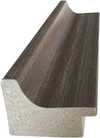
P805H Ft10
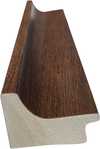
P805Z Ft10
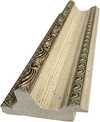
P919BZ Ft10
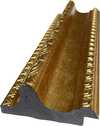
P919G Ft10
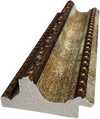
P919XJ Ft10
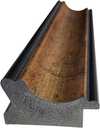
P959ZH Ft10
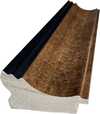
P968JZ Ft12
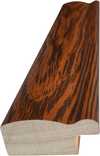
W106C Ft8
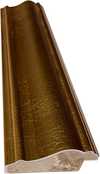
W218G Ft10
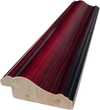
W218JH Ft8
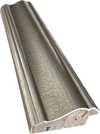
W218Y Ft10
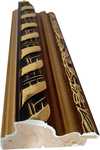
W307PJ Ft10
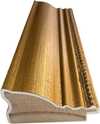
W316G Ft10
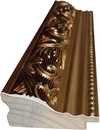
W316PJ Ft8
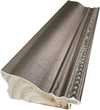
W316Y Ft10
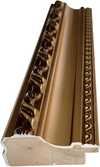
W398PJ Ft8
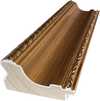
W4111J Ft10
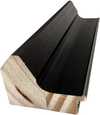
W500HY Ft15
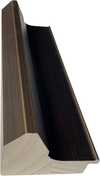
W500JH Ft15
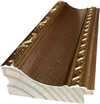
W692G Ft12
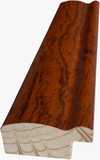
W849H Ft8
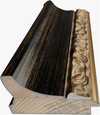
W940BG Ft15
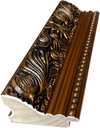
W953PJ Ft8
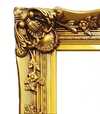
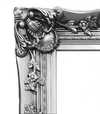
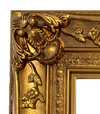
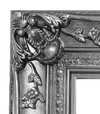
Válasszon előre meghatározott méreteink közül, amelyek megfelelnek a műalkotás eredeti arányainak.

Írja be a keretének vagy a falának megfelelő szélességet és magasságot. A nyomatot csak le lehet vágni, soha nem tehető nagyobbá, mint az eredeti kép, így egy eltérő alakú méretnél a kép egy része elveszik. Mielőtt bármit kinyatintanánk, küldünk egy digitális próbamodellt jóváhagyásra. Az oldalon látható kép nem tartalmazza a valós levágást — ezt csak a próbamodell mutatja meg.
Világszerte történő kiszállítás területére mindössze 2 hét alatt, a szokásos 4-5 hét helyett. (19 november)

Ingyenes globális expressz szállítás

Prémium minőségű len vászon

Teljes körű szállítási biztosítás

Vámvisszatérítési Garancia

Hiteles színarányosság garancia

100 napos visszaküldési lehetőség (csak hibás termékek esetén)

100% pénzvisszatérítési garancia

Több darab vásárlásakor kedvezmény
 Az üvegkeretes opció csak 110 cm alatti méretben érhető el

Sir Thomas Gresham
Giclée / Műnyomat
Reprodukció mérete
-


Összesített ár
Ft 21137
Identification of the Portrait of Sir Thomas Gresham
In this portrait, Anthonis Mor Van Dashorst captures the steady presence of Sir Thomas Gresham. The subject sits before us, a man whose influence once shaped the financial landscape of Europe. As the leading English merchant in Antwerp and the financial agent for the English king in the Low Countries, Gresham carries a weight of responsibility in his gaze. He is the man who founded the Royal Exchange and established Gresham College in London, leaving a legacy etched into the very foundations of commerce and education.
The artist, Anthonis Mor Van Dashorst, brings a meticulous eye to this likeness. Born in Utrecht, Netherlands, Mor possesses a way of rendering the individual that feels immediate and alive. This specific work dates to 1560, a moment when the sitter's social standing and professional gravity are palpable. The portrait does more than record a face; it presents a man of significant purpose, frozen in a moment of quiet, commanding authority.
Composition and Visual Details
The subject sits firmly within a chair that dominates the lower portion of the frame, anchoring the entire scene. He is dressed in a black suit, his presence marked by a stern expression and the grooming of a beard and mustache. A collar frames his face, catching the light against the dark fabric of his attire. He holds a posture of quiet authority, his gaze fixed and unyielding. The weight of his position is felt in the stillness of his seated form.
In the space surrounding him, life unfolds in layers. One figure stands directly behind him in the foreground, adding a sense of depth to the immediate circle of the subject. Further back and to the right, a second person occupies the scene, partially distanced from the central focus. This arrangement creates a structured, tiered environment that draws the eye through the social hierarchy of the room. The background reveals a brick wall and an open window, suggesting a connection to the world outside the immediate interior.
Materials and Physical Characteristics
The physical presence of this portrait is defined by its substantial scale, measuring 90 x 76 cm. Originally rendered as an oil on panel, the work carries the weight and texture of its primary medium. The artist’s brushwork captures the subtle shifts in light across the subject's features, a task made possible by the careful application of oil pigments. This specific piece is identified by the object number SK-A-3119.
Time has left its mark on the very substance of the work. While it began its life on a rigid wooden support, the painting has undergone a significant transformation. The original oil on panel was transferred to canvas, a process that alters the way the surface interacts with light and shadow. This transition from wood to fabric changes the tactile quality of the work, lending a different character to the way the colors settle upon the grain.
History and Provenance of the Artwork
The journey of this portrait through the centuries carries it through the hands of emperors and across shifting political borders. At one point in its long history, the painting resides within the private collection of Catherine the Great of Russia. It remains in these imperial circles until the political tides of the twentieth century shift the work's destiny once more. The Soviet Union holds the painting, eventually deciding to sell it to the Rijksmuseum in 1931 to secure foreign currency.
The physical life of the work has seen significant changes to ensure its survival. In 1872, the portrait undergoes a major transformation when the painting of Anne Fernely is transferred from its original panel onto canvas. This restoration marks a pivotal moment in how the work presents itself to the eye. The movement from wood to fabric alters the very substance of the piece, preserving the likeness of the merchant for future generations to witness.
Related Works by Anthonis Mor Van Dashorst
The visual narrative of this portrait finds its companion in the likeness of Anne Fernely, the wife of Gresham. As a pendant to this work, her portrait completes a shared history, capturing the presence of the woman who stood alongside the merchant. This connection links the two figures through a shared space and a shared life, creating a dual presence that speaks to their status and their union.
Mor’s brush also moved through the halls of power, capturing the regal bearing of Mary Tudor, Queen of England, in 1554. His ability to navigate the requirements of the court is evident in his service as a painter to the Spanish king. This high-level patronage allowed him to observe the nuances of nobility and the weight of authority that defined the sixteenth century.
In 1560, the artist turned his attention to Anne Fernel, the Wife of Sir Thomas Gresham. This portrait offers another window into the social fabric of the era, focusing on the character and dignity of the sitter. Through these various commissions, the artist’s hand moves between the private intimacy of a marriage and the public grandeur of royal courts.
Where to See the Artwork Today
The presence of Sir Thomas Gresham remains a constant within the halls of the Rijksmuseum in Amsterdam. Visitors find him held within this prestigious collection, where he resides as part of the museum's permanent holdings. He is identified by the object number SK-A-3119, a mark that traces his place within the museum's vast archives. To stand before him is to encounter a figure preserved through centuries of careful stewardship.
This portrait is kept in the Rijksmuseum, Amsterdam, where the quiet dignity of the subject is maintained for those who seek it. The painting exists as a physical part of the museum's curated environment, allowing the gaze of the viewer to meet the stern expression of the merchant. He remains a fixture of the Dutch institution, a silent inhabitant of the galleries in Amsterdam.
Kérdések és válaszok
Megtekinthető a "Sir Thomas Gresham" teljes képernyős diaporámaként is?
A "Sir Thomas Gresham" diaporámája megtekinthető a mű Diaváltás oldalán.
Milyen technikával készült a "Sir Thomas Gresham", és mikor készült?
A "Sir Thomas Gresham" alkotása 1560-ben készült, Oil On Panel technikával.
Milyen hangulat és érzelem ötvöződik a "Sir Thomas Gresham" alkotásban?
A „Sir Thomas Gresham”, Antonis Mor alkotása egy Reflective érzést közvetít, egy összonosan Elegant hangulatban.
Hasonló műalkotások


A művész életrajza
Antonis Mor van Dashorst: A Királyi Méltóság Festője
Antonis Mor van Dashorst (1517-1577) a holland reneszánsz portretizmus egyik alapköve, aki korszakának jellemző apróbó részletességes realizizmusát és szimbolikus mélységét testesíti meg. A hollandországi Utrechtben született művész egy művészeti hagyományoktól ösztöngetett családból származott – édesapja szobrász volt, ezzel is alapozta meg a vizuális ábrázoláshoz fogantkozó családi vonalakat. Bár életrajzi részletei viszonylag kevésbé ismertek, Mor hatalmas termése bőségesen beszél a tehetségéről és azután az elszántságról, amellyel témái esszenciáját próbálta megörökíteni. Gyorsan kivívta hírnevét, hiszen egyetemarcsak páratlan pontossággal képes volt megörökíteni a nemesek alakját, ami lehetővé tette számára, hogy Európa egyiket a legbefolyásosabb alakjai is megkérjék munkáját. A művész fejlődése során az antwerpi évek döntő jelentőséget játszottak művészeti érékonkelésében. Bár Mor formálódó éveiről nem tudunk túl sokat Utrecht után, Antwerpenben Pieter Bruegel az öreg mellett tanulhatott, átvenve a mester emberi természet és a táj művészétől való magistrális megfigyelését – ezek az írások később átszösztenyelték Mor saját művészeti látásmódját. A flamandi köztársaság vibráló művészeti környezetében, olyan kortársak mellett, mint Quentin Massys vagy Hendrik Golse, élesítette éles ízét, ami egy kifinomult perspektíva- és chiaroscuro-ismeretet kölcsönzött neki. Ezek a technikák – a fény és az árnyék drámai játs_{[1]__AIG_LINK_1__}átékával – lehetővé tették számára, hogy portréit élettel teli fénnyel világítsa meg.Mária Tudor uralkodása: A északi reneszánsz portretizmus remekműve
Mor hírneve drasztikusan megugrott, amikor befejezte angol királynő, Mária Tudor portréját (1554). Ez a monumentális vászon a művész művészeti tudásának csúcspontját jelenti. Árnyék nélküli, apró részletekkel kidolgozott alkotása megörökíti Mária királyi tartását és belső fegyelmezett nyugalmát – ami tanúbizonysága annak, hogy Mor képes volt a fizikai hasonlóság mellett a pszichológiai árnyalatokat is átadni. A kompozíció rendkívül kiegyensúlyozott, piramidális struktúrát és a ruházat finom ráncait használva hangsúlyozva a királynő tekintélyét és méltóságát. Emellett a chiaroscuro használata lenyűgöző kontrasztot teremt a fény és a sötét között, kiemelve Mária arcát, és ünnepélyes nagorság aura-ját kölcsönözve alkotásnak. Ez a portré megszilárdította Mor hírnevét korabelen egyik legkiemelkedőbb portrézőjeként, és ma is a észak reneszánsz művészet egyik legünnepltebb példájaként áll. A királyi megbízások bővítette művész környékét, hiszen Spanyolország II. Ferdinánd királytól is megkapta a lehetőséget, hogy ambiciózus projektekben vonuljon el, tovább finomítva udvari művészi stílusát. Mária Tudor portréján túl számos fontos állampolitikai, diplomáciai és arisztokrata alakot ábrázolt. Egyedi stílusa – amelyet a precíz realizmus, a mesteri perspektíva és az expresszív fény-árnyék játék jellemzett – azonnal felismerhetővé vált. Mor nem csupán a külső küllem átadását helyezte előtérbe, hanem karakteret és érzelmet is, emelve portréit a puszta hasonlóságok szintjéről az emberi méltóság mélyebb megállapításai felé.Hatás és örökség
Mor hatása messze túlnyúlt kortársain. Portretizálás iránti precíz megközelítése példát állt a következő művészgenerációk számára, ösztönözve őket a nagyobb pontosságra és a pszichológiai mélységre. A reneszánsz humanista idealistákat képviselte, tükrözve azt a rendíthetetlen meggyőződést, hogy a művészet képes felvilágosítani az emberi létezés tapasztalatait. Napjainkban is lenyűgözi a világ közötti közönséget, mint az órával fennmaradó emlékeztetője a holland aranykor művészeti zsenialitásának – egy olyan időszaknak, amelyet az innováció, az ambíció és a szépség iránti mély csodálat határoz meg.
Antonis Mor
1519 - 1575 , Hollandia
Rövid információk
- Artistic Movement Or Style: Reneszánsz portréfestészet
- Artists Or Movements Influenced By This Artist: ['Barokk']
- Artists Who Influenced This Artist:
- Jan van Eyck
- Rogier van der Weyden
- Date Of Birth: 1517
- Date Of Death: 1577
- Full Name: Anthonis Mor van Dashorst
- Nationality: Holland
- Notable Artworks:
- Granvelle kardinalális törzse
- III. Mary királynő, Anglia királynője
- Margaret, Parma hercebnőja
- Place Of Birth: Utrecht, Hollandia
Kapcsolódó cikkek

Master of Elegance: The Top 25 Greatest Artworks by Sir Anthony van Dyck
Explore 25 Baroque masterpieces by Sir Anthony van Dyck. Discover timeless elegance and fine art at AllPaintingsStore.com.

25 Must-See Masterpieces at the Rijksmuseum, Amsterdam
Embark on a journey through Dutch history. From Rembrandt’s dramatic Night Watch to Vermeer’s luminous light, explore the top 25 masterpieces of the Rijksmuseum, Amsterdam. Find inspiration with our museum-quality art reproductions. Discover all masterpieces on AllPaintingsStore.com

The Weight of Shadow: Examining the Depth of Brown Pigments and Chiaroscuro in Classical Painting
Explore the technical mastery of earth pigments and chiaroscuro in classical art. Discover the depth of shadow and texture today.