


 Előnézet
 Megosztás
 Megosztás
 Részletek
 Útmutató

 Letöltés
 Hasonló darabok
 X-ray felvétel
 Diavetítés
 Statisztika
Vertumnus
 Olajfestmény vászonon
- Falfeliratok és faldekoráció
- Baroque Brilliance
 1590
1590- Reneszánsz
 68.0 x 56.0 cm
 Skoklosters slott
 Tovább olvasom
Giclée / Műnyomat
Múzeumi minőségű giclée vagy vászonnyomat, gyors gyártással és rugalmas finomítási lehetőségekkel. ( Kézzel festett másolat vásárlása Áttérés digitális képre)




P118B Ft10

P118H Ft10

P118W Ft10

P438Z Ft10

P508JH Ft12

P508YH Ft12

P805H Ft10

P805Z Ft10

P919BZ Ft10

P919G Ft10

P919XJ Ft10

P959ZH Ft10

P968JZ Ft12

W106C Ft8

W218G Ft10

W218JH Ft8

W218Y Ft10

W307PJ Ft10

W316G Ft10

W316PJ Ft8

W316Y Ft10

W398PJ Ft8

W4111J Ft10

W500HY Ft15

W500JH Ft15

W692G Ft12

W849H Ft8

W940BG Ft15

W953PJ Ft8




Válasszon előre meghatározott méreteink közül, amelyek megfelelnek a műalkotás eredeti arányainak.

Írja be a keretének vagy a falának megfelelő szélességet és magasságot. A nyomatot csak le lehet vágni, soha nem tehető nagyobbá, mint az eredeti kép, így egy eltérő alakú méretnél a kép egy része elveszik. Mielőtt bármit kinyatintanánk, küldünk egy digitális próbamodellt jóváhagyásra. Az oldalon látható kép nem tartalmazza a valós levágást — ezt csak a próbamodell mutatja meg.
Világszerte történő kiszállítás területére mindössze 2 hét alatt, a szokásos 4-5 hét helyett. (23 október)

Ingyenes globális expressz szállítás

Prémium minőségű len vászon

Teljes körű szállítási biztosítás

Vámvisszatérítési Garancia

Tökéletes színarányosság garancia

100 napos visszaküldési garancia (csak gyártási hibás termékek esetén)

100% pénzvisszatérítési garancia

Több darab vásárlásakor kedvezmény
 Az üvegkeretes opció csak 110 cm alatti méretben érhető el

Vertumnus
Giclée / Műnyomat
Reprodukció méretei
-


Összesített ár
Ft 20575
A természet bőségének mesterműve
Giuseppe Arcimboldo Vertumnus (Vertumno) című alkotása a természet bőségének lenyűgöző felfedezése, ahol gyümölcsök, zöldségek és virágok îmélődnek össze, hogy egy megdöbbentő emberi alakot alkossanak. Ez az 1590-es barokk mestermű a művész találékonyságának és képességének égi bizonyítéka, amely képes hétköznapi tárgyakat rendkívüli művészetté alakítani.Barokk ragyogás
Arcimboldo Vertumnus alkotása a barokk stílus mintaképe drámai részletgazdagságával, gazdag textúráival és élénk színeivel. A kompozíció egyszerre strukturált és organikus, egy központi figurával, amely magára引き vonzza a tekintetet és dominálja a keret egészét. A sötét háttér még intenzívebbé teszi a természeti elemek színvilágát, mélységet és háromdimenziós érzetet kölcsönözve a műnek.Technikai mestermű
Az olajfestmény-technika egyik legkiemelkedőbb példája, amely Arcimboldo technikai tudását mutatja be. Minden egyes gyümölcs, zöldség, virág és levél aprólékos figyelemmel készült, hozzájárítva a mű össztartalmának realizmusához és szürreális jellegéhez. A színek lágy átmenete és a textúrák bonyolult rétegződése kiemeli a művész precizitását és készségét.Történelmi kontextus
Az 1590-ben készült Vertumnus tükrözi a reneszánsz késő és a barokk korai szakaszának művészeti trendjeit. Arcimboldo, aki természetes elemekből összeállított, fantáziában gazdag portréiról ismert, merész módon thácholta a hagyományos művészeti normákat, miközben bölcs, mégis játékos megjegyzéseket tett a természeten és az emberiségen keresztül.Szimbolika és jelentés
A mű a természet személyre arcát viselő alakja, amely a bőség, a termékenység és az élet ciklusainak szimbóluma. A különböző gyümölcsökből és zöldségekből felépített arc és test a termést és a föld gazdagságát képviseli. A virágok és gabonák tovább erősítik ezeket a motívumokat, sugallva a természet ajándékainak ünnepeltét.Érzelmi hatás
A Vertumnus csodálatot és awe-t kelt, arra invitva a nézőt, hogy értékelje a természet világának szépségét és összetettségét. A bonyolult részletek és a vibráló színek érzelmi kötődést szülnek a művel, így bármely műkolekció vagy lakótér lenyűgöző kiegészítőjévé teszik.Miért válassza ezt a reprodukciót?
A művészet szerelmesei, a gyűjtők és az belsőépítészek számára, akik egy egyedi és inspiráló alkotást keresnek, a Vertumnus kiváló választás. Gazdag szimbolikája, technikai brillanciája és érzelmi mélysége időtlen mesterművé teszi, amely bármilyen környezetet emel. Legyen szó magángyűjteményről vagy nyilvános térről, Arcimboldo Vertumnus című alkotásának ez a kiváló minőségű reprodukció garantáltan beszélgetésindító és hosszú évekig tartó inspirációs forrás lesz.Fedezzen fel többet
Ismerje meg Giuseppe Arcimboldo szürreális és manierista művészetét, és fedezze fel a reneszánsz és a barokk korok további mesterműveit. Látogasson el galériánkba, hogy megtalálja a további kiváló minőségű reprodukciókat, amelyek klasszikus művészet szépségét hozza el otthonába vagy irodájába.Gyakran Ismételt Kérdések
Hogyan építhető be „Vertumnus”, Arcimboldo alkotása a lakberendezésbe?
A „Vertumnus”, Arcimboldo alkotása ajánlott Közbeszédre ösztönző célokra, lehetőleg egy Nappali helyiségbe. A felhasználás módja és a tér kialakítása együtt segít eldönteni, hogy melyik reprodukció illik bele.
Mely múzeum őrzi az eredeti "Vertumnus" című alkotást?
Az eredeti "Vertumnus" mű megtekinthető a Skoklosters slott, Balsta, Svédország múzeum collectionsban.
Hol javasolt a(z) "Vertumnus" kihelyezését a színei alapján?
A „Vertumnus”, Arcimboldo alkotása Földszínek színei tökéletesen illeszkednek a javasolt helyiséghez: egy Nappali.


A művész életrajza
A World Reimagined: The Enigmatic Art of Giuseppe Arcimboldo
Giuseppe Arcimboldo, a name that conjures images both whimsical and profoundly strange, remains one of the most singular figures in Renaissance art. Born in Milan in 1527, his career unfolded against the backdrop of a Europe steeped in intellectual ferment, religious upheaval, and an insatiable curiosity about the natural world. While initially recognized for more conventional works – frescoes adorning cathedrals and portraits adhering to established courtly standards – Arcimboldo’s enduring legacy rests upon a series of composite heads constructed entirely from meticulously arranged objects: fruits, vegetables, flowers, books, even musical instruments. These weren't mere playful exercises in visual trickery; they were complex allegories, imbued with symbolism that resonated deeply within the Renaissance worldview and continue to fascinate audiences today. His father, Biagio Arcimboldo, was an artist himself, providing young Giuseppe with early artistic training and likely influencing his initial foray into design work for stained glass windows and frescoes at Milan Cathedral beginning around 1549. This foundational experience honed his technical skill and eye for detail—qualities that would become hallmarks of his later, more unconventional creations.Early Years and Artistic Foundations
Giuseppe Arcimboldo’s artistic journey began within a family steeped in the traditions of art. His father, Biagio Arcimboldo, was himself a painter, working primarily as a designer for stained glass windows and frescoes within the grand cathedral of Milan. This early exposure to craftsmanship and visual storytelling undoubtedly shaped young Giuseppe's developing skills. He received his initial training at the Duomo, learning the techniques of fresco painting and the intricacies of creating intricate designs for religious imagery. This period instilled in him a deep appreciation for detail, color theory, and the ability to translate complex ideas into visually compelling forms. It’s believed that this foundation in traditional artistic practices provided a crucial springboard for his later experimentation with more unconventional approaches. The influence of the Milanese art scene—a hub of creativity during the Renaissance—likely fostered a spirit of innovation and a willingness to challenge established norms, qualities that would ultimately define Arcimboldo's unique style.Courtly Commissions and the Rise of a Unique Style
Arcimboldo’s trajectory took a significant turn in 1562 when he was appointed court portraitist to Ferdinand I at the Habsburg court in Vienna. This marked the beginning of over two decades serving as an artistic polymath for three successive Habsburg rulers: Maximilian II and his son, Rudolf II. This appointment thrust him into the heart of European power, providing him with unparalleled access to imperial patronage and a stimulating environment for creative exploration. Beyond painting portraits – though even these often displayed subtle eccentricities – Arcimboldo’s duties encompassed costume design, festival decorations, and the organization of imperial collections. It was within this environment of refined taste and intellectual curiosity that his signature style began to blossom. The courtly demand for novelty and spectacle provided fertile ground for experimentation, allowing him to move beyond traditional portraiture towards the creation of his celebrated “composite heads.” These weren’t born from a sudden impulse but evolved gradually, building upon Renaissance fascination with puzzles, riddles, and the exploration of hidden meanings within seemingly ordinary objects. The influence of earlier artists who experimented with *trompe l'oeil* effects and distorted perspectives can be detected, yet Arcimboldo synthesized these elements into something entirely his own—a unique visual language that challenged conventional notions of representation.Decoding the Symbolism: More Than Meets the Eye
To dismiss Arcimboldo’s work as mere whimsicality is to overlook its profound intellectual depth. Each object within his composite portraits was carefully chosen, laden with symbolic meaning related to the sitter's character, profession, or social status. *The Librarian*, for example, isn’t simply a face constructed from books; it’s a subtle critique of scholarly pretension—a commentary on those who amass knowledge without truly engaging with its content. The animal tails forming the beard represent dusters, hinting at neglected volumes gathering dust on shelves. Similarly, his portraits of the seasons – particularly *Vertumnus*, depicting Emperor Rudolf II as the Roman god of gardens and change – are rich in botanical symbolism, reflecting the emperor’s patronage of science and natural history. These weren't intended to be immediately deciphered; they were designed to provoke contemplation, inviting viewers to unravel layers of meaning hidden within the seemingly playful arrangement of objects. The very act of constructing a human likeness from inanimate matter served as a meditation on the interconnectedness of all things—a reflection of Renaissance Neoplatonism’s belief in the underlying harmony of the universe.Legacy and Rediscovery: A Precursor to Surrealism
Despite his success during his lifetime, Arcimboldo's reputation waned in the centuries following his death in 1593. His work was often relegated to the realm of curiosities—appreciated for its technical skill but dismissed as lacking serious artistic merit. It wasn’t until the 20th century that a renewed appreciation for his art emerged, fueled by the rise of Surrealism. Artists like Salvador Dalí recognized in Arcimboldo a kindred spirit—a visionary who dared to challenge conventional perceptions and explore the subconscious through unexpected juxtapositions of imagery. The influence of Arcimboldo can be seen in Dalí’s own dreamlike compositions and his fascination with metamorphosis and illusion. Today, Arcimboldo is celebrated as a pivotal figure in art history—a precursor to Surrealism whose innovative use of symbolism and playful distortion continues to inspire artists and captivate audiences worldwide. His paintings are housed in prestigious museums such as the Kunsthistorisches Museum in Vienna and the Louvre in Paris, ensuring that his unique vision will continue to resonate for generations to come. His legacy is a testament to the enduring power of imagination and the ability of art to transform our understanding of the world around us.Key Achievements
* **Innovative Portraiture:** Arcimboldo revolutionized portrait painting by moving beyond traditional representations, creating composite heads that were both visually striking and intellectually stimulating. * **Symbolic Mastery:** His works are rich in symbolism, reflecting Renaissance philosophical ideas and offering layers of interpretation for viewers. * **Courtly Influence:** He served as a key artistic figure at the Habsburg court, shaping trends in design, decoration, and costume. * **Precursor to Surrealism:** His unconventional approach paved the way for later surrealist artists, demonstrating the power of dreamlike imagery and unexpected juxtapositions.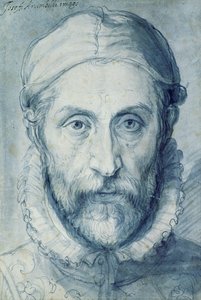
Arcimboldo
1527 - 1593 , Olaszország
Gyors információk
- Artistic Movement Or Style: Mannerizmus, Surrealizmus
- Artists Or Movements Influenced By This Artist: ['Salvador Dalí']
- Artists Who Influenced This Artist: ['Leonardo da Vinci']
- Date Of Birth: 1527. ápril 5.
- Date Of Death: 1593. július 11.
- Full Name: Giuseppe Arcimboldo
- Nationality: Olasz
- Notable Artworks:
- A négy évszak
- Könyvtár
- Vertumnus
- Place Of Birth: Milan, Olaszország
Kapcsolódó cikkek

Barokk dráma: A nagyság és az érzelem bevonása a kortárs belső terekbe
Fedezze fel a barokk stílus nagyságát és drámáját! Ismerje meg a belsőépítészet jellegzetességeit, inspirálódjon híres enteriőrökből, és valósítsa meg álmai luxus otthonát szakértő útmutatásunkkal.

The Enduring Power of Painting: A Historical & Contemporary Exploration of Form and Emotion
Explore the rich history & enduring techniques of oil painting with AllPaintingsStore. Discover masterpieces, learn about art collecting, and find authentic handmade reproductions crafted by skilled artists.

A Barokk Mesterek 10 Legikonikusabb Remekműve – AllPaintingsStore.com
Fedezze fel a barokk művészet 10 legpártosabb remekművét! Caravaggio, Rembrandt és Vermeer alkotásainak története – AllPaintingsStore.com kínálatában exkluzív reprodukciók és inspiráló dekorációs ötletek várják Önt. Nézze meg most!

The Grandeur of Baroque Portraiture: Power, Emotion & Artistic Innovation
Explore the grandeur of Baroque portraiture! Discover Rubens, Van Dyck & the masters of 17th-century art. Uncover symbolism, techniques & lasting influence. Expert insights for collectors and enthusiasts.

The Dramatic Flourish: Exploring the Baroque Movement's Enduring Legacy in Art History
Explore the dramatic world of Baroque art! Discover iconic artists like Caravaggio & Rubens, defining techniques, and its lasting impact on art history. Expert insights for collectors & enthusiasts at AllPaintingsStore.


