


 Előnézet
 Megosztás
 Megosztás
 Részletek
 Útmutató

 Letöltés
 Hasonló darabok
 X-ray felvétel
 Diavetítés
 Statisztika
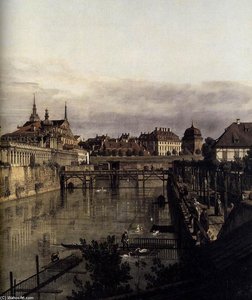
The Kreuzkirche in Dresden
 Oil
Oil- WallArt
- Baroque
 1747
1747 196.0 x 186.0 cm
 Gemäldegalerie Alte Meister
 Tovább olvasom
Kézzel készített olajfestmény reprodukció
Kézzel festett olajvastú vászon, az Ön által választott méretben és keretben, művészeink készítik meglévőre. ( Váltás nyomtatványra Áttérés digitális képre)




P118B $10

P118H $10

P118W $10

P438Z $10

P508JH $12

P508YH $12

P805H $10

P805Z $10

P919BZ $10

P919G $10

P919XJ $10

P959ZH $10

P968JZ $12

W106C $8

W218G $10

W218JH $8

W218Y $10

W307PJ $10

W316G $10

W316PJ $8

W316Y $10

W398PJ $8

W4111J $10

W500HY $15

W500JH $15

W692G $12

W849H $8

W940BG $15

W953PJ $8




Válasszon előre meghatározott méreteink közül, amelyek megfelelnek a műalkotás eredeti arányainak.

Ön megadhat saját méreteket egy adott kerethez vagy térhez igazításhoz. Ha a kiválasztott méret nem egyezik az eredeti kép arányával, akkor a műalkotást levágjuk, vagy további kézzel festett elemekkel meghosszabbítjuk a festményt. A gyártás megkezdése előtt küldünk Önnek egy digitális előnézetet jóváhagyásra.
Kérjük, vegye figyelembe, hogy a képernyőn megjelenő előnézet nem tükrözi a tényleges vágást vagy kiterjesztést. Csak az előnézet fog pontosan mutatni a végső kompozíciót.
Bár egyedi méretek állnak rendelkezésre, javasoljuk, hogy válasszon egy méretet az előre meghatározott listából az eredeti arányok megőrzése érdekében.
A rendelést követően a AllPaintingsStore.com csapata e-mailt küld az ügyfélnek az instrukciókért, és biztosít egy előnézeti képet (mockup).
Világszerte elérhető szállítás () 3-4 hét alatt a szokásos 5 hét helyett. (21 szeptember). A minőség nem kérdőjelezhető.

Ingyenes globális expressz szállítás

Prémium minőségű len vászon

Teljes körű szállítási biztosítás

Vámvisszatérítési Garancia

Tökéletes színarányosság garancia

100 napos visszaküldési garancia (csak gyártási hibás termékek esetén)

100% pénzvisszatérítési garancia

Több darab vásárlásakor kedvezmény
 Az üvegkeretes opció csak 110 cm alatti méretben érhető el

The Kreuzkirche in Dresden
Reprodukciós technika
Reprodukció méretei
-


Összesített ár
$ 333
Bernardo Bellotto’s Dresden: A Frozen Moment of Ruin
Bernardo Bellotto's "The Kreuzkirche in Dresden" (1747) isn’t merely a cityscape; it’s a poignant tableau capturing a fleeting moment suspended between grandeur and devastation. This meticulously rendered oil painting offers a remarkably intimate glimpse into the heart of 18th-century Dresden, Germany, a city poised on the brink of profound change. Bellotto, a Venetian artist renowned for his detailed depictions of urban landscapes – often referred to as “vedute” – masterfully captures not just the physical appearance of the city but also its atmosphere and the subtle anxieties simmering beneath its opulent facade. The painting’s enduring power lies in its ability to evoke a sense of melancholy beauty, transforming a scene of destruction into a compelling work of art.- A City on the Verge: Bellotto's Dresden is not the vibrant capital we know today. Just a few years before this painting was completed, the city had been ravaged by war and fire during the Seven Years’ War. The imposing Kreuzkirche (Holy Church), dominating the skyline with its towering spire, stood as a testament to both the city’s resilience and its vulnerability. The painting itself is a record of this precarious state – a visual echo of the recent trauma.
- Baroque Precision, Dutch Sensitivity: Bellotto's style blends the rigorous precision characteristic of Baroque art with the softer, more atmospheric qualities associated with Dutch Golden Age painters. The buildings are rendered with remarkable accuracy, their architectural details painstakingly observed and faithfully reproduced. Yet, there’s a subtle sense of distance, an almost dreamlike quality that softens the hard edges of the architecture and imbues the scene with a contemplative mood.
The Tower as Symbol: Authority and Loss
At the painting's center stands the Kreuzkirche’s tower, a monumental structure that immediately commands attention. Bellotto doesn’t shy away from depicting its imposing scale, emphasizing its vertical thrust against the relatively flat horizon. This towering presence is not simply decorative; it functions as a potent symbol of civic authority and religious power – hallmarks of Dresden under the rule of Augustus III, Elector of Saxony. However, the tower's dramatic collapse in 1765, depicted in a later work by Bellotto, transforms this symbol into one of loss and vulnerability. The painting thus becomes a meditation on the impermanence of even the most formidable structures, reflecting the broader anxieties about political stability and military conflict that gripped Europe at the time. Historical Context:** The Seven Years’ War (1756-1763) had a devastating impact on Saxony, leaving the region economically weakened and politically vulnerable. Bellotto's Dresden series, including this view of the Kreuzkirche, served as a crucial record of the city's pre-war beauty – a visual archive intended to preserve its memory before it was irrevocably altered by destruction. The painting itself is therefore not just a depiction of a cityscape; it’s a testament to a lost world and a poignant reminder of the fragility of human endeavors.Technique and Light: A Masterclass in Observation
Bellotto's skill as an artist lies not only in his ability to accurately represent architectural details but also in his masterful use of light and perspective. The painting is bathed in a diffused, almost ethereal light that creates a sense of depth and atmosphere. Linear perspective guides the viewer’s eye through the scene, drawing them into the bustling streetscape and revealing the intricate layers of urban life. Bellotto employed a technique known as “glazing,” applying thin layers of oil paint to build up color and luminosity gradually. This meticulous approach allowed him to achieve remarkable detail while maintaining a sense of atmospheric depth and realism. The subtle variations in tone and texture create a remarkably tactile quality, inviting the viewer to almost feel the roughness of the cobblestones beneath their feet and the warmth of the sunlight on the buildings’ facades.- Detailed Observation: Bellotto's meticulous attention to detail is evident throughout the painting – from the individual bricks in the buildings to the folds of the clothing worn by the figures in the street.
- Atmospheric Perspective: The use of atmospheric perspective creates a sense of depth and distance, with objects appearing smaller and paler as they recede into the background.
A Frozen Moment – A Legacy of Preservation
“The Kreuzkirche in Dresden” is more than just a beautiful painting; it’s a historical document, a technical masterpiece, and an emotionally resonant work of art. Bellotto's dedication to capturing the essence of urban life—particularly in the face of impending disaster—makes this painting profoundly moving. It serves as a poignant reminder of the ephemeral nature of beauty and power, while simultaneously celebrating the enduring spirit of human creativity. Today, reproductions of this iconic image continue to inspire awe and contemplation, offering viewers a glimpse into a lost world and a powerful meditation on the passage of time.Hasonló műalkotások




A művész életrajza
Korai élete és képzése
Bernardo Bellotto, híres olasz festő volt, aki körülbelül 1721/2-én vagy 1721. január 30-án született a Bécsen. A híres Giovanni Antonio Canaletto nevében ismert festő gondogyne és tanulója volt, aki kiemelkedő szerepet játszott a bécsi művészeti iskolában.Művészeti stílusa és karrierje
Bellotto művészeti stílusát az építészeti és természetes tájak részletes ábrázolása jellemezte, valamint minden hely egyedi fényviszonyainak megfogalmazása. Kiváló képességéről ismerte a városi tájak lényegének megfogásában, ami számos európai királyra szóló meghíváshoz vezetett.- Római utazásra mert (1742), és Észak-Olaszországba (1744-1745), majd később Dresdenbe költözött a polnák VIII. Águstus király kérésére (1747-1758).
- Dresdeni munkái megőrizték a város háború előtti szépségét, amelyet ma már elpusztították.
- Empress Maria Teresa meghívása alapján dolgozott Bécsben (1758), ahol a város emlékműveit festette.
Kiemelt művei és öröksége
Bellotto kiemelkedő művei közé tartozik:- A nagy-csarnok nézete: Santa Maria della Salute és a Dogana a Campo Santa Maria Zobenigóból (1743)
- Architektonikus capriccio Bellottó önportréjével bécsi nemes öltözékében
Múzeumok és gyűjtemények
Bellotto műveit számos múzeumban lehet látni, köztük az Olaszországban található Pinacoteca di Vicenzát. Ha több műalkotását szeretné megismerni, látogasson el [https://AllPaintingsStore.com/@/bernardo bellotto](https://AllPaintingsStore.com/@/bernardo bellotto) és fedezze fel a művészet világát.Források
* /hu/art/show/art-d3baj3-hu/ * [https://www.wikiart.org/en/bernardo-bellotto/](https://www.wikiart.org/en/bernardo-bellotto/) * [https://fr.wikipedia.org/wiki/bernardo_bellotto](https://fr.wikipedia.org/wiki/bernardo_bellotto)
Bernardo Bellotto
1721 - 1780 , Olaszország
Gyors információk
- Artistic Movement Or Style: Veduta festészet
- Artists Or Movements Influenced By This Artist: ['Városépítés']
- Artists Who Influenced This Artist: ['Giovanni Canaletto']
- Date Of Birth: 1721 körül
- Date Of Death: 1780
- Full Name: Bernardo Bellotto
- Nationality: Olasz
- Notable Artworks:
- Grand Canal nézet
- Építészeti capriccio
- Place Of Birth (City And Country): Velence, Olaszország
Kapcsolódó cikkek
Golden Age Reflections: Dutch Baroque Painting & Cultural Innovation
Explore the Dutch Golden Age of painting! Discover key artists like Vermeer & ter Borch, their innovative techniques, and the rich cultural context behind these Baroque masterpieces. Learn about collecting & appreciating this iconic art period.

Mastering Light & Shadow: A Journey Through the Dutch Golden Age's Luminous Legacy
Embark on a cultural journey through the Dutch Golden Age. Explore the masterful interplay of light and shadow in 17th-century masterpieces, from Rembrandt to Vermeer, and discover how this era of profound realism continues to inspire fine art collectors today.
A Hollandi Aranykor 10 Mesterműve: Festmények, Amelyek Megváltoztatták a Világot | AllPaintingsStore.com
Fedezze fel a Hollandi Aranykor 10 legikonikusabb műalkotását! Rembrandt, Vermeer és más mesterek festményeinek történeteit olvassa el. Barokk stílus, klasszikus művészet – inspirálódjon otthon dekorációjához a AllPaintingsStore.com-on! Fedezze fel a teljes gyűjteményt online.

Golden Light & Dutch Skies: The Timeless Magic of Dutch Golden Age Landscapes
Discover the breathtaking beauty of Dutch Golden Age landscapes. Explore the mastery of light, chiaroscuro, and 17th-century realism through an expert art history lens, celebrating the enduring legacy of the Dutch Masters for discerning collectors and art lovers.

Illuminating Innovation: Exploring the Dutch Golden Age of Painting
Explore the Dutch Golden Age of painting with AllPaintingsStore. Discover Rembrandt, Vermeer & other Masters. Learn about key characteristics, iconic artworks, and lasting influence. Expert insights for collectors & enthusiasts.


