


 Megtekintés
 Küldés
 Megosztás
 Részletek
 Útmutató

 Letöltés
 Hasonló darabok
 X-ray felvétel
 Diavetítés
 Q&A
Q&A Statisztika
The Toothpuller
 Baroque Dramatic Intensity
 1608
1608 140.0 x 195.0 cm
 Összes részlet megjelenítése
Giclée / Műnyomat
Múzeumi minőségű giclée vagy vászonnyomat, gyors gyártással és rugalmas finomítási lehetőségekkel. ( Kézzel festett másolat rendelése Áttérés digitális képre)




P118B Ft10

P118H Ft10

P118W Ft10

P438Z Ft10

P508JH Ft12

P508YH Ft12

P805H Ft10

P805Z Ft10

P919BZ Ft10

P919G Ft10

P919XJ Ft10

P959ZH Ft10

P968JZ Ft12

W106C Ft8

W218G Ft10

W218JH Ft8

W218Y Ft10

W307PJ Ft10

W316G Ft10

W316PJ Ft8

W316Y Ft10

W398PJ Ft8

W4111J Ft10

W500HY Ft15

W500JH Ft15

W692G Ft12

W849H Ft8

W940BG Ft15

W953PJ Ft8




Válasszon előre meghatározott méreteink közül, amelyek megfelelnek a műalkotás eredeti arányainak.

Írja be a keretének vagy a falának megfelelő szélességet és magasságot. A nyomatot csak le lehet vágni, soha nem tehető nagyobbá, mint az eredeti kép, így egy eltérő alakú méretnél a kép egy része elveszik. Mielőtt bármit kinyatintanánk, küldünk egy digitális próbamodellt jóváhagyásra. Az oldalon látható kép nem tartalmazza a valós levágást — ezt csak a próbamodell mutatja meg.
Világszerte történő kiszállítás területére mindössze 2 hét alatt, a szokásos 4-5 hét helyett. (30 október)

Ingyenes globális expressz szállítás

Prémium minőségű len vászon

Teljes körű szállítási biztosítás

Vámvisszatérítési Garancia

Hiteles színarányosság garancia

100 napos visszaküldési lehetőség (csak hibás termékek esetén)

100% pénzvisszatérítési garancia

Több darab vásárlásakor kedvezmény
 Az üvegkeretes opció csak 110 cm alatti méretben érhető el

The Toothpuller
Giclée / Műnyomat
Reprodukció mérete
-


Összesített ár
Ft 20926
A Portrait of Painful Reality: Exploring Caravaggio’s “The Toothpuller”
Caravaggio, Michelangelo Merisi da Caravaggio (1571–1610), stands as one of the most transformative figures in Baroque art—a painter who irrevocably altered the course of artistic expression. Born amidst the turbulent backdrop of Milanese plague and familial tragedy, his early life instilled within him a profound understanding of human vulnerability, an empathy that would become inextricably woven into the fabric of his oeuvre. His formative years under Simone Peterzano honed his technical skills while simultaneously nurturing a rebellious impulse—a desire to break free from established conventions and forge his own path toward artistic innovation. It was Rome, arriving around 1592, where Caravaggio truly blossomed, establishing himself as a prodigious talent despite facing considerable difficulties and navigating the complexities of papal patronage.- Subject Matter: The painting depicts an unflinching portrayal of medical practice—specifically, the extraction of teeth—captured in a moment of intense concentration. A man wielding pliers meticulously removes a tooth from another’s mouth, surrounded by onlookers who observe with varying expressions of concern and fascination.
- Style & Technique: Caravaggio's signature style is characterized by dramatic chiaroscuro – the masterful manipulation of light and dark—creating an illusionistic depth that transcends mere representation. This technique isn’t merely decorative; it serves as a conduit for conveying emotion, highlighting the faces of the participants and amplifying the palpable tension within the scene.
Historical Context: The Baroque Embrace of Naturalism
The painting emerged during the height of the Baroque period (roughly 1600–1750), a movement that prioritized grandeur, emotion, and theatricality. Caravaggio’s decision to depict such an ordinary act—tooth extraction—with extraordinary realism was revolutionary for its time. Unlike earlier artists who favored idealized depictions of human figures, Caravaggio sought to capture the gritty realities of everyday life, mirroring the spirit of the era's fascination with observation and psychological insight.- Symbolism: Beyond its depiction of medical procedure, “The Toothpuller” speaks to broader themes of suffering, resilience, and human connection. The expressions on the faces of the onlookers convey empathy and apprehension—a testament to Caravaggio’s ability to elicit profound emotional responses from his audience.
- Influence: Caravaggio's influence extended far beyond his immediate contemporaries. His groundbreaking technique paved the way for subsequent artists like Rembrandt and Vermeer, who embraced chiaroscuro and psychological realism as hallmarks of their own artistic vision. Notably, Judith Beheading Holofernes (detail), showcases similar dramatic lighting and compositional choices.
Emotional Impact: Capturing the Essence of Human Experience
“The Toothpuller” transcends mere visual representation; it achieves an unparalleled level of emotional resonance. Caravaggio’s masterful use of light and shadow doesn't simply illuminate the scene—it plunges viewers into its atmosphere, immersing them in the discomfort and anxiety experienced by those involved. The painting compels us to confront uncomfortable truths about human vulnerability and resilience, reminding us that beauty can reside even within scenes of pain.A reproduction of “The Toothpuller” offers an exceptional opportunity to bring Caravaggio’s visionary artistry into your home or workspace—a tangible connection to a pivotal moment in art history and a celebration of the enduring power of realistic depiction.
Kérdések és válaszok
A „The Toothpuller” 1608-es dátuma Caravaggio pályájának mely szakaszára tekintthető?
A "The Toothpuller", amely 1608 évben készült, Caravaggio pályájának Mature Baroque szakaszába tartozik.
Milyen témák jelennek meg a(z) „The Toothpuller”, Caravaggio alkotása alkotásban?
„The Toothpuller”, Caravaggio alkotása a következőket ábrázolja: dentistry pain extraction, baroque drama, human suffering, medical practice, chiaroscuro lighting, social gathering, roman baroque.
Megrendelhető-e a "The Toothpuller" olajfestmény kézzel festett másolata?
A „The Toothpuller”, Caravaggio alkotása kézzel festett reprodukcióját közvetlenül a(z) Kézzel festett másolat oldalon is megrendelheti: kézzel festett olajfesték reprodukció lino vászonon, egyedi igény szerinti gyártással.
Hasonló műalkotások


A művész életrajza
Egy Élet az Árnyék és a Fény között
Michelangelo Merisi da Caravaggio, akinek neve összefonódott a barokk festészet drámai intenzitásával, 1571-ben született Milánóban, egy olyan korszakban, amely tele volt művészi virágzással és társadalmi felfordulásokkal. Korai évei veszteséggel voltak terheltek; a pestis elpusztította szülővárosát, hatéves korában elvesztve apját és nagypapáját. Viszonylagos szegénységben nevelkedett, Michelangelo fiatal éveiben mély tudatosság alakult ki az emberi szenvedéssel és ellenállóképességgel kapcsolatban – témák, amelyek később vásznait uralták. Művészi képzését Milánóban kezdte Simone Peterzano alatt, Titian egykori tanítványánál, elsajátítva a reneszánsztudás alapjait, de már ekkor is látszott egy lázadó szellem, amely hamarosan meg fogja törni a hagyományos normákat. Ez a tanulószerződés szilárd alapot biztosított, ám Rómában, körülbelül 1592-ben érkezve találta meg igazán hangját, bár kezdeti küzdelmek és nehézségek nélkül nem is. A város, a művészeti pártfogáság és vallási izgalom élénk központja, egyaránt vonzó és kegyetlen volt az ambiciózus fiatal festő számára.Forradalmasító Látásmód: Technika és Stílus
Caravaggio megérkezése Rómába a művészet világában földrengést jelentett. Elutasította a korábbi manierista stílust – amelyet mesterképességével és nyújtott formáival jellemeztek – egy kompromisszumot nem ismerő realizmus javára, amely megdöbbentette és lenyűgözte a közönséget. Legmeghatározóbb újítása volt a chiaroscuro mesteri használata, a fény és sötétség drámai kontrasztja, amelyet egyedülálló kifejező erőre emelt. Ez a technika, gyakran tenebrizmus néven ismert, nem csupán esztétikai választás volt; az érzelmi hatás fokozásának eszköze volt, bevonva a nézőt a jelenet szívébe, és képi alakjait tapintható jelenlétével átitatva. Elutasította az idealizált ábrázolásokat, ehelyett a mindennapi embereket – gyakran Róma utcáiról – használta vallási figurák modelljeiként. Ez radikális megközelítés megkérdőjelezte a szépség és szentség hagyományos fogalmait, így téve a szentet kapcsolhatóvá és mélyen emberivé. Kompozíciói gyakran szűkek és közvetlenek voltak, intenzív drámai pillanatokra összpontosítva, legyen szó "A Keresztfogás" brutális realizmusáról vagy "Szent Ferenc asszisziói extázis" csendes elmélkedéséről.Főbb Művei és Tartós Hatása
Viszonylag rövid pályafutása során Caravaggio olyan munkákat alkotott, amelyek a mai napig rezonálnak a közönséggel. Korai művei, mint például "A Jövőkártya" (1594), tehetségét mutatják a realista részletek és pszichológiai árnyalatok megragadásában. A londoni National Galleryben található "Emmausi vacsora" (1601-1602) példázza a chiaroscuro elsajátítását és a bibliai narratíván belüli mély érzelmi mélység közvetítésének képességét. A "Dávid Goliát fejével" (kb. 1610) különösen kísérteties, gyakran önarcképként értelmezik, amely Caravaggio saját nyugtalan lelkiállapotát tükrözi. Hatása messze túlnyúlt Olaszország határain, inspirálva a "caravaggisták" vagy „árnyékfestők” egy generációját, akik Európa-szerte átvették stílusát. Neves követői közé tartozott Peter Paul Rubens, Jusepe de Ribera és Gerrit van Honthorst, mindegyikük Caravaggio technikáit saját egyedi művészi látásmódjához igazította.Zűrzavaros Élet és Tartós Örökség
Caravaggio élete ugyanolyan drámai és viharos volt, mint a művészete. Volatil temperamentuma és verekedések iránti hajlama gyakran bajba keverte a törvénnyel, 1606-ban egy gyilkossági váddal végződött, ami arra kényszerítette, hogy elmeneküljön Rómából. A következő négy évét Nápolyban, Máltán és Szicíliában töltötte, festett, miközben kétségbeesetten keresett pápai kegyelmet. Erfőlésének ellenére bűnös maradt, múltja kísértette és személyes konfliktusok sújtották. 1610-ben halt meg Porto Ercoleban, Olaszországban rejtélyes körülmények között – halálának oka máig vitatott, a láztól a mérgezésig terjedő elméletekkel. Rövid élete ellenére Caravaggio művészeti öröksége tanúbizonyságát teszi forradalmasító látásmódjáról és a realizmus iránti töretlen elkötelezettségéről. Megkérdőjelezte kora konvencióit, utat nyitva egy modernebb festészeti megközelítésnek, és maradandó nyomot hagyott a nyugati művészettörténetben. Művei továbbra is ámulatot keltenek és elgondolkodtatnak, emlékeztetve minket a művészet erejére, hogy megvilágítsuk az emberi létezés legsötétebb sarkait.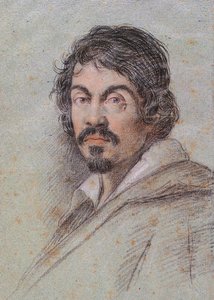
Caravaggio
1571 - 1610 , Spanyolország
Rövid információk
- Artistic Movement Or Style: Barokk, Tenebrizmus
- Artists Or Movements Influenced By This Artist:
- Rubens
- Caravaggisták
- Artists Who Influenced This Artist:
- Titian
- Leonardo da Vinci
- Date Of Birth: 1571. szeptember 29.
- Date Of Death: 1610. július 18.
- Full Name: Michelangelo Merisi da Caravaggio
- Nationality: Olasz
- Notable Artworks:
- A jövőképző
- Emmausi vacsora
- Place Of Birth (City And Country): Milánó, Spanyolország
Kapcsolódó cikkek

A Barokk Mesterek 10 Legikonikusabb Remekműve – AllPaintingsStore.com
Fedezze fel a barokk művészet 10 legpártosabb remekművét! Caravaggio, Rembrandt és Vermeer alkotásainak története – AllPaintingsStore.com kínálatában exkluzív reprodukciók és inspiráló dekorációs ötletek várják Önt. Nézze meg most!

The Dramatic Flourish: Exploring the Baroque Movement's Enduring Legacy in Art History
Explore the dramatic world of Baroque art! Discover iconic artists like Caravaggio & Rubens, defining techniques, and its lasting impact on art history. Expert insights for collectors & enthusiasts at AllPaintingsStore.

Chiaroscuro & Emotional Resonance: Exploring Dramatic Light in Western Painting
Explore the captivating world of chiaroscuro & tenebrism! Discover Caravaggio's influence, Baroque masters, and the enduring power of dramatic lighting in art history. Learn about these techniques with AllPaintingsStore.

Chiaroscuro and Soul: A Definitive Guide to the Drama and Emotion of Italian Baroque Masterpieces
Embark on a sophisticated journey through Italian Baroque art. Discover the dramatic interplay of light and emotion in Caravaggio’s masterpieces and explore how to bring this timeless grandeur into your collection with expert art insights.

The Visceral Stage: Exploring Dramatic Narratives & Emotional Intensity in Baroque Art
Explore the dramatic world of Baroque art! Discover iconic masters like Caravaggio & Rembrandt, their techniques, and the movement's lasting impact. Expert insights for collectors & enthusiasts at AllPaintingsStore.


