


 Megtekintés
 Küldés
 Megosztás
 Részletek
 Útmutató

 Letöltés
 Hasonló darabok
 X-ray felvétel
 Diavetítés
 Q&A
Q&A Statisztika
untitled (4146)

 Összes részlet megjelenítése
Giclée / Műnyomat
Múzeumi minőségű giclée vagy vászonnyomat, gyors gyártással és rugalmas finomítási lehetőségekkel. ( Kézzel festett másolat rendelése Áttérés digitális képre)




P118B Ft10

P118H Ft10

P118W Ft10

P438Z Ft10

P508JH Ft12

P508YH Ft12

P805H Ft10

P805Z Ft10

P919BZ Ft10

P919G Ft10

P919XJ Ft10

P959ZH Ft10

P968JZ Ft12

W106C Ft8

W218G Ft10

W218JH Ft8

W218Y Ft10

W307PJ Ft10

W316G Ft10

W316PJ Ft8

W316Y Ft10

W398PJ Ft8

W4111J Ft10

W500HY Ft15

W500JH Ft15

W692G Ft12

W849H Ft8

W940BG Ft15

W953PJ Ft8




Válasszon előre meghatározott méreteink közül, amelyek megfelelnek a műalkotás eredeti arányainak.

Írja be a keretének vagy a falának megfelelő szélességet és magasságot. A nyomatot csak le lehet vágni, soha nem tehető nagyobbá, mint az eredeti kép, így egy eltérő alakú méretnél a kép egy része elveszik. Mielőtt bármit kinyatintanánk, küldünk egy digitális próbamodellt jóváhagyásra. Az oldalon látható kép nem tartalmazza a valós levágást — ezt csak a próbamodell mutatja meg.
Világszerte történő kiszállítás területére mindössze 2 hét alatt, a szokásos 4-5 hét helyett. (30 október)

Ingyenes globális expressz szállítás

Prémium minőségű len vászon

Teljes körű szállítási biztosítás

Vámvisszatérítési Garancia

Hiteles színarányosság garancia

100 napos visszaküldési lehetőség (csak hibás termékek esetén)

100% pénzvisszatérítési garancia

Több darab vásárlásakor kedvezmény
 Az üvegkeretes opció csak 110 cm alatti méretben érhető el

untitled (4146)
Giclée / Műnyomat
Reprodukció mérete
-


Összesített ár
Ft 20678
A Sunset’s Embrace: Monet's Venetian Reverie
Claude Monet’s “Untitled (4146),” a captivating depiction of Venice at twilight, isn’t merely a landscape painting; it’s an immersion into the very soul of Impressionism. Painted around 1870-72, during a pivotal period in Monet's artistic development, this work embodies his revolutionary approach to capturing fleeting moments and subjective experiences of light and color. It represents a departure from traditional academic styles, firmly establishing Monet as a pioneer of modern art. The scene unfolds with an almost palpable serenity – a calm lagoon reflecting the fiery hues of a setting sun, punctuated by the gentle movement of boats and the subtle presence of human life.
Monet’s technique here is exquisitely delicate. He employs loose, broken brushstrokes—a hallmark of Impressionism—to render the shimmering surface of the water and the atmospheric haze of the twilight sky. Notice how he doesn't attempt to precisely replicate every detail; instead, he focuses on conveying the *impression* of Venice – its light, its color, its mood. The lighthouse, a towering sentinel against the horizon, isn’t rendered with sharp lines but rather as a luminous form, its reflection dissolving into the water below. This deliberate blurring and layering of colors creates an extraordinary sense of depth and atmosphere, drawing the viewer into the scene.
The Painter's Pursuit: En Plein Air and the Dawn of Impressionism
Monet’s dedication to “en plein air” painting – working directly from nature outdoors – was central to his artistic vision. Influenced profoundly by Eugène Boudin, who encouraged him to observe and paint landscapes directly from life, Monet sought to capture the ephemeral qualities of light and atmosphere with unprecedented accuracy. This commitment is vividly evident in "Untitled (4146)." The painting wasn’t created in a studio but rather on location, allowing Monet to respond instinctively to the changing conditions of the Venetian sunset. This method necessitated quick execution and a focus on immediate observation – skills he honed through countless hours spent outdoors.
The choice of Venice itself is significant. During this period, Monet was deeply fascinated by the city’s unique light and atmosphere, which he considered particularly conducive to Impressionistic painting. He frequently visited Venice, drawn to its intricate waterways, vibrant colors, and the way sunlight interacted with the architecture and water. This trip marked a turning point in his artistic journey, solidifying his commitment to capturing fleeting moments of beauty and transforming them into enduring works of art.
Symbolism and Emotional Resonance
Beyond its technical brilliance, “Untitled (4146)” resonates with a profound sense of tranquility and contemplation. The solitary figure near the center of the painting – a detail often overlooked – adds a layer of human presence to the scene, suggesting a moment of quiet reflection amidst the beauty of nature. The boats scattered across the water evoke a sense of movement and activity, while the lighthouse symbolizes guidance and stability against the backdrop of the fading light. The overall effect is one of peacefulness and nostalgia, capturing the bittersweet beauty of a fleeting moment in time.
Monet’s masterful use of color—the warm oranges and reds of the setting sun blending seamlessly with the cool blues and greens of the water—creates an emotional intensity that transcends mere representation. The painting isn't simply *showing* us Venice; it’s *evoking* a feeling – a sense of wonder, serenity, and perhaps even a touch of melancholy. It is a testament to Monet’s ability to transform light and color into powerful expressions of human emotion.
Bringing the Venetian Dream Home: A AllPaintingsStore Reproduction
AllPaintingsStore offers meticulously crafted hand-painted reproductions of “Untitled (4146),” allowing you to experience the beauty and artistry of this iconic Impressionist masterpiece in your own home. Our skilled artists replicate Monet’s delicate brushwork, vibrant colors, and atmospheric depth with exceptional precision, ensuring that your reproduction captures the essence of the original painting. Available in a range of sizes and framing options, our reproductions are perfect for art collectors, interior designers, or anyone seeking to bring a touch of Venetian elegance into their space. Explore our selection today and own a piece of art history.
View the Artwork | Learn More About Claude Monet
Kérdések és válaszok
Milyen más nevét vagy álneveit használ még Claude Monet?
Claude Monet más néven is ismert: Oscar-Claude Monet, Claude Oscar Monet.
A „untitled (4146)”, Claude Monet alkotása a keresett Impressionism művészeti alkotások közé tartozik?
A „untitled (4146)”, Claude Monet alkotása a Legendary kategóriába tartozik, és a Impressionism irányzat részeként tekinthető.
„untitled (4146)”, Claude Monet alkotása festmény, rajz vagy grafika?
A katalógusban a „untitled (4146)”, Claude Monet alkotása a WallArt kategóriába tartozik. Ez a besorolás segít hasonló művek megtalálásában.
Hasonló műalkotások


A művész életrajza
Egy élet a fényben: Claude Monet világa
Oscar-Claude Monet, az impresszionizmus szinonimája, nem csupán tájképeket festett; egy múló pillanat krónikása volt, a fény és a szín költője. 1840. november 14-én Párizsban született, élete váratlan fordulatot vett, amikor öt éves korában családja Le Havre-ba, Normandiába költözött. Bár apja kereskedelmi pályát szánt neki, Claude természetes művészi tehetsége hamar felszínre került, először helyi üzletek számára készített szénrajzokban mutatkozott meg – ez a képessége és vállalkozó szelleme egyaránt bizonyította. Azonban Eugène Boudinnel való találkozása bizonyult sorsfordító pillanatnak. Boudin nem csupán tanította Monet-t *hogyan* kell festeni; belé nevelte a forradalmas gondolatot, hogy közvetlenül a természetből, plein air – szabadban – kell festeni, egy olyan gyakorlatot, amely az egész művészi pályáját meghatározta.
Monet formális képzése Párizsban kezdődött, röviden az Académie Suisse-ben, majd Charles Gleyre műtermében. Itt tartós barátságokat kötött Auguste Renoirral és más festőkkel is, egy olyan kötelék, amelyet közös művészi frusztrációk és a hagyományos akadémiai festészet korlátainak leküzdésének vágya épített fel. Korai munkái ugyan bizonyították technikai hozzáértését, de még nem rendelkeztek azzal a jellegzetes hangvétellel, amely hamarosan stílusát jellemezte majd. Ezt követően egy viharos időszak következett – a porosz–francia háború kényszerítette Monet-t Londonba menekülni, ahol elmerült angol tájképfestők, például J.M.W. Turner műveiben, átvéve azok atmoszférikus hatásait és innovatív színhasználatát.
Egy esztétikai forradalom születése
Franciaországba való visszatérése után Monet egy virágzó művészeti lázadás központi alakjává vált. Elégedetlen a Salon konzervatív szabványaival, csatlakozott más hasonló gondolkodású művészekhez független kiállítások szervezésében. Az 1874-es kiállítás mérföldkőnek bizonyult, nemcsak Monet számára, hanem az egész művészeti világ számára. Itt mutatták be “Impression, soleil levant” (Napkelte) című festményét – a Le Havre kikötőjének ködös ábrázolását hajnalban –, amelyből eredt a gúnyos “impresszionizmus” kifejezés. Azonban a név megmaradt, és egy olyan mozgalom jelvényévé vált, amely a jelenet szubjektív *benyomását* kereste, nem pedig annak pontos ábrázolását.
Monet jellegzetes stílusa ebben az időszakban virágzott: laza, jól látható ecsetvonások, élénk és gyakran keveretlen színek egymás mellé helyezése (a “tört szín” technikája), és a fény ephemerális tulajdonságainak rögzítésére tett szüntelen kísérletek. Kitartóan gyakorolta a plein air festészetet, gyorsan dolgozva, hogy rögzítse közvetlen benyomásait, mielőtt a változó körülmények megváltoztatnák a látványt. Ez az elkötelezettség nem csupán arról szólt, hogy ábrázolja, amit *látott*, hanem arról, hogyan *érezte* magát válaszul rá – egy radikális eltérés a művészeti konvencióktól.
Giverny: A fény és a tükröződés paradicsoma
1883-ban Monet letelepedett Givernyben, Párizstől északnyugatra, létrehozva egy otthont és kertet, amely egyaránt szentélye és legnagyobb inspirációforrása lett. Gondosan alakította át a területet egy bonyolult paradicsommá, egzotikus virágokkal, gyászfűzfákkal és leghíresebb – egy japán híd által ívelő vízililiom-tóval. Ez nem csupán díszkert volt; egy élő laboratórium, ahol Monet ellenőrzött körülmények között tanulmányozhatta a fény hatását a vízre, a lombozatra és a tükröződésekre.
Élete utolsó évtizedeit szinte kizárólag Givernyben található vízililiom-tó festésének szentelte. Elindította a monumentális Vízililiomok (Nymphéas) sorozatot, hatalmas vásznakat létrehozva, amelyek a tó felületét ábrázolták egy folyamatosan változó szín és fény szöveteként. Ezek nem csupán virágfestmények voltak; magával ragadó élmények, amelyeket úgy terveztek, hogy elmerítsék a nézőt a nyugodt szépség és az elmélkedő állapothoz vezető világban. A munkák mérete lélegzetelállító, túlmutatva a hagyományos festészet határain és előrevetítve az absztrakt expresszionizmust.
Öröksége: Tartós hatás a művészettörténetre
Claude Monet hatása a művészettörténetre felmérhetetlen. Ő nemcsak az impresszionizmus alapítója volt; gyökeresen megváltoztatta azt a módot, ahogyan az művészek érzékelték és ábrázolták a körülöttük lévő világot. A szubjektív élmény hangsúlyozása, a plein air festészet ölelése és innovatív technikái utat nyitottak a modern művészet absztrakció és nem-reprezentatív formák felfedezéséhez.
Monet jelentős kereskedelmi sikert ért el élete során – ami ritkaság volt az avantgárd művészek számára ebben az időszakban. Munkái továbbra is ámulatot keltenek és világszerte lenyűgözik a közönséget, megerősítve helyét a nyugati művészet egyik legfontosabb alakjaként. 1926. december 5-én halt meg, öröksége pedig átível az alkotók generációin keresztül és a művészet szerelmeseinek szívében él tovább. Mesterei gyűjteményeinek jelentős része található a párizsi Musée d'Orsay és a Musée Marmottan Monet falai között, biztosítva, hogy látása továbbra is megvilágítsa a világot.
Kulcsfontosságú művészeti technikák
- Plein Air festészet: Központi szerepet játszott fejlődésében, lehetővé téve a fény és az atmoszféra közvetlen megfigyelését.
- Tört szín: Kis mennyiségű tiszta színek egymás mellé helyezése optikai keveredés céljából.
- Sorozatfestészet: Ugyanazon tárgy ábrázolása különböző fényviszonyok és időjárási körülmények között – a fény erejének átalakító képességének bemutatása.
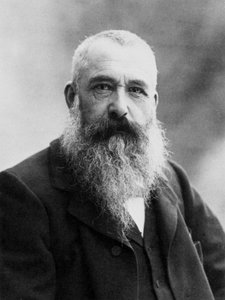
Claude Monet
1840 - 1926 , Franciaország
Rövid információk
- Artistic Movement Or Style: impresszionizmus
- Artists Or Movements Influenced By This Artist: ['Modern művészet']
- Artists Who Influenced This Artist:
- Eugène Boudin
- J.M.W. Turner
- Date Of Birth: 1840. november 14.
- Date Of Death: 1926. december 5.
- Full Name: Oscar-Claude Monet
- Nationality: francia
- Notable Artworks:
- Impression, soleil levant
- Vízililiomok
- Szénakazlak
- Place Of Birth (City And Country): Párizs, Franciaország
Kapcsolódó cikkek

Monet's Serial Vision: How Light and Time Revolutionized Modern Art
Explore the revolutionary impact of Claude Monet's serial vision. Discover how his mastery of light, color, and time transformed Impressionism from a rebellion against tradition into the foundation of modern art history.


