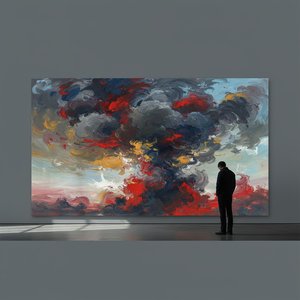
1971. Acrylic On Canvas, 202.0 x 165.0 cm. Metropolitan Művészeti Múzeum.

§ 1Katalógusadatok

- 202.0 x 165.0 cm


Ez a műalkotás szerzői jogi védelem alatt áll
Az ezen az oldalon megjelenített műalkotások szerzői jogi védelem alatt állnak, ami azt jelenti, hogy törvényileg nem készíthetünk és nem adhatunk el belőlük pontos másolatokat. Ez a védelem olyan nemzetközi megállapodások alapján érvényesül, mint például a Berni Egyezmény és a nemzeti jogszabályok által, beleértve azokat is, amelyeket meghatározott Az USA szerzői jogi törvénye – 17. cím.
Mint tiszteletes és törvényes alternatívát, olyan egyedi, kézzel festett alkotásokat kínálunk, amelyek az eredetiből merítnek inspirációt. Tapasztalt és professzionális művészeink alaposan tanulmányozzák az eredeti stílusát, hangulatát és művészeti esszenciáját, hogy egy olyan új, egyedi alkotást hozzunk létre, amely ugyanazt az érzést kelti – miközben önálló, eredeti alkotásként létezik.
Ez a módszer teljes mértékben megfelel a szerzői jogi szabályozásnak, mivel nem tartalmazza a védett műalkotás másolását vagy duplikálását. Ehelyett ez egy kreatív újinterpretáció – egy új festmény, amely az eredetivel való összefüggései miatt hatással van rá, de nem az az.
 További információk
§ 2Absztrakt
A gyűjtemény leírása
Experience Clyfford Still’s powerful Untitled (1938) – a striking black & white face painting. Explore abstract expressionism's raw emotion. Hand-painted reproduction available.
A művész életrajza
Clyfford Still (1904-1980) amerikai absztrkt ekspreszionista festő volt, akinek monumentális, nem figuratív alkotásai a élet, halál és természet témáit εξερευνálnák dinamikus színmezőkkel és szúrós formákkal. A mozgalom egyik alapító tagja, munkássága jelentős hatással volt a modern művészetre.
§ 3Magyarázat
A Descent into Color: Unpacking Clyfford Still's Untitled
Clyfford Still’s 1971 painting, “Untitled,” isn’t a landscape to be observed or a figure to be deciphered. Instead, it’s an experience—a visceral plunge into the heart of abstract expressionism, rendered with a deliberate roughness and a profound sense of urgency. The work immediately commands attention through its dominant verticality; these stark lines, painted in deep black against a bruised crimson backdrop, create a powerful division within the canvas, suggesting both containment and explosive release. This isn’t an attempt to mimic nature or represent recognizable forms; rather, Still utilizes color and line as primary languages of feeling, conveying a complex emotional state through their interaction.

The Sculptural Surface: Technique and Materiality
What initially appears as a simple color field painting reveals itself to be remarkably tactile upon closer inspection. Still’s technique is deliberately unrefined, eschewing the smooth, blended surfaces favored by some of his contemporaries. Thick, visible brushstrokes—evidence of application with palette knives or similar tools—build up layers of paint that possess an almost sculptural quality. The edges aren't neatly finished; instead, they exhibit signs of wear and tear – peeling paint, a deliberate rejection of the pristine aesthetic. This roughness isn’t accidental; it speaks to the artist’s process, his engagement with the materiality of the canvas itself, and perhaps even a reflection of the emotional turmoil he sought to express. The varying thickness of the paint—thicker in the central lines, thinner around the edges—creates subtle shifts in tone and texture, adding depth and dynamism to the composition.
A Dialogue with Abstraction: Context and Influence
Clyfford Still emerged as a pivotal figure within Abstract Expressionism, yet his approach was markedly distinct. Unlike the gestural energy of Jackson Pollock or the meditative color fields of Mark Rothko, Still’s work is characterized by its stark geometry and raw emotional intensity. Born in 1904 amidst the vast landscapes of North Dakota, his early life instilled a deep connection to the natural world – a connection that subtly informs the painting's underlying tension. His shift towards non-figurative abstraction occurred earlier than many of his peers, forging a path toward a new visual language rooted in personal experience and emotional expression. The 1971 “Untitled” exemplifies this approach, moving beyond mere color to explore the very essence of form and feeling. It’s important to note that Still deliberately distanced himself from the commercial art world later in his career, prioritizing artistic integrity over market appeal – a stance reflected in the painting's unpolished surface and uncompromising emotional directness.
Decoding the Emotion: Symbolism and Interpretation
While devoid of explicit imagery, “Untitled” is profoundly evocative. The stark vertical lines can be interpreted as barriers—divisions between states of being, perhaps—while the crimson background suggests both passion and danger. The green areas, applied more thinly, might represent moments of respite or vulnerability within this turbulent landscape. Still’s work resists easy interpretation; it invites viewers to project their own emotions and experiences onto its surface. It's a painting that demands engagement, prompting reflection on themes of isolation, struggle, and the fundamental nature of human experience. The deliberate lack of resolution—the unfinished edges, the raw texture—suggests an ongoing process, a perpetual state of becoming rather than a fixed representation.
Kérdések és válaszok
Milyen típusú alkotás a "Untitled"?
A katalógusban a „Untitled”, Clyfford Still alkotása a WallArt kategóriába tartozik. Ez a besorolás segít hasonló művek megtalálásában.
Hogyan tölthetem le a(z) „Untitled”, Clyfford Still alkotása képét?
A „Untitled”, Clyfford Still alkotása letölthető a mű Letöltés oldaláról, magas felbontású digitális kép letöltése formátumban.
A „Untitled”, Clyfford Still alkotása portré, tájékép vagy négyzet alakú kompozíció?
A „Untitled”, Clyfford Still alkotása Portrait formátumú alkotás. A formátum a kompozíció arányait határozza meg.


 Váltás nyomtatványra


 A bármely oldalsó méretét túlszálaló 105 cm (kb. 41 hüvelyk) meghaladó műalkotások vagy reprodukciók esetében a keret összeszerelhető készletként, szétszerelve kerül szállításra. Ez a módszer biztosítja a biztonságos szállítást, és megakadályozza a szállítás során fellépő sérüléseket.