


 Megosztás
 Megosztás
 Részletek
 Útmutató

 Letöltés
 Hasonló darabok
 Diavetítés
 Statisztika
La chaine simpson


 Tovább olvasom
Kézzel készített olajfestmény reprodukció
Kézzel festett olajvastú vászon, az Ön által választott méretben és keretben, művészeink készítik meglévőre. ( Váltás nyomtatványra Áttérés digitális képre)




































Válasszon előre meghatározott méreteink közül, amelyek megfelelnek a műalkotás eredeti arányainak.

Ön megadhat saját méreteket egy adott kerethez vagy térhez igazításhoz. Ha a kiválasztott méret nem egyezik az eredeti kép arányával, akkor a műalkotást levágjuk, vagy további kézzel festett elemekkel meghosszabbítjuk a festményt. A gyártás megkezdése előtt küldünk Önnek egy digitális előnézetet jóváhagyásra.
Kérjük, vegye figyelembe, hogy a képernyőn megjelenő előnézet nem tükrözi a tényleges vágást vagy kiterjesztést. Csak az előnézet fog pontosan mutatni a végső kompozíciót.
Bár egyedi méretek állnak rendelkezésre, javasoljuk, hogy válasszon egy méretet az előre meghatározott listából az eredeti arányok megőrzése érdekében.
A rendelést követően a AllPaintingsStore.com csapata e-mailt küld az ügyfélnek az instrukciókért, és biztosít egy előnézeti képet (mockup).
Világszerte elérhető szállítás () 3-4 hét alatt a szokásos 5 hét helyett. (21 szeptember). A minőség nem kérdőjelezhető.

Ingyenes globális expressz szállítás

Prémium minőségű len vászon

Teljes körű szállítási biztosítás

Vámvisszatérítési Garancia

Tökéletes színarányosság garancia

100 napos visszaküldési garancia (csak gyártási hibás termékek esetén)

100% pénzvisszatérítési garancia

Több darab vásárlásakor kedvezmény
 Az üvegkeretes opció csak 110 cm alatti méretben érhető el

La chaine simpson
Reprodukciós technika
Reprodukció méretei
-


Összesített ár
$ 258
La Chaine Simpson – A Parisian Nocturne by Toulouse-Lautrec
Henri de Toulouse-Lautrec’s “La Chaine Simpson” (1896) is far more than a simple depiction of a bicycle ride; it's a vibrant snapshot of late 19th-century Parisian life, meticulously rendered with the artist’s signature blend of observation and bohemian sensibility. This painting captures a fleeting moment in Montmartre, a district teeming with artists, performers, and the dispossessed – a world that profoundly shaped Toulouse-Lautrec’s artistic vision. The scene unfolds with an almost cinematic energy, showcasing a group of figures engaged in casual interaction around a central cyclist, his black suit a striking contrast against the bustling backdrop.
Toulouse-Lautrec's style is immediately recognizable – bold outlines defining forms, flattened perspectives that prioritize movement and atmosphere over strict realism, and a masterful use of color to evoke mood. Notice how he doesn’t attempt to portray individual faces with photographic detail; instead, he captures the *essence* of each person through gesture and expression. The figures are not merely participants in an event but embodiments of the spirit of Montmartre – a place where social boundaries blurred and artistic freedom reigned.
The Artist's Context: A Life Shaped by Difference
Born into French aristocracy, Toulouse-Lautrec’s physical difference – a consequence of a genetic condition that stunted his growth – profoundly influenced his perspective. Rather than succumbing to self-doubt, he embraced his unique vantage point, becoming an acute observer of the marginalized and unconventional figures who populated Parisian society. This empathy is palpable in “La Chaine Simpson,” where he doesn’t judge or moralize but simply presents a slice of everyday life with honesty and wit.
His aristocratic background afforded him access to artistic training – initially at the École des Beaux-Arts – yet it was his immersion in Montmartre's vibrant, often scandalous world that truly ignited his creative fire. He became a chronicler of this era, documenting its music halls, cafes, and the lives of its inhabitants with an unparalleled eye for detail and a remarkable ability to capture human emotion.
Symbolism and Movement
The bicycle itself is more than just a mode of transport; it’s a symbol of modernity and freedom. Its prominent position in the composition draws the viewer's eye, anchoring the scene while simultaneously suggesting movement and dynamism. The figures surrounding it are not static observers but active participants, engaged in conversation and shared experience. Toulouse-Lautrec expertly uses lines – the bicycle’s frame, the figures’ postures – to create a sense of flow and momentum, inviting the viewer to step into this lively Parisian tableau.
The painting's overall mood is one of relaxed conviviality, yet there’s an underlying current of urban energy. It’s a scene that speaks to the transient nature of life in Paris – a reminder that moments of connection and shared experience are fleeting but precious. “La Chaine Simpson” isn’t just a depiction of a bicycle ride; it's a meditation on human interaction, social observation, and the enduring allure of Montmartre.
Hand-Painted Reproduction: Bringing Toulouse-Lautrec to Your Space
AllPaintingsStore offers meticulously hand-painted reproductions of “La Chaine Simpson,” capturing the essence of Toulouse-Lautrec’s artistic genius. Each reproduction is created by skilled artisans who painstakingly recreate the original painting's details, color palette, and textural qualities. This ensures that your artwork will not only be a beautiful addition to your home or office but also a genuine piece of art history.
Hasonló műalkotások


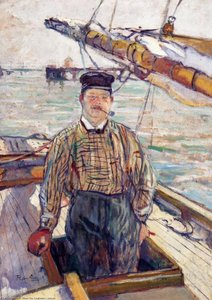
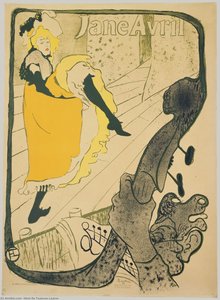

A művész életrajza
A Life Etched in Parisian Nights: The World of Henri de Toulouse-Lautrec
Henri Marie Raymond de Toulouse-Lautrec-Monfa, a name forever synonymous with the vibrant and often scandalous world of late 19th-century Paris, remains one of the most captivating figures in French art history. Born into a crumbling aristocratic lineage on November 24, 1864, in Albi, southern France, his life was a complex tapestry woven from privilege, physical limitation, artistic passion, and bohemian excess. His story is not merely that of an artist; it’s the chronicle of a man grappling with identity, societal expectations, and the very nature of perception itself. From a young age, Toulouse-Lautrec faced a profound challenge – a rare genetic condition, suspected to be pycnodysostosis, which stunted his leg growth, leaving him with a disproportionately small lower body and an adult torso. This physical difference, far from defining him in a negative way, profoundly shaped his artistic vision, fostering a deep empathy for the marginalized and a keen eye for the overlooked details of human experience.From Aristocratic Roots to Montmartre’s Bohemian Heart
Toulouse-Lautrec's formal artistic training began in Paris under the tutelage of Léon Bonnat and later Fernand Cormon. While he diligently mastered the technical skills expected of a Salon painter – achieving proficiency in drawing, composition, and color theory – it was his immersion in the intoxicating atmosphere of Montmartre that truly ignited his creative spirit. Rejecting the rigid academic focus on historical or mythological subjects prevalent at the time, he turned his attention to the everyday dramas unfolding within the city’s most notorious district: the cabarets, dance halls, and streets teeming with artists, prostitutes, performers, and gamblers. This wasn't simply a matter of observation; it was an active engagement – a desire to understand the lives and motivations of these individuals, often ignored or dismissed by polite society. He didn’t merely *paint* them; he inhabited their spaces, absorbing their rhythms, their vulnerabilities, and their resilience. His early works, while demonstrating a clear academic foundation, quickly evolved, embracing a more daring and unconventional style, heavily influenced by the vibrant and dynamic imagery of Japanese woodblock prints – a trend that was rapidly gaining popularity in Europe at the time. The flattened perspectives, bold compositions, and simplified forms of these prints provided a powerful visual vocabulary for his own unique artistic expression.The Language of Line and Color: Defining a Distinct Style
Toulouse-Lautrec’s artistic innovations are immediately apparent in his distinctive style. He was a master of line – not merely to delineate form but to convey movement, emotion, and character with remarkable precision. His lines were often loose and expressive, capturing the fleeting gestures and intense emotions of his subjects. His color palette, while frequently muted and atmospheric, possessed an extraordinary vibrancy, particularly in his depictions of gaslit streets and smoky interiors. He skillfully manipulated light and shadow to create a sense of depth and drama, drawing the viewer into the heart of the scene. Crucially, Toulouse-Lautrec’s work is characterized by its remarkable honesty – he didn't shy away from depicting the flaws, vulnerabilities, and often sordid realities of his subjects. He embraced lithography with particular enthusiasm, recognizing its potential for mass reproduction and artistic expression. This allowed his images to circulate widely, further cementing his reputation as a chronicler of modern life. His posters, advertising performers like Jane Avril and Yvette Guilbert, were not merely promotional materials; they were works of art in their own right, instantly recognizable for their dynamic compositions and striking imagery – transforming commercial design into a legitimate form of artistic expression.A Life Marked by Excess and Tragedy
Toulouse-Lautrec’s life was tragically cut short on September 9, 1901, at the age of 36, due to complications from years of alcoholism and syphilis. Despite his relatively brief career, his impact on the art world is immeasurable. He stands as a pivotal figure in the transition from Impressionism to modern art, paving the way for artists who would further explore subjective experience and psychological depth. He was considered one of the key Post-Impressionist painters alongside Cézanne, Van Gogh, Gauguin, and Seurat. His influence can be seen in everything from early 20th-century illustration to contemporary graphic design. He wasn’t just a painter; he was a social observer, a documentarian of his time, capturing the spirit of Paris with unparalleled insight and artistry. His legacy endures not only through his paintings but also through the enduring fascination with his life – a story of artistic genius intertwined with personal tragedy and a unique perspective on the human condition.Exploring Toulouse-Lautrec’s World Further
- Discover a comprehensive collection of his artwork at /en/artists/comte-henri-marie-raymond-de-toulouse-lautrec-monfa.
- Delve into the world of Post-Impressionism and its key artists at /en/art-movements/post-impressionism.
- Learn more about his life and artistic journey through resources like Wikipedia: https://en.wikipedia.org/wiki/Henri_de_Toulouse-Lautrec

comte henri marie raymond de toulouse-lautrec-monfa
1864 - 1901 , Franciaország
Gyors információk
- Artistic Movement Or Style: Posztimpresszionizmus
- Artists Or Movements Influenced By This Artist: ['Impressionizmus']
- Artists Who Influenced This Artist: ['Léon Bonnat']
- Date Of Birth: November 24, 1864
- Date Of Death: September 9, 1901
- Full Name: Henri Marie Raymond de Toulouse-Lautrec-Monfa
- Nationality: Franciaország
- Notable Artworks:
- La Blanchisseuse
- In the Wings at the Circus
- Woman in Bed — Waking
- Place Of Birth: Albi, Francia
Kapcsolódó cikkek

Theatrical Elegance: The Art Deco Genius of Erté and the Era of Fashion Illustration
Explore the theatrical elegance of Erté and the Art Deco era. Discover how his mastery of geometric line and fashion illustration can elevate luxury hospitality design through premium, hand-painted reproductions and bespoke architectural art solutions.


