- Főoldal

- Olajfestmény reprodukció
- Dante Gabriel Rossetti
- Regina Cordium or The Queen of Hearts

 Nyomat vásárlása Kép letöltése
 Megosztás
 Megosztás
 Részletek
 Kedvencekhez ad

 Letöltés
 Hasonló alkotások
 X-ray felvétel
 Diavetítés
Regina Cordium or The Queen of Hearts

 Tovább olvasom
Kézzel készített olajfestmény reprodukció
Kézzel festett olajvastú vászon, az Ön által választott méretben és keretben, művészeink készítik meglévőre.




P118B $10

P118H $10

P118W $10

P438Z $10

P508JH $12

P508YH $12

P805H $10

P805Z $10

P919BZ $10

P919G $10

P919XJ $10

P959ZH $10

P968JZ $12

W106C $8

W218G $10

W218JH $8

W218Y $10

W307PJ $10

W316G $10

W316PJ $8

W316Y $10

W398PJ $8

W4111J $10

W500HY $15

W500JH $15

W692G $12

W849H $8

W940BG $15

W953PJ $8




Válasszon előre meghatározott méreteink közül, amelyek megfelelnek a műalkotás eredeti arányainak.

Ön megadhat saját méreteket egy adott kerethez vagy térhez igazításhoz. Ha a kiválasztott méret nem egyezik az eredeti kép arányával, akkor a műalkotást levágjuk, vagy további kézzel festett elemekkel meghosszabbítjuk a festményt. A gyártás megkezdése előtt küldünk Önnek egy digitális előnézetet jóváhagyásra.
Kérjük, vegye figyelembe, hogy a képernyőn megjelenő előnézet nem tükrözi a tényleges vágást vagy kiterjesztést. Csak az előnézet fog pontosan mutatni a végső kompozíciót.
Bár egyedi méretek állnak rendelkezésre, javasoljuk, hogy válasszon egy méretet az előre meghatározott listából az eredeti arányok megőrzése érdekében.
A rendelést követően a AllPaintingsStore.com csapata e-mailt küld az ügyfélnek az instrukciókért, és biztosít egy előnézeti képet (mockup).
Világszerte elérhető szállítás () 3-4 hét alatt a szokásos 5 hét helyett. (16 július). A minőség nem kérdőjelezhető.

Ingyenes globális expressz szállítás

Prémium minőségű len vászon

Teljes szállítási biztosítás

Vámvisszatérítési Garancia

Tökéletes színpontosság garancia

60 napos visszaküldési lehetőség (csak gyártási hibák esetén)

100%-os pénzvisszatérítési garancia

Kedvezmény több termény esetén
 Az üvegkeretes opció csak 110 cm alatti méretben érhető el

Regina Cordium or The Queen of Hearts
Reprodukciós technika
A reprodukció mérete
-


Összesített ár
-
A műalkotás leírása
A Portrait of Reverie: Exploring Dante Gabriel Rossetti’s Regina Cordium
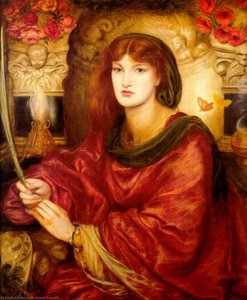
The painting “Regina Cordium,” or The Queen of Hearts, stands as a testament to the Pre-Raphaelite movement's fascination with medieval romance and its meticulous dedication to capturing idealized beauty. Created by Dante Gabriel Rossetti around 1874, this portrait transcends mere representation; it delves into psychological depth and embodies the movement’s core aesthetic principles. The artwork depicts a woman whose gaze drifts off to the left, conveying an aura of quiet contemplation—a deliberate departure from the conventional portraits of Victorian society that prioritized outward appearances.- Subject Matter: Rossetti skillfully portrays a young woman, likely modeled after Elizabeth Siddal, Rossetti’s muse and lover. The subject embodies feminine grace and vulnerability, reflecting the Pre-Raphaelite ideal of portraying women as spiritual figures rather than merely decorative objects.
- Style & Technique: Characteristic of the Pre-Raphaelites is Rossetti's masterful use of glazing—a technique where thin layers of translucent paint are applied over thicker underlayers to achieve luminous color and subtle tonal variations. This method lends the painting an ethereal quality, mirroring the movement’s preoccupation with recreating the atmosphere of medieval illuminated manuscripts.
- Color Palette: The dominant hues are warm reds – echoing the titular “Queen of Hearts” – juxtaposed against cooler tones in the background. These colors aren't merely decorative; they contribute to the painting’s emotional resonance, symbolizing passion and mystery alongside serenity and introspection.
Historical Context: Echoes of Arthurian Legend
Rossetti’s inspiration stemmed from Arthurian legend, specifically Geoffrey Chaucer’s “The Tale of Tristan.” The Queen of Hearts motif references the tarot card depicting Venus—symbolizing love, beauty, and feminine power—and aligns with the Pre-Raphaelite fascination for medieval symbolism. This artistic endeavor reflects a broader cultural yearning for spiritual contemplation amidst the materialism of Victorian England.
Symbolism Beyond Appearance
Beyond its visual splendor, “Regina Cordium” is laden with symbolic significance. The woman’s tilted head suggests an inner preoccupation—a gaze directed inward rather than outward—reflecting the Pre-Raphaelite belief in exploring psychological states alongside aesthetic beauty. Furthermore, the necklace of pearls symbolizes purity and innocence, reinforcing the idealized portrayal of femininity.
Emotional Impact & Artistic Legacy
"Regina Cordium" continues to resonate with viewers today due to its ability to evoke feelings of melancholy and longing—a hallmark of Romantic art. Rossetti’s meticulous attention to detail and his innovative glazing technique established him as a pioneer of the Pre-Raphaelite style, influencing generations of artists who sought to recapture the spirit of medieval romance and elevate painting to new heights of expressive power.
Hasonló műalkotások


A művész életrajza
A Life Immersed in Beauty: The World of Dante Gabriel Rossetti
Dante Gabriel Rossetti, born Gabriel Charles Dante Rossetti in 1828 London, was a figure profoundly shaped by the currents of his time—a Romantic spirit blossoming into the Victorian era. His lineage itself hinted at the artistic destiny that awaited him; his father, an Italian political refugee and scholar of Dante Alighieri, instilled within young Gabriel a deep reverence for literature and the arts. This early exposure, coupled with a mother who nurtured his intellectual curiosity, laid the foundation for a life dedicated to creative expression. Though initially considering a clerical career, Rossetti’s true calling lay in the realm of aesthetics—a path he would forge as a poet, illustrator, and, most notably, a painter whose works continue to captivate audiences today. His formative years were steeped in the literary giants of his age – Shakespeare, Dickens, Scott, Byron – all contributing to a rich imaginative landscape that would later define his artistic vision.The Pre-Raphaelite Rebellion and Artistic Awakening
Rossetti’s name is inextricably linked with the Pre-Raphaelite Brotherhood, a revolutionary movement he co-founded in 1848 alongside William Holman Hunt and John Everett Millais. This wasn't merely an artistic shift; it was a rebellion against the perceived artificiality of academic painting prevalent at the time. The Brotherhood sought to return to the detailed realism, vibrant colors, and spiritual intensity found in Italian and Flemish art *before* the High Renaissance – hence “Pre-Raphaelite.” This meant rejecting the idealized forms and conventional compositions favored by the Royal Academy, instead embracing a meticulous observation of nature and a commitment to truthful representation. Rossetti’s early works, such as *The Girlhood of Mary Virgin*, exemplify this dedication, showcasing an almost photographic level of detail alongside symbolic imagery drawn from religious texts. However, Rossetti's contribution extended beyond technical skill; he brought a distinctly literary sensibility to the group, often choosing subjects inspired by poetry and mythology. The Brotherhood’s manifesto wasn’t just about *how* to paint, but *what* to paint – focusing on themes of morality, spirituality, and beauty with an intensity that challenged Victorian sensibilities. The movement aimed to capture not just appearances, but also the underlying emotions and spiritual truths within each subject.Evolving Styles: Symbolism, Sensuality, and the Female Muse
As Rossetti’s career progressed, his artistic style underwent a fascinating evolution. While initially adhering to the strict tenets of Pre-Raphaelite realism, he gradually moved towards more symbolic and dreamlike imagery. His paintings became increasingly infused with sensuality, exploring themes of love, loss, and spiritual longing with an emotional depth that resonated deeply with audiences. This shift was partly influenced by his personal life, particularly his complex relationships with the women who served as his models and muses – Elizabeth Siddal, Fanny Cornforth, and Jane Morris. These women weren’t merely passive subjects; they embodied a particular aesthetic ideal for Rossetti—often depicted with flowing red hair, melancholic expressions, and an air of enigmatic beauty. Paintings like *Proserpine* are prime examples of this later style, showcasing his mastery of symbolism and his ability to evoke a sense of otherworldly allure. The rich colors, dramatic lighting, and evocative poses all contribute to the painting’s haunting atmosphere. He also began to seamlessly blend poetry and visual art, often writing sonnets to accompany his paintings, creating a unified artistic experience that engaged both the eye and the mind. *Behold the handmaid of the Lord! (The Annunciation)* is a testament to this integrated approach.Influences and Artistic Connections
Rossetti’s artistic development was profoundly shaped by a diverse range of influences. His father's deep connection to Dante Alighieri provided a constant source of inspiration, particularly in terms of themes of love, loss, and the afterlife. The poetry of John Keats and William Blake also played a significant role, imbuing his work with a sense of Romanticism and emotional intensity. He was deeply influenced by the Pre-Raphaelites’ fascination with medieval art and literature, drawing inspiration from works such as Dante's *Divine Comedy* and the legends of King Arthur. Furthermore, Rossetti maintained close relationships with other prominent artists and writers of his time, including William Morris and Edward Burne-Jones, who shared his aesthetic sensibilities and contributed to the vibrant artistic community of London. These connections fostered a dynamic exchange of ideas and influenced the development of his own unique style.Legacy and Lasting Influence
Dante Gabriel Rossetti’s impact on the art world extends far beyond his own lifetime. He was profoundly influenced by the poetry of John Keats and William Blake, as well as the Italian Renaissance masters, but he, in turn, became a major influence on subsequent generations of artists and writers. His work played a crucial role in the development of both the Aesthetic Movement and Symbolism, movements that emphasized beauty, emotion, and subjective experience above all else. Artists like William Morris and Edward Burne-Jones were deeply inspired by his aesthetic principles, incorporating them into their own distinctive styles. His emphasis on symbolism and emotional intensity also paved the way for later artistic explorations of the subconscious mind. Even today, his paintings continue to inspire artists and art lovers alike, cementing his place as one of the most important figures in 19th-century British art. He challenged conventional norms, embraced beauty in all its forms, and left behind a legacy that continues to resonate with those who seek meaning and emotion in art.A Revolutionary Spirit: Rossetti’s Historical Significance
Rossetti was more than just an artist; he was a cultural provocateur who dared to challenge the prevailing artistic conventions of his time. His emphasis on symbolism, emotion, and individual vision resonated with a generation seeking alternatives to Victorian realism. He helped pave the way for new forms of expression, encouraging artists to explore their inner worlds and embrace subjective experience. His work provides valuable insight into the cultural and intellectual currents of the 19th century—a period marked by rapid social change, scientific advancements, and a growing sense of spiritual uncertainty. Rossetti’s art reflects these anxieties and aspirations, offering a glimpse into the complex emotional landscape of his era. He remains an important figure in understanding not only the history of art but also the broader cultural context in which it was created. His enduring appeal lies in his ability to tap into universal themes of love, loss, beauty, and spirituality—themes that continue to resonate with audiences today.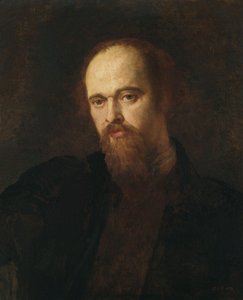
Dante Gabriel Rossetti
1828 - 1882 , Egyesült Királyság
Rövid tények
- Artistic Movement Or Style: Prerafaeliták, Szimbolizmus
- Artists Or Movements Influenced By This Artist:
- Aestheticizmus
- Szimbolista
- Artists Who Influenced This Artist:
- John Keats
- William Blake
- Date Of Birth: 1828. május 12.
- Date Of Death: 1882. április 9.
- Full Name: Dante Gabriel Rossetti
- Nationality: Angol
- Notable Artworks:
- Proserpine
- Joan of Arc
- Királyi menyasszonyok
- Az otthon
- Place Of Birth: London, Anglia
Kapcsolódó cikkek

The Verdant Gaze: Victorian Naturalism & the Aesthetic Revolution in Art
Explore the captivating world of Victorian Naturalism & the Pre-Raphaelite movement! Discover Rossetti, Burne-Jones & more iconic artists. Expert analysis & high-quality reproductions at AllPaintingsStore.

Thomas Edwin Mostyn: A Victorian Genre Painter's Journey from Realism to Romantic Enchantment
Discover the captivating world of Thomas Edwin Mostyn (1864-1930), a Victorian artist renowned for his romantic garden scenes and evocative portraits. Explore his artistic journey, legacy & find high-quality reproductions at AllPaintingsStore.
Henri Matisse 25 Mesterműve: Színek és Érzések Világa - AllPaintingsStore
Fedezze fel Henri Matisse 25 legikonikusabb művét! Ismerje meg a fauvizmus színeit, az expresszionizmus formáit és a modern művészet mesterének életművét. Vászonképek, nyomatok – inspiráció otthonába a AllPaintingsStore.com-on!

Anthony Frederick Sandys: Pre-Raphaelite Vision & Victorian Aesthetic Exploration
Discover the captivating Pre-Raphaelite world of Anthony Frederick Sandys (1829-1904). Explore his mythological scenes, portraits & Victorian artistry. Learn about his influences and lasting legacy.

A Világ Leghíresebb Festményei: Művészeti Örökségünk Legszebb Darabjai
Fedezze fel a világ leghíresebb festményeit! Ismerje meg a művészettörténet remekműveit, magyar alkotók munkáit és inspirálódjon otthona dekorációjához. Minőségi reprodukciók széles választéka!