


 Előnézet
 Megosztás
 Megosztás
 Részletek
 Útmutató

 Letöltés
 Hasonló darabok
 X-ray felvétel
 Diavetítés
 Statisztika
LANDSCAPE
 Shanshui”
 24.0 x 101.0 cm
 Tovább olvasom
Kézzel készített olajfestmény reprodukció
Kézzel festett olajvastú vászon, az Ön által választott méretben és keretben, művészeink készítik meglévőre. ( Váltás nyomtatványra Áttérés digitális képre)




































Válasszon előre meghatározott méreteink közül, amelyek megfelelnek a műalkotás eredeti arányainak.

Ön megadhat saját méreteket egy adott kerethez vagy térhez igazításhoz. Ha a kiválasztott méret nem egyezik az eredeti kép arányával, akkor a műalkotást levágjuk, vagy további kézzel festett elemekkel meghosszabbítjuk a festményt. A gyártás megkezdése előtt küldünk Önnek egy digitális előnézetet jóváhagyásra.
Kérjük, vegye figyelembe, hogy a képernyőn megjelenő előnézet nem tükrözi a tényleges vágást vagy kiterjesztést. Csak az előnézet fog pontosan mutatni a végső kompozíciót.
Bár egyedi méretek állnak rendelkezésre, javasoljuk, hogy válasszon egy méretet az előre meghatározott listából az eredeti arányok megőrzése érdekében.
A rendelést követően a AllPaintingsStore.com csapata e-mailt küld az ügyfélnek az instrukciókért, és biztosít egy előnézeti képet (mockup).
Világszerte elérhető szállítás () 3-4 hét alatt a szokásos 5 hét helyett. (21 szeptember). A minőség nem kérdőjelezhető.

Ingyenes globális expressz szállítás

Prémium minőségű len vászon

Teljes körű szállítási biztosítás

Vámvisszatérítési Garancia

Tökéletes színarányosság garancia

100 napos visszaküldési garancia (csak gyártási hibás termékek esetén)

100% pénzvisszatérítési garancia

Több darab vásárlásakor kedvezmény
 Az üvegkeretes opció csak 110 cm alatti méretben érhető el

LANDSCAPE
Reprodukciós technika
Reprodukció méretei
-


Összesített ár
$ 258
Hasonló műalkotások


A művész életrajza
A Life Dedicated to Ink: The World of Dong Qichang
Dong Qichang (1555–1636) was more than just a painter; he was the embodiment of the late Ming dynasty scholar-official, a man whose life was inextricably woven with calligraphy, painting, and a profound dedication to art theory. Born in Huating, near modern Shanghai, into a modest scholarly family, Dong’s early ambition lay not in artistic pursuits but in securing a position within the imperial bureaucracy. His initial attempts at the civil service examinations proved unsuccessful, largely due to his perceived clumsiness in calligraphy – an irony considering he would later become celebrated as one of China's greatest calligraphers. This setback spurred him into rigorous self-improvement, mastering not only brushwork but also the rich traditions of Chinese literary and artistic expression.
Dong’s perseverance paid off when he passed the highest level of the imperial examinations at age 34, launching a career that saw him rise through the ranks of the Ming government. However, his official life was not without its turbulence. He faced controversies stemming from his uncompromising standards and occasionally abrasive personality, leading to periods of retirement and even an incident where his home was attacked by an angry mob after he reportedly insulted women seeking redress for grievances. Despite these challenges, Dong remained steadfast in his artistic pursuits, viewing them as integral to his identity and a means of expressing his deeply held philosophical beliefs.
The Two Schools and the Southern Ideal
Dong Qichang’s most enduring legacy lies not solely in his paintings but in his groundbreaking art theory. He posited a division within Chinese landscape painting into two distinct schools: the “Northern School” and the “Southern School.” This categorization, initially suggested by his friend Mo Shilong, wasn't based on geography but rather on philosophical underpinnings rooted in Chan Buddhism. The Northern School, he argued, emphasized meticulous detail, vibrant colors, and a gradual acquisition of skill – focusing on technical proficiency and appealing to broader tastes. In contrast, the Southern School prioritized expressive brushwork, calligraphic spontaneity, and an intuitive grasp of essence, embodying the spirit of scholar-amateurs who painted for self-cultivation rather than commercial gain.
He championed the Southern School as the true heir to Chinese artistic tradition, believing its practitioners achieved a more profound understanding through direct expression. Central to this ideal was calligraphy itself – seen not merely as decorative writing but as a manifestation of the artist’s inner character and spiritual state. Dong admired masters like Mi Fu and Ni Zan, viewing them as exemplars of this individualistic style. He believed that artists should build upon the foundations laid by these predecessors, transforming tradition rather than simply imitating it, achieving a form of “sudden enlightenment” through their work.
A Unique Landscape Style: Distortion and Expression
Dong Qichang’s own paintings reflect his theoretical convictions. He deliberately avoided slickness or sentimentality, opting instead for landscapes characterized by intentionally distorted spatial features and a focus on expressive brushwork. While rooted in the traditions of earlier Yuan dynasty masters – particularly the “Four Masters” – his work was distinctly personal. He wasn't striving for photographic realism but rather for an evocation of atmosphere, mood, and spiritual resonance.
His sketchbook, containing early studies of rocks and trees, provides a rare glimpse into his analytical process. These deceptively simple sketches reveal his meticulous observation of nature and his exploration of different compositional possibilities. Mature works like “Autumn Mountains” showcase his masterful ink wash technique, creating serene landscapes that invite contemplation. His paintings often feature towering mountains shrouded in mist, winding rivers, and sparsely populated scenes – all rendered with a delicate balance of control and spontaneity.
Legacy and Influence
Dong Qichang’s influence on subsequent generations of Chinese artists was profound. His theories regarding the Northern and Southern schools became deeply ingrained in aesthetic discourse, shaping the direction of landscape painting for centuries to come. He inspired a wave of “individualist” painters who sought to emulate his expressive style and philosophical approach.
The early Qing dynasty witnessed the rise of several prominent artists – including the “Four Monks” and the “Four Wangs” – who were directly influenced by Dong’s work. Collectors, particularly those in affluent regions like Sungchiang and Yangchou, eagerly sought out his paintings and those of his followers, further solidifying his reputation as a master. Even today, Dong Qichang is revered as one of the most important figures in Chinese art history – a scholar-official whose dedication to ink and brush transformed not only painting but also the very way artists understood their place within tradition.
- Major Themes: Scholar culture, Chan Buddhism, landscape aesthetics, individual expression
- Influences: Zhao Mengfu, Wen Zhengming, Mi Fu, Ni Zan, Yuan Dynasty Masters
- Key Characteristics: Distorted spatial features, expressive brushwork, ink wash technique, calligraphic spontaneity

dong qichang
1555 - 1636
Gyors információk
- Artistic Movement Or Style: Literati painting
- Artists Or Movements Influenced By This Artist:
- Qing Dynasty artists
- Individualist painters
- Artists Who Influenced This Artist:
- Zhao Mengfu
- Wen Zhengming
- Mi Fu
- Ni Zan
- Date Of Birth: 1555
- Date Of Death: 1636
- Full Name: Dong Qichang
- Nationality: Chinese
- Notable Artworks:
- Autumn Mountains
- Shaded Dwellings
- Landscapes and Poems
- Place Of Birth: Huating, China
Kapcsolódó cikkek

John Constable 25 Mesterműve: A Természet Lényege Vászonon – AllPaintingsStore.com
Fedezze fel John Constable 25 legszebb művészeti alkotását! Ismerje meg a romantika ikonikus tájképeit, Dedham Vale szépségét és a természet lenyűgöző ábrázolásait. Vászonkép reprodukcióinkkal eleganciát csempészhet otthonába – AllPaintingsStore.com

Evocations of Place: A Historical Journey Through Landscape Art
Explore the rich history of landscape art with AllPaintingsStore. Discover renowned artists, movements like Impressionism & Romanticism, and expert guidance for collecting timeless pieces. Find your perfect serene escape today!

A Romantikus Tájképfestészet 10 Legikonikusabb Műalkotása – AllPaintingsStore.com
Fedezze fel a romantikus tájképfestészet 10 legikonikusabb műalkotását! Caspar David Friedrich, J.M.W. Turner és más mesterek festményeinek története – inspiráló olajfestmények otthonába. AllPaintingsStore.com: múzeumi minőségű reprodukciók és egyedi dekorációk online.

Evocations of Place: A Historical Journey Through Landscape Art
Explore the rich history of landscape art with AllPaintingsStore. Discover renowned artists, movements like Impressionism & tonalism, and expert guidance for collecting timeless pieces. Find your perfect serene escape today!
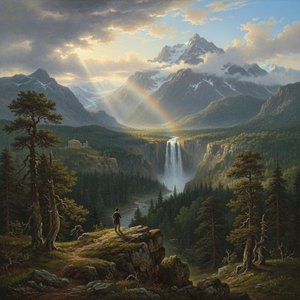
Evoking Nature's Sublime: A Comprehensive Exploration of 19th-Century Landscape Painting
Explore the captivating world of 19th-century landscape painting! Discover renowned artists like Friedrich & Monet, key movements, and find the perfect artwork to bring nature's serenity into your home. Expert insights at AllPaintingsStore.

