Megtekintés
 Küldés
 Megosztás
 Részletek
 Útmutató

 Letöltés
 Hasonló darabok
 X-ray felvétel
 Diavetítés
 Statisztika
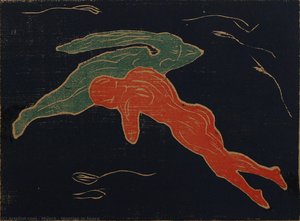
Salome II


 Összes részlet megjelenítése
Giclée / Műnyomat
Múzeumi minőségű giclée vagy vászonnyomat, gyors gyártással és rugalmas finomítási lehetőségekkel. ( Kézzel festett másolat rendelése Áttérés digitális képre)




P118B Ft10

P118H Ft10

P118W Ft10

P438Z Ft10

P508JH Ft12

P508YH Ft12

P805H Ft10

P805Z Ft10

P919BZ Ft10

P919G Ft10

P919XJ Ft10

P959ZH Ft10

P968JZ Ft12

W106C Ft8

W218G Ft10

W218JH Ft8

W218Y Ft10

W307PJ Ft10

W316G Ft10

W316PJ Ft8

W316Y Ft10

W398PJ Ft8

W4111J Ft10

W500HY Ft15

W500JH Ft15

W692G Ft12

W849H Ft8

W940BG Ft15

W953PJ Ft8




Válasszon előre meghatározott méreteink közül, amelyek megfelelnek a műalkotás eredeti arányainak.

Írja be a keretének vagy a falának megfelelő szélességet és magasságot. A nyomatot csak le lehet vágni, soha nem tehető nagyobbá, mint az eredeti kép, így egy eltérő alakú méretnél a kép egy része elveszik. Mielőtt bármit kinyatintanánk, küldünk egy digitális próbamodellt jóváhagyásra. Az oldalon látható kép nem tartalmazza a valós levágást — ezt csak a próbamodell mutatja meg.
Világszerte történő kiszállítás területére mindössze 2 hét alatt, a szokásos 4-5 hét helyett. (27 október)

Ingyenes globális expressz szállítás

Prémium minőségű len vászon

Teljes körű szállítási biztosítás

Vámvisszatérítési Garancia

Hiteles színarányosság garancia

100 napos visszaküldési lehetőség (csak hibás termékek esetén)

100% pénzvisszatérítési garancia

Több darab vásárlásakor kedvezmény
 Az üvegkeretes opció csak 110 cm alatti méretben érhető el

Salome II
Giclée / Műnyomat
Reprodukció mérete
-


Összesített ár
Ft 20661
Salome II: A Descent into Melancholy – An Exploration of Edvard Munch’s Haunting Vision
Edvard Munch's "Salome II," painted in 1905, isn’t merely a depiction of a biblical scene; it’s a visceral plunge into the artist’s own tormented psyche. This arresting black and white drawing, rendered with a deliberate roughness reminiscent of charcoal or pencil, captures a moment suspended between violence and vulnerability – a potent distillation of Munch's lifelong preoccupation with death, anxiety, and the fragility of human connection. The image immediately commands attention: a woman, identified as Salome (though her precise identity remains shrouded in historical ambiguity), holds the head of a man aloft, his lifeless form dominating the right side of the composition. Her expression is unsettlingly ambiguous – a mixture of triumph, sorrow, and perhaps even a chilling detachment. The stark contrast between the dark, almost suffocating background and the pale flesh tones of Salome creates an immediate sense of drama and isolation.
Munch’s artistic journey was profoundly shaped by personal tragedy and philosophical questioning. Born in 1863 amidst a landscape scarred by illness and premature loss – his mother and sister succumbed to tuberculosis early in life – Munch developed a uniquely sensitive awareness of mortality. This wasn't simply biographical; it became the bedrock of his art, fueling an exploration of the darkest corners of the human experience. The influence of figures like Hans Jæger, a Norwegian nihilist who encouraged him to paint “soul painting,” further propelled Munch toward expressing inner turmoil rather than merely replicating external reality. “Salome II” embodies this approach; it’s less about a literal retelling of the biblical story and more about conveying the emotional weight of power, loss, and the unsettling consequences of transgression.
The Symbolism of Head and Hand
The central image – the severed head – is laden with symbolic significance. In the original biblical narrative, Salome demands the head of John the Baptist as a gruesome trophy. However, Munch’s interpretation transcends this literal event. The head itself becomes an emblem of death, vulnerability, and the ultimate loss of innocence. Notice how it's presented: not dramatically posed or gloriously displayed, but rather laid limply in Salome’s hands, suggesting a profound sense of defeat and perhaps even pity. Her hand, pale and slightly trembling, is equally evocative – it’s both an instrument of violence and a gesture of hesitant restraint.
The woman's attire—a hat that partially obscures her face—adds to the air of mystery and detachment. It suggests a deliberate attempt to conceal emotion, reinforcing the idea that Salome isn’t simply a vengeful figure but someone wrestling with complex inner conflicts. The overall composition is deliberately unbalanced, mirroring the emotional instability at play. The man's head occupies a significant portion of the frame, emphasizing its importance and highlighting the devastating impact of its loss.
Technique and Expressionist Style
Munch’s technique in “Salome II” is characterized by a deliberate lack of polish. The lines are rough and sketchy, creating a sense of immediacy and urgency. This raw approach contrasts sharply with the idealized forms often found in academic art of the period. The use of charcoal or pencil lends the drawing a tactile quality, inviting the viewer to engage with its surface directly. Notice the expressive shading—the deep shadows that engulf the background and the subtle gradations of tone used to depict Salome’s face – all contribute to the work's emotional intensity.
This style firmly places “Salome II” within the realm of Expressionism, a movement that sought to convey subjective emotions rather than objective reality. Munch was a key figure in this movement, and his art served as a powerful vehicle for exploring the anxieties and psychological complexities of modern life. The drawing’s unsettling atmosphere and ambiguous narrative continue to resonate with viewers today, cementing its place as one of Munch's most compelling and enduring works.
Bringing “Salome II” into Your Space
AllPaintingsStore offers meticulously crafted hand-painted reproductions of "Salome II," allowing you to experience the power and emotional depth of this iconic artwork in a way that is both authentic and accessible. Our skilled artists replicate Munch’s distinctive style with remarkable precision, capturing the drawing's raw energy and haunting beauty. Whether displayed as a statement piece in a contemporary interior or as a thoughtful addition to a classic setting, a AllPaintingsStore reproduction of “Salome II” will undoubtedly spark conversation and evoke profound contemplation.
Kérdések és válaszok
Megtekinthetem a "Salome II" alkotást részletesebben?
A „Salome II”, Edvard Munch alkotása X-ray felvétel oldala egy interaktív nézegető, amely lehetővé teszi a mű alkotásának eleven optikai rétegei közötti görgetést, beleértve az röntgenszerű felvételt is.
Milyen típusú műalkotás „Salome II”, Edvard Munch alkotása?
A katalógusban a „Salome II”, Edvard Munch alkotása a WallArt kategóriába tartozik. Ez a besorolás segít hasonló művek megtalálásában.
Megtekinthető „Salome II”, Edvard Munch alkotása a saját falamon vásárlás előtt?
A „Salome II”, Edvard Munch alkotása mű kiterjesztett valóság technológiával, egy kompatibilis eszközön keresztül, a mű Kiterjesztett valóság előnézet oldalán megtekinthető a saját falán is.
Hasonló műalkotások


A művész életrajza
Egy árnyékba burkolt élet: Edvard Munch világa
Edvard Munch, 1863-ban született Norvégia szikár tájain, egy olyan művész volt, akinek munkássága a modern kor szorongásainak és érzelmi viharainak szinonimájává vált. Élete mélyen jegyezte a veszteség és az átható melankólia bélyegét, ami inspirálta rendkívül kifejező művészetét. Gyermekkora árnyékában állt édesanyja és nővére korai halála – mindketten tuberkulózis következtében –, melynek hatására kísérteties rögzöttség alakult ki a halandóság, a betegség és az emberi létezés törékenysége iránt. Ezek a tapasztalatok nem csupán életrajzi részletek voltak; művészeti látásmódjának központi elemeivé váltak, ami szüntelen kutatást eredményezett a félelem, a gyász és a vágy belső tájképében. Apja szigorú vallási meggyőződései és saját mentális betegségei tovább mélyítették azt a rémisztő érzést, ami áthatotta Munch világát, formálva nemcsak személyes életét, hanem festményeinek szimbolikus nyelvét is. Ő nem egyszerűen jeleneteket ábrázolt; belső állapotokat externalizált, pszichológiai szenvedést vizuális formába öntött.
Az expresszió génézise: Hatások és művészeti fejlődés
Munch művészi útja a Királyi Művészeti Iskolában (Kristiania, Oslo) kezdődött, de a bohémi körökkel való találkozása és Hans Jæger nihilista filozófiája gyújtotta igazán lángra kreatív tűzét. Jæger bátorította Munchot, hogy hagyja el a konvencionális akadémiai stílusokat, és merüljön el saját szubjektív élményeinek mélységeiben, egy olyan fogalommal, amit “lélekszimbolikának” nevezett. Ez a fordulópont jelentette Munch jellegzetes stílusának kezdetét – amely nyers érzelmekkel, torz formákkal és a naturalisztikus ábrázolás elutasításával jellemezhető. Párizsi utazásai az 1890-es években bevezették őt a virágzó posztimpresszionista mozgalomba, ahol Paul Gauguin, Vincent van Gogh és Henri de Toulouse-Lautrec művészeinek hatását szívta magába. A merész színek használata, kifejező ecsetvonások és pszichológiai intenzitás mélyen rezonált Munch saját művészeti törekvéseivel. Ő nem egyszerűen utánozta technikájukat; hanem egyedi módon szintétezte azokat – egy vizuális nyelvet, amely képes volt közvetíteni a legmélyebb és nyugtalanító emberi érzelmeket. Berlini időszaka is kulcsfontosságúvá vált, kapcsolatba hozva őt August Strindberg drámaíróval, akinek pszichológiai témák feltárása tovább ösztönözte Munch művészeti vizsgálatait.
Ikonikus látomások: Főbb alkotások és szimbolikus jelentésük
Munch életműve olyan képekkel népesül be, amelyek mélyen bevésődtek a kollektív tudatba. A Sikoly, talán leghíresebb műve, túllépi festmény státuszát, és az egzisztenciális szorongás univerzális szimbólumává válik. Az örvénylő, lángoló táj és a figura eltorzult arca egy ősi sikolyt testesít meg az univerzum közönyössége ellen. A Madonna, egy vitatott és mélyen személyes alkotás, nyugtalanító őszinteséggel tárja fel a szexualitás, az anyaság és a halandóság témáit. Ismétlődő motívumok, mint például A beteg gyermek – amely Sophie nővére elvesztéséből merít inspirációt – megható emlékeztetők Munch gyermekkori traumájára és a halál állandó jelenlétére. A Melankólia I & II, a mély szomorúság és elszigeteltség erőteljes ábrázolásai, olyan sérülékenységet mutatnak, amely egyaránt személyes és univerzálisan érthető. Ezek a művek nem egyszerűen a külső valóság reprezentációi; hanem az artista lelkébe nyíló ablakok, amelyek őszinte pillantást engednek be az emberi psziché legsötétebb sarkába. Munch nem szép képeket akart létrehozni; igazságot kereste – még akkor is, ha ez a valóság fájdalmas és nyugtalanító volt.
Tartós örökség: Történelmi jelentőség és maradandó hatás
Edvard Munch hozzájárulása a modern művészethez felbecsülhetetlen. A kifejezésművészet egyik alapvető alakjaként áll, utat nyitva azoknak az alkotóknak, akik a szubjektív érzelmeket helyezték előbbre az objektív reprezentációval szemben. Univerzális emberi tapasztalatok – szeretet, veszteség, szorongás és halál – őszinte feltárása ma is rezonál a közönséggel, megerősítve helyét a művészettörténet egyik legbefolyásosabb és tartós alakjaként. Munkássága mélyen hatott a következő generációk alkotóira, befolyásolva olyan irányzatokat, mint például a német expresszionizmus és azon túl. Merte szembenézni az emberi lét sötét oldalaival, megkérdőjelezve a szépség hagyományos fogalmait és a művészeti reprezentációt. Még híres elismeréseinek elérése után is – ami az oslói Munch Múzeum alapításával csúcsolódott ki – személyes élete turbulens maradt, mentális instabilitás és magány időszakaival tarkítva. Ennek ellenére folyamatosan alkotott, hagyva maga után egy olyan életművet, amely továbbra is provokál, kihívást jelent és inspirál. Munch öröksége nem csupán a festményekről szól; hanem az emberi létezés összetettségének szembenézésének bátorságáról és ezeknek a tapasztalatoknak olyan művészetté alakításáról, amely beszél a legmélyebb részeinkhez.
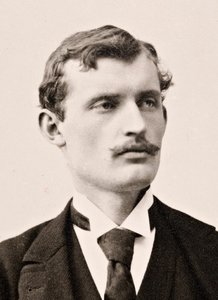
Edvard Munch
1863 - 1944 , Svédország
Rövid információk
- Artistic Movement Or Style: Expresszionizmus
- Artists Or Movements Influenced By This Artist: ['Német expresszionizmus']
- Artists Who Influenced This Artist:
- Paul Gauguin
- Van Gogh
- Toulouse-Lautrec
- Date Of Birth: 1863. december 12.
- Date Of Death: 1944. január 23.
- Full Name: Edvard Munch
- Nationality: Norvég
- Notable Artworks:
- A sikoly
- Madonna
- Beteg gyermek
- Place Of Birth: Ådalsbruk, Svédország
Kapcsolódó cikkek

Mastering Charcoal: A Professional Guide to Texture and Depth for Large-Scale Interior Art Commissions
Discover professional techniques for mastering charcoal texture and depth. An expert guide for hotel designers and procurement managers looking to integrate high-impact monochrome art into large-scale hospitality projects with precision and scale.