


 Megtekintés
 Küldés
 Megosztás
 Részletek
 Útmutató

 Letöltés
 Hasonló darabok
 X-ray felvétel
 Diavetítés
 Kérdések és válaszok
 Statisztika
City Sunlight

- 72.0 x 102.0 cm


 Összes részlet megjelenítése
Az ezen az oldalon megjelenített műalkotások szerzői jogi védelem alatt állnak, ami azt jelenti, hogy törvényileg nem készíthetünk és nem adhatunk el belőlük pontos másolatokat. Ez a védelem olyan nemzetközi megállapodások alapján érvényesül, mint például a Berni Egyezmény és a nemzeti jogszabályok által, beleértve azokat is, amelyeket meghatározott Az USA szerzői jogi törvénye – 17. cím.
Ez a módszer teljes mértékben megfelel a szerzői jogi szabályozásnak, mivel nem tartalmazza a védett műalkotás másolását vagy duplikálását. Ehelyett ez egy kreatív újinterpretáció – egy új festmény, amely az eredetivel való összefüggései miatt hatással van rá, de nem az az.
Giclée / Műnyomat
Múzeumi minőségű giclée vagy vászonnyomat, gyors gyártással és rugalmas finomítási lehetőségekkel. ( Kézzel festett másolat rendelése Áttérés digitális képre)




P118B Ft10

P118H Ft10

P118W Ft10

P438Z Ft10

P508JH Ft12

P508YH Ft12

P805H Ft10

P805Z Ft10

P919BZ Ft10

P919G Ft10

P919XJ Ft10

P959ZH Ft10

P968JZ Ft12

W106C Ft8

W218G Ft10

W218JH Ft8

W218Y Ft10

W307PJ Ft10

W316G Ft10

W316PJ Ft8

W316Y Ft10

W398PJ Ft8

W4111J Ft10

W500HY Ft15

W500JH Ft15

W692G Ft12

W849H Ft8

W940BG Ft15

W953PJ Ft8




Válasszon előre meghatározott méreteink közül, amelyek megfelelnek a műalkotás eredeti arányainak.

Írja be a keretének vagy a falának megfelelő szélességet és magasságot. A nyomatot csak le lehet vágni, soha nem tehető nagyobbá, mint az eredeti kép, így egy eltérő alakú méretnél a kép egy része elveszik. Mielőtt bármit kinyatintanánk, küldünk egy digitális próbamodellt jóváhagyásra. Az oldalon látható kép nem tartalmazza a valós levágást — ezt csak a próbamodell mutatja meg.
Világszerte történő kiszállítás területére mindössze 2 hét alatt, a szokásos 4-5 hét helyett. (6 november)

Ingyenes globális expressz szállítás

Prémium minőségű len vászon

Teljes körű szállítási biztosítás

Vámvisszatérítési Garancia

Hiteles színarányosság garancia

100 napos visszaküldési lehetőség (csak hibás termékek esetén)

100% pénzvisszatérítési garancia

Több darab vásárlásakor kedvezmény
 Az üvegkeretes opció csak 110 cm alatti méretben érhető el

City Sunlight
Giclée / Műnyomat
Reprodukció mérete
-


Összesített ár
Ft 21234
Edward Hopper's "City Sunlight": A Portrait of Modern Solitude
Edward Hopper’s “City Sunlight,” painted in 1954, is more than just a depiction of a woman seated by a window; it’s a meticulously crafted meditation on the quiet loneliness inherent within the burgeoning urban landscape of mid-20th century America. Measuring 72 x 102 cm, this black and white artwork immediately draws the viewer into a scene brimming with understated emotion – a palpable sense of introspection radiating from the solitary figure at the table.
- Subject Matter: The painting centers on a woman lost in contemplation, her gaze fixed upon the exterior world visible through the window. This simple subject matter belies the profound psychological depth Hopper achieves.
- Composition & Technique: Hopper’s mastery of light and shadow is immediately apparent. He employs a stark contrast between illuminated areas – primarily focused on the woman and the table – and deep, enveloping darkness, creating a dramatic effect that heightens the sense of isolation. The careful arrangement of the chairs and the vase adds to the composition's balance while subtly directing the viewer’s eye.
The Hopper Aesthetic: Realism and Psychological Depth
Hopper was a pivotal figure in American art, profoundly influencing generations of artists with his ability to capture not just appearances but also the underlying emotional states of his subjects. His work is characterized by a precise realism combined with an acute awareness of psychological tension. Unlike Impressionists who sought to capture fleeting moments of light and color, Hopper focused on solid forms and sharp lines, creating images that felt both familiar and unsettling. “City Sunlight” exemplifies this approach perfectly – it’s not simply a realistic portrayal of a room; it's a carefully constructed stage for exploring themes of alienation and the human condition.
- Influence: Hopper’s work was heavily influenced by the rise of modernism, particularly its exploration of urban life and the impact of industrialization on the individual.
- Key Characteristics: His paintings are often described as “American Realism,” but they transcend mere representation to become powerful statements about identity, loneliness, and the search for meaning in a rapidly changing world.
Symbolism and Emotional Resonance
The woman’s posture – seated with her back slightly turned towards the viewer – immediately establishes a sense of detachment. The window itself acts as a barrier, separating her from the outside world and reinforcing her solitude. The vase on the table, a small domestic object, adds a layer of irony; it suggests an attempt to create order and beauty within this space of isolation. The lack of color further amplifies the mood, evoking a sense of melancholy and timelessness. This painting speaks to a universal human experience – the feeling of being alone even in a crowded city, the quiet moments of reflection that punctuate our lives.
- Color Palette: The monochrome palette contributes significantly to the artwork's somber mood and emphasizes the interplay of light and shadow.
- Emotional Impact: “City Sunlight” evokes a powerful sense of nostalgia, melancholy, and perhaps even a touch of unease – emotions that resonate deeply with viewers who recognize themselves in this solitary figure.
A Timeless Masterpiece for Your Collection
This hand-painted reproduction of Edward Hopper’s “City Sunlight” offers an exceptional opportunity to bring a piece of American art history into your home or office. The meticulous detail and masterful technique faithfully recreate the original's emotional impact, making it a stunning addition to any collection. Its size (72 x 102 cm) makes it suitable for a variety of interior design settings, from formal living rooms to contemporary workspaces. Own a piece of art that continues to provoke thought and inspire contemplation – a true testament to Edward Hopper’s enduring legacy.
Kérdések és válaszok
Milyen érzelmi hangulat kíséri a "City Sunlight" alkotás Contemporary Realism stílusát?
A "City Sunlight" a Contemporary Realism korszak Reflective érzelmi hangulatát tükrözi.
Hol vásárolhatom meg „City Sunlight”, Edward Hopper alkotása digitális képét?
A „City Sunlight”, Edward Hopper alkotása digitális fájljának megvásárlása érdekében magas felbontású digitális kép letöltése az alábbi oldalon: Digitális alkotás.
Milyen nemzetiség áll a „City Sunlight” Contemporary Realism-ének hátterében?
A "City Sunlight" a alkotó születésihelyén keresztül köti össze a Contemporary Realism irányzatot Egyesült Államok-val.
Hasonló műalkotások


A művész életrajza
A Solitude Observed: The Life and Art of Edward Hopper
Edward Hopper, a name inextricably linked to the quietude and subtle melancholy that permeated 20th-century American life, wasn’t simply a painter of scenes; he was a poet of light and shadow, a chronicler of modern isolation. Born in Nyack, New York, in 1882, to middle-class parents of Dutch ancestry, Hopper's early years provided a stable upbringing that nurtured his artistic inclinations. From childhood sketches meticulously dated and signed, it became evident that keen observation and an innate talent for drawing were central to his being. Though initially encouraged towards commercial illustration – a pragmatic suggestion from his parents – Hopper’s ambitions leaned toward fine art, leading him to the New York School of Art where he studied under William Merritt Chase and Robert Henri. These formative years instilled not only technical skill but also an appreciation for realism and a commitment to depicting the world as he saw it—unvarnished and honest. The writings of Ralph Waldo Emerson resonated deeply with Hopper, reinforcing his sense of individualism and acute observation – qualities that would become hallmarks of his artistic vision. Early travels to Paris exposed him to Impressionism, yet Hopper quickly diverged from its fleeting brushstrokes, forging a path uniquely his own.Finding His Voice: Realism and the American Scene
Hopper’s artistic journey wasn't immediate or effortless. He grappled with discovering his distinctive voice, experimenting with various styles before settling into the realism that would define his career. This wasn’t mere replication of reality; it was a distillation of its essence, stripping away extraneous detail to reveal underlying emotional truths. His paintings began to focus on everyday scenes – houses, diners, offices, hotel rooms – imbued with a sense of stillness and often, loneliness. He possessed an extraordinary ability to capture the psychological states of his subjects, hinting at narratives without explicitly stating them. The precise rendering of light and shadow became crucial, not merely as descriptive elements but as emotional cues, creating atmospheres that were both captivating and unsettling. House by the Railroad (1925), an early masterpiece, exemplifies this approach—a seemingly simple composition radiating a profound sense of isolation and mystery. Hopper’s printmaking, often overlooked, ran parallel to his painting, sharing similar themes and stylistic qualities, demonstrating his mastery across mediums. He wasn't interested in grand historical narratives or allegorical symbolism; he focused on the mundane, elevating it through careful observation and emotional resonance.Iconic Visions: Nighthawks and Beyond
While Hopper’s career unfolded gradually, certain works catapulted him to widespread recognition. Nighthawks (1942), arguably his most famous painting, became an instant icon of American culture. The late-night diner scene, bathed in stark fluorescent light, perfectly encapsulates the alienation and anonymity of modern urban life. The figures within are lost in their own thoughts, disconnected from one another despite their proximity—a poignant commentary on the human condition. Gas (1940), with its striking portrayal of a roadside gas station, showcases Hopper’s fascination with American landscapes and the burgeoning automobile culture. Other notable works like *Automat*, *Office in a Small City*, and *Summertime* each offer unique insights into the complexities of 20th-century American society. These paintings weren't merely depictions of places; they were explorations of mood, psychology, and the subtle dramas unfolding within ordinary settings. His wife, Josephine Nivison Hopper, played a vital role not only as his lifelong companion but also as a frequent model, contributing significantly to the characterization of his female figures.Themes and Legacy: A Lasting Influence
Several recurring themes permeate Hopper’s oeuvre. Urban isolation is perhaps the most prominent—the sense of loneliness experienced by individuals even amidst crowds. He explored the American landscape, both rural and urban, often emphasizing its starkness and emptiness. His work delves into psychological realism, probing the inner lives of his subjects with a sensitivity that transcends mere representation. There’s also an undercurrent of nostalgia for a simpler past, juxtaposed with an acknowledgement of the complexities and anxieties of modern life. Hopper's influence on subsequent artists is undeniable. His unique style has inspired countless painters, including Pierre Sanford Ross, and continues to resonate with contemporary artists seeking to capture the essence of human experience. His paintings remain highly sought after by collectors and are exhibited in major museums worldwide, solidifying his place as a pivotal figure in American art history. More than just an artist, Edward Hopper was a visual philosopher, offering profound insights into the human condition through his masterful use of light, shadow, and composition.- His legacy lies not only in the beauty of his paintings but also in their enduring ability to provoke thought, evoke emotion, and remind us of the quiet solitude that often defines our lives.
- Hopper’s work continues to captivate audiences because it speaks to universal themes of loneliness, isolation, and the search for meaning in a rapidly changing world.
- His paintings have become iconic representations of American culture, often used to symbolize the anxieties and aspirations of the 20th century—and beyond.
- Hopper’s aesthetic has profoundly influenced filmmakers (like Alfred Hitchcock) and writers, inspiring countless works that explore similar themes of alienation and psychological tension.
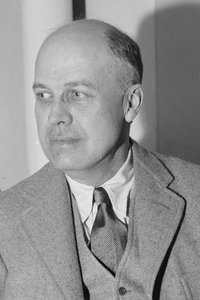
Edward Hopper
1931 - 1967 , Egyesült Államok
Rövid információk
- Artistic Movement Or Style: Realista
- Artists Or Movements Influenced By This Artist: ['Pierre Sanford Ross']
- Artists Who Influenced This Artist:
- William Chase
- Robert Henri
- Date Of Birth: 1882. július 22.
- Date Of Death: 1967. május 15.
- Full Name: Edward Hopper
- Nationality: Amerikai
- Notable Artworks:
- Nighthawks
- House by the Railroad
- Gas
- Place Of Birth: Nyack, USA
Kapcsolódó cikkek

Timeless Contrast: A Professional Guide to Black and White Photography for Large-Scale Hotel Decor
A professional guide for hotel designers on utilizing black and white photography for large-scale decor. Learn to master scale, texture, and monochrome contrast to create impactful, high-end hospitality environments through efficient, bulk art procurement solutions.


