


 Megtekintés
 Küldés
 Megosztás
 Részletek
 Útmutató

 Letöltés
 Hasonló darabok
 X-ray felvétel
 Diavetítés
 Q&A
Q&A Statisztika
hotel room


 Összes részlet megjelenítése
Az ezen az oldalon megjelenített műalkotások szerzői jogi védelem alatt állnak, ami azt jelenti, hogy törvényileg nem készíthetünk és nem adhatunk el belőlük pontos másolatokat. Ez a védelem olyan nemzetközi megállapodások alapján érvényesül, mint például a Berni Egyezmény és a nemzeti jogszabályok által, beleértve azokat is, amelyeket meghatározott Az USA szerzői jogi törvénye – 17. cím.
Ez a módszer teljes mértékben megfelel a szerzői jogi szabályozásnak, mivel nem tartalmazza a védett műalkotás másolását vagy duplikálását. Ehelyett ez egy kreatív újinterpretáció – egy új festmény, amely az eredetivel való összefüggései miatt hatással van rá, de nem az az.
Giclée / Műnyomat
Múzeumi minőségű giclée vagy vászonnyomat, gyors gyártással és rugalmas finomítási lehetőségekkel. ( Kézzel festett másolat rendelése Áttérés digitális képre)




P118B Ft10

P118H Ft10

P118W Ft10

P438Z Ft10

P508JH Ft12

P508YH Ft12

P805H Ft10

P805Z Ft10

P919BZ Ft10

P919G Ft10

P919XJ Ft10

P959ZH Ft10

P968JZ Ft12

W106C Ft8

W218G Ft10

W218JH Ft8

W218Y Ft10

W307PJ Ft10

W316G Ft10

W316PJ Ft8

W316Y Ft10

W398PJ Ft8

W4111J Ft10

W500HY Ft15

W500JH Ft15

W692G Ft12

W849H Ft8

W940BG Ft15

W953PJ Ft8




Válasszon előre meghatározott méreteink közül, amelyek megfelelnek a műalkotás eredeti arányainak.

Írja be a keretének vagy a falának megfelelő szélességet és magasságot. A nyomatot csak le lehet vágni, soha nem tehető nagyobbá, mint az eredeti kép, így egy eltérő alakú méretnél a kép egy része elveszik. Mielőtt bármit kinyatintanánk, küldünk egy digitális próbamodellt jóváhagyásra. Az oldalon látható kép nem tartalmazza a valós levágást — ezt csak a próbamodell mutatja meg.
Világszerte történő kiszállítás területére mindössze 2 hét alatt, a szokásos 4-5 hét helyett. (30 október)

Ingyenes globális expressz szállítás

Prémium minőségű len vászon

Teljes körű szállítási biztosítás

Vámvisszatérítési Garancia

Hiteles színarányosság garancia

100 napos visszaküldési lehetőség (csak hibás termékek esetén)

100% pénzvisszatérítési garancia

Több darab vásárlásakor kedvezmény
 Az üvegkeretes opció csak 110 cm alatti méretben érhető el

hotel room
Giclée / Műnyomat
Reprodukció mérete
-


Összesített ár
Ft 20926
A Moment Suspended: Edward Hopper’s ‘Hotel Room’
‘Hotel Room’ (1931) by Edward Hopper is a quintessential example of American Realism, capturing a profound sense of solitude and introspection within the seemingly mundane setting of a transient space. This oil on canvas painting offers more than just a depiction of a woman in a hotel room; it's a poignant exploration of modern alienation and the quiet dramas of everyday life.Subject & Composition
The artwork centers around a young woman seated on the edge of a bed within a sparsely furnished hotel room. Hopper masterfully directs our gaze to her, positioning her as the focal point against the backdrop of simple geometric forms – the bed, walls, and furniture. The composition is deliberately uncluttered, emphasizing the figure’s isolation. She isn't engaged in any activity; rather, she appears lost in thought, creating an immediate sense of intimacy and quiet contemplation. The simplicity of the scene amplifies its emotional resonance.Style & Technique
Hopper’s style is characterized by a precise realism tempered with a keen sensitivity to mood and atmosphere. He wasn't interested in photographic accuracy, but rather in conveying an *emotional truth*. The brushwork is remarkably smooth, contributing to the polished aesthetic of the painting. His use of light and shadow is particularly striking, dramatically sculpting the forms and creating a sense of depth. Cool color tones dominate the palette, punctuated by warmer accents that draw attention to key elements like the woman’s skin and clothing.Historical Context & Influences
Created during the early years of the Great Depression, ‘Hotel Room’ reflects the anxieties and uncertainties of the era. Hopper's work emerged as a counterpoint to the exuberance of earlier artistic movements, offering a starkly realistic portrayal of American life. Influenced by French Impressionists like Édouard Manet and Edgar Degas, he adapted their techniques to depict distinctly American subjects and themes. His upbringing and early training at the New York School of Art and Design laid the foundation for his unique artistic vision, which often focused on urban and rural scenes.Symbolism & Interpretation
The hotel room itself serves as a powerful symbol – a temporary space representing transience, anonymity, and perhaps even loneliness. The woman’s posture and expression suggest introspection or a sense of detachment. Is she waiting for someone? Reflecting on her life? Hopper deliberately leaves these questions unanswered, inviting viewers to project their own interpretations onto the scene. The lack of personal belongings further reinforces the feeling of impermanence and isolation.Emotional Impact & Legacy
‘Hotel Room’ evokes a complex range of emotions – melancholy, solitude, quiet desperation, and perhaps even a glimmer of hope. Hopper's ability to capture these subtle nuances is what makes his work so enduringly compelling. The painting resonates with viewers because it taps into universal themes of human experience: the search for connection, the burden of loneliness, and the complexities of modern life. It remains a significant piece within Hopper’s oeuvre and continues to inspire artists, designers, and art enthusiasts alike.- Ideal for collectors seeking iconic American Realist works.
- A compelling statement piece for interior design projects aiming for a sophisticated and contemplative atmosphere.
- An excellent choice for those drawn to artwork that explores themes of solitude, introspection, and the human condition.
Kérdések és válaszok
Milyen hangulatot és érzelmet közvetít „hotel room”, Edward Hopper alkotása?
A „hotel room”, Edward Hopper alkotása hangulata Serene, érzelmi tónusa pedig Melancholic.
Ki készítette a "hotel room" alkotást, és milyen stílusú?
A "hotel room" mögött Edward Hopper és a Contemporary Realism irányzat áll.
Mit ábrázol a "hotel room", és milyen hangulatot áraszt?
A „hotel room”, Edward Hopper alkotása a solitude, urban scene, hotel room, american art, hopper style, quiet reflection, isolation, domesticity elemeit ötvözi egy Serene hangulatú környezettel.
Hasonló műalkotások


A művész életrajza
A Solitude Observed: The Life and Art of Edward Hopper
Edward Hopper, a name inextricably linked to the quietude and subtle melancholy that permeated 20th-century American life, wasn’t simply a painter of scenes; he was a poet of light and shadow, a chronicler of modern isolation. Born in Nyack, New York, in 1882, to middle-class parents of Dutch ancestry, Hopper's early years provided a stable upbringing that nurtured his artistic inclinations. From childhood sketches meticulously dated and signed, it became evident that keen observation and an innate talent for drawing were central to his being. Though initially encouraged towards commercial illustration – a pragmatic suggestion from his parents – Hopper’s ambitions leaned toward fine art, leading him to the New York School of Art where he studied under William Merritt Chase and Robert Henri. These formative years instilled not only technical skill but also an appreciation for realism and a commitment to depicting the world as he saw it—unvarnished and honest. The writings of Ralph Waldo Emerson resonated deeply with Hopper, reinforcing his sense of individualism and acute observation – qualities that would become hallmarks of his artistic vision. Early travels to Paris exposed him to Impressionism, yet Hopper quickly diverged from its fleeting brushstrokes, forging a path uniquely his own.Finding His Voice: Realism and the American Scene
Hopper’s artistic journey wasn't immediate or effortless. He grappled with discovering his distinctive voice, experimenting with various styles before settling into the realism that would define his career. This wasn’t mere replication of reality; it was a distillation of its essence, stripping away extraneous detail to reveal underlying emotional truths. His paintings began to focus on everyday scenes – houses, diners, offices, hotel rooms – imbued with a sense of stillness and often, loneliness. He possessed an extraordinary ability to capture the psychological states of his subjects, hinting at narratives without explicitly stating them. The precise rendering of light and shadow became crucial, not merely as descriptive elements but as emotional cues, creating atmospheres that were both captivating and unsettling. House by the Railroad (1925), an early masterpiece, exemplifies this approach—a seemingly simple composition radiating a profound sense of isolation and mystery. Hopper’s printmaking, often overlooked, ran parallel to his painting, sharing similar themes and stylistic qualities, demonstrating his mastery across mediums. He wasn't interested in grand historical narratives or allegorical symbolism; he focused on the mundane, elevating it through careful observation and emotional resonance.Iconic Visions: Nighthawks and Beyond
While Hopper’s career unfolded gradually, certain works catapulted him to widespread recognition. Nighthawks (1942), arguably his most famous painting, became an instant icon of American culture. The late-night diner scene, bathed in stark fluorescent light, perfectly encapsulates the alienation and anonymity of modern urban life. The figures within are lost in their own thoughts, disconnected from one another despite their proximity—a poignant commentary on the human condition. Gas (1940), with its striking portrayal of a roadside gas station, showcases Hopper’s fascination with American landscapes and the burgeoning automobile culture. Other notable works like *Automat*, *Office in a Small City*, and *Summertime* each offer unique insights into the complexities of 20th-century American society. These paintings weren't merely depictions of places; they were explorations of mood, psychology, and the subtle dramas unfolding within ordinary settings. His wife, Josephine Nivison Hopper, played a vital role not only as his lifelong companion but also as a frequent model, contributing significantly to the characterization of his female figures.Themes and Legacy: A Lasting Influence
Several recurring themes permeate Hopper’s oeuvre. Urban isolation is perhaps the most prominent—the sense of loneliness experienced by individuals even amidst crowds. He explored the American landscape, both rural and urban, often emphasizing its starkness and emptiness. His work delves into psychological realism, probing the inner lives of his subjects with a sensitivity that transcends mere representation. There’s also an undercurrent of nostalgia for a simpler past, juxtaposed with an acknowledgement of the complexities and anxieties of modern life. Hopper's influence on subsequent artists is undeniable. His unique style has inspired countless painters, including Pierre Sanford Ross, and continues to resonate with contemporary artists seeking to capture the essence of human experience. His paintings remain highly sought after by collectors and are exhibited in major museums worldwide, solidifying his place as a pivotal figure in American art history. More than just an artist, Edward Hopper was a visual philosopher, offering profound insights into the human condition through his masterful use of light, shadow, and composition.- His legacy lies not only in the beauty of his paintings but also in their enduring ability to provoke thought, evoke emotion, and remind us of the quiet solitude that often defines our lives.
- Hopper’s work continues to captivate audiences because it speaks to universal themes of loneliness, isolation, and the search for meaning in a rapidly changing world.
- His paintings have become iconic representations of American culture, often used to symbolize the anxieties and aspirations of the 20th century—and beyond.
- Hopper’s aesthetic has profoundly influenced filmmakers (like Alfred Hitchcock) and writers, inspiring countless works that explore similar themes of alienation and psychological tension.
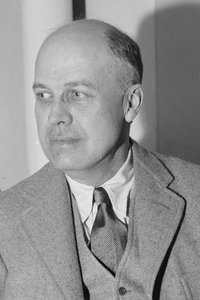
Edward Hopper
1931 - 1967 , Egyesült Államok
Rövid információk
- Artistic Movement Or Style: Realista
- Artists Or Movements Influenced By This Artist: ['Pierre Sanford Ross']
- Artists Who Influenced This Artist:
- William Chase
- Robert Henri
- Date Of Birth: 1882. július 22.
- Date Of Death: 1967. május 15.
- Full Name: Edward Hopper
- Nationality: Amerikai
- Notable Artworks:
- Nighthawks
- House by the Railroad
- Gas
- Place Of Birth: Nyack, USA
Kapcsolódó cikkek

Realism in Art: A Professional Guide to Authentic Detail and Lifelike Masterpieces for Large-Scale Interior Projects
Master the use of Realism in professional interiors. This expert guide explores 19th-century masterpieces, offering procurement managers and designers technical insights into selecting authentic, hand-painted oil reproductions for high-end hotel and corporate projects.

American Regionalism: An Expert Guide to Integrating Heartland Soul into Hospitality Design
Elevate hospitality interiors with the authentic soul of American Regionalism. An expert guide for hotel designers on sourcing high-quality, large-scale oil reproductions and custom multi-panel landscapes to create timeless, character-driven spaces for global travelers.

American Realism for Hospitality Design: A Professional Guide to Integrating Authentic Urban and Coastal Masterpieces
Elevate hospitality interiors with American Realism. Our expert guide for designers covers selecting iconic Edward Hopper-style reproductions, custom multi-panel layouts, and efficient bulk procurement of hand-painted oil masterpieces for hotels and corporate spaces.


