Pénzvisszatérítési Garancia · 100 nap Ingyenes világszerte történő szállítás
449 564műalkotások 30 613művészek 4 660múzeumok 32nyelv
Katalógusbejegyzés

Vendégtermek

1945. Olajfestmény vászonon, 107.0 x 77.0 cm. Yale Egyetemi Művészeti Galéria.

1. ábra. Edward Hopper, Vendégtermek, 1945. A megadott reprodukciót mutatja: , .

§ 1Katalógusadatok

Méretek
107.0 x 77.0 cm

§ 2Absztrakt

A gyűjtemény leírása

Fedezze fel Hopper ikonikus "Vendégtermek" című alkotását! A post-war amerikai realizmus remeke, mely csendes mélankóliát áraszt és a modern élet apró pillanatokat örökít meg. Kézzel festett reprodukció!

A művész életrajza

Edward Hopper: amerikai realizmus mestere, a magány és az urbán élet évtizedeihez illő fényekkel és árnyakkal. Nighthawks, Monhegan Houses ikonikus festményei!

§ 3Magyarázat

Edward Hopper’s “Rooms for Tourists”: A Window into American Solitude

Edward Hopper's "Rooms for Tourists," painted in 1945, isn’t merely a depiction of a house; it’s an invitation to contemplate the quiet heart of modern America. This masterful work, rendered with his signature blend of realism and poignant melancholy, immediately draws the viewer into a scene steeped in unspoken narratives. The painting captures a two-story Victorian dwelling bathed in the muted glow of dusk, its dark silhouette sharply contrasted against a deep blue night sky – a visual embodiment of isolation and introspection. Hopper’s genius lies not just in his technical skill but in his ability to evoke powerful emotions through seemingly simple compositions, transforming an ordinary street scene into a profound meditation on human experience.

Composition and Color: A Study in Contrasts

The composition of “Rooms for Tourists” is remarkably balanced, yet subtly asymmetrical. The house itself dominates the canvas, its central placement emphasized by the strong vertical lines of its columns and the horizontal sweep of its roof and awning. These structural elements guide the eye towards the inviting – though ultimately lonely – presence of the front door. Hopper’s masterful use of color further amplifies this effect. Deep blues and greens dominate the nocturnal sky, creating a sense of vastness and distance, while muted whites and grays define the house's exterior, lending it an air of quiet dignity. The strategic placement of warm yellows emanating from the lit windows and doorways acts as a beacon, offering a fleeting glimpse of warmth and human presence within the encompassing darkness – a poignant symbol of hope amidst solitude.

Technique and Realism’s Nuances

Hopper's technique is characterized by smooth, almost effortless brushwork. He meticulously renders light and shadow, creating a hyper-realistic depiction that simultaneously feels familiar and subtly stylized. The use of one-point perspective draws the viewer directly into the scene, focusing attention on the illuminated front door – an invitation to imagine the lives unfolding within. The depth is expertly achieved through careful manipulation of light and shadow; areas bathed in illumination appear closer and more detailed, while the background recedes into a darker, less defined space. This technique isn’t simply about accurate representation; it's about creating a palpable sense of atmosphere and emotional resonance.

Historical Context and Evocative Symbolism

"Rooms for Tourists" was created in the aftermath of World War II, a period of profound social and psychological upheaval in America. Hopper’s work often reflects this era’s anxieties and uncertainties, capturing moments of quiet contemplation amidst rapid change. The painting speaks to a growing sense of alienation felt by many Americans during this time – a feeling that resonates even today. The lit windows aren't just sources of light; they symbolize warmth, safety, and the enduring human need for connection, yet simultaneously highlight the isolation of the house and its occupant(s). The small patch of grass in the foreground, and the subtle sign visible nearby, add to the sense of a forgotten corner of America, a place where time seems to stand still.

A Timeless Portrait of American Emotion

Ultimately, “Rooms for Tourists” is more than just a painting; it’s an experience. It's a visual poem about loneliness, nostalgia, and the quiet beauty of everyday life. Hopper’s ability to capture such profound emotions with such understated elegance ensures that this work continues to resonate deeply with viewers decades after its creation. A high-quality reproduction allows you to bring this evocative scene into your own space, inviting contemplation and offering a glimpse into the enduring spirit of American realism.

Kérdések és válaszok

Milyen hangulatot áraszt egy enteriőrben „Vendégtermek”, Edward Hopper alkotása?

A „Vendégtermek”, Edward Hopper alkotása Nosztalgikus hangulata tökéletesen illeszkedik a javasolt helyszínhez: egy Nappali.

Hol találhatok olyan műalkotásokat, amelyek hasonlóak a(z) „Vendégtermek”, Edward Hopper alkotása alkotáshoz?

A "Vendégtermek" alkotással hasonló művek a festmény Hasonló alkotások oldalán találhatók.

Mik a „Vendégtermek” mű másolati jogai a Yale Egyetemi Művészeti Galéria gyűjteményében?

A Yale Egyetemi Művészeti Galéria gyűjteményében található „Vendégtermek”, Edward Hopper alkotása még szerzői jog védi státuszú. Ez a státusz határozza meg, hogy a kép másolható-e.
§ 4A művész

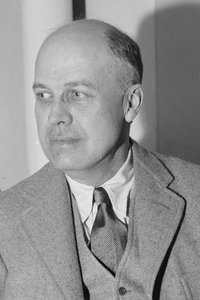
Edward Hopper

Edward Hopper

1931 - 1967, Egyesült Államok

Gyors információk Edward Hopper művészről

  • Artistic Movement Or Style: Realista
  • Artists Or Movements Influenced By This Artist: ['Pierre Sanford Ross']
  • Artists Who Influenced This Artist:
    • William Chase
    • Robert Henri
  • Date Of Birth: 1882. július 22.
  • Date Of Death: 1967. május 15.
  • Full Name: Edward Hopper
  • Nationality: Amerikai
  • Notable Artworks:
    • Nighthawks
    • House by the Railroad
    • Gas
  • Place Of Birth: Nyack, USA

A művész életrajza

A Solitude Observed: The Life and Art of Edward Hopper

Edward Hopper, a name inextricably linked to the quietude and subtle melancholy that permeated 20th-century American life, wasn’t simply a painter of scenes; he was a poet of light and shadow, a chronicler of modern isolation. Born in Nyack, New York, in 1882, to middle-class parents of Dutch ancestry, Hopper's early years provided a stable upbringing that nurtured his artistic inclinations. From childhood sketches meticulously dated and signed, it became evident that keen observation and an innate talent for drawing were central to his being. Though initially encouraged towards commercial illustration – a pragmatic suggestion from his parents – Hopper’s ambitions leaned toward fine art, leading him to the New York School of Art where he studied under William Merritt Chase and Robert Henri. These formative years instilled not only technical skill but also an appreciation for realism and a commitment to depicting the world as he saw it—unvarnished and honest. The writings of Ralph Waldo Emerson resonated deeply with Hopper, reinforcing his sense of individualism and acute observation – qualities that would become hallmarks of his artistic vision. Early travels to Paris exposed him to Impressionism, yet Hopper quickly diverged from its fleeting brushstrokes, forging a path uniquely his own.

Finding His Voice: Realism and the American Scene

Hopper’s artistic journey wasn't immediate or effortless. He grappled with discovering his distinctive voice, experimenting with various styles before settling into the realism that would define his career. This wasn’t mere replication of reality; it was a distillation of its essence, stripping away extraneous detail to reveal underlying emotional truths. His paintings began to focus on everyday scenes – houses, diners, offices, hotel rooms – imbued with a sense of stillness and often, loneliness. He possessed an extraordinary ability to capture the psychological states of his subjects, hinting at narratives without explicitly stating them. The precise rendering of light and shadow became crucial, not merely as descriptive elements but as emotional cues, creating atmospheres that were both captivating and unsettling. House by the Railroad (1925), an early masterpiece, exemplifies this approach—a seemingly simple composition radiating a profound sense of isolation and mystery. Hopper’s printmaking, often overlooked, ran parallel to his painting, sharing similar themes and stylistic qualities, demonstrating his mastery across mediums. He wasn't interested in grand historical narratives or allegorical symbolism; he focused on the mundane, elevating it through careful observation and emotional resonance.

Iconic Visions: Nighthawks and Beyond

While Hopper’s career unfolded gradually, certain works catapulted him to widespread recognition. Nighthawks (1942), arguably his most famous painting, became an instant icon of American culture. The late-night diner scene, bathed in stark fluorescent light, perfectly encapsulates the alienation and anonymity of modern urban life. The figures within are lost in their own thoughts, disconnected from one another despite their proximity—a poignant commentary on the human condition. Gas (1940), with its striking portrayal of a roadside gas station, showcases Hopper’s fascination with American landscapes and the burgeoning automobile culture. Other notable works like *Automat*, *Office in a Small City*, and *Summertime* each offer unique insights into the complexities of 20th-century American society. These paintings weren't merely depictions of places; they were explorations of mood, psychology, and the subtle dramas unfolding within ordinary settings. His wife, Josephine Nivison Hopper, played a vital role not only as his lifelong companion but also as a frequent model, contributing significantly to the characterization of his female figures.

Themes and Legacy: A Lasting Influence

Several recurring themes permeate Hopper’s oeuvre. Urban isolation is perhaps the most prominent—the sense of loneliness experienced by individuals even amidst crowds. He explored the American landscape, both rural and urban, often emphasizing its starkness and emptiness. His work delves into psychological realism, probing the inner lives of his subjects with a sensitivity that transcends mere representation. There’s also an undercurrent of nostalgia for a simpler past, juxtaposed with an acknowledgement of the complexities and anxieties of modern life. Hopper's influence on subsequent artists is undeniable. His unique style has inspired countless painters, including Pierre Sanford Ross, and continues to resonate with contemporary artists seeking to capture the essence of human experience. His paintings remain highly sought after by collectors and are exhibited in major museums worldwide, solidifying his place as a pivotal figure in American art history. More than just an artist, Edward Hopper was a visual philosopher, offering profound insights into the human condition through his masterful use of light, shadow, and composition.
  • His legacy lies not only in the beauty of his paintings but also in their enduring ability to provoke thought, evoke emotion, and remind us of the quiet solitude that often defines our lives.
  • Hopper’s work continues to captivate audiences because it speaks to universal themes of loneliness, isolation, and the search for meaning in a rapidly changing world.
  • His paintings have become iconic representations of American culture, often used to symbolize the anxieties and aspirations of the 20th century—and beyond.
  • Hopper’s aesthetic has profoundly influenced filmmakers (like Alfred Hitchcock) and writers, inspiring countless works that explore similar themes of alienation and psychological tension.
Edward Hopper's ability to capture the essence of modern American life with honesty, sensitivity, and a distinctive artistic vision ensures his place as one of the most important artists of the 20th century.

§ 5Hasonló alkotások

§ 6Kérdések

Gyors információk

  • Subject or theme: Elszigetelt épület
  • Location: Yale UAG
  • Dimensions: 107 x 77 cm
  • Movement: Amerikai realizmus
  • Artist: Edward Hopper
  • Title: Szoba turistákhoz

Művészeti kvíz

Minden kérdésre csak egy helyes válasz létezik.

Kérdés 1:
Edward Hopper festménye, "Szobák turistáknak", melyik évben készült?
Kérdés 2:
A festmény fő jellemzője a fény és árnyék kontrasztja. Milyen hatást kelt ez?
Kérdés 3:
A festmény kompozíciója melyik jellemzővel rendelkezik?
Kérdés 4:
A festményben szereplő ház színeinek dominanciája hogyan befolyásolja a képet?
Kérdés 5:
Edward Hopper művei gyakran tükrözik az amerikai társadalom melyik időszakát?

§ 7Idérezze ezt a bejegyzést

AllPaintingsStore.com, “Edward Hopper, Vendégtermek (1945)”, https://allpaintingsstore.com/hu/art/edward-hopper-vendegtermek-8YDS6D-hu/ArtistReproduction/ (megtekintve: 9 október 2026).

§ 8A reprodukció

Kézzel készített olajfestmény reprodukció

Kézzel festett olajvastú vászon, az Ön által választott méretben és keretben, művészeink készítik meglévőre. ( Váltás nyomtatványra Áttérés digitális képre)

A rendelési sammanbrató szélességi részén rögzítve van; a sammanbrató jelenlegi állapota a következőképpen hangzik.

Vendégtermek

Reprodukciós technika

Reprodukció mérete

-

Kiváló mesterművész

Nagyobb részletesség, finomság és bővített gyártási idő

-

Reprodukció keretezése

-

-

A bármely oldalsó méretét túlszálaló 105 cm (kb. 41 hüvelyk) meghaladó műalkotások vagy reprodukciók esetében a keret összeszerelhető készletként, szétszerelve kerül szállításra. Ez a módszer biztosítja a biztonságos szállítást, és megakadályozza a szállítás során fellépő sérüléseket.

Szakmész összeszerelést igényel – ez nem DIY (önösszeszerelhető) termék.
A készletet egy tapasztalt keretező szakembernek kell összeszerelnie és a vásznat feszítenie kell, fa ragasztó (nem tartalmazza a csomag), vásznfeszítő fogó és szorítók használatával, amelyek a ragasztó száradásáig a keretrészeket egymáshoz vuôngjba tartják. A helytelen összeszerelés vagy a nem egyenletes vásznfeszítés maradandó károsíthatja a műalkotást, és ez nem része a garanciánknak.

  • A készlet tartalmazza az összes tömörfa rudat, pontosan méretre vágva.

  • A mellékelt csavarokkal, valamint a sarokszerekhez szükséges faütő ragasztóval kell összeszerelnie (ez nem tartalmazható a csomagban), így a keretrendezőnek külön kell beszereznie.

  • A csomag nem tartalmazza a szükséges professzionális eszközöket: egy vászonfeszítőt és klipseket a rácsok vízszintes tartásához a ragasztó megszáradásáig.

Fontos:
A sarokcsatlakozásokhoz fánylagra van szükség, a keretrudakat szorítókapcsokkal kell rögzíteni, amíg a rag teljesen meg nem szárad, a kész keretre feszített vászonhoz pedig vászonfeszítő fogat szükséges. Ezek egyike sem található meg a készletben. Kérjük, rendelés előtt győződjön meg róla, hogy rendelkezik tapasztalt keretező szakemberrel.

Névtábla

-

-

Védőréteg (Lakk)

Fényes lakk (intenzívabb színek, védelem a fény és a nedvesség hatása ellen)

-

Műalkotásom egyedi igényre szabása

Példák a módosíthatóságra: az arc kicserélése az ügyfél fotójára; háziállat hozzáadása (pl. macska helyett kutya); rejtett üzenet elhelyezése a háttérben; a háttér tájainak vagy elemeinek megváltoztatása.

-

Sürgős

Világszerte szóló szállítás () mindössze 3-4 hét alatt, a szokásos 5 hét helyett. (6 november). A minőség nem kérdőjelezhető.

-

Express szállítás

Világszerte elérhető szállítás területre 5 héten belül. (13 november).

A szállítás díja tartalmazza

Összesített ár

Ft 84281

Minden rendelés mellé tartalmazva

  • Ingyenes globális expressz szállítás
  • Prémium minőségű len vászon
  • Teljes körű szállítási biztosítás
  • Vámvisszatérítési Garancia
  • Hiteles színarányosság garancia
  • 100 napos visszaküldési lehetőség (csak hibás termékek esetén)
  • 100% pénzvisszatérítési garancia
  • Több darab vásárlásakor kedvezmény
Rendelési adatlap