


 Megtekintés
 Küldés
 Megosztás
 Részletek

 Letöltés
 Hasonló darabok
 X-ray felvétel
 Diavetítés
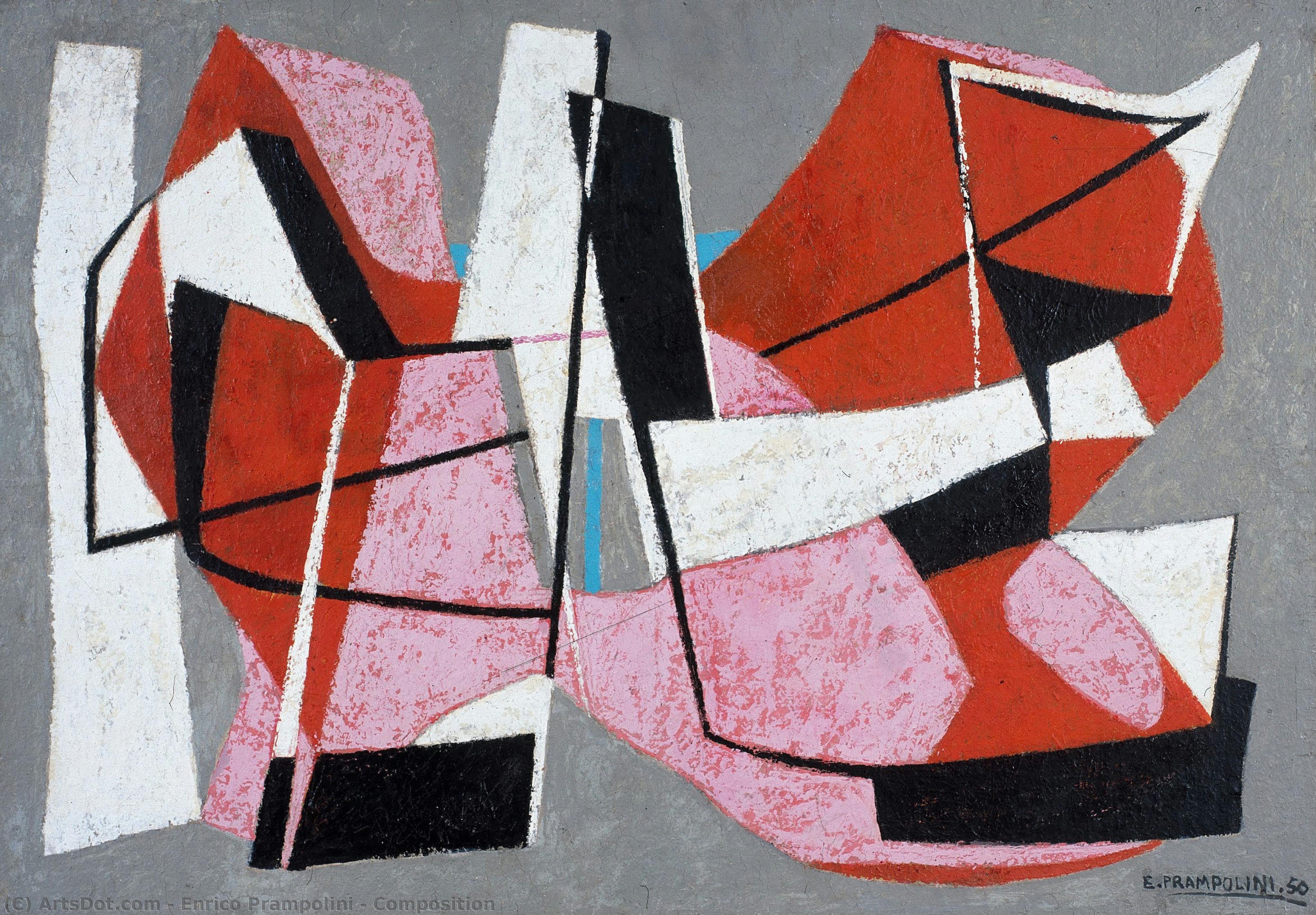
Composition
 Painting
- Futurism
 Modern
 115.0 x 80.0 cm
 MAGA - Museo Arte Gallarate
 Összes részlet megjelenítése
Kézzel készített olajfestmény reprodukció
Kézzel festett olajvastú vászon, az Ön által választott méretben és keretben, művészeink készítik meglévőre. ( Nyomat rendelése Kép letöltése)




































Válasszon előre meghatározott méreteink közül, amelyek megfelelnek a műalkotás eredeti arányainak.

Ön megadhat saját méreteket egy adott kerethez vagy térhez igazításhoz. Ha a kiválasztott méret nem egyezik az eredeti kép arányával, akkor a műalkotást levágjuk, vagy további kézzel festett elemekkel meghosszabbítjuk a festményt. A gyártás megkezdése előtt küldünk Önnek egy digitális előnézetet jóváhagyásra.
Kérjük, vegye figyelembe, hogy a képernyőn megjelenő előnézet nem tükrözi a tényleges vágást vagy kiterjesztést. Csak az előnézet fog pontosan mutatni a végső kompozíciót.
Bár egyedi méretek állnak rendelkezésre, javasoljuk, hogy válasszon egy méretet az előre meghatározott listából az eredeti arányok megőrzése érdekében.
A rendelést követően a AllPaintingsStore.com csapata e-mailt küld az ügyfélnek az instrukciókért, és biztosít egy előnézeti képet (mockup).
Világszerte elérhető szállítás () 3-4 hét alatt a szokásos 5 hét helyett. (25 augusztus). A minőség nem kérdőjelezhető.

Ingyenes globális expressz szállítás

Prémium minőségű len vászon

Teljes körű szállítási biztosítás

Vámvisszatérítési Garancia

Hiteles színpontosság garancia

60 napos visszaküldési lehetőség (csak hibás termékek esetén)

100% pénzvisszatérítési garancia

Több darab vásárlása esetén kedvezmény
 Az üvegkeretes opció csak 110 cm alatti méretben érhető el

Composition
Reprodukciós technika
Reprodukció mérete
-


Összesített ár
$ 258
A műalkotás leírása
A Symphony of Form and Color
In the realm of mid-century abstraction, few works capture the restless energy of post-war reconstruction quite like Enrico Prampolini’s Composition. This masterpiece serves as a profound visual testament to the artist's evolution, bridging the gap between the aggressive dynamism of his Futurist roots and the refined, structural clarity of the Concrete Art movement. As one gazes upon the canvas, the eye is immediately swept into a rhythmic dance of geometric precision and fluid spontaneity. The painting is not merely a collection of shapes but a living organism where red, black, pink, and blue intersect in a delicate balance of tension and harmony. It is an invitation to witness the metamorphosis of form, where triangles, squares, and circles overlap to create a sense of depth that feels both architectural and ethereal.
The technique employed by Prampolini in this work reveals a sophisticated mastery over chromatic relationships. He moves beyond simple decoration, utilizing what critics have described as "timbric values"—a method of treating color as if it were musical tone. The interplay between the heavy, grounding presence of black and the vibrant, pulsating reds creates a visual pulse that mimics the heartbeat of a modernizing world. Through the strategic use of white and soft pink accents, Prampolini introduces light into the composition, preventing the darker elements from becoming stagnant. This careful manipulation of pigment ensures that the painting remains in a state of "continuous metamorphosis," a quality that makes it an endlessly engaging subject for close study.
Historical Resonance and Artistic Legacy
To understand Composition is to understand the cultural landscape of Milan in the wake of World War II. Prampolini, a pivotal figure who had been active in the Roman Futurist circles since 1913, found himself at the heart of a new intellectual movement that sought to rebuild European identity through abstraction. This painting embodies the spirit of groups like Abstraction Création and the later MAC (Movimento Arte Concreta), where the goal was to strip art of its representational burdens to find truth in pure form and color. The work reflects a period of intense experimentation, where artists sought to document the shifting social and technological atmospheres through a language that was universal and unbound by tradition.
For the discerning collector or interior designer, this piece offers more than just aesthetic beauty; it provides a sophisticated focal point that commands presence in any contemporary setting. The artwork’s ability to harmonize bold, energetic strokes with structured geometric stability makes it an ideal centerpiece for spaces that value intellectual depth and modern elegance. Whether placed in a minimalist gallery-style living room or a professional executive suite, Composition acts as a window into the avant-garde spirit of the 20th century, bringing a sense of historical prestige and vibrant, timeless energy to its surroundings.
Hasonló műalkotások




A művész életrajza
The Architect of Motion: The Life and Vision of Enrico Prampolini
In the turbulent landscape of early twentieth-century Europe, few artists captured the restless pulse of modernity as vibrantly as Enrico Prampolini. Born in Modena in 1894, Prampolini emerged not merely as a painter, but as a multidisciplinary force—a sculptor, scenographer, and theorist who sought to dismantle the static boundaries of traditional art. His journey began under the tutelage of Duilio Cambellotti at the Accademia di Belle Arti di Roma, an education that provided him with a classical foundation even as his spirit yearned for the radical disruptions of the avant-garde. This tension between established tradition and the feverish pursuit of innovation would become the defining characteristic of his entire oeuvre.
By 1913, Prampolini had fully embraced the Futurist movement, aligning himself with the provocative manifestos of Filippo Tommaso Marinetti. He became a vital architect of the movement's visual language, contributing to the dissemination of its ideals through collaborative ventures and influential publications. In 1917, alongside Bino Sanminiatelli, he co-founded the magazine Noi, creating a platform for artistic discourse that challenged the very essence of academic convention. His talent for spatial manipulation found a unique outlet in the world of cinema; his scenography for the groundbreaking film Thaïs, directed by Anton Giulio Brancaglia, utilized dreamlike, suffocating interiors decorated with spirals and lozenges to create an atmosphere of psychological disorientation—a technique that would leave a lasting imprint on the development of German Expressionist filmmaking.
From Dynamic Landscapes to Cosmic Abstraction
The evolution of Prampolini’s style is a fascinating study in the metamorphosis of form. His early works, such as Spatial-Landscape Construction (1919), utilized bold, flat areas of red, orange, and deep blue to bridge the gap between recognizable scenery and pure abstraction. As his career progressed, he moved toward a state of total abstraction, exemplified by the Simultaneous Landscape (1922), where perspective was abandoned in favor of rhythmic, flat color planes. This period of experimentation was deeply intertwined with the rise of Aeropainting, a subset of Futurism that sought to capture the exhilarating sensation of flight and the bird's-eye view of the modern world.
However, Prampolini’s vision was never static. By the early 1930s, he transitioned into what critics call "cosmic idealism," a phase characterized by biomorphic abstractionism. In works like Pilot of the Infinite (1931) and Biological Apparition (1940), the aggressive geometry of his youth gave way to organic, fluid shapes that suggested the vast, unseen energies of the universe. This shift demonstrated his profound ability to adapt to the changing intellectual currents of Europe, moving from the mechanical obsession of early Futurism toward a more spiritual, almost biological, exploration of space and existence.
A Legacy of Interdisciplinary Mastery
The historical significance of Enrico Prampolini lies in his refusal to be confined by a single medium or movement. His influence radiated through various artistic circles, connecting him to the Section d'Or, Dadaism, the Bauhaus, and De Stijl. He maintained a sophisticated dialogue with the giants of modernism, including Pablo Picasso, Piet Mondrian, and Wassily Kandinsky, positioning himself at the very heart of the European avant-garde.
To look upon a Prampolini masterpiece today is to witness a symphony of form and color. Whether through his structural clarity in post-war compositions or his earlier, more turbulent landscapes, his work remains a testament to the power of movement. His legacy is defined by several key artistic contributions:
- The Integration of Scenography and Painting: He revolutionized how theatrical space could reflect psychological depth and modern dynamism.
- Pioneering Aeropainting: He helped redefine the landscape through the lens of technological advancement and aerial perspective.
- Chromatic Innovation: His use of "timbric values"—treating color as musical tone—brought a new sensory dimension to abstract art.
- The Bridge to Concrete Art: His ability to transition from Futurist energy to the refined, structural precision of mid-century abstraction helped shape the trajectory of modern European art.
Ultimately, Enrico Prampolini remains an essential figure for anyone seeking to understand the heartbeat of the twentieth century—an artist who saw the world not as a collection of fixed objects, but as a continuous, beautiful, and ever-changing state of motion.

enrico prampolini
1894 - 1956
A művészről röviden
- Artistic Movement Or Style: Futurist Painter
- Artists Or Movements Influenced By This Artist:
- Bauhaus
- De Stijl
- Artists Who Influenced This Artist: ['Dulio Cambellotti']
- Date Of Birth: 20 April 1894
- Date Of Death: 17 June 1956
- Full Name: Enrico Prampolini
- Nationality: Italian
- Notable Artworks:
- Composition
- Untitled (521)
- Scenografia
- Place Of Birth: Modena, Italy
Kapcsolódó cikkek

Kandinsky Mesterművei: 25 Lenyűgöző Festmény a Modern Művészet Gyöngyszemeiből | AllPaintingsStore
Fedezze fel Wassily Kandinsky 25 legikonikusabb művét! Merüljön el az absztrakt művészet világában, ismerje meg a színek és formák lenyűgöző történetét. Prémium minőségű reprodukciók és inspiráló dekorötletek a AllPaintingsStore.com-on.

Geometrikus Absztrakció Mesterei: 10 Alapvető Műalkotás a Lakberendezéshez
Fedezze fel a geometrikus absztrakció 10 legikonikusabb műalkotását! Kandinsky, Mondrian és más mesterek festményeinek története inspirálja otthona dekorációját. Múzeumi minőségű reprodukciók a AllPaintingsStore.com-on – fedezze fel online!

Kazimir Malevich 25 Mesterműve: Absztrakt Festészet és Lakberendezési Inspirációk
Fedezze fel Kazimir Malevich 25 legikonikusabb művészeti alkotását! Ismerje meg a szuprematizmus forradalmi világát, a Fekete Négyzet történetét és inspirálódjon modern lakberendezési ötletekkel. Múzeumi minőségű reprodukciók a AllPaintingsStore.com-on!

Neo-Abstract Art: The High-Impact Evolution of Modern Visual Energy and Geometric Sophistication
Discover the power of Neo-Abstract art. Explore how bold geometric forms and high-impact visual energy are redefining modern design. Learn to curate sophisticated, high-energy spaces with the latest trends in contemporary abstraction and structural color.

Absztrakt Expresszionizmus Mesterei: 10 alkotás, ami meghatározta a művészetet | AllPaintingsStore.com
Fedezze fel a 10 legikonikusabb absztrakt expresszionista alkotást! Ismerje meg Jackson Pollock, Mark Rothko és más mesterek történetét. Művészeti reprodukciók prémium minőségben – AllPaintingsStore.com.


