


 Előnézet
 Megosztás
 Megosztás
 Részletek
 Útmutató

 Letöltés
 Hasonló darabok
 X-ray felvétel
 Diavetítés
 Statisztika
Breton Landscape (The Moulin David)

 Tovább olvasom
Kézzel készített olajfestmény reprodukció
Kézzel festett olajvastú vászon, az Ön által választott méretben és keretben, művészeink készítik meglévőre. ( Váltás nyomtatványra Áttérés digitális képre)




P118B $10

P118H $10

P118W $10

P438Z $10

P508JH $12

P508YH $12

P805H $10

P805Z $10

P919BZ $10

P919G $10

P919XJ $10

P959ZH $10

P968JZ $12

W106C $8

W218G $10

W218JH $8

W218Y $10

W307PJ $10

W316G $10

W316PJ $8

W316Y $10

W398PJ $8

W4111J $10

W500HY $15

W500JH $15

W692G $12

W849H $8

W940BG $15

W953PJ $8




Válasszon előre meghatározott méreteink közül, amelyek megfelelnek a műalkotás eredeti arányainak.

Ön megadhat saját méreteket egy adott kerethez vagy térhez igazításhoz. Ha a kiválasztott méret nem egyezik az eredeti kép arányával, akkor a műalkotást levágjuk, vagy további kézzel festett elemekkel meghosszabbítjuk a festményt. A gyártás megkezdése előtt küldünk Önnek egy digitális előnézetet jóváhagyásra.
Kérjük, vegye figyelembe, hogy a képernyőn megjelenő előnézet nem tükrözi a tényleges vágást vagy kiterjesztést. Csak az előnézet fog pontosan mutatni a végső kompozíciót.
Bár egyedi méretek állnak rendelkezésre, javasoljuk, hogy válasszon egy méretet az előre meghatározott listából az eredeti arányok megőrzése érdekében.
A rendelést követően a AllPaintingsStore.com csapata e-mailt küld az ügyfélnek az instrukciókért, és biztosít egy előnézeti képet (mockup).
Világszerte elérhető szállítás () 3-4 hét alatt a szokásos 5 hét helyett. (21 szeptember). A minőség nem kérdőjelezhető.

Ingyenes globális expressz szállítás

Prémium minőségű len vászon

Teljes körű szállítási biztosítás

Vámvisszatérítési Garancia

Tökéletes színarányosság garancia

100 napos visszaküldési garancia (csak gyártási hibás termékek esetén)

100% pénzvisszatérítési garancia

Több darab vásárlásakor kedvezmény
 Az üvegkeretes opció csak 110 cm alatti méretben érhető el

Breton Landscape (The Moulin David)
Reprodukciós technika
Reprodukció méretei
-


Összesített ár
$ 258
Introduction to Paul Gauguin and His Artistic Style
Paul Gauguin, a French Post-Impressionist artist, was renowned for his innovative use of color and the Synthetist style. Born in 1848, Gauguin's bold artistic choices were largely unappreciated until after his death, but his final decade in French Polynesia generated a body of work deeply expressive of his unique vision.Understanding Breton Landscape (The Moulin David)
Breton Landscape (The Moulin David) is an exquisite example of Gauguin's ability to capture the essence of a place. Painted in 1894, this oil on canvas masterpiece showcases the picturesque Brittany region of France, featuring a traditional windmill and lush greenery. The vibrant colors and simplified forms reflect Gauguin's Synthetist style, which aimed to convey emotion through visual means.AllPaintingsStore.com: Your Gateway to Art History
At AllPaintingsStore.com, we offer a wide range of handmade oil paintings reproductions, including Breton Landscape (The Moulin David) by Paul Gauguin. Our extensive collection spans various periods and styles, allowing art lovers to explore the rich tapestry of art history from the comfort of their own homes. You can also discover more about Paul Gauguin and other influential artists at /en/art/list/.Conclusion
Breton Landscape (The Moulin David) by Paul Gauguin is a captivating work that showcases the artist's mastery of color and form. By examining this painting, we can better understand Gauguin's unique artistic vision and his contribution to the development of Post-Impressionism. Visit AllPaintingsStore.com to explore our collection of handmade oil paintings reproductions, including works by Paul Gauguin and other famous artists.Discover the beauty of art with AllPaintingsStore.com and experience the magic of Breton Landscape (The Moulin David) in the comfort of your own home.
- Explore our collection of handmade oil paintings reproductions at AllPaintingsStore.com
- Learn more about Paul Gauguin and his artistic style at /en/art/list/
- Visit the Wikipedia page of Paul Gauguin to learn more about his life and work
Hasonló műalkotások

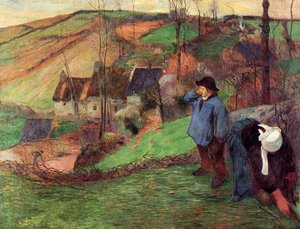


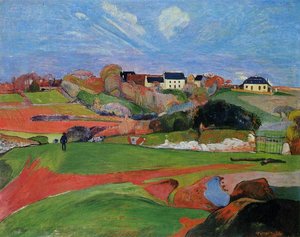


A művész életrajza
A Life Painted in Bold Strokes: The World of Paul Gauguin
Eugène Henri Paul Gauguin, a name that resonates with vibrant color and rebellious spirit, stands as a pivotal figure in the transition from Impressionism to modern art. Born in Paris in 1848, his life was anything but conventional. His early years were shaped by an unusual upbringing; his father a journalist, and his mother descended from Peruvian aristocracy—her grandmother, Flora Tristan, a pioneering feminist and socialist writer whose ideals undoubtedly resonated within the family. This heritage would profoundly shape Gauguin’s artistic vision, instilling in him a fascination with cultures beyond Europe. A formative period spent in Peru as a child, following his family's relocation in 1850, immersed him in a world vastly different from Parisian society, an experience that lingered and ultimately fueled his quest for authenticity in art. Returning to France after his father’s death, Gauguin received a formal education but found himself drawn not to academia, but to the burgeoning financial world, embarking on a career as a stockbroker—a path seemingly at odds with the artistic destiny that awaited him.From Finance to Artistic Calling
For years, Gauguin led a double life, diligently pursuing his business ventures while secretly nurturing a passion for painting. Initially influenced by the Impressionists, he began experimenting with color and light in his spare time, but soon felt constrained by their dedication to capturing fleeting moments of reality. The financial crisis of 1882 proved a turning point, forcing him to abandon his lucrative career and wholeheartedly embrace his artistic calling. This wasn’t merely a change in profession; it was a fundamental shift in worldview. He sought guidance from Camille Pissarro, who encouraged his development and introduced him to the avant-garde circles of Paris. However, Gauguin quickly began to diverge from Impressionistic principles, yearning for something more expressive, more symbolic—a means of conveying not just what he *saw*, but what he *felt*. This desire led him on a journey of artistic exploration that would take him far beyond the Parisian salons and into the heart of “primitive” cultures. He wasn’t simply interested in depicting these cultures; he sought to absorb their essence, believing they held a purity lost in Western civilization.The Call of Brittany and Tahiti
Gauguin’s artistic evolution was inextricably linked to his travels. He spent time in Brittany, captivated by the rugged landscapes and deeply rooted traditions of its people. This period saw him experimenting with flattened forms, bold outlines, and a simplification of composition—techniques that moved him further away from naturalism and closer to a more symbolic language. However, it was his journey to Tahiti in 1891 that truly unleashed his creative potential. Seeking refuge from what he perceived as the stifling constraints of European civilization, Gauguin hoped to find inspiration in Polynesian culture, believing it offered a purer, more authentic way of life. This wasn’t simply an artistic pursuit; it was a spiritual quest. He immersed himself in local customs and beliefs, depicting Polynesian women, landscapes, and religious practices through his unique lens. Iconic paintings like “Vahine no te miti” (Woman with Mango), “Manao Tupapau” (Watched by the Spirit of the Dead), and “The Day of Gods emerged from this period, solidifying his reputation as a visionary artist. His use of color became increasingly bold and non-naturalistic, serving not to replicate reality but to express emotion and spiritual meaning.Key Influences & Artistic Characteristics
- Impressionism: Early influence on color and light, later rejected for its focus on fleeting reality.
- Japonisme: Inspired flattened perspectives, bold outlines, and decorative patterns.
- Medieval Art: Influenced symbolic imagery and a rejection of strict realism.
- Synthetism: A style developed by Gauguin emphasizing the creation of art based on subjective experience rather than objective observation.
- Primitivism: Fascination with non-Western cultures, believing they offered a more authentic and spiritual way of life. This is reflected in his subject matter and stylistic choices.
Legacy and Controversy
Despite his artistic breakthroughs, Gauguin’s life was often marked by hardship. He struggled with financial difficulties and declining health during his time in Tahiti and later on the Marquesas Islands, where he eventually settled. Yet, he continued to paint prolifically, relentlessly exploring themes of life, death, and spirituality. He died in 1903 on Hiva Oa, a remote island in the Marquesas archipelago, largely unrecognized for his genius. It was only after his death that Gauguin’s work began to receive the acclaim it deserved. Today, he is celebrated as a pivotal figure in the development of modern art, bridging the gap between Impressionism and Symbolism, and paving the way for movements like Fauvism. His use of color, simplified forms, and symbolic imagery profoundly influenced artists such as Pablo Picasso, Henri Matisse, and countless others. However, Gauguin remains a controversial figure due to aspects of his personal life—particularly his relationships with young Polynesian women—which continue to be debated and reinterpreted in light of contemporary ethical considerations. Nevertheless, his artistic contributions are undeniable, and his legacy continues to inspire artists and art lovers around the world. He was a true innovator, a rebel who dared to challenge conventions and forge his own path, leaving behind a body of work that is as captivating and enigmatic as the man himself.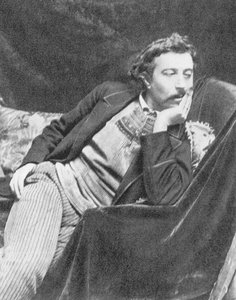
Gauguin
1848 - 1903 , Franciaország
Gyors információk
- Artistic Movement Or Style: Posztimpresszionizmus, Szimbolizmus
- Artists Or Movements Influenced By This Artist:
- Picasso
- Matisse
- Artists Who Influenced This Artist: ['Camille Pissarro']
- Date Of Birth: 1848. június 7.
- Date Of Death: 1903. május 8.
- Full Name: Eugène Henri Paul Gauguin
- Nationality: Francia
- Notable Artworks:
- Vahine no te miti
- Manao Tupapau
- Aistenherceg napja
- Place Of Birth: Párizs, Franciaország
Kapcsolódó cikkek
Paul Cézanne 25 Mesterműve: A Modern Művészet Úttörői | AllPaintingsStore
Fedezze fel Paul Cézanne 25 legikonikusabb művét! Ismerje meg a posztimpresszionizmus úttörőjének festményeit, technikáját és inspirációit. Vászonképek, portrék, tájképfestmények – minden otthonba. Böngéssze gyűjteményünket a AllPaintingsStore-on!

Paul Klee Mesterművei: A 25 Legikonikusabb Festmény, Amelyek Életet Színeznek – AllPaintingsStore
Fedezze fel Paul Klee 25 legikonikusabb festményét! Merüljön el az absztrakt művészet, expresszionizmus és kubizmus világában. Művészi történetek, színes kompozíciók és inspiráló dekorációs ötletek várják Önt a AllPaintingsStore-on. Explore the full collection online!
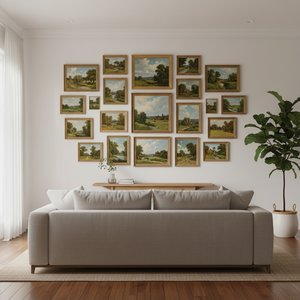
John Constable 25 Mesterműve: A Természet Lényege Vászonon – AllPaintingsStore.com
Fedezze fel John Constable 25 legszebb művészeti alkotását! Ismerje meg a romantika ikonikus tájképeit, Dedham Vale szépségét és a természet lenyűgöző ábrázolásait. Vászonkép reprodukcióinkkal eleganciát csempészhet otthonába – AllPaintingsStore.com

Evocations of Place: A Historical Journey Through Landscape Art
Explore the rich history of landscape art with AllPaintingsStore. Discover renowned artists, movements like Impressionism & Romanticism, and expert guidance for collecting timeless pieces. Find your perfect serene escape today!

A Romantikus Tájképfestészet 10 Legikonikusabb Műalkotása – AllPaintingsStore.com
Fedezze fel a romantikus tájképfestészet 10 legikonikusabb műalkotását! Caspar David Friedrich, J.M.W. Turner és más mesterek festményeinek története – inspiráló olajfestmények otthonába. AllPaintingsStore.com: múzeumi minőségű reprodukciók és egyedi dekorációk online.


