


 Megtekintés
 Küldés
 Megosztás
 Részletek

 Letöltés
 Hasonló darabok
 X-ray felvétel
 Diavetítés
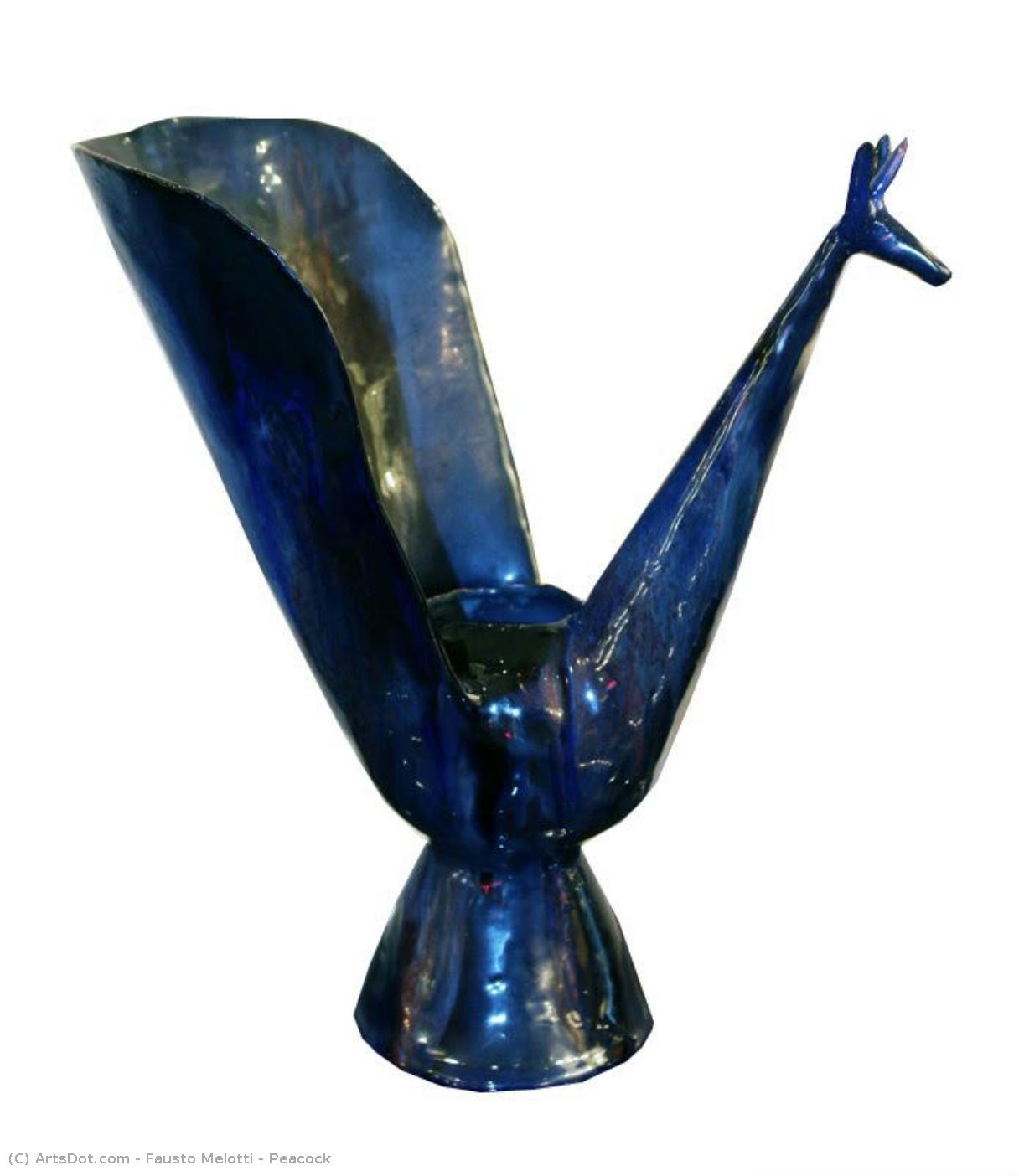
Peacock


 Összes részlet megjelenítése
Giclée / Műnyomat
Múzeumi minőségű giclée vagy vászonnyomat, gyors gyártással és rugalmas finomítási lehetőségekkel. ( Kézzel festett másolat rendelése Kép letöltése)




































Válasszon előre meghatározott méreteink közül, amelyek megfelelnek a műalkotás eredeti arányainak.

Megadhat saját méreteket is egy konkrét kerethez vagy helyszínhez igazítva. Amennyiben a kiválasztott méret nem egyezik az eredeti kép arányokkal, a műalkotást le fogjuk vágni, vagy kiegészítjük a képet tükrözött vagy egyszínű szélekkel. A gyártás megkezdése előtt egy digitális tervezetet küldünk jóváhagyásra.
Kérjük, vegye figyelembe, hogy a képernyőn látható előnézet nem tükrözi a tényleges levágást vagy kiegészítést. Csak a tervezet mutatja pontosan a végső kompozíciót.
Bár az egyedi méretek is elérhetőek, az eredeti arányok megőrzése érdekében azt javasoljuk, hogy válasszon a előre meghatározott listából származó méretet.
Világszerte történő kiszállítás területére mindössze 2 hét alatt, a szokásos 4-5 hét helyett. (17 augusztus)

Ingyenes globális expressz szállítás

Prémium minőségű len vászon

Teljes körű szállítási biztosítás

Vámvisszatérítési Garancia

Hiteles színpontosság garancia

60 napos visszaküldési lehetőség (csak hibás termékek esetén)

100% pénzvisszatérítési garancia

Több darab vásárlása esetén kedvezmény
 Az üvegkeretes opció csak 110 cm alatti méretben érhető el

Peacock
Giclée / Műnyomat
Reprodukció mérete
-


Összesített ár
$ 64
Gyűjthető leírása
Hasonló műalkotások


A művész életrajza
Fausto Melotti: Bridging Futurism and Ceramic Innovation
Fausto Melotti (1901–1986) stands as a pivotal figure in Italian art history, embodying the dynamism of Futurism alongside a profound dedication to ceramic artistry. Born in Rovereto, nestled amongst the Dolomites, his formative years were steeped in artistic fervor thanks to his family’s involvement with the avant-garde movement—a connection that would profoundly shape his creative trajectory. His sister Renata Melotti married architect Gino Pollini, fostering an environment rich in intellectual discourse and artistic experimentation. The First World War forced a relocation to Florence, where he honed his skills at the Istituto Tecnico di Firenze and pursued higher education at Pisa University, delving into physics and mathematics alongside his burgeoning artistic ambitions. Moving to Milan in 1924, Melotti joined the influential Gruppo 7 architectural collective—Pollini, Luigi Figini, Giuseppe Terragni, Carlo Enrico Rava, Guido Frette, and Ubaldo Castagnoli—a partnership that cemented his position at the forefront of Italian design and artistic innovation. This collaboration exposed him to groundbreaking ideas about form and function, influencing his sculptural explorations for decades to come. He attended Accademia di Brera alongside sculptor Adolfo Wildt, absorbing invaluable lessons in classical technique and humanist expression. His friendship with Kazimir Malevich—particularly Kandinsky’s influence—became a cornerstone of his artistic vision, propelling him toward abstraction while retaining an inherent sensitivity to color and texture. Melotti's artistic journey began amidst the fervor of Futurism, where he collaborated closely with Carlo Belli and Fotrunato Depero at Casa d'Arte Futurista. This association fueled his experimentation with dynamic forms and disruptive visual language—a stylistic hallmark that would persist throughout his career. He embraced monumental commissions for the E 42 Exposition in Rome, crafting impressive sculptures that showcased both technical prowess and conceptual daring. Despite wartime devastation impacting his studio, Melotti persevered, returning to Milan and continuing to push artistic boundaries with ceramic works exploring geometric abstraction and textural interplay. His prolific output spanned decades, culminating in a monumental retrospective at Forte Belvedere in Florence in 1981—a testament to his enduring legacy as one of Italy’s most celebrated sculptors. Melotti's ceramics, characterized by their iridescent surfaces and meticulously crafted forms, transcended mere decorative embellishment; they became vehicles for conveying complex ideas about space, materiality, and visual perception. He achieved international acclaim, securing numerous awards recognizing his contribution to modern sculpture and cementing his place as a visionary artist who bridged the gap between revolutionary artistic movements and timeless aesthetic principles. Melotti’s work continues to inspire artists today, demonstrating the enduring power of experimentation and the transformative potential of embracing diverse influences—a legacy firmly rooted in both Futurism's bold ambition and ceramic art's subtle beauty.
fausto melotti
1901 - 1986
A művészről röviden
- Artistic Movement Or Style: Futurist & Post-war Art
- Artists Or Movements Influenced By This Artist: ['Futurism']
- Artists Who Influenced This Artist: ['Kandinsky']
- Date Of Birth: 1901
- Date Of Death: 1986
- Full Name: Fausto Melotti
- Nationality: Italian
- Notable Artworks:
- Untitled (624)
- I Sette savi
- Place Of Birth: Rovereto, Italy
Kapcsolódó cikkek

A művészettörténet 10 legikonikusabb bronzszobra – AllPaintingsStore.com
Fedezze fel a művészettörténet 10 legikonikusabb bronzszobrát! Ismerje meg Rodint, Michelangelót és más mestereket. Luxus minőségű nyomatok otthonába – AllPaintingsStore.com.

The Enduring Form: Exploring Themes & Techniques in Sculpture Across Historical Periods
Explore the rich history of sculpture from ancient masterpieces to contemporary innovations. Discover key techniques, influential artists & investment potential for discerning art collectors.

The Enduring Form: Sculpture Across History, Technique & Emotional Resonance
Explore the rich history of sculpture with AllPaintingsStore. Discover key techniques, influential artists & investment potential for discerning collectors. Expert insights into valuing and collecting timeless masterpieces.

A művészettörténet 10 legikonikusabb bronzszobra – AllPaintingsStore.com
Fedezze fel a művészettörténet 10 legikonikusabb bronzszobrát! Ismerje meg Rodin, Michelangelo és más mesterek alkotásait. Luxus minőségű reprodukciók otthonába – AllPaintingsStore.com.

Absztrakt Expresszionizmus Mesterei: 10 alkotás, ami meghatározta a művészetet | AllPaintingsStore.com
Fedezze fel a 10 legikonikusabb absztrakt expresszionista alkotást! Ismerje meg Jackson Pollock, Mark Rothko és más mesterek történetét. Művészeti reprodukciók prémium minőségben – AllPaintingsStore.com.



