


 Előnézet
 Megosztás
 Megosztás
 Részletek
 Útmutató

 Letöltés
 Hasonló darabok
 X-ray felvétel
 Diavetítés
 Statisztika
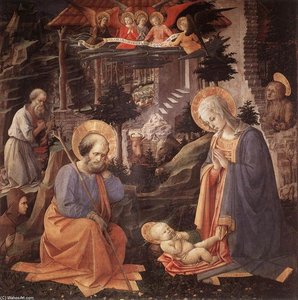
Madonna in the Forest
 Tempera On Panel
- WallArt
- Renaissance Classicism
 1460
1460- Renaissance
 127.0 x 116.0 cm
 Staatliche Museen zu Berlin
 Tovább olvasom
Kézzel készített olajfestmény reprodukció
Kézzel festett olajvastú vászon, az Ön által választott méretben és keretben, művészeink készítik meglévőre. ( Váltás nyomtatványra Áttérés digitális képre)




P118B $10

P118H $10

P118W $10

P438Z $10

P508JH $12

P508YH $12

P805H $10

P805Z $10

P919BZ $10

P919G $10

P919XJ $10

P959ZH $10

P968JZ $12

W106C $8

W218G $10

W218JH $8

W218Y $10

W307PJ $10

W316G $10

W316PJ $8

W316Y $10

W398PJ $8

W4111J $10

W500HY $15

W500JH $15

W692G $12

W849H $8

W940BG $15

W953PJ $8




Válasszon előre meghatározott méreteink közül, amelyek megfelelnek a műalkotás eredeti arányainak.

Ön megadhat saját méreteket egy adott kerethez vagy térhez igazításhoz. Ha a kiválasztott méret nem egyezik az eredeti kép arányával, akkor a műalkotást levágjuk, vagy további kézzel festett elemekkel meghosszabbítjuk a festményt. A gyártás megkezdése előtt küldünk Önnek egy digitális előnézetet jóváhagyásra.
Kérjük, vegye figyelembe, hogy a képernyőn megjelenő előnézet nem tükrözi a tényleges vágást vagy kiterjesztést. Csak az előnézet fog pontosan mutatni a végső kompozíciót.
Bár egyedi méretek állnak rendelkezésre, javasoljuk, hogy válasszon egy méretet az előre meghatározott listából az eredeti arányok megőrzése érdekében.
A rendelést követően a AllPaintingsStore.com csapata e-mailt küld az ügyfélnek az instrukciókért, és biztosít egy előnézeti képet (mockup).
Világszerte elérhető szállítás () 3-4 hét alatt a szokásos 5 hét helyett. (21 szeptember). A minőség nem kérdőjelezhető.

Ingyenes globális expressz szállítás

Prémium minőségű len vászon

Teljes körű szállítási biztosítás

Vámvisszatérítési Garancia

Tökéletes színarányosság garancia

100 napos visszaküldési garancia (csak gyártási hibás termékek esetén)

100% pénzvisszatérítési garancia

Több darab vásárlásakor kedvezmény
 Az üvegkeretes opció csak 110 cm alatti méretben érhető el

Madonna in the Forest
Reprodukciós technika
Reprodukció méretei
-


Összesített ár
$ 258
A Sanctuary of Light and Grace
In the heart of a verdant, sun-dappled woodland, a moment of eternal stillness unfolds within Filippo di Tommaso Lippi’s Madonna in the Forest. This exquisite masterpiece, painted around 1460, transcends a mere religious depiction to become an immersive experience of peace and divine presence. The viewer is not simply observing a painting but is invited into a sacred grove where the boundaries between the earthly and the celestial blur. At the center of this tranquil composition sits the Virgin Mary, her serene countenance radiating a maternal warmth that anchors the entire scene. Clad in a deep blue mantle that seems to capture the very essence of the twilight sky, she cradles the Christ Child, whose vibrant red garment serves as a brilliant focal point against the lush greenery. The interplay of light filtering through the canopy creates a rhythmic dance of shadows and highlights, lending an ethereal, almost breathing quality to the forest itself.
Lippi, a painter whose life was as dramatic and complex as the textures he rendered, brings a profound sense of naturalism to this work. As a member of the Carmelite Order, his deep-seated spiritual devotion is harmoniously wedded to the burgeoning humanist ideals of the Early Renaissance. This duality is visible in the meticulous attention to botanical detail; every leaf and mossy bank feels tangibly real, yet they all serve a higher, symbolic purpose. The forest is not merely a backdrop but a sanctuary—a living cathedral where the natural world acts as a witness to the divine incarnation. The presence of watchful figures and a delicate bird fluttering above adds layers of narrative depth, suggesting that all of creation is held in a state of quiet adoration.
Mastery of Technique and Renaissance Spirit
The technical brilliance of Madonna in the Forest lies in Lippi’s sophisticated use of color and light to evoke emotion. Utilizing the traditional Florentine technique of tempera on plaster, he achieved a remarkable luminosity that remains captivating centuries later. Through the careful layering of pigments and delicate glazing, Lippi created a sense of depth and atmosphere that draws the eye deep into the woods. His mastery of trompe l'oeil elements—the illusion of three-dimensional space—allows the viewer to feel as though they could step directly into the frame. The way the light catches the gold embroidery on Mary’s cloak or the soft, rounded contours of the infant Jesus demonstrates a level of skill that was both revolutionary and deeply influential to later masters like Botticelli.
For the discerning collector or interior designer, this painting offers more than just aesthetic beauty; it provides a profound emotional resonance. The composition’s inherent balance and the soothing palette of forest greens, sky blues, and warm earth tones make it an ideal centerpiece for spaces designed for contemplation and elegance. Whether placed in a grand gallery or a quiet study, a high-quality reproduction of this work brings with it an aura of timelessness and sophistication. It is a piece that speaks to the resilience of beauty and the enduring power of peace, making it a soulful addition to any curated collection of fine art.
Hasonló műalkotások




A művész életrajza
A Florentine Rebel: The Life and Art of Filippo Lippi
Filippo di Tommaso Lippi, a name forever intertwined with both artistic brilliance and scandalous intrigue, stands as one of the most compelling figures of the Italian Renaissance. Born in Florence around 1406 to a butcher father and a mother who tragically died shortly after his birth, young Filippo’s early life was marked by profound loss and an unusual upbringing. He was entrusted to the care of his aunt, Mona Lapaccia, a woman whose unconventional methods – including reportedly sending him out to beg for discarded grapes – shaped his early experiences and perhaps contributed to his later rebellious spirit. At the tender age of eight, he entered the Carmelite convent, a decision that would profoundly influence both his artistic development and the trajectory of his life.From Religious Vows to Artistic Innovation
The cloistered walls of the Carmelite priory provided Filippo with an education far beyond the typical monastic routine. He quickly demonstrated a remarkable aptitude for learning, though not necessarily in traditional subjects; accounts suggest he spent much of his time filling books with caricatures rather than studying scripture. However, it was within this environment that his passion for painting truly ignited. Giorgio Vasari, the renowned art historian, recounts how Lippi became utterly captivated by Masaccio’s groundbreaking frescoes in the Brancacci Chapel – an encounter that served as a pivotal catalyst for his artistic evolution. Masaccio's innovative use of light, perspective, and naturalism profoundly impacted Lippi, leading him to abandon the more rigid conventions of earlier devotional art. His early works, such as the *Tarquinia Madonna*, reveal this nascent influence: a newfound realism begins to emerge, subtly challenging established norms. Yet, Lippi was not merely an imitator; he quickly developed his own distinctive style – characterized by lyrical grace, delicate coloring, and a remarkable ability to infuse religious scenes with a sense of intimacy and human connection.A Master of Composition and Controversy
Lippi’s artistic career flourished in Florence, where he gained recognition for his skill and garnered commissions from prominent families, including the powerful Medici clan. His works during this period – such as *The Annunciation and the Seven Saints* – demonstrate a mastery of composition, incorporating intricate symbolism and elegant detail. The *Coronation of the Virgin*, completed in 1441 for the nuns of Sant’Ambrogio, stands out as particularly significant; it features a half-length figure that many scholars believe to be a self-portrait of Lippi himself – a bold declaration of artistic identity within a context where religious art often prioritized anonymity. However, Lippi's life was far from serene. He frequently faced financial difficulties, legal disputes, and accusations of forgery, fueled by his unconventional lifestyle and rumored indiscretions. The most sensational episode involved his abduction of Lucrezia Buti, a nun from Prato, with whom he eventually married after years of scandal and controversy – an act that defied societal expectations and cemented his reputation as a rebellious figure.The Scandalous Marriage and Artistic Flourishing
Despite the turmoil surrounding his personal life, Lippi continued to produce some of the most beautiful and celebrated works of the Florentine Renaissance. His workshop became a breeding ground for future masters, including Sandro Botticelli and Francesco di Pesello (Pesellino), both of whom benefited from Lippi’s tutelage and went on to achieve significant acclaim in their own right. His influence can be seen throughout Florentine painting during the late Quattrocento – a period marked by a shift towards greater emotional expression and a more humanistic approach to religious subjects. Works like *The Annunciation* showcase his ability to blend spiritual piety with worldly realism, creating images that are both deeply moving and visually stunning. Lippi’s technical skill was exceptional; he possessed an unparalleled mastery of color, composition, and detail, earning him the admiration of contemporaries such as Giorgio Vasari, who described his work as “astonishingly graceful” and “finely composed.”Legacy and Influence
Filippo Lippi died in Spoleto in 1469, leaving behind a legacy that continues to fascinate and inspire. His life – a blend of artistic genius, scandalous romance, and unwavering defiance of convention – serves as a potent reminder of the complexities inherent in Renaissance Italy. His art remains a testament to the power of human creativity and the enduring allure of beauty, solidifying his place as one of the most important and captivating figures of the Italian Renaissance. His story is not simply that of a painter; it’s the tale of a man who dared to challenge societal norms, embrace personal happiness, and leave an indelible mark on the art world.
Filippo Lippi
1406 - 1469 , Olaszország
Gyors információk
- Artistic Movement Or Style: Quattrocento
- Artists Or Movements Influenced By This Artist: ['Botticelli']
- Artists Who Influenced This Artist: ['Masaccio']
- Date Of Birth: 1406 körül
- Date Of Death: 1469
- Full Name: Filippo di Tommaso Lippi
- Nationality: Olasz
- Notable Artworks:
- Tarquinia Madonna
- Az Ítélet
- Szent György
- Place Of Birth: Firenze, Olaszország
Kapcsolódó cikkek

Fresco Art Guide: Mastering the Timeless Technique of Wall Painting for Luxury Interior Design
Master the art of fresco for luxury hospitality design. Explore technical insights into historical wall painting and discover how professional-grade, large-scale reproductions can elevate hotel interiors with timeless Renaissance elegance.


