


 Megtekintés
 Küldés
 Megosztás
 Részletek
 Útmutató

 Letöltés
 Hasonló darabok
 X-ray felvétel
 Diavetítés
 Statisztika
Dead Deer
 Acrylic On Canvas
- WallArt
- German Expressionism
 1913
1913 16.0 x 13.0 cm
 Összes részlet megjelenítése
Vásároljon nagy felbontású, javított digitális képet, amely minőségében messze felülmúlja az online előnézetet.
Minden fájlt szakembereink a legmodernebb eszközök és precíz, kézi retusálás segítségével készítenek el aprólékosan. Gondoskodunk arról, hogy minden kép kivételes tisztasággal, pontos színhelyességgel és részletgazdag finomsággal rendelkezzen.
A végleges fájl 72 órán belül e-mailben megérkezik, professzionális, szerkesztői és nyomtatási környezetbe optimalizálva az azonnali használathoz. Ez ugyanaz a minőség, amelyben a legmeghatározóbb tervezőstúdiók, kiadók és galériák is megbízhatnak.
Digitális kép
Töltsön le nagy felbontású fájlt személyes kiállításokhoz, nyomtatáshoz és kreatív projektekhez. ( Váltás nyomtatványra Kézzel festett másolat rendelése)
Minden digitális kép rendeléséhez tartozó extrák
Szakértői digitális kézbesítés, garantáltan
Amikor a AllPaintingsStore.com szolgáltatást választja, nem csupán egy képet kap – professzionálisan felmagasított digitális műalkotást kap, amely precizitással készült, és amelyet megelégsedési gwarancia tesz biztoslássá. Az alábbiakban automatikusan minden benne 】

Gyors e-mail teslimítés
A nagy felbontású digitális képmásolatát a megrendelést követő 72 órán belül e-mailben elküldjük Önnek – azonnal használható formátumban.

MI-alapú digitális fájljavítás
Műve professzionális módon kerül optimalizálásra fejlett mesterséges intelligencia eszközök és manuális szerkesztés segítségével, biztosítva a maximális részletességet, tisztaságot és színpontosságot.

Örök életű ingyenes újradelivery
Véletlenül törölted vagy elvesztetted a fájlodat? Ne aggódj – bármikor ingyen újra megküldjük neked.

Nincs importköltség – soha
Élvezze műalkotásait azonnal, vám, illeték vagy szállítási költség nélkül – a digitális letöltések mindig adamentesek.

Színpontosság garantálása
Professzionális eszközök és színkezelés segítségével garantáljuk, hogy digitális képe a lehető legpontosabban tükrözze az eredeti színeket.

100 napos elégedettségi garancia
Ha nemມີ elégedett a digitális képével, 100 napon belül felülvizsgáljuk vagy 100% visszatérítjük az amountot – kérdés बिना.

100% Pénzvisszatérítési garancia
Nem tetszett a vásárlás? 100 napon belül teljes visszatérítést garantálunk a digitális fájl megvételétől számítva – kérdés nélkül.

Tömegrendelési kedvezmények
Vásároljon 3 képet, spóroljon 10%-et - Vásároljon 5-öt, spóroljon 15%-et - Vásároljon 10+ képet, spóroljon 20%-at. Kiváló kreatív projektekhez, galériákhoz és ügynökségekhez.
A Moment of Profound Stillness: Introducing “Dead Deer” by Franz Marc
Franz Marc’s “Dead Deer,” painted in 1913, isn’t merely a depiction of an animal; it's a distilled essence of feeling, a poignant meditation on life and death rendered with the vibrant intensity characteristic of his Expressionist style. Measuring just 16 x 13 centimeters, this intimate work invites close contemplation, drawing us into a world where color becomes language and form embodies emotion. The painting immediately arrests the eye – a rich red fox, head bowed in quiet acceptance, occupies the foreground, seemingly absorbed by the earthy tones of the forest floor. The birds scattered throughout the scene aren’t mere background detail; they contribute to an atmosphere of both tranquility and subtle unease, suggesting the cyclical nature of existence—life, death, and rebirth intertwined.

The Soul of the Animal: Marc’s Spiritual Vision
Franz Marc's artistic journey was deeply rooted in a quest for spiritual understanding, and this painting exemplifies that pursuit. Born into a family of artists—his father a landscape painter—Marc initially considered a career in theology, grappling with profound questions about faith and the nature of existence. This intellectual exploration profoundly shaped his art, leading him to believe that visual representation could be a conduit for experiencing something beyond the purely material world. “Dead Deer,” therefore, isn’t simply a portrait; it's an attempt to capture the *anima*, the soul or spirit residing within the animal subject. Marc sought to depict not just what he saw, but what he felt—a deep reverence and empathy for the creature before him.
His use of color is paramount here. The fox’s vibrant red isn't a realistic depiction of fur; it’s an embodiment of energy, vitality, and perhaps even a hint of melancholy. The muted greens and browns of the forest create a grounding contrast, emphasizing the vulnerability of the fallen animal. Marc’s technique—loose brushstrokes and bold color choices—reflects the emotional intensity he wished to convey, moving away from academic precision towards a more subjective and expressive approach.
A Pioneer of Expressionism: Context and Influences
“Dead Deer” was created during a pivotal period in art history – the early 20th century, when German Expressionism was emerging as a powerful force. Marc was a key figure in the “Der Blaue Reiter” (The Blue Rider) group, alongside artists like Wassily Kandinsky and August Macke. This circle sought to break free from traditional artistic conventions and explore new ways of representing emotion and experience. Marc’s early exposure to Vincent van Gogh's expressive use of color and brushwork undoubtedly influenced his own style, as did his interest in symbolism and spirituality.
The painting also reflects the broader anxieties of the time – a sense of impending war and social upheaval. Marc’s work often grappled with themes of mortality, loss, and the fragility of life, mirroring the turbulent atmosphere of Europe on the brink of World War I. His decision to depict a dead animal speaks powerfully to this underlying current of unease, prompting viewers to contemplate their own place within the larger scheme of things.
Bringing “Dead Deer” into Your Space: Reproduction and Legacy
AllPaintingsStore offers meticulously crafted hand-painted reproductions of Franz Marc’s “Dead Deer,” allowing you to experience the depth and emotion of this iconic work in your own home. Our skilled artisans faithfully recreate Marc's vibrant palette and expressive brushwork, ensuring that every detail is rendered with exceptional accuracy and sensitivity. Whether displayed as a statement piece or incorporated into a more subtle interior design scheme, “Dead Deer” will undoubtedly serve as a captivating focal point, sparking conversation and inviting contemplation.
To learn more about Franz Marc’s life, work, and the fascinating history of “Dead Deer,” we encourage you to explore our website: https://www.AllPaintingsStore.com/en/art/franz-marc-dead-deer-8XY3GC-en/ and discover the broader context of this remarkable masterpiece.
Kérdések és válaszok
Milyen érzéssel párosítható a "Dead Deer"?
A „Dead Deer”, Franz Marc alkotása egy Tranquil érzelmi hangulatot közvetít.
Ki a szerzője és mikor készült a "Dead Deer"?
A "Dead Deer" alkotója Franz Marc, a mű pedig 1913 származik.
Milyen nemzetiség áll a „Dead Deer” German Expressionism-ének hátterében?
A German Expressionism korszak alkotása, a "Dead Deer", egy Németország-ban született művész munkája.
Hasonló műalkotások


Művész életrajza
A Life Immersed in Color and Spirit
Franz Moritz Wilhelm Marc, born in Munich in 1880, was a painter whose brief but intensely focused career irrevocably altered the course of German Expressionism. His story is one of profound spiritual seeking translated into a vibrant visual language, a quest to understand the essence of life through the purity he found in the natural world—particularly within the animal kingdom. Initially influenced by his father, Wilhelm Marc, a landscape painter, young Franz’s artistic path wasn't immediately certain. He briefly considered theology, grappling with questions of faith and existence before ultimately dedicating himself to art at the Academy of Fine Arts in Munich. These early explorations into religious thought would remain deeply embedded within his work, shaping his belief that art could be a conduit for spiritual experience. His academic training provided him with technical foundations, but it was encounters with the works of Vincent van Gogh during visits to Paris that truly ignited his artistic vision. Van Gogh’s emotive use of color and raw expression resonated profoundly with Marc, liberating him from conventional techniques and setting him on a path toward a more subjective and emotionally charged style.The Blue Rider and a New Artistic Vision
Marc's artistic development wasn’t solitary; it flourished within the dynamic context of early 20th-century Munich. He experimented with various artist groups, including the Neue Künstlervereinigung München, before co-founding *Der Blaue Reiter* (The Blue Rider) in 1911 alongside Wassily Kandinsky. This wasn’t merely a group or an exhibition series; it was a philosophical and artistic revolution. *Der Blaue Reiter* sought to move beyond mere representation, aiming instead to express inner spiritual truths through abstraction and symbolic color. The journal of the same name became a platform for disseminating these ideas, showcasing not only their own work but also that of other forward-thinking artists and exploring diverse cultural influences from folk art to primitive sculpture. Marc’s contributions during this period were pivotal. He moved away from depicting landscapes as static scenes, instead focusing on animals—horses, deer, foxes—as vessels of spiritual energy. These weren’t simply animal portraits; they were symbolic representations of innocence, harmony, and a connection to the natural world that he believed humanity had lost. The influence of Robert Delaunay’s exploration of abstract forms and vibrant colors further propelled Marc toward simplification and heightened emotional expression in his work. Paintings like *The Tiger* (1912) and *Red Deer* (1912) exemplify this shift, showcasing bold color choices and a growing focus on the inherent qualities of his subjects rather than realistic depiction.Symbolism, Color, and the Essence of Being
Marc’s artistic style is immediately recognizable for its distinctive use of color and form. He didn't employ color descriptively; instead, he imbued it with symbolic meaning. Blue represented spirituality and masculinity, yellow signified joy and femininity, and red embodied violence and materiality. These weren’t arbitrary choices but a carefully constructed system designed to convey specific emotional and philosophical ideas. His animals aren’t merely subjects; they are embodiments of these concepts. The simplification of forms—reducing figures to their essential shapes—further emphasized the underlying spiritual essence he sought to capture. *The Tower of Blue Horses* (1913), sadly lost during World War II, is perhaps the most iconic example of this approach, a powerful and evocative composition that encapsulates his artistic vision. He believed animals possessed an inherent purity and connection to nature that humans had forfeited through societal constraints and intellectualization. By portraying them with such reverence and symbolic weight, Marc sought to remind viewers of this lost harmony and inspire a deeper appreciation for the natural world. His work wasn’t about depicting *what* he saw but rather *how* he felt—a deeply personal and spiritual response to his surroundings.A Tragic End and Lasting Legacy
The outbreak of World War I in 1914 dramatically altered Marc's life and artistic trajectory. Despite seeking exemption due to his status as an artist, he was drafted into the German army, serving as a cavalryman. The horrors of war deeply affected him, yet even amidst the chaos, he continued to paint, finding solace and meaning in his art. Tragically, Franz Marc died on March 4, 1916, at the Battle of Verdun, a devastating loss for the art world. His untimely death cut short a career brimming with potential, but it also cemented his place as a pivotal figure in modern art history. His work continues to resonate today, influencing generations of artists and captivating audiences with its emotional depth and spiritual resonance. Marc’s paintings are exhibited in major museums worldwide, including the Lenbachhaus in Munich, which holds an extensive collection of his work. He is remembered not only as a pioneer of German Expressionism but also as a visionary artist who dared to explore the profound connection between art, spirituality, and the natural world—a legacy that continues to inspire awe and contemplation. His artistic vision remains a testament to the power of art to transcend the material realm and touch upon something deeper within the human spirit.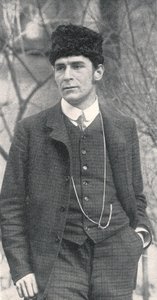
Franz Marc
1880 - 1916 , Németország
Érmeradatok
- Artistic Movement Or Style: German Expressionizmus
- Artists Or Movements Influenced By This Artist: ['Állattal foglalkozó festők']
- Artists Who Influenced This Artist:
- Van Gogh
- Delaunay
- Date Of Birth: 1880. február 8.
- Date Of Death: 1916. március 4.
- Full Name: Franz Moritz Wilhelm Marc
- Nationality: Német
- Notable Artworks:
- A Tigris
- Vörös ló
- Lapostó a kék lovakról
- Place Of Birth: München, Németország

