


 Megtekintés
 Küldés
 Megosztás
 Részletek
 Útmutató

 Letöltés
 Hasonló darabok
 X-ray felvétel
 Diavetítés
 Statisztika
untitled (6782)


 Összes részlet megjelenítése
Az ezen az oldalon megjelenített műalkotások szerzői jogi védelem alatt állnak, ami azt jelenti, hogy törvényileg nem készíthetünk és nem adhatunk el belőlük pontos másolatokat. Ez a védelem olyan nemzetközi megállapodások alapján érvényesül, mint például a Berni Egyezmény és a nemzeti jogszabályok által, beleértve azokat is, amelyeket meghatározott Az USA szerzői jogi törvénye – 17. cím.
Ez a módszer teljes mértékben megfelel a szerzői jogi szabályozásnak, mivel nem tartalmazza a védett műalkotás másolását vagy duplikálását. Ehelyett ez egy kreatív újinterpretáció – egy új festmény, amely az eredetivel való összefüggései miatt hatással van rá, de nem az az.
Giclée / Műnyomat
Múzeumi minőségű giclée vagy vászonnyomat, gyors gyártással és rugalmas finomítási lehetőségekkel. ( Kézzel festett másolat rendelése Áttérés digitális képre)




P118B Ft10

P118H Ft10

P118W Ft10

P438Z Ft10

P508JH Ft12

P508YH Ft12

P805H Ft10

P805Z Ft10

P919BZ Ft10

P919G Ft10

P919XJ Ft10

P959ZH Ft10

P968JZ Ft12

W106C Ft8

W218G Ft10

W218JH Ft8

W218Y Ft10

W307PJ Ft10

W316G Ft10

W316PJ Ft8

W316Y Ft10

W398PJ Ft8

W4111J Ft10

W500HY Ft15

W500JH Ft15

W692G Ft12

W849H Ft8

W940BG Ft15

W953PJ Ft8




Válasszon előre meghatározott méreteink közül, amelyek megfelelnek a műalkotás eredeti arányainak.

Írja be a keretének vagy a falának megfelelő szélességet és magasságot. A nyomatot csak le lehet vágni, soha nem tehető nagyobbá, mint az eredeti kép, így egy eltérő alakú méretnél a kép egy része elveszik. Mielőtt bármit kinyatintanánk, küldünk egy digitális próbamodellt jóváhagyásra. Az oldalon látható kép nem tartalmazza a valós levágást — ezt csak a próbamodell mutatja meg.
Világszerte történő kiszállítás területére mindössze 2 hét alatt, a szokásos 4-5 hét helyett. (27 október)

Ingyenes globális expressz szállítás

Prémium minőségű len vászon

Teljes körű szállítási biztosítás

Vámvisszatérítési Garancia

Hiteles színarányosság garancia

100 napos visszaküldési lehetőség (csak hibás termékek esetén)

100% pénzvisszatérítési garancia

Több darab vásárlásakor kedvezmény
 Az üvegkeretes opció csak 110 cm alatti méretben érhető el

untitled (6782)
Giclée / Műnyomat
Reprodukció mérete
-


Összesített ár
Ft 20661
An Exploration of Abstract Emotion: Georges Braque’s Untitled Composition (6782)
This captivating abstract work by Georges Braque invites viewers into a world of pure color and form. Created sometime during his prolific career, *untitled (6782)* is a compelling example of the artist's exploration beyond Cubism, venturing into gestural abstraction that emphasizes emotional expression over representational accuracy.Style & Technique: A Departure from Structure
While Braque is celebrated as a pioneer of Cubism alongside Pablo Picasso, this piece demonstrates his willingness to evolve and experiment. Here, we see a clear shift towards a more fluid and expressive style. The artwork showcases visible brushstrokes and an *impasto*-like texture – thick layers of paint applied directly to the canvas – suggesting a dynamic and spontaneous creation process. It’s likely Braque employed both brushes and potentially palette knife work to achieve this richly textured surface. The composition leans towards Abstract Expressionism, prioritizing the act of painting itself and the emotional impact of color and form.Composition & Color: A Dance of Blue and White
Dominated by nuanced shades of blue and white, the artwork presents a dynamic interplay of overlapping shapes. The blues are layered and intertwined, creating a sense of depth and movement, while the whites serve both as background elements *and* to define edges and highlights, providing crucial contrast and structure. Strategic accents of black further enhance definition and visual interest. Shapes range from organic, flowing curves to more angular forms, contributing to the overall feeling of energy and spontaneity. The diffuse lighting evenly illuminates the surface, focusing attention on the artwork’s inherent qualities rather than dramatic shadows.Historical Context: Braque's Artistic Journey
Born in 1882, Georges Braque (1882-1963) was a pivotal figure in 20th-century art. After initial training as a house painter, he pursued formal studies and quickly became immersed in the avant-garde scene of early 20th-century Paris. His early work showed influences from Fauvism – evident in his bold use of color – before he revolutionized painting with Picasso through Cubism. Later in his career, Braque continued to explore new avenues, moving away from strict geometric forms and embracing a more lyrical and expressive approach, as seen in *untitled (6782)*. This work likely represents a period where Braque was consolidating his legacy while simultaneously pushing the boundaries of his artistic practice.Symbolism & Emotional Impact: An Introspective Experience
The non-representational nature of this artwork encourages individual interpretation. Without concrete subject matter, *untitled (6782)* evokes feelings of fluidity, movement, and perhaps introspection. The swirling blues can be interpreted as representing the depths of emotion or the vastness of the subconscious. It’s an exploration of color and form for its own sake – a visual poem that invites contemplation and personal connection. The artwork's power lies in its ability to bypass narrative and speak directly to the viewer’s emotions, offering a deeply *introspective* experience.Considerations for Collectors & Designers
- Versatility: The predominantly blue palette makes this piece incredibly versatile, complementing a wide range of interior design schemes – from modern minimalist spaces to more traditional settings.
- Emotional Resonance: Its abstract nature and evocative color scheme create a calming yet stimulating atmosphere, ideal for living rooms, bedrooms, or contemplative workspaces.
- Investment Potential: As a work by a master of modern art, this piece – or a high-quality reproduction – represents a valuable addition to any collection.
- Pairing Suggestions: Consider pairing it with neutral-toned furniture and accents to allow the artwork’s colors and textures to truly shine. Alternatively, introduce complementary shades of blue and gray for a cohesive look.
Kérdések és válaszok
Mely korszakból származik a "untitled (6782)"?
A „untitled (6782)”, Georges Braque alkotása a Modern korszakból származik. Ez az időszak adja meg a mű történelmi kontextusát.
Mi a "untitled (6782)" formátuma?
A „untitled (6782)”, Georges Braque alkotása Landscape formátumú alkotás. A formátum a kompozíció arányait határozza meg.
Mennyire világos összességében a "untitled (6782)"?
A „untitled (6782)”, Georges Braque alkotása érzetelt fényessége bright. Ez összehangolható az adott tér világításával.
Hasonló műalkotások


A művész életrajza
Early Life and Artistic Foundations
Georges Braque, born in Argenteuil, France, in 1882, embarked on a path deeply intertwined with the evolving landscape of modern art. His upbringing within a family of house painters and decorators instilled in him not only a technical mastery of materials—a direct inheritance from his father and grandfather—but also an early appreciation for form and structure. This wasn’t merely a trade; it was a foundation, a grounding in the tangible world that would later inform his radical departures from traditional representation. Though initially following in his family's footsteps, working as a house painter, Braque’s inherent artistic inclinations soon asserted themselves, leading him to formal training at the École des Beaux-Arts in Le Havre, marking the beginning of his journey toward becoming one of the most influential painters of the 20th century. This academic grounding—a blend of practical craftsmanship and rigorous study—proved crucial as he later deconstructed and reimagined established artistic conventions.
Moving to Paris in 1902, Braque continued his studies at the Académie Humbert, immersing himself in the vibrant and increasingly experimental artistic milieu of the city. It was here that he encountered artists like Marie Laurencin and Francis Picabia, forging connections that would profoundly shape his early development—relationships built on shared ambition and a desire to push the boundaries of art. His initial works reflected the prevailing influences of Impressionism and Post-Impressionism, capturing fleeting moments of light and color with a sensitivity reminiscent of Monet and Renoir. However, a pivotal encounter in 1905 – specifically, his exposure to the bold colors and expressive freedom of Fauvism—ignited a new direction in his artistic exploration, a shift away from traditional representation towards a more subjective and emotionally charged approach.
The Embrace of Fauvism and the Dawn of Cubism
Braque’s adoption of Fauvist principles – characterized by intense, non-naturalistic color and emotional expression – is vividly exemplified in paintings like The Patience. This period saw him working alongside artists such as Henri Matisse and André Derain, experimenting with vibrant palettes—often jarringly bright and unconventional—and simplified forms designed to evoke a particular mood or feeling. It wasn’t merely imitation; Braque infused Fauvism with a unique sensibility, tempering the movement's unrestrained exuberance with a more restrained and analytical approach. He sought to capture not just what he *saw*, but what he *felt*—a deeply personal response to the world around him.
A turning point arrived in 1907 with his exposure to the retrospective exhibition of Paul Cézanne's work at the Autumn Salon. Cézanne’s emphasis on geometric forms, multiple perspectives, and a systematic approach to depicting objects profoundly impacted Braque, laying the groundwork for his groundbreaking collaboration with Pablo Picasso. Beginning in 1908, these two artistic titans embarked on a period of intense intellectual exchange—a true partnership of equals—that would give birth to Cubism—a revolutionary movement that shattered traditional notions of representation and fundamentally altered the course of modern art.
Together, Braque and Picasso developed Analytical Cubism, dissecting objects into fragmented geometric shapes and presenting multiple viewpoints simultaneously. Works like Houses at L'Estaque demonstrate this early phase, showcasing a radical departure from conventional perspective and a focus on the underlying structure of forms—reducing everything to its essential components. The palette became deliberately muted, emphasizing form over color, as they sought to represent the totality of an object’s presence rather than merely its appearance. This wasn't simply about depicting a scene; it was about exploring the *idea* of an object.
Innovation Through Fragmentation and Collage
The partnership between Braque and Picasso continued to push the boundaries of artistic expression, leading to the development of Synthetic Cubism around 1912. This phase saw the introduction of collage—the incorporation of real-world materials such as newspaper clippings, wallpaper, and textured fabrics into paintings – a radical departure from traditional painting techniques. This innovation challenged the established hierarchy between painting and sculpture, blurring the lines between art and life and reflecting a growing interest in the relationship between representation and reality. Braque’s pioneering use of *papier collé* (pasted paper) marked a significant turning point in his artistic evolution. He didn't just paint; he built upon the canvas, layering textures and fragments to create new visual experiences.
The influence of Cézanne remained strong throughout this period, particularly in Braque’s exploration of line and surface. He experimented with techniques like stenciling letters onto his canvases—a playful gesture that hinted at a broader engagement with language and communication – and meticulously rendered wood grain and marble to achieve great levels of dimension and tactile quality within his paintings. These details weren't merely decorative; they were integral to the overall composition, adding layers of complexity and meaning.
Later Years and Enduring Legacy
Following World War I, Braque’s style evolved beyond the strict confines of early Cubism, incorporating elements of classical composition and a renewed interest in still life. While retaining the geometric influences that had defined his earlier work, he developed a more nuanced and contemplative approach to painting—a shift towards greater serenity and harmony. His later landscapes and interiors are characterized by their evocative atmosphere and subtle harmonies of color, reflecting a deeper understanding of light and shadow.
Throughout his career, Georges Braque remained committed to exploring the fundamental principles of form, space, and representation. He continued to experiment with different materials and techniques, pushing the boundaries of artistic expression until his death in 1963. His influence on subsequent generations of artists is immeasurable—shaping the course of modern art and inspiring countless painters, sculptors, and collagists. Braque’s legacy extends beyond his individual artworks; he fundamentally altered our understanding of how we perceive and represent the world around us – a true pioneer who dared to challenge conventions and redefine the possibilities of painting.
Influences and Notable Works
- Influenced By: Henri Matisse, André Derain, Paul Cézanne
- Key Works: Houses at L'Estaque, The Patience, Violin and Palette, Mandola
- Impact on Art History: Revolutionized 20th-century art through Cubism; challenged traditional notions of perspective and representation.
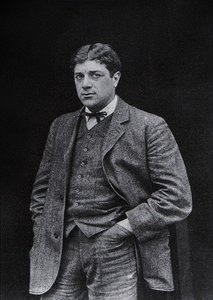
Georges Braque
1882 - 1963 , Franciaország
Rövid információk
- Artistic Movement Or Style: Kubizmus, Fauvizmus
- Artists Or Movements Influenced By This Artist: ['Pablo Picasso']
- Artists Who Influenced This Artist:
- Henri Matisse
- Paul Cézanne
- Date Of Birth: 1882. 5. 13.
- Date Of Death: 1963. 8. 31.
- Full Name: Georges Braque
- Nationality: Francia
- Notable Artworks:
- Házak L'Estaque-ban
- A türelmi szobor
- Szórófa
- Mandolin
- Place Of Birth: Argenteuil, Francia
Kapcsolódó cikkek

Serene Blue Backgrounds: Discover Soulful Art to Transform Your Space with Timeless Elegance
Transform your home with soulful blue art. From serene Monet impressions to modern textured sculptures, discover curated masterpieces designed to inspire calm. Explore expert art consultations and bespoke hand-painted reproductions to create your personal sanctuary.

Georges Seurat 25 Mesterműve: A Pontillizmus Zsenialitása – AllPaintingsStore.com
Fedezze fel Georges Seurat 25 legikonikusabb művét! Ismerje meg a pontillizmus zsenialitását, az impresszionizmus forradalmát és a színek lenyűgöző játékát. Prémium minőségű reprodukciók és inspiráló otthoni dekorációk a AllPaintingsStore.com-on. Fedezze fel a teljes gyűjteményt online!

A Fehér Szín Mesterei: 10 Híres Festmény, Amelyek Elvarázsolnak – AllPaintingsStore.com
Fedezze fel a 10 legikonikusabb fehér tónusú festményt! Monet, Van Gogh és más mesterek alkotásainak története. Vászonképek, reprodukciók – inspiráció otthonába. AllPaintingsStore.com: minőségi művészet online.
A kék árnyalatai: 10 ikonikus festmény a Slate Blue szín jegyében | AllPaintingsStore.com
Fedezze fel a 10 legikonikusabb festményt, melyeket a Slate Blue szín ural! Monet, Renoir és más mesterek művei inspirálnak. Vászonképek eladás, otthon dekoráció tippek a AllPaintingsStore.com-on. Explore the full collection online!
Georges Braque Mesterek: A 25 Leglenyűgözőbb Kép, Ami Megváltoztatta a Modern Festészetet
Fedezze fel Georges Braque 25 legikonikusabb műalkotását! Ismerje meg a kubizmus történetét, Picasso hatását és a francia művész lenyűgöző festményeit. Múzeumi minőségű reprodukciók és inspiráló dekorációs ötletek a AllPaintingsStore.com-on.


