Pénzvisszatérítési Garancia · 100 nap Ingyenes világszerte történő szállítás
449 582műalkotások 30 618művészek 4 705múzeumok 32nyelvek
Pénznem
    Nyelv
      Ateliér · Alapítva: 2015 · Paris, Francia
      AllPaintingsStore
      allpaintingsstore.com
      Előnézet AR előnézet Váltás nyomtatványra Áttérés digitális képre Megosztás
      Részletek Útmutató Kedvencekhez ad Letöltés Hasonló darabok X-ray felvétel Diavetítés Statisztika

      untitled (700)

      Discover Georges Braque’s ‘untitled (700)’ – a poignant beach portrait of a mother & child. Explore this early Cubist masterpiece, capturing a timeless moment in French art history.

      Georges Braque (1882-1963): A kubista és fauvista festőművész, aki Picasso-val együtt újította meg a képi világot. Fedezd fel a 'Házak L'Estaque'-ben című alkotását és a kolázisok világát!

      Az ezen az oldalon megjelenített műalkotások szerzői jogi védelem alatt állnak, ami azt jelenti, hogy törvényileg nem készíthetünk és nem adhatunk el belőlük pontos másolatokat. Ez a védelem olyan nemzetközi megállapodások alapján érvényesül, mint például a Berni Egyezmény és a nemzeti törvények által, beleértve azokat is, amelyeket meghatározott Az USA szerzői jogi törvénye – 17. cím.

      Mint tiszteletes és törvényes alternatívát, olyan egyedi, kézzel festett alkotásokat kínálunk, amelyek az eredetiből merítnek inspirációt. Tapasztalt és professzionális művészeink alaposan tanulmányozzák az eredeti stílusát, hangulatát és művészeti esszenciáját, hogy egy olyan új, egyedi alkotást hozzunk létre, amely ugyanazt az érzést kelti – miközben önálló, eredeti alkotásként létezik.

      Ez a módszer teljes mértékben megfelel a szerzői jogi szabályozásnak, mivel nem tartalmazza a védett műalkotás másolását vagy duplikálását. Ehelyett ez egy kreatív újinterpretáció – egy új festmény, amely az eredetivel való összefüggései miatt hatással van rá, de nem az az.

      Kézzel készített olajfestmény reprodukció

      Kézzel festett olajvastú vászon, az Ön által választott méretben és keretben, művészeink készítik meglévőre. ( Váltás nyomtatványra Áttérés digitális képre)

      Corner sample of the P118B picture frame: moulded polystyrene, 5 cm wide and 3 cm thick
      P118B Ft10
      Corner sample of the P118H picture frame: moulded polystyrene, 5 cm wide and 3 cm thick
      P118H Ft10
      Corner sample of the P118W picture frame: moulded polystyrene, 5 cm wide and 3 cm thick
      P118W Ft10
      Corner sample of the P438Z picture frame: moulded polystyrene, 5.5 cm wide and 3.5 cm thick
      P438Z Ft10
      Corner sample of the P508JH picture frame: moulded polystyrene, 7 cm wide and 3.5 cm thick
      P508JH Ft12
      Corner sample of the P508YH picture frame: moulded polystyrene, 7 cm wide and 3.5 cm thick
      P508YH Ft12
      Corner sample of the P805H picture frame: moulded polystyrene, 5 cm wide and 3.5 cm thick
      P805H Ft10
      Corner sample of the P805Z picture frame: moulded polystyrene, 5 cm wide and 3.5 cm thick
      P805Z Ft10
      Corner sample of the P919BZ picture frame: moulded polystyrene, 7 cm wide and 3.5 cm thick
      P919BZ Ft10
      Corner sample of the P919G picture frame: moulded polystyrene, 7 cm wide and 3.5 cm thick
      P919G Ft10
      Corner sample of the P919XJ picture frame: moulded polystyrene, 7 cm wide and 3.5 cm thick
      P919XJ Ft10
      Corner sample of the P959ZH picture frame: moulded polystyrene, 5 cm wide and 3 cm thick
      P959ZH Ft10
      Corner sample of the P968JZ picture frame: moulded polystyrene, 6 cm wide and 4 cm thick
      P968JZ Ft12
      Corner sample of the W106C picture frame: solid wood, 5 cm wide and 3 cm thick
      W106C Ft8
      Corner sample of the W218G picture frame: solid wood, 5 cm wide and 3 cm thick
      W218G Ft10
      Corner sample of the W218JH picture frame: solid wood, 5 cm wide and 3 cm thick
      W218JH Ft8
      Corner sample of the W218Y picture frame: solid wood, 5 cm wide and 3 cm thick
      W218Y Ft10
      Corner sample of the W307PJ picture frame: solid wood, 6 cm wide and 3 cm thick
      W307PJ Ft10
      Corner sample of the W316G picture frame: solid wood, 6 cm wide and 3 cm thick
      W316G Ft10
      Corner sample of the W316PJ picture frame: solid wood, 6 cm wide and 3 cm thick
      W316PJ Ft8
      Corner sample of the W316Y picture frame: solid wood, 6 cm wide and 3 cm thick
      W316Y Ft10
      Corner sample of the W398PJ picture frame: solid wood, 5 cm wide and 3 cm thick
      W398PJ Ft8
      Corner sample of the W4111J picture frame: solid wood, 6.5 cm wide and 3.5 cm thick
      W4111J Ft10
      Corner sample of the W500HY picture frame: solid wood, 7 cm wide and 5 cm thick
      W500HY Ft15
      Corner sample of the W500JH picture frame: solid wood, 7 cm wide and 5 cm thick
      W500JH Ft15
      Corner sample of the W692G picture frame: solid wood, 8 cm wide and 4 cm thick
      W692G Ft12
      Corner sample of the W849H picture frame: solid wood, 5 cm wide and 3 cm thick
      W849H Ft8
      Corner sample of the W940BG picture frame: solid wood, 7.5 cm wide and 4.5 cm thick
      W940BG Ft15
      Corner sample of the W953PJ picture frame: solid wood, 6 cm wide and 3.5 cm thick
      W953PJ Ft8

      Standard méret
      egyedi
      CM
      INCH

      Válasszon előre meghatározott méreteink közül, amelyek megfelelnek a műalkotás eredeti arányainak.

      szélesség
      magasság

      Ön megadhat saját méreteket egy adott kerethez vagy térhez igazításhoz. Ha a kiválasztott méret nem egyezik az eredeti kép arányával, akkor a műalkotást levágjuk, vagy további kézzel festett elemekkel meghosszabbítjuk a festményt. A gyártás megkezdése előtt küldünk Önnek egy digitális előnézetet jóváhagyásra.
      Kérjük, vegye figyelembe, hogy a képernyőn megjelenő előnézet nem tükrözi a tényleges vágást vagy kiterjesztést. Csak az előnézet fog pontosan mutatni a végső kompozíciót.
      Bár egyedi méretek állnak rendelkezésre, javasoljuk, hogy válasszon egy méretet az előre meghatározott listából az eredeti arányok megőrzése érdekében.

      Példák arra, mit lehet módosítani: az arc kicserélése az ügyfél fotójára; háziállat hozzáadása (pl. macska helyett kutya); rejtett üzenet elhelyezése a háttérben; a háttér tájának vagy elemeinek megváltoztatása.
      A rendelést követően a AllPaintingsStore.com csapata e-mailt küld az ügyfélnek az instrukciókért, és biztosít egy előnézeti képet (mockup).

      Világszerte elérhető szállítás () 3-4 hét alatt a szokásos 5 hét helyett. (11 október). A minőség nem kérdőjelezhető.

      Ingyenes globális expressz szállítás
      Prémium minőségű len vászon
      Teljes körű szállítási biztosítás
      Vámvisszatérítési Garancia
      Tökéletes színarányosság garancia
      100 napos visszaküldési garancia (csak gyártási hibás termékek esetén)
      100% pénzvisszatérítési garancia
      Több darab vásárlásakor kedvezmény

      Összesített ár

      Ft 81022

      untitled (700)

      Reprodukciós technika

      Reprodukció méretei

      -

      Összesített ár

      Ft 81022

      Rövid tények

      • medium: Painting
      • style: Fauvism (possible influence)
      • subject: Mother and child, beach scene
      • title: untitled (700)
      • year: Unknown

      Művészeti kvíz

      Minden kérdésre csak egy helyes válasz létezik.

      Kérdés 1:
      Based on the description, what is a prominent subject of this painting?
      Kérdés 2:
      Considering Georges Braque's artistic background, which movement likely influenced his early work, as mentioned in the artist biography?
      Kérdés 3:
      The painting depicts a scene taking place on what type of terrain?
      Kérdés 4:
      What detail in the painting suggests a leisurely activity or gathering?

      A Moment of Intimacy: Exploring Braque’s Beachside Mother and Child

      This captivating painting by Georges Braque presents a tender scene – a mother cradling her baby on a sun-drenched beach. While currently untitled (designated as ‘700’), the work offers a fascinating, though somewhat atypical, glimpse into the artist's broader oeuvre. It departs from the fragmented forms and analytical approach for which he is most celebrated, instead embracing a more representational style reminiscent of early 20th-century Post-Impressionism.

      Subject & Composition

      The focal point is undoubtedly the mother and child. The woman, dressed in what appears to be a simple dress, is depicted in a moment of profound connection with her infant. The suggestion of nursing adds an intimate and universal quality to the scene – a timeless depiction of maternal care. Braque skillfully uses composition to draw the viewer’s eye to this central grouping. The placement of the bowl near the bottom left corner hints at a leisurely picnic, grounding the figures in a relatable, everyday activity. In the background, blurred figures suggest other beachgoers, creating a sense of atmosphere and shared experience without distracting from the primary subject.

      Style & Technique

      Though Braque is best known as a pioneer of Cubism alongside Pablo Picasso, this work reveals influences from earlier movements. The brushwork appears relatively loose and expressive, leaning towards *Fauvism* – a style he briefly explored in his formative years under the influence of artists like Henri Matisse and André Derain. While not employing the bold, non-naturalistic colors characteristic of Fauvism, Braque demonstrates a sensitivity to light and color that suggests this early training. The painting’s overall effect is one of gentle realism, prioritizing mood and emotional resonance over strict adherence to form.

      Historical Context & Artistic Evolution

      Born in 1882, Georges Braque navigated a period of immense artistic change. He began his career steeped in traditional training but quickly embraced the avant-garde. This painting likely dates from a transitional phase – perhaps before his full immersion into Cubism around 1907. It’s important to remember that artists rarely operate within rigidly defined styles; experimentation and exploration are crucial parts of their development. This work provides valuable insight into Braque's artistic journey, showcasing his versatility and willingness to explore different approaches.

      Symbolism & Emotional Impact

      The beach itself carries symbolic weight – representing a space of leisure, escape, and connection with nature. The mother and child embody themes of nurturing, innocence, and the enduring bond between generations. The painting evokes a sense of peaceful tranquility and quiet contemplation. It’s not a dramatic or overtly emotional scene; rather, it's a subtle and poignant portrayal of everyday life elevated to art through Braque’s sensitive observation and skillful execution.

      For Collectors & Interior Designers

      • A Rare Find: This work represents a less-documented facet of Braque’s artistic production, making it particularly appealing for collectors seeking unique pieces.
      • Versatile Aesthetic: The painting's soft palette and representational style lend themselves well to various interior design schemes – from coastal-inspired spaces to more traditional settings.
      • Emotional Resonance: The artwork’s tender subject matter adds a layer of warmth and intimacy to any room, creating a welcoming and contemplative atmosphere.
      • Ideal for: Living rooms, bedrooms, nurseries, or studies seeking a touch of artistic sophistication and emotional depth.
      This painting is more than just a portrait; it’s a window into a fleeting moment of human connection, beautifully rendered by one of the most influential artists of the 20th century.

      Gyakran Ismételt Kérdések

      Ki árul „untitled (700)”, Georges Braque alkotása kézzel festett másolatait?

      A „untitled (700)”, Georges Braque alkotása kézzel festett másolataival a ez a weboldal oldalon találkozhat: kézzel festett olajfesték reprodukció lino vászonon, megrendelve a ez az oldal felületén.

      Van-e elérhető tájékoztató „untitled (700)”, Georges Braque alkotása művészeten túlmutató részleteivel a diákok számára?

      A "untitled (700)" útmutatója a mű Útmutató oldala – egy kinyomtatható adatlap, amely bemutatja a művet a leírással, a szerzői megjegyzéssel és az azonosító táblázattal (művész, dátumok, technika, eredeti méret, gyűjtemény) együtt.

      Elérhető-e a "untitled (700)" minőségi nyomtatványként?

      A "untitled (700)" elérhető minőségi giclée nyomat pamutvászonon vagy archiváló vászonpapíron formátumban. A rendeléseket a ez az oldal oldalon lehet leadni, a kívánt méretben.

      Ki készítette a(t): "untitled (700)"?

      A "untitled (700)" alkotója Georges Braque. A mű Georges Braque nevére van katalógusozva.

      Milyen érzelmi hangulatot áraszt a „untitled (700)”, Georges Braque alkotása?

      A "untitled (700)" egy Romantic érzetet kelt. Az érzelmi hangulat azt az impressziót írja le, amelyet a mű közvetít.

      Mely művészeti irányba és mely korszakba sorolható a „untitled (700)”, Georges Braque alkotása?

      „untitled (700)”, Georges Braque alkotása alkotásművében a Cubism irányzat találkozik a Modern kor korszakkal.

      Milyen színeket használ a "untitled (700)"?

      A „untitled (700)”, Georges Braque alkotása színek palettáját úgy írják, mint Dark. Ez a mű színeinek tömör leírása.


      A művész életrajza

      Early Life and Artistic Foundations

      Georges Braque, born in Argenteuil, France, in 1882, embarked on a path deeply intertwined with the evolving landscape of modern art. His upbringing within a family of house painters and decorators instilled in him not only a technical mastery of materials—a direct inheritance from his father and grandfather—but also an early appreciation for form and structure. This wasn’t merely a trade; it was a foundation, a grounding in the tangible world that would later inform his radical departures from traditional representation. Though initially following in his family's footsteps, working as a house painter, Braque’s inherent artistic inclinations soon asserted themselves, leading him to formal training at the École des Beaux-Arts in Le Havre, marking the beginning of his journey toward becoming one of the most influential painters of the 20th century. This academic grounding—a blend of practical craftsmanship and rigorous study—proved crucial as he later deconstructed and reimagined established artistic conventions.

      Moving to Paris in 1902, Braque continued his studies at the Académie Humbert, immersing himself in the vibrant and increasingly experimental artistic milieu of the city. It was here that he encountered artists like Marie Laurencin and Francis Picabia, forging connections that would profoundly shape his early development—relationships built on shared ambition and a desire to push the boundaries of art. His initial works reflected the prevailing influences of Impressionism and Post-Impressionism, capturing fleeting moments of light and color with a sensitivity reminiscent of Monet and Renoir. However, a pivotal encounter in 1905 – specifically, his exposure to the bold colors and expressive freedom of Fauvism—ignited a new direction in his artistic exploration, a shift away from traditional representation towards a more subjective and emotionally charged approach.

      The Embrace of Fauvism and the Dawn of Cubism

      Braque’s adoption of Fauvist principles – characterized by intense, non-naturalistic color and emotional expression – is vividly exemplified in paintings like The Patience. This period saw him working alongside artists such as Henri Matisse and André Derain, experimenting with vibrant palettes—often jarringly bright and unconventional—and simplified forms designed to evoke a particular mood or feeling. It wasn’t merely imitation; Braque infused Fauvism with a unique sensibility, tempering the movement's unrestrained exuberance with a more restrained and analytical approach. He sought to capture not just what he *saw*, but what he *felt*—a deeply personal response to the world around him.

      A turning point arrived in 1907 with his exposure to the retrospective exhibition of Paul Cézanne's work at the Autumn Salon. Cézanne’s emphasis on geometric forms, multiple perspectives, and a systematic approach to depicting objects profoundly impacted Braque, laying the groundwork for his groundbreaking collaboration with Pablo Picasso. Beginning in 1908, these two artistic titans embarked on a period of intense intellectual exchange—a true partnership of equals—that would give birth to Cubism—a revolutionary movement that shattered traditional notions of representation and fundamentally altered the course of modern art.

      Together, Braque and Picasso developed Analytical Cubism, dissecting objects into fragmented geometric shapes and presenting multiple viewpoints simultaneously. Works like Houses at L'Estaque demonstrate this early phase, showcasing a radical departure from conventional perspective and a focus on the underlying structure of forms—reducing everything to its essential components. The palette became deliberately muted, emphasizing form over color, as they sought to represent the totality of an object’s presence rather than merely its appearance. This wasn't simply about depicting a scene; it was about exploring the *idea* of an object.

      Innovation Through Fragmentation and Collage

      The partnership between Braque and Picasso continued to push the boundaries of artistic expression, leading to the development of Synthetic Cubism around 1912. This phase saw the introduction of collage—the incorporation of real-world materials such as newspaper clippings, wallpaper, and textured fabrics into paintings – a radical departure from traditional painting techniques. This innovation challenged the established hierarchy between painting and sculpture, blurring the lines between art and life and reflecting a growing interest in the relationship between representation and reality. Braque’s pioneering use of *papier collé* (pasted paper) marked a significant turning point in his artistic evolution. He didn't just paint; he built upon the canvas, layering textures and fragments to create new visual experiences.

      The influence of Cézanne remained strong throughout this period, particularly in Braque’s exploration of line and surface. He experimented with techniques like stenciling letters onto his canvases—a playful gesture that hinted at a broader engagement with language and communication – and meticulously rendered wood grain and marble to achieve great levels of dimension and tactile quality within his paintings. These details weren't merely decorative; they were integral to the overall composition, adding layers of complexity and meaning.

      Later Years and Enduring Legacy

      Following World War I, Braque’s style evolved beyond the strict confines of early Cubism, incorporating elements of classical composition and a renewed interest in still life. While retaining the geometric influences that had defined his earlier work, he developed a more nuanced and contemplative approach to painting—a shift towards greater serenity and harmony. His later landscapes and interiors are characterized by their evocative atmosphere and subtle harmonies of color, reflecting a deeper understanding of light and shadow.

      Throughout his career, Georges Braque remained committed to exploring the fundamental principles of form, space, and representation. He continued to experiment with different materials and techniques, pushing the boundaries of artistic expression until his death in 1963. His influence on subsequent generations of artists is immeasurable—shaping the course of modern art and inspiring countless painters, sculptors, and collagists. Braque’s legacy extends beyond his individual artworks; he fundamentally altered our understanding of how we perceive and represent the world around us – a true pioneer who dared to challenge conventions and redefine the possibilities of painting.

      Influences and Notable Works

      • Influenced By: Henri Matisse, André Derain, Paul Cézanne
      • Key Works: Houses at L'Estaque, The Patience, Violin and Palette, Mandola
      • Impact on Art History: Revolutionized 20th-century art through Cubism; challenged traditional notions of perspective and representation.
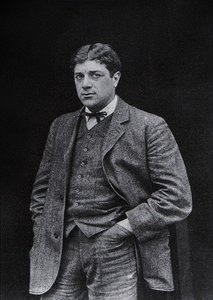
      Georges Braque

      Georges Braque

      1882 - 1963 , Franciaország

      Gyors információk

      • Artistic Movement Or Style: Kubizmus, Fauvizmus
      • Artists Or Movements Influenced By This Artist: ['Pablo Picasso']
      • Artists Who Influenced This Artist:
        • Henri Matisse
        • Paul Cézanne
      • Date Of Birth: 1882. 5. 13.
      • Date Of Death: 1963. 8. 31.
      • Full Name: Georges Braque
      • Nationality: Francia
      • Notable Artworks:
        • Házak L'Estaque-ban
        • A türelmi szobor
        • Szórófa
        • Mandolin
      • Place Of Birth: Argenteuil, Francia
      Fedezze fel a műalkotásokat témák, stílusok és jellemzők szerint csoportosítva.