


 Megtekintés
 Küldés
 Megosztás
 Részletek
 Útmutató

 Letöltés
 Hasonló darabok
 X-ray felvétel
 Diavetítés
 Q&A
Q&A Statisztika
Side Chair


 Összes részlet megjelenítése
Giclée / Műnyomat
Múzeumi minőségű giclée vagy vászonnyomat, gyors gyártással és rugalmas finomítási lehetőségekkel. ( Kézzel festett másolat rendelése Áttérés digitális képre)




P118B Ft10

P118H Ft10

P118W Ft10

P438Z Ft10

P508JH Ft12

P508YH Ft12

P805H Ft10

P805Z Ft10

P919BZ Ft10

P919G Ft10

P919XJ Ft10

P959ZH Ft10

P968JZ Ft12

W106C Ft8

W218G Ft10

W218JH Ft8

W218Y Ft10

W307PJ Ft10

W316G Ft10

W316PJ Ft8

W316Y Ft10

W398PJ Ft8

W4111J Ft10

W500HY Ft15

W500JH Ft15

W692G Ft12

W849H Ft8

W940BG Ft15

W953PJ Ft8




Válasszon előre meghatározott méreteink közül, amelyek megfelelnek a műalkotás eredeti arányainak.

Írja be a keretének vagy a falának megfelelő szélességet és magasságot. A nyomatot csak le lehet vágni, soha nem tehető nagyobbá, mint az eredeti kép, így egy eltérő alakú méretnél a kép egy része elveszik. Mielőtt bármit kinyatintanánk, küldünk egy digitális próbamodellt jóváhagyásra. Az oldalon látható kép nem tartalmazza a valós levágást — ezt csak a próbamodell mutatja meg.
Világszerte történő kiszállítás területére mindössze 2 hét alatt, a szokásos 4-5 hét helyett. (30 október)

Ingyenes globális expressz szállítás

Prémium minőségű len vászon

Teljes körű szállítási biztosítás

Vámvisszatérítési Garancia

Hiteles színarányosság garancia

100 napos visszaküldési lehetőség (csak hibás termékek esetén)

100% pénzvisszatérítési garancia

Több darab vásárlásakor kedvezmény
 Az üvegkeretes opció csak 110 cm alatti méretben érhető el

Side Chair
Giclée / Műnyomat
Reprodukció mérete
-


Összesített ár
Ft 20926
Kérdések és válaszok
Mely paletta és domináns szín határozza meg a "Side Chair" alkotást?
A „Side Chair”, Georges Jacob alkotása színek identitása: egy Neutrals paletta, amelyet Rosy Brown (#a5957b) dominál.
Ki készítette a(t): "Side Chair"?
A „Side Chair” műtémét Georges Jacob alkotójának tulajdonítják.
Milyen módon kapcsolódik a "Side Chair" stílusa alkotójának korához?
„Side Chair”, Georges Jacob alkotása alkotásművében a Neoclassicism irányzat találkozik a 19th Century korszakkal.
Hasonló műalkotások


A művész életrajza
Georges Jacob: The Sculptor of Rococo Elegance
Georges Jacob, born in Chantilly, France, in 1739, stands as a pivotal figure in the history of French furniture design – a master craftsman who seamlessly blended the opulence of the Rococo era with the burgeoning neoclassical sensibilities of the late 18th century. His legacy isn’t defined by grand monuments or revolutionary ideas, but rather by the exquisite detail and refined beauty he imbued into his creations, particularly his celebrated side chairs, which remain coveted symbols of aristocratic taste and artistic skill. Jacob's life was one of quiet dedication to his craft, a journey from apprenticeship to becoming one of Paris’s most sought-after *menuisiers* – furniture makers specializing in intricate carving and gilding.Early Life and Apprenticeship
Jacob’s early years were spent in Burgundy, far removed from the bustling artistic center of Paris. He arrived in the capital in 1754, seeking his fortune and honing his skills under the tutelage of Jean-Baptiste Lerouge, a respected chairmaker. It was within this workshop that he encountered Louis Delanois, a profoundly influential figure whose embrace of Neoclassical principles would shape Jacob’s artistic vision. Delanois' emphasis on clean lines, restrained ornamentation, and classical motifs provided a crucial counterpoint to the exuberant curves and playful extravagance characteristic of earlier Rococo styles. This formative period instilled in Jacob a deep appreciation for both historical precedent and innovative design – a balance he expertly navigated throughout his career.The Height of His Career: Royal Commissions and Parisian Workshops
Jacob’s reputation soared during the 1760s and 70s, fueled by a string of prestigious commissions from French royal châteaux, including Versailles and Saint-Cloud. He was officially recognized as a master in 1765, presenting a small chair – a testament to his burgeoning talent and technical prowess – that immediately established him as a force to be reckoned with. His work during this period is characterized by an astonishing level of detail: intricate carvings depicting mythological scenes, floral garlands, and delicate scrolls adorn every surface. The use of contrasting woods—mahogany, rosewood, and walnut—further enhanced the visual richness of his pieces, creating a sense of depth and movement. He operated from one of Paris’s most successful furniture workshops, alongside his brother François-Honoré-Georges Jacob-Desmalter, allowing for an expansion of production and influence within the Parisian design landscape.Rococo Elegance and Neoclassical Influence
Jacob's style is often categorized as Rococo with strong neoclassical undertones. While he retained the characteristic curves, asymmetry, and playful ornamentation associated with the Rococo period – a hallmark of his early work – he increasingly incorporated elements of classical design, such as restrained proportions, simplified forms, and references to ancient Greek and Roman motifs. His side chairs exemplify this synthesis perfectly: they possess the graceful curves and delicate detailing of Rococo furniture, yet are grounded in a sense of balance and proportion that reflects the neoclassical aesthetic. The use of gilding played a crucial role in achieving this effect, transforming simple wooden frames into shimmering displays of luxury and refinement.Legacy and Influence
Georges Jacob’s impact on French furniture design is undeniable. His meticulous craftsmanship, innovative designs, and ability to seamlessly blend Rococo exuberance with neoclassical restraint established a new standard for quality and artistry. His work continues to be admired today for its exquisite detail, elegant proportions, and timeless appeal. The legacy of his workshop, particularly through the continued success of François-Honoré-Georges Jacob-Desmalter, ensured that the firm remained a leading supplier of furniture to the Napoleonic court and beyond. His influence can be seen in the work of subsequent generations of French cabinetmakers, solidifying his place as one of the most important figures in the history of French design. His side chairs remain iconic examples of 18th-century artistry, embodying the spirit of a bygone era—a testament to the enduring power of beauty and craftsmanship.
Georges Jacob
1770 - 1841 , France
Rövid információk
- Full Name: Georges Jacob
- Nationality: French
- Date Of Birth: 1770
- Date Of Death: 1841
- Place Of Birth: Chantilly, France
- Notable Artworks:
- Side chair
- Bed carvings
- Artistic Movement Or Style: Rococo & Neoclassical
- Artists Who Influenced This Artist: ['Louis Delanois']
- Artists Or Movements Influenced By This Artist: ['Jacob-Desmalter']
Kapcsolódó cikkek

Georges Braque Mesterek: A 25 Leglenyűgözőbb Kép, Ami Megváltoztatta a Modern Festészetet
Fedezze fel Georges Braque 25 legikonikusabb műalkotását! Ismerje meg a kubizmus történetét, Picasso hatását és a francia művész lenyűgöző festményeit. Múzeumi minőségű reprodukciók és inspiráló dekorációs ötletek a AllPaintingsStore.com-on.

A 18. Század Mesterei: 10 Képi Gyöngyem a Történelemből | AllPaintingsStore
Fedezze fel a 18. század legikonikusabb műalkotásait! Jacques-Louis David, Fragonard és más mesterek remekművei rokokó stílusban, barokk eleganciával. Művészeti reprodukciók prémium minőségben – inspirálja otthonát a AllPaintingsStore.com kínálatával! Explore the full collection online.
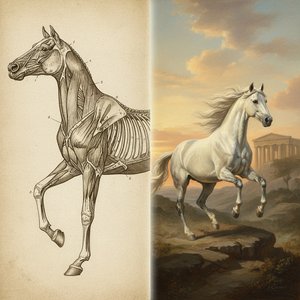
George Stubbs: Anatomical Precision & Romantic Vision in 18th-Century British Art
Explore the captivating world of George Stubbs, the 18th-century master renowned for his anatomical precision & Romantic animal paintings. Discover his legacy and investment potential.

Georges Seurat 25 Mesterműve: A Pontillizmus Zsenialitása – AllPaintingsStore.com
Fedezze fel Georges Seurat 25 legikonikusabb művét! Ismerje meg a pontillizmus zsenialitását, az impresszionizmus forradalmát és a színek lenyűgöző játékát. Prémium minőségű reprodukciók és inspiráló otthoni dekorációk a AllPaintingsStore.com-on. Fedezze fel a teljes gyűjteményt online!

Reflections of an Age: Social Commentary & Artistic Representation in 18th-Century Society
Explore the social commentary & artistic representation of 18th-century society. Discover Rococo masterpieces, portraiture's power, and shifting historical perspectives. Expert insights for art lovers.

