- Főoldal

- Olajfestmény reprodukció
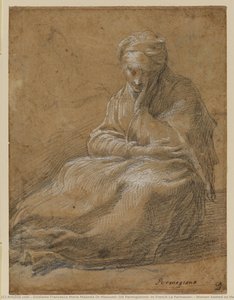
- girolamo francesco maria mazzola or mazzuoli, dit parmigianino (in french le parmesan)

 Előnézet
 Megosztás
 Megosztás
 Részletek
 Útmutató

 Letöltés
 Hasonló darabok
 X-ray felvétel
 Diavetítés
 Statisztika
The ceiling and the mirror

 Tovább olvasom
Kézzel készített olajfestmény reprodukció
Kézzel festett olajvastú vászon, az Ön által választott méretben és keretben, művészeink készítik meglévőre. ( Váltás nyomtatványra Áttérés digitális képre)




































Válasszon előre meghatározott méreteink közül, amelyek megfelelnek a műalkotás eredeti arányainak.

Ön megadhat saját méreteket egy adott kerethez vagy térhez igazításhoz. Ha a kiválasztott méret nem egyezik az eredeti kép arányával, akkor a műalkotást levágjuk, vagy további kézzel festett elemekkel meghosszabbítjuk a festményt. A gyártás megkezdése előtt küldünk Önnek egy digitális előnézetet jóváhagyásra.
Kérjük, vegye figyelembe, hogy a képernyőn megjelenő előnézet nem tükrözi a tényleges vágást vagy kiterjesztést. Csak az előnézet fog pontosan mutatni a végső kompozíciót.
Bár egyedi méretek állnak rendelkezésre, javasoljuk, hogy válasszon egy méretet az előre meghatározott listából az eredeti arányok megőrzése érdekében.
A rendelést követően a AllPaintingsStore.com csapata e-mailt küld az ügyfélnek az instrukciókért, és biztosít egy előnézeti képet (mockup).
Világszerte elérhető szállítás () 3-4 hét alatt a szokásos 5 hét helyett. (21 szeptember). A minőség nem kérdőjelezhető.

Ingyenes globális expressz szállítás

Prémium minőségű len vászon

Teljes körű szállítási biztosítás

Vámvisszatérítési Garancia

Tökéletes színarányosság garancia

100 napos visszaküldési garancia (csak gyártási hibás termékek esetén)

100% pénzvisszatérítési garancia

Több darab vásárlásakor kedvezmény
 Az üvegkeretes opció csak 110 cm alatti méretben érhető el

The ceiling and the mirror
Reprodukciós technika
Reprodukció méretei
-


Összesített ár
$ 258
Hasonló műalkotások


A művész életrajza
The Grace of Distortion: The Life and Legacy of Parmigianino
Girolamo Francesco Maria Mazzola, known to the world by the evocative moniker Parmigianino, was a virtuoso of the Italian Renaissance whose brushstrokes redefined the boundaries of elegance. Born in Parma around 1503 into a family of artists, his early years were steeped in the rich visual language of the Lombardy region. As the son of a sculptor, he possessed an innate understanding of form and volume, yet it was his encounter with the expressive, emotive style of Correggio that would ignite his true genius. From this influence, Parmigianino inherited a profound ability to manipulate light and shadow, creating atmospheres that felt both ethereal and tangibly present.
As his talent matured, Parmigianino moved beyond the balanced harmonies of the High Renaissance toward the more complex, stylized realm of Mannerism. This transition was not merely a change in technique but a profound shift in artistic philosophy. He began to embrace deliberate distortions—elongating limbs, tapering necks, and twisting figures into graceful, almost impossible poses—to evoke a sense of sophisticated beauty and psychological tension. His work became a dance of sprezzatura, an effortless grace that masked the immense technical difficulty required to execute such fluid compositions.
Mastery of Form and the Florentine Zenith
The zenith of Parmigianino’s career was reached during his transformative period in Florence, where he operated under the prestigious patronage of Cardinal Giovanni Pier Luigi Farnese. It was within this vibrant intellectual circle that his most iconic imagery emerged. His masterpiece, Madonna with the Long Neck, serves as the definitive manifesto of his style. In this work, the traditional maternal warmth of the Madonna is elevated by a surreal, aristocratic elegance; the elongated neck and serpentine posture of the figures create a dreamlike quality that challenges the viewer's perception of reality.
Beyond his religious commissions, Parmigianino demonstrated an extraordinary versatility in both fresco and panel painting. His ability to command large-scale decorative schemes is evident in his work for the Palazzo Farnese, where he utilized illusionistic techniques to expand architectural spaces through paint. Whether depicting the mythological pursuit in Atteone chases the Nymph or the profound spiritual devotion found in St. Francis adoring the crucifix, his hand remained consistent in its pursuit of a refined, rhythmic beauty that felt both classical and avant-garde.
An Enduring Influence on Art History
Though his life was tragically brief—concluding in Cremona at the age of only 37—the impact of Parmigianino’s vision resonated far beyond his short years. He left behind a legacy that bridged the gap between the structured perfection of the Renaissance and the emotive, often restless energy of later Mannerist movements. His works continue to fascinate because they occupy a unique space between the recognizable world and a realm of pure, stylized aestheticism.
The significance of his contribution can be summarized through several key artistic pillars:
- Innovation of Line: He pioneered the use of the linea serpentinata, or serpentine line, which added movement and grace to static figures.
- Psychological Depth: Through subtle facial expressions and delicate poses, he introduced a layer of sophisticated ambiguity to portraiture.
- Spatial Mastery: His ability to manipulate perspective and light allowed for the creation of complex, multi-layered compositions that redefined spatial realism.
Today, Parmigianino remains a cornerstone of the Italian Renaissance canon, remembered as an artist who dared to stretch the limits of human anatomy to capture the limitless possibilities of the human spirit.

Gyors információk
- Artistic Movement Or Style: Mannerism
- Artists Or Movements Influenced By This Artist: ['European Mannerism']
- Artists Who Influenced This Artist:
- Michelangelo Buonarroti
- Raphael
- Date Of Birth: January 11, 1503
- Date Of Death: August 24, 1540
- Full Name: Girolamo Francesco Maria Mazzola or Mazzuoli
- Nationality: Italian
- Notable Artworks:
- Woman Seated on the Ground
- St. Francis adoring the crucifix
- Studies for female figures
- Place Of Birth: Parma, Italy