


 Előnézet
 Megosztás
 Megosztás
 Részletek
 Útmutató

 Letöltés
 Hasonló darabok
 X-ray felvétel
 Diavetítés
 Statisztika
Wounded Man WBM

 Tovább olvasom
Kézzel készített olajfestmény reprodukció
Kézzel festett olajvastú vászon, az Ön által választott méretben és keretben, művészeink készítik meglévőre. ( Váltás nyomtatványra Áttérés digitális képre)




P118B $10

P118H $10

P118W $10

P438Z $10

P508JH $12

P508YH $12

P805H $10

P805Z $10

P919BZ $10

P919G $10

P919XJ $10

P959ZH $10

P968JZ $12

W106C $8

W218G $10

W218JH $8

W218Y $10

W307PJ $10

W316G $10

W316PJ $8

W316Y $10

W398PJ $8

W4111J $10

W500HY $15

W500JH $15

W692G $12

W849H $8

W940BG $15

W953PJ $8




Válasszon előre meghatározott méreteink közül, amelyek megfelelnek a műalkotás eredeti arányainak.

Ön megadhat saját méreteket egy adott kerethez vagy térhez igazításhoz. Ha a kiválasztott méret nem egyezik az eredeti kép arányával, akkor a műalkotást levágjuk, vagy további kézzel festett elemekkel meghosszabbítjuk a festményt. A gyártás megkezdése előtt küldünk Önnek egy digitális előnézetet jóváhagyásra.
Kérjük, vegye figyelembe, hogy a képernyőn megjelenő előnézet nem tükrözi a tényleges vágást vagy kiterjesztést. Csak az előnézet fog pontosan mutatni a végső kompozíciót.
Bár egyedi méretek állnak rendelkezésre, javasoljuk, hogy válasszon egy méretet az előre meghatározott listából az eredeti arányok megőrzése érdekében.
A rendelést követően a AllPaintingsStore.com csapata e-mailt küld az ügyfélnek az instrukciókért, és biztosít egy előnézeti képet (mockup).
Világszerte elérhető szállítás () 3-4 hét alatt a szokásos 5 hét helyett. (21 szeptember). A minőség nem kérdőjelezhető.

Ingyenes globális expressz szállítás

Prémium minőségű len vászon

Teljes körű szállítási biztosítás

Vámvisszatérítési Garancia

Tökéletes színarányosság garancia

100 napos visszaküldési garancia (csak gyártási hibás termékek esetén)

100% pénzvisszatérítési garancia

Több darab vásárlásakor kedvezmény
 Az üvegkeretes opció csak 110 cm alatti méretben érhető el

Wounded Man WBM
Reprodukciós technika
Reprodukció méretei
-


Összesített ár
$ 258
A Portrait of Resilience: Examining Gustave Courbet’s ‘The Wounded Man’
Gustave Courbet’s “The Wounded Man,” completed in 1845, stands as a cornerstone of Realism—a movement that irrevocably challenged the prevailing Romantic aesthetic and championed an unflinching portrayal of everyday life. More than just a depiction of human anatomy, this painting embodies Courbet's profound conviction that art should reflect the realities of the world around him, devoid of idealized beauty or sentimental embellishment.
- Subject Matter: The artwork portrays a man lying prone on his side, exhibiting visible wounds—primarily a gaping mouth from which blood spills. This deliberate choice wasn’t merely anatomical accuracy; it served as a powerful symbol of vulnerability and suffering, mirroring the anxieties prevalent in post-Napoleonic France.
- Style & Technique: Courbet employed meticulous observation and direct painting onto canvas – rejecting studio assistants and prioritizing unfiltered experience. His technique is characterized by thick impasto brushstrokes—a bold departure from smoother academic styles—creating a palpable textural surface that conveys the physicality of the subject matter. The artist’s masterful use of color contributes to the overall mood, emphasizing somber hues that underscore the man's plight.
Historical Context: Challenging Romantic Ideals
Painted during a period marked by social unrest and political upheaval following Napoleon III’s ascension to power, “The Wounded Man” reflects Courbet’s broader engagement with contemporary issues. The Romantic movement had glorified heroic figures and sublime landscapes—a stylistic antithesis to Courbet's uncompromising realism. By presenting a figure wounded in both body and spirit, Courbet implicitly questioned the romantic notion of noble suffering and championed instead an honest confrontation with human vulnerability.
- Symbolism: The inclusion of swords – one positioned prominently at the top left corner and another near the bottom right – adds layers of symbolic significance. They represent violence, conflict, and perhaps even death—themes that resonate throughout Romantic art but are rendered starkly tangible in Courbet’s canvas. Similarly, the book symbolizes knowledge and contemplation, juxtaposed against the man's physical injury, suggesting a struggle between intellect and physicality.
- Influence: Courbet’s work directly confronted the conventions of the École des Beaux-Arts, where idealized depictions were favored. He sought to elevate Realism as an artistic movement, advocating for artists to depict subjects from ordinary life with uncompromising honesty—a stance that cemented his legacy as a revolutionary figure in French art history.
Emotional Impact & Artistic Legacy
"The Wounded Man" transcends mere visual representation; it evokes profound emotional resonance. The artist’s unflinching gaze captures the essence of human experience – pain, resilience, and the enduring quest for understanding. Courbet's bold technique and symbolic imagery continue to inspire artists today, demonstrating the lasting power of Realism to provoke contemplation and challenge artistic norms.
- Musée d’Orsay: Currently housed in Musée d’Orsay, Paris, “The Wounded Man” remains a testament to Courbet's enduring influence. Its presence within this celebrated institution underscores its significance as a pivotal artwork of the Realist movement.
Hasonló műalkotások


A művész életrajza
A Rebel’s Brush: The Life and Legacy of Gustave Courbet
Gustave Courbet (1819–1877) – A Titan of Realism, Forever Challenging Artistic Boundaries Jean Désiré Gustave Courbet's life was a defiant march against the artistic conventions of his era—a refusal to compromise on truthfulness and an unwavering conviction that art should reflect the realities of everyday existence. Born in Ornans, France, in 1819, he descended from a family of modest means but possessed an innate talent for observation and representation that would propel him to become one of the most influential figures in the history of French painting. His early artistic training at the École des Beaux-Arts in Paris proved frustrating; the rigid academic curriculum demanded idealized depictions and mythological narratives—a stark contrast to Courbet’s burgeoning vision. Recognizing Delacroix and Géricault as formative influences, he nevertheless forged his own distinctive path, prioritizing direct observation and materiality over imaginative embellishment.The Genesis of Realism: Rejecting Romantic Illusion
Courbet's artistic breakthrough arrived with a deliberate rejection of the prevailing aesthetic sensibilities of Romanticism. Unlike his contemporaries who sought to elevate art above the mundane, Courbet turned his gaze toward the lives of ordinary people—laborers, peasants, and rural communities—subjects often ignored by the artistic establishment. This decision wasn’t merely stylistic; it was fundamentally philosophical. He argued passionately for the dignity inherent in these roles, asserting that “the artist must depict what he sees.” This conviction fueled his groundbreaking exploration of monumental canvases depicting scenes from rural life, notably *The Stone Breakers* (1849), a work tragically destroyed during World War II but emblematic of Courbet’s commitment to portraying reality without sentimentality. Critics initially condemned this approach as vulgar and lacking in artistic merit—a testament to the profound disruption Courbet instigated within the art world.Technique and Artistic Philosophy: Embracing Impasto
Courbet's distinctive technique – *impasto* – became synonymous with his artistic philosophy. He applied paint thickly onto the canvas, creating textured surfaces that captured the physicality of the material itself. This method wasn’t merely a stylistic choice; it was an assertion of Courbet’s belief that art should engage directly with sensory experience. As he famously declared, “I want to paint what I see.” This uncompromising stance extended beyond technique to encompass subject matter—Courbet consistently rejected mythological tales and historical grandeur in favor of scenes from everyday life, reflecting his conviction that truthfulness was paramount. His studio paintings, like *The Painter’s Studio* (1855), served as visual meditations on artistic practice and social commentary, cementing his reputation as a visionary artist who dared to challenge conventional norms.Iconic Masterpieces: Landscapes and Portraits of Dignity
Courbet's oeuvre encompasses both landscapes and portraits—each infused with an unwavering commitment to realism and psychological depth. *A Burial at Ornans* (1850–51), arguably his most celebrated work, remains a powerful testament to Courbet’s artistic vision. The monumental canvas depicts a funeral procession in his hometown, eschewing idealized representations of grief and piety for a brutally honest portrayal of human emotion and social circumstance. Its sheer scale—a deliberate provocation against the conventions of historical painting—captured the public's imagination and solidified Courbet’s position as a champion of artistic freedom. Similarly, *The Stone Breakers* confronts viewers with the harsh realities of manual labor, presenting two figures rendered with unflinching detail and capturing the weariness etched upon their faces. These paintings exemplify Courbet’s belief that art should illuminate the human condition—a conviction that continues to resonate with audiences today.Legacy: Shaping Modern Art
Gustave Courbet's influence on subsequent generations of artists is undeniable. He liberated Impressionists and Post-Impressionists from the shackles of academic tradition, encouraging them to explore new avenues for artistic expression. His insistence on portraying reality without embellishment—his unwavering commitment to *plein air* painting—laid the groundwork for movements that would revolutionize visual culture. Beyond his technical innovations, Courbet’s philosophical stance—a rejection of illusion and a celebration of everyday life—remains profoundly relevant in contemporary art discourse. He died prematurely in 1877, leaving behind an unparalleled body of work that continues to inspire artists and scholars alike—a legacy secured as one of the most transformative figures in the history of French painting and modern art.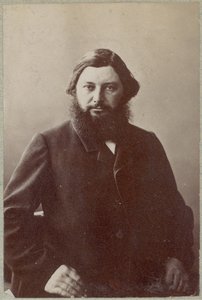
Courbet
1819 - 1877 , Francia
Gyors információk
- Artistic Movement Or Style: Realizmus
- Artists Or Movements Influenced By This Artist:
- Impressionizmus
- Post-impressionizmus
- Artists Who Influenced This Artist:
- Delacroix
- Géricault
- Caravaggio
- Date Of Birth: 1819 július 31.
- Date Of Death: 1877 április 29.
- Full Name: Gustave Courbet
- Nationality: Francia
- Notable Artworks:
- A Nagy Szél
- A Stone Breakers
- A Burial at Ornans
- Place Of Birth: Orléans, Franciaország
Kapcsolódó cikkek

Realism in Art: A Professional Guide to Authentic Detail and Lifelike Masterpieces for Large-Scale Interior Projects
Master the use of Realism in professional interiors. This expert guide explores 19th-century masterpieces, offering procurement managers and designers technical insights into selecting authentic, hand-painted oil reproductions for high-end hotel and corporate projects.


