


 Megtekintés
 Küldés
 Megosztás
 Részletek
 Útmutató

 Letöltés
 Hasonló darabok
 X-ray felvétel
 Diavetítés
 Statisztika
Polyphème

 Összes részlet megjelenítése
Giclée / Műnyomat
Múzeumi minőségű giclée vagy vászonnyomat, gyors gyártással és rugalmas finomítási lehetőségekkel. ( Kézzel festett másolat rendelése Áttérés digitális képre)




P118B Ft10

P118H Ft10

P118W Ft10

P438Z Ft10

P508JH Ft12

P508YH Ft12

P805H Ft10

P805Z Ft10

P919BZ Ft10

P919G Ft10

P919XJ Ft10

P959ZH Ft10

P968JZ Ft12

W106C Ft8

W218G Ft10

W218JH Ft8

W218Y Ft10

W307PJ Ft10

W316G Ft10

W316PJ Ft8

W316Y Ft10

W398PJ Ft8

W4111J Ft10

W500HY Ft15

W500JH Ft15

W692G Ft12

W849H Ft8

W940BG Ft15

W953PJ Ft8




Válasszon előre meghatározott méreteink közül, amelyek megfelelnek a műalkotás eredeti arányainak.

Írja be a keretének vagy a falának megfelelő szélességet és magasságot. A nyomatot csak le lehet vágni, soha nem tehető nagyobbá, mint az eredeti kép, így egy eltérő alakú méretnél a kép egy része elveszik. Mielőtt bármit kinyatintanánk, küldünk egy digitális próbamodellt jóváhagyásra. Az oldalon látható kép nem tartalmazza a valós levágást — ezt csak a próbamodell mutatja meg.
Világszerte történő kiszállítás területére mindössze 2 hét alatt, a szokásos 4-5 hét helyett. (27 október)

Ingyenes globális expressz szállítás

Prémium minőségű len vászon

Teljes körű szállítási biztosítás

Vámvisszatérítési Garancia

Hiteles színarányosság garancia

100 napos visszaküldési lehetőség (csak hibás termékek esetén)

100% pénzvisszatérítési garancia

Több darab vásárlásakor kedvezmény
 Az üvegkeretes opció csak 110 cm alatti méretben érhető el

Polyphème
Giclée / Műnyomat
Reprodukció mérete
-


Összesített ár
Ft 20661
A Realm of Solitude: Unveiling Gustave Moreau’s “Polyphème”
Gustave Moreau's “Polyphème” is not simply a depiction of the one-eyed giant from Homer’s *Odyssey*; it is an immersive journey into the heart of Symbolist aesthetics, a profound meditation on isolation, and a testament to the power of subjective experience. Painted during a period where artists were actively rebelling against the constraints of Realism and Naturalism, Moreau crafts a scene that transcends mere illustration, instead offering a deeply psychological portrait of a mythological figure reimagined as a symbol of human introspection.
The Weight of Thought and the Majesty of Nature
Moreau deliberately departs from traditional portrayals of Polyphème as a brutish antagonist. Here, the Cyclops is not engaged in conflict but lost in quiet contemplation, seated upon a rugged outcrop overlooking a dramatic waterfall. This shift in narrative focus reframes the giant—a figure typically associated with monstrous strength—as a melancholic being burdened by thought and circumstance. The sheer scale of the natural world surrounding him emphasizes his solitude; he is dwarfed by the cascading water and imposing rocks, utterly alone with his inner turmoil. The composition itself reinforces this sense of dramatic isolation, utilizing a strong vertical orientation that accentuates both Polyphème’s stature and the overwhelming power of nature. The loose, gestural brushstrokes contribute to a feeling of movement and instability, mirroring the turbulent emotions suggested by the scene.
A Masterful Technique: Impasto and Subdued Tones
Moreau's technical prowess is evident in his masterful use of oil paint. He employs an impasto technique—layering thick textures onto the canvas—creating a rough, uneven surface that enhances the painting’s visual richness and invites the viewer to engage with its tactile qualities. This isn’t a smooth, polished depiction; it's a visceral experience. The color palette is deliberately subdued, relying on tonal variations to create depth and atmosphere. Strategically placed shadows emphasize Polyphème’s form, drawing attention to his imposing physique while simultaneously hinting at the darkness within. This careful manipulation of light and shadow contributes significantly to the painting’s overall mood of melancholy and contemplation.
Symbolism and Legacy: Echoes of Mythology
The symbolism woven throughout “Polyphème” is rich and multi-layered. The waterfall, a central element of the composition, can be interpreted as representing both the life-giving force of nature and its destructive potential—a constant flow embodying the relentless passage of time and the cyclical nature of existence. Polyphème himself embodies introspection, perhaps even regret. He isn’t presented as a threat but as a figure weighed down by thought. Moreau frequently drew inspiration from mythology, not to simply retell ancient stories, but to explore universal themes of human psychology and spirituality. As a leading figure in the Symbolist movement, Moreau profoundly influenced later generations of artists, including Henri Matisse and Georges Rouault, solidifying his place as one of the most important painters of his time. His museum in Paris stands as a testament to his unique artistic vision, offering an immersive experience into his captivating world.
An Emotional Resonance for Contemporary Spaces
“Polyphème” evokes a powerful emotional response—a sense of melancholy, contemplation, and awe. Its dramatic composition and evocative imagery make it a compelling focal point for any interior space. The subdued color palette lends itself well to both traditional and contemporary settings, adding depth and sophistication. This artwork is particularly suited for libraries or studies, fostering an atmosphere of quiet reflection. It complements interiors with rich textures and muted tones, adding a touch of intellectual gravitas and artistic refinement. More than just a visual experience, “Polyphème” invites viewers to delve into the depths of human emotion and the mysteries of the imagination.
Kérdések és válaszok
Megtekinthető „Polyphème”, Gustáv Moreau alkotása a saját falamon vásárlás előtt?
A(z) "Polyphème" kiterjesztett valóság (AR) előnézettel rendelkezik: a mű Kiterjesztett valóság előnézet oldalán kompatibilis eszközön megtekinthető saját környezetében.
Megtekinthető a "Polyphème" teljes képernyős diaporámaként is?
A „Polyphème”, Gustáv Moreau alkotása diaporámaként tekinthető a mű Diaváltás oldalán.
Mely művészhez köthető a "Polyphème"?
A "Polyphème" alkotását Gustáv Moreau készítette. Az ezen az oldalon található információk Gustáv Moreau eredeti művészetét mutatják be.
Hasonló műalkotások


A művész életrajza
A Dream Weaver of Symbolism: The Life and Art of Gustave Moreau
Gustave Moreau, a name inextricably linked to the ethereal beauty and profound mysteries of Symbolist painting, emerged from 19th-century Paris as an artist utterly distinct in his vision. Born in 1826 into a comfortable bourgeois family—his father a respected architect and archivist—Moreau’s early life was steeped not just in material comfort, but also in a deep appreciation for art and intellectual curiosity. From a remarkably young age, he displayed a prodigious talent for drawing, nurtured initially through traditional academic training at the École des Beaux-Arts under the guidance of figures like François-Édouard Picot. However, Moreau’s artistic trajectory swiftly diverged from the prevailing Realist and Impressionist currents dominating his time; he possessed little interest in capturing fleeting moments or rendering objective reality. Instead, he was driven by a profound desire to unlock the hidden realms of myth, religion, and the intricate workings of the human psyche – translating these inner landscapes onto canvas through a meticulously detailed and intensely colored visual language. His artistic journey became an inward exploration, a process of distilling subjective emotions and spiritual yearnings into tangible forms, employing an obsessive attention to detail and a palette often rich with opulent hues.The Forge of Imagination: Influences and Artistic Development
Moreau’s artistic development wasn't forged in isolation; rather, it blossomed from a confluence of diverse influences. While consciously rejecting the dominant trends of his era, he drew inspiration from a remarkably broad range of sources. The dramatic use of color and exotic subject matter found in the works of Eugène Delacroix ignited within him a passionate fascination with narrative painting imbued with intense emotional resonance. He held Renaissance masters—Michelangelo and Leonardo da Vinci, in particular—in the highest esteem, deeply admiring their mastery of composition, anatomical precision, and their remarkable ability to penetrate the complexities of human psychology. Yet, Moreau’s genius lay not merely in imitation; he skillfully synthesized these influences – the dynamism of Delacroix, the anatomical rigor of the Renaissance giants – into something entirely new and uniquely his own. His pivotal journey to Italy during the 1850s proved transformative, immersing him completely within the art of antiquity and the Italian Renaissance. This experience provided a veritable treasure trove of motifs, stylistic cues, and artistic precedents that would subsequently populate his future works. Moreau meticulously copied Old Master paintings – not as mere reproductions, but as a deliberate process of absorbing their techniques, understanding their compositional strategies, and unlocking the secrets behind their enduring power. He sought to distill the essence of these masterpieces, translating them into his own distinctive visual vocabulary.A World of Symbols: Themes and Techniques
Moreau’s paintings are not simply illustrations of myths or biblical stories; they are complex allegories designed to provoke contemplation and invite multiple interpretations. He didn't approach narratives like those of Salome, Orpheus, Jupiter and Semele, or countless others, with a desire to retell them literally. Instead, he delved into their underlying psychological and spiritual truths – exploring themes of temptation, loss, redemption, beauty, and the eternal struggle between good and evil. His canvases are often teeming with symbolic imagery: serpents representing deceitful desires, jewels embodying earthly vanities, and figures embodying abstract concepts such as grief, longing, or divine grace. Moreau masterfully created an atmosphere of dreamlike enchantment through intricate detail, rich textures, and a frequently unsettling juxtaposition of light and shadow. His technique was characterized by a painstaking layering of paint—a deliberate process that built up surfaces shimmering with iridescent colors and evoking a profound sense of otherworldliness. The strategic use of gold leaf further amplified this effect, lending his works a Byzantine quality that underscored their spiritual dimension. Crucially, Moreau wasn’t primarily concerned with capturing realistic textures or perspectives; instead, he prioritized the expressive power of color and form to convey mood, emotion, and deeper meaning.Legacy and Influence: The Enduring Power of Symbolism
Though initially met with mixed reactions from the Parisian art establishment, Gustave Moreau gradually gained recognition as a central figure in the burgeoning Symbolist movement during the 1890s. Unlike some of his contemporaries who actively sought public acclaim, he remained largely reclusive, preferring to dedicate himself entirely to his artistic practice within the confines of his studio and home. However, his influence was undeniable. In 1893, he accepted a prestigious professorship at the École des Beaux-Arts, where he profoundly impacted generations of aspiring artists – including Henri Matisse and Georges Rouault – encouraging them to embrace imagination, symbolism, and individual expression, urging them to break free from conventional artistic constraints. Moreau’s legacy extends far beyond his own lifetime. His paintings continue to resonate with audiences today, offering glimpses into the hidden depths of the human soul and reminding us of the transformative power of art to transcend the boundaries of reality. The Musée Gustave Moreau, housed within his former studio and home in Paris, stands as a poignant testament to his enduring artistic vision—a sanctuary where visitors can immerse themselves fully in the captivating world of this extraordinary artist.Notable Works
- Salome Dancing before Herod: Perhaps his most iconic work, this painting exemplifies Moreau’s opulent style and his fascination with biblical narratives, capturing a moment of both beauty and impending doom.
- Jupiter and Semele: A dramatic depiction of the Greek myth, showcasing Moreau's exceptional skill in composition, color orchestration, and conveying a sense of overwhelming power.
- Orpheus: Several paintings by Moreau explore the myth of Orpheus, reflecting themes of loss, grief, artistic inspiration, and the bittersweet nature of beauty.
- The Apparition: Demonstrates his ability to create ethereal and otherworldly scenes, often imbued with a sense of mystery and melancholy.
- Desdemona: A poignant portrayal of Shakespeare’s tragic heroine, capturing her despair and vulnerability with remarkable sensitivity.
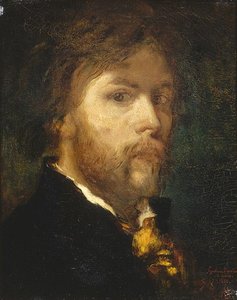
Gustáv Moreau
1826 - 1898 , Francia
Rövid információk
- Artistic Movement Or Style: Szimbolizmus
- Artists Or Movements Influenced By This Artist:
- Matisse
- Rouault
- Artists Who Influenced This Artist:
- Delacroix
- Michelangelo
- Da Vinci
- Date Of Birth: 1826. április 6.
- Date Of Death: 1898. április 18.
- Full Name: Gustave Moreau
- Nationality: Francia
- Notable Artworks:
- Salomé táncol
- Jupiter és Semele
- Orfeusz
- A megjelenés
- Desdemona
- Place Of Birth: Párizs, Franciaország
Kapcsolódó cikkek

Symbolism Explained: A Professional Guide to the Dreamlike Art Movement for High-End Interior Design
Master the Symbolist movement for your next design project. This expert guide explores dreamlike textures and mythic motifs to help hotel designers create immersive, emotive spaces with high-quality fine art reproductions.


