Megtekintés
 Küldés
 Megosztás
 Részletek

 Letöltés
 Hasonló darabok
 X-ray felvétel
 Diavetítés
Spring
 Oil On Canvas
- WallArt
- Baroque Drama Light
 1564
1564- Renaissance
 90.0 x 90.0 cm
 Scuola Grande di San Rocco
 Összes részlet megjelenítése
Kézzel készített olajfestmény reprodukció
Kézzel festett olajvastú vászon, az Ön által választott méretben és keretben, művészeink készítik meglévőre. ( Nyomat rendelése Kép letöltése)




P118B $10

P118H $10

P118W $10

P438Z $10

P508JH $12

P508YH $12

P805H $10

P805Z $10

P919BZ $10

P919G $10

P919XJ $10

P959ZH $10

P968JZ $12

W106C $8

W218G $10

W218JH $8

W218Y $10

W307PJ $10

W316G $10

W316PJ $8

W316Y $10

W398PJ $8

W4111J $10

W500HY $15

W500JH $15

W692G $12

W849H $8

W940BG $15

W953PJ $8




Válasszon előre meghatározott méreteink közül, amelyek megfelelnek a műalkotás eredeti arányainak.

Ön megadhat saját méreteket egy adott kerethez vagy térhez igazításhoz. Ha a kiválasztott méret nem egyezik az eredeti kép arányával, akkor a műalkotást levágjuk, vagy további kézzel festett elemekkel meghosszabbítjuk a festményt. A gyártás megkezdése előtt küldünk Önnek egy digitális előnézetet jóváhagyásra.
Kérjük, vegye figyelembe, hogy a képernyőn megjelenő előnézet nem tükrözi a tényleges vágást vagy kiterjesztést. Csak az előnézet fog pontosan mutatni a végső kompozíciót.
Bár egyedi méretek állnak rendelkezésre, javasoljuk, hogy válasszon egy méretet az előre meghatározott listából az eredeti arányok megőrzése érdekében.
A rendelést követően a AllPaintingsStore.com csapata e-mailt küld az ügyfélnek az instrukciókért, és biztosít egy előnézeti képet (mockup).
Világszerte elérhető szállítás () 3-4 hét alatt a szokásos 5 hét helyett. (13 augusztus). A minőség nem kérdőjelezhető.

Ingyenes globális expressz szállítás

Prémium minőségű len vászon

Teljes körű szállítási biztosítás

Vámvisszatérítési Garancia

Hiteles színpontosság garancia

60 napos visszaküldési lehetőség (csak hibás termékek esetén)

100% pénzvisszatérítési garancia

Több darab vásárlása esetén kedvezmény
 Az üvegkeretes opció csak 110 cm alatti méretben érhető el

Spring
Reprodukciós technika
Reprodukció mérete
-


Összesített ár
$ 258
A műalkotás leírása
A Symphony of Rebirth: The Luminous Spirit of Tintoretto’s Spring
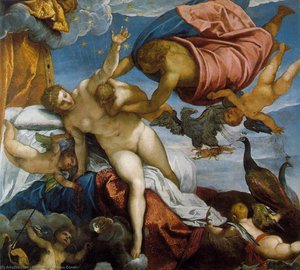
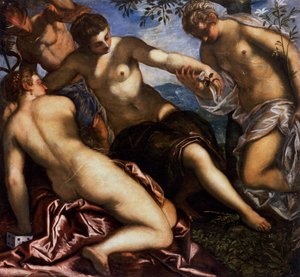
In the heart of Venice, within the hallowed halls of the Scuola Grande di San Rocco, resides a masterpiece that captures the very essence of life's eternal renewal. Jacopo Tintoretto’s "Spring," painted around 1564, is far more than a mere seasonal depiction; it is a profound meditation on the cyclical rhythms of nature and the human soul. As one gazes upon this oil on canvas, there is an immediate sense of being transported to a moment of pure, unadulterated peace. The composition centers on a tender, sleeping infant nestled amidst weathered rocks, a figure of absolute innocence enveloped by a verdant, flourishing landscape. This deliberate juxtaposition of the fragile human form against the robust, burgeoning greenery serves as a powerful emblem of rebirth, mirroring the way the earth awakens after the slumber of winter.
The brilliance of this work lies in Tintoretto’s unparalleled ability to manipulate light and shadow, a technique known as chiaroscuro. Known by his contemporaries as "Il Furioso" for his energetic and often rebellious approach to painting, Tintoretto breathes life into the stillness through rapid, masterful brushstrokes and a bold use of color. The light does not merely illuminate the scene; it dances across the textured surface, where the artist employed an impasto technique—applying paint thickly to create a tactile, three-dimensional quality. This interplay of light and shadow creates a sense of movement within the tranquility, suggesting that even in moments of profound rest, the energy of life is vibrantly pulsing just beneath the surface.
Symbolism and the Renaissance Vision
To understand "Spring" is to delve into the humanist ideals of the Late Renaissance. Every element within the frame is steeped in symbolic resonance. The strategic placement of flora around the infant’s head is not merely decorative; it represents the interconnectedness of humanity and the natural world. In the eyes of a Renaissance viewer, this scene would evoke thoughts of spiritual growth and the blossoming of divine grace. The lush vegetation acts as a living crown, celebrating the fertility and abundance that the season promises. For the modern collector or interior designer, this painting offers a sophisticated layer of meaning, providing a focal point that radiates both vitality and serenity.
Beyond its technical mastery, the emotional impact of the piece is deeply evocative. It invites the viewer into a "capriccio of dreams," a term once used to describe the ethereal quality of such allegorical works. There is a haunting beauty in the way Tintoretto captures the ephemeral nature of youth and the fleeting moment of a peaceful nap. For those seeking to adorn a space with art that inspires contemplation, "Spring" provides an unparalleled atmosphere. Whether placed in a sun-drenched morning room or a quiet study, a high-quality reproduction of this masterpiece brings with it the timeless allure of Venice and the enduring promise of new beginnings.
A művész életrajza
A Venetian Master of Drama and Light
Jacopo Tintoretto, born Jacopo Robusti in Venice around 1518, remains one of the most compelling and enigmatic figures of the High Renaissance and early Baroque periods. His very nickname, “Tintoretto” – little dyer – speaks to his family’s trade, yet it belies the immense artistry that would distinguish him from all others. Unlike many artists who benefited from structured apprenticeships, Tintoretto's path was largely self-directed, fueled by an insatiable curiosity and a relentless drive for innovation. While accounts suggest a brief and unsuccessful stint under Titian, the acknowledged master of Venetian colorism, it seems the experience proved more contentious than formative. Titian’s alleged dismissal of the young Jacopo – whether due to jealousy or artistic disagreement – spurred Tintoretto toward an independent course, one characterized by audacious experimentation and a uniquely dynamic style. He immersed himself in anatomical study, reportedly through dissection, and honed his skills by meticulously copying classical sculpture and the works of other masters. This dedication laid the foundation for a career that would redefine Venetian painting.Forging a Distinctive Style: *Il Furioso*
Tintoretto’s artistic development was marked by an almost feverish energy, earning him another evocative nickname: *Il Furioso* – “the Furious One.” This moniker wasn't merely descriptive of his working pace but also captured the intensity and emotional charge that permeated his canvases. His early works already hinted at a departure from traditional Venetian conventions. While acknowledging Titian’s influence in color, Tintoretto gravitated towards Michelangelo’s powerful figures and dramatic compositions. He synthesized these influences into something entirely new: a style characterized by elongated forms, swirling draperies, and an innovative use of perspective that often created a sense of dizzying depth and movement. He abandoned the meticulous finish favored by his contemporaries, opting instead for a rapid, almost sketch-like brushstroke that conveyed immediacy and raw emotion. This technique, combined with his masterful manipulation of light and shadow – *chiaroscuro* – allowed him to create scenes of unparalleled drama and psychological intensity. He wasn’t simply depicting events; he was conveying their emotional core. His compositions were often asymmetrical and dynamic, filled with movement and a sense of urgency—a stark contrast to the balanced, static arrangements typical of earlier Renaissance painters.Monumental Achievements: San Rocco and Beyond
Tintoretto's prodigious output spanned decades, encompassing religious narratives, historical allegories, and portraits. However, his most significant achievement lies in the cycle of paintings he created for the Scuola Grande di San Rocco, a Venetian confraternity dedicated to Saint Roch. Over a period of more than fifty years, Tintoretto adorned the Scuola’s halls with over sixty canvases, transforming it into a breathtaking visual testament to faith and human experience. Works like “The Last Supper,” completed late in his life, demonstrate his continued experimentation with perspective and composition. Departing from traditional depictions, Tintoretto placed the scene in a dramatically lit, architecturally unstable space, emphasizing the emotional turmoil of Christ’s final meal with his disciples. Other notable works include “The Miracle of St Mark Freeing the Slave,” a powerful display of dynamic composition and foreshortening, and numerous paintings for Venetian churches and palaces that showcase his mastery of scale and narrative storytelling. These monumental projects cemented Tintoretto's reputation as one of Venice’s most important artists. He was not merely a painter; he was a visual storyteller who understood how to harness the power of art to evoke emotion and inspire awe.Influences and Artistic Connections
Tintoretto’s artistic journey reveals a complex interplay of influences. While deeply indebted to Titian's coloristic mastery, he also drew inspiration from Michelangelo’s dynamism and classical sculpture. The influence of Leonardo da Vinci is also evident in his meticulous anatomical studies and innovative use of perspective. However, Tintoretto was not simply imitating these masters; he was transforming their ideas into something uniquely his own. He actively sought out knowledge beyond the traditional art academies, studying anatomy through dissection – a practice considered controversial at the time – and immersing himself in classical literature and philosophy. His workshop became a hub for young artists eager to learn from his unconventional methods. His relationship with Paolo Veronese was particularly significant; they collaborated on several projects, exchanging ideas and techniques that further enriched Tintoretto’s artistic vocabulary.Legacy and Historical Significance
Jacopo Tintoretto died in Venice in 1594, leaving behind a vast and influential body of work. He bridged the gap between the High Renaissance and the Baroque period, anticipating many of the stylistic innovations that would define the latter. His dramatic compositions, expressive brushwork, and innovative use of light and shadow profoundly influenced artists such as Caravaggio, Rembrandt, and Delacroix. He wasn’t merely a painter; he was a visual storyteller who understood how to harness the power of art to evoke emotion and inspire awe. As one of the three great Venetian painters of the 16th century – alongside Titian and Paolo Veronese – Tintoretto played a crucial role in shaping the artistic landscape of Venice during its golden age. His work reflects not only the religious fervor and political tensions of his time but also a uniquely personal vision that continues to resonate with audiences today, solidifying his place as one of history’s most important and captivating artists. His legacy is a testament to the enduring power of artistic innovation and the transformative potential of human creativity.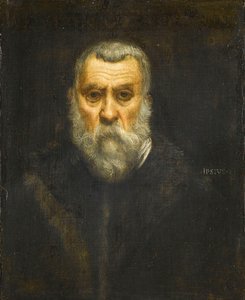
Tintoretto
1518 - 1594 , Olaszország
A művészről röviden
- Artistic Movement Or Style: Reneszánszi, Mannerista
- Artists Or Movements Influenced By This Artist:
- Caravaggio
- Barokk
- Artists Who Influenced This Artist:
- Tiziano
- Michelangelo
- Date Of Birth: 1518
- Date Of Death: 1594
- Full Name: Jacopo Robusti
- Nationality: Olasz
- Notable Artworks:
- San Marco csodája
- Utolsó vacsora
- Place Of Birth: Velence, Olaszország
Kapcsolódó cikkek

Jacopo Tintoretto 25 Mesterműve: A Velencei Dráma és Fény Világa | AllPaintingsStore
Fedezze fel Jacopo Tintoretto 25 legpárásabb műalkotását! A velencei reneszánsz drámája és a barokk fények világa. Vásároljon luxus minőségű reprodukciókat, inspirálja otthonát AllPaintingsStore-on. Explore the full collection online!

The Enduring Legacy of Oil on Canvas: Technique, History & Aesthetic Impact
Explore the rich history & techniques of oil painting – from Renaissance masters to Impressionism. Discover pigments, layering methods, and why this timeless medium endures. Expert insights for artists & art enthusiasts.

Oil on Canvas: A Historical & Technical Exploration of a Timeless Artistic Medium
Explore the rich history & enduring techniques of oil painting on canvas. Discover the science behind its longevity, conservation practices, and contemporary relevance. Expert insights for art enthusiasts.

Az olajfestészet örökös hagyatéka: technika, történelem és kortárs gyakorlat
Fedezze fel az olajfestészet történetét, technikáit és a kortárs művészeti trendeket! Szakértői útmutatók, híres festők alkotásai és tippek az olajfestmény ápolásához. Inspirálódjon most!
A művészettörténet 10 ikonikus olajfestménye – AllPaintingsStore.com
Fedezze fel a művészettörténet 10 legikonikusabb olajfestményét! Leonardo, Van Gogh, Rembrandt és más mesterek remekművei – történetükkel, technikájukkal. Vászonképek otthonába a AllPaintingsStore.com-on! Fedezze fel a teljes gyűjteményt online.