


 Előnézet
 Megosztás
 Megosztás
 Részletek
 Útmutató

 Letöltés
 Hasonló darabok
 X-ray felvétel
 Diavetítés
 Statisztika
St Louis, St George, and the Princess
 Acrylic On Canvas
- WallArt
- Baroque Drama
 1553
1553 226.0 x 146.0 cm
 Gallerie dell’Accademia
 Tovább olvasom
Kézzel készített olajfestmény reprodukció
Kézzel festett olajvastú vászon, az Ön által választott méretben és keretben, művészeink készítik meglévőre. ( Váltás nyomtatványra Áttérés digitális képre)




P118B $10

P118H $10

P118W $10

P438Z $10

P508JH $12

P508YH $12

P805H $10

P805Z $10

P919BZ $10

P919G $10

P919XJ $10

P959ZH $10

P968JZ $12

W106C $8

W218G $10

W218JH $8

W218Y $10

W307PJ $10

W316G $10

W316PJ $8

W316Y $10

W398PJ $8

W4111J $10

W500HY $15

W500JH $15

W692G $12

W849H $8

W940BG $15

W953PJ $8




Válasszon előre meghatározott méreteink közül, amelyek megfelelnek a műalkotás eredeti arányainak.

Ön megadhat saját méreteket egy adott kerethez vagy térhez igazításhoz. Ha a kiválasztott méret nem egyezik az eredeti kép arányával, akkor a műalkotást levágjuk, vagy további kézzel festett elemekkel meghosszabbítjuk a festményt. A gyártás megkezdése előtt küldünk Önnek egy digitális előnézetet jóváhagyásra.
Kérjük, vegye figyelembe, hogy a képernyőn megjelenő előnézet nem tükrözi a tényleges vágást vagy kiterjesztést. Csak az előnézet fog pontosan mutatni a végső kompozíciót.
Bár egyedi méretek állnak rendelkezésre, javasoljuk, hogy válasszon egy méretet az előre meghatározott listából az eredeti arányok megőrzése érdekében.
A rendelést követően a AllPaintingsStore.com csapata e-mailt küld az ügyfélnek az instrukciókért, és biztosít egy előnézeti képet (mockup).
Világszerte elérhető szállítás () 3-4 hét alatt a szokásos 5 hét helyett. (21 szeptember). A minőség nem kérdőjelezhető.

Ingyenes globális expressz szállítás

Prémium minőségű len vászon

Teljes körű szállítási biztosítás

Vámvisszatérítési Garancia

Tökéletes színarányosság garancia

100 napos visszaküldési garancia (csak gyártási hibás termékek esetén)

100% pénzvisszatérítési garancia

Több darab vásárlásakor kedvezmény
 Az üvegkeretes opció csak 110 cm alatti méretben érhető el

St Louis, St George, and the Princess
Reprodukciós technika
Reprodukció méretei
-


Összesített ár
$ 258
A Dramatic Narrative in Venetian Light: Tintoretto’s “St Louis, St George, and the Princess”
Jacopo Tintoretto's "St Louis, St George, and the Princess," painted in 1553, is not merely a religious scene; it’s a theatrical tableau brimming with dramatic intensity and profound psychological depth. This monumental canvas, measuring 226 x 146 cm, transports us to a world where faith, chivalry, and vulnerability intertwine within the opulent setting of Venice – Tintoretto's beloved city. The painting immediately captivates with its masterful use of light and shadow, a hallmark of the Venetian painter’s distinctive style. He employs *chiaroscuro*—the dramatic contrast between light and dark—to sculpt forms, heighten emotion, and draw the viewer into the heart of the narrative.
At the center of this complex composition lies the Princess, rendered in a state of exquisite repose. Her languid pose, head nestled against St George’s lap, speaks volumes about her vulnerability and perhaps even a premonition of fate. The figures surrounding her – St Louis, radiating authority with his raised sword, and the supporting cast—are not simply participants in a biblical story; they are embodiments of power, duty, and sacrifice. Tintoretto doesn't offer a straightforward depiction of salvation; instead, he presents a moment suspended between action and contemplation, inviting us to interpret the scene’s meaning.
The Painter’s Technique: A Symphony of Color and Movement
Tintoretto was renowned for his innovative painting techniques, pushing the boundaries of Venetian art. He employed a rapid *alla prima* method—working directly on the canvas without underdrawings or preliminary sketches—allowing him to capture fleeting moments with astonishing immediacy. Notice the loose, expressive brushstrokes that create a sense of dynamism and movement throughout the composition. The colors are rich and vibrant, yet tempered by a masterful understanding of atmospheric perspective, creating a believable depth within the scene. He utilized layering techniques, building up color and detail in successive applications of paint, resulting in a surface texture that is both luminous and tactile.
Furthermore, Tintoretto’s use of oil paints allowed him to achieve remarkable effects of glazing—thin layers of translucent color applied over dry underpaintings. This technique creates an ethereal quality, particularly evident in the drapery and the figures' skin tones, lending a sense of otherworldly beauty to the scene. The artist’s meticulous attention to detail is balanced by his willingness to embrace spontaneity, resulting in a work that feels both meticulously crafted and intensely alive.
Symbolism and Historical Context: Venice at its Zenith
“St Louis, St George, and the Princess” reflects the complex religious and social landscape of 16th-century Venice. The painting draws upon multiple biblical narratives—the martyrdom of St George, the story of St Louis (Saint Ludmila), and potentially alludes to tales surrounding a princess rescued from danger – weaving them together into a single, compelling narrative. The presence of a dragon or monstrous creature in the lower portion of the scene adds an element of peril and underscores the heroic deeds of St George.
Venice at this time was experiencing a golden age of artistic and commercial prosperity, yet also grappling with political instability and religious anxieties. Tintoretto’s dramatic style mirrored these tensions, reflecting both the grandeur and the underlying uncertainties of the era. His work served not only as devotional art but also as a powerful statement about Venetian identity and its place in the world.
A Timeless Masterpiece: Reproduction and Artistic Legacy
AllPaintingsStore is proud to offer meticulously crafted, hand-painted reproductions of Tintoretto’s “St Louis, St George, and the Princess.” These faithful recreations capture not only the painting's visual splendor but also its emotional resonance. The use of archival-quality materials ensures that these reproductions will endure for generations to come, allowing you to experience this masterpiece in your own home or office. Whether you are an art enthusiast, a collector seeking to expand your collection, or an interior designer looking for a statement piece, this painting offers a unique opportunity to connect with one of the greatest artists of the Renaissance and Baroque periods.
Hasonló műalkotások


A művész életrajza
A Venetian Master of Drama and Light
Jacopo Tintoretto, born Jacopo Robusti in Venice around 1518, remains one of the most compelling and enigmatic figures of the High Renaissance and early Baroque periods. His very nickname, “Tintoretto” – little dyer – speaks to his family’s trade, yet it belies the immense artistry that would distinguish him from all others. Unlike many artists who benefited from structured apprenticeships, Tintoretto's path was largely self-directed, fueled by an insatiable curiosity and a relentless drive for innovation. While accounts suggest a brief and unsuccessful stint under Titian, the acknowledged master of Venetian colorism, it seems the experience proved more contentious than formative. Titian’s alleged dismissal of the young Jacopo – whether due to jealousy or artistic disagreement – spurred Tintoretto toward an independent course, one characterized by audacious experimentation and a uniquely dynamic style. He immersed himself in anatomical study, reportedly through dissection, and honed his skills by meticulously copying classical sculpture and the works of other masters. This dedication laid the foundation for a career that would redefine Venetian painting.Forging a Distinctive Style: *Il Furioso*
Tintoretto’s artistic development was marked by an almost feverish energy, earning him another evocative nickname: *Il Furioso* – “the Furious One.” This moniker wasn't merely descriptive of his working pace but also captured the intensity and emotional charge that permeated his canvases. His early works already hinted at a departure from traditional Venetian conventions. While acknowledging Titian’s influence in color, Tintoretto gravitated towards Michelangelo’s powerful figures and dramatic compositions. He synthesized these influences into something entirely new: a style characterized by elongated forms, swirling draperies, and an innovative use of perspective that often created a sense of dizzying depth and movement. He abandoned the meticulous finish favored by his contemporaries, opting instead for a rapid, almost sketch-like brushstroke that conveyed immediacy and raw emotion. This technique, combined with his masterful manipulation of light and shadow – *chiaroscuro* – allowed him to create scenes of unparalleled drama and psychological intensity. He wasn’t simply depicting events; he was conveying their emotional core. His compositions were often asymmetrical and dynamic, filled with movement and a sense of urgency—a stark contrast to the balanced, static arrangements typical of earlier Renaissance painters.Monumental Achievements: San Rocco and Beyond
Tintoretto's prodigious output spanned decades, encompassing religious narratives, historical allegories, and portraits. However, his most significant achievement lies in the cycle of paintings he created for the Scuola Grande di San Rocco, a Venetian confraternity dedicated to Saint Roch. Over a period of more than fifty years, Tintoretto adorned the Scuola’s halls with over sixty canvases, transforming it into a breathtaking visual testament to faith and human experience. Works like “The Last Supper,” completed late in his life, demonstrate his continued experimentation with perspective and composition. Departing from traditional depictions, Tintoretto placed the scene in a dramatically lit, architecturally unstable space, emphasizing the emotional turmoil of Christ’s final meal with his disciples. Other notable works include “The Miracle of St Mark Freeing the Slave,” a powerful display of dynamic composition and foreshortening, and numerous paintings for Venetian churches and palaces that showcase his mastery of scale and narrative storytelling. These monumental projects cemented Tintoretto's reputation as one of Venice’s most important artists. He was not merely a painter; he was a visual storyteller who understood how to harness the power of art to evoke emotion and inspire awe.Influences and Artistic Connections
Tintoretto’s artistic journey reveals a complex interplay of influences. While deeply indebted to Titian's coloristic mastery, he also drew inspiration from Michelangelo’s dynamism and classical sculpture. The influence of Leonardo da Vinci is also evident in his meticulous anatomical studies and innovative use of perspective. However, Tintoretto was not simply imitating these masters; he was transforming their ideas into something uniquely his own. He actively sought out knowledge beyond the traditional art academies, studying anatomy through dissection – a practice considered controversial at the time – and immersing himself in classical literature and philosophy. His workshop became a hub for young artists eager to learn from his unconventional methods. His relationship with Paolo Veronese was particularly significant; they collaborated on several projects, exchanging ideas and techniques that further enriched Tintoretto’s artistic vocabulary.Legacy and Historical Significance
Jacopo Tintoretto died in Venice in 1594, leaving behind a vast and influential body of work. He bridged the gap between the High Renaissance and the Baroque period, anticipating many of the stylistic innovations that would define the latter. His dramatic compositions, expressive brushwork, and innovative use of light and shadow profoundly influenced artists such as Caravaggio, Rembrandt, and Delacroix. He wasn’t merely a painter; he was a visual storyteller who understood how to harness the power of art to evoke emotion and inspire awe. As one of the three great Venetian painters of the 16th century – alongside Titian and Paolo Veronese – Tintoretto played a crucial role in shaping the artistic landscape of Venice during its golden age. His work reflects not only the religious fervor and political tensions of his time but also a uniquely personal vision that continues to resonate with audiences today, solidifying his place as one of history’s most important and captivating artists. His legacy is a testament to the enduring power of artistic innovation and the transformative potential of human creativity.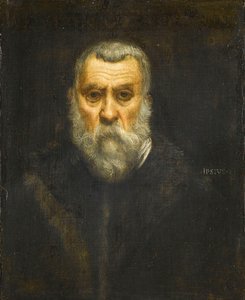
Tintoretto
1518 - 1594 , Olaszország
Gyors információk
- Artistic Movement Or Style: Reneszánszi, Mannerista
- Artists Or Movements Influenced By This Artist:
- Caravaggio
- Barokk
- Artists Who Influenced This Artist:
- Tiziano
- Michelangelo
- Date Of Birth: 1518
- Date Of Death: 1594
- Full Name: Jacopo Robusti
- Nationality: Olasz
- Notable Artworks:
- San Marco csodája
- Utolsó vacsora
- Place Of Birth: Velence, Olaszország
Kapcsolódó cikkek
Georges Braque Mesterek: A 25 Leglenyűgözőbb Kép, Ami Megváltoztatta a Modern Festészetet
Fedezze fel Georges Braque 25 legikonikusabb műalkotását! Ismerje meg a kubizmus történetét, Picasso hatását és a francia művész lenyűgöző festményeit. Múzeumi minőségű reprodukciók és inspiráló dekorációs ötletek a AllPaintingsStore.com-on.

Georges Seurat 25 Mesterműve: A Pontillizmus Zsenialitása – AllPaintingsStore.com
Fedezze fel Georges Seurat 25 legikonikusabb művét! Ismerje meg a pontillizmus zsenialitását, az impresszionizmus forradalmát és a színek lenyűgöző játékát. Prémium minőségű reprodukciók és inspiráló otthoni dekorációk a AllPaintingsStore.com-on. Fedezze fel a teljes gyűjteményt online!

Venetian Renaissance: The Mastery of Color, Light, and the Art of Colorito
Explore the luminous mastery of the Venetian Renaissance. Discover how masters like Titian and Giorgione revolutionized art through colorito, light, and atmosphere. An expert guide to the golden age of Italian painting for collectors and enthusiasts.
El Greco 25 Mesterműve: A Spanyol Reneszánsz Legkiemelkedőbb Alkotásai – AllPaintingsStore.com
Fedezze fel El Greco 25 leglenyűgözőbb művészeti alkotását! Ismerje meg a spanyol reneszánsz és manierizmus mesterét, festményeinek történetét és spirituális mélységét. Luxus reprodukciók – AllPaintingsStore.com.

Jacopo Tintoretto 25 Mesterműve: A Velencei Dráma és Fény Világa | AllPaintingsStore
Fedezze fel Jacopo Tintoretto 25 legpárásabb műalkotását! A velencei reneszánsz drámája és a barokk fények világa. Vásároljon luxus minőségű reprodukciókat, inspirálja otthonát AllPaintingsStore-on. Explore the full collection online!


