


 Megtekintés
 Küldés
 Megosztás
 Részletek
 Útmutató

 Letöltés
 Hasonló darabok
 X-ray felvétel
 Diavetítés
 Kérdések és válaszok
 Statisztika
Apples


 Összes részlet megjelenítése
Giclée / Műnyomat
Múzeumi minőségű giclée vagy vászonnyomat, gyors gyártással és rugalmas finomítási lehetőségekkel. ( Kézzel festett másolat rendelése Áttérés digitális képre)




P118B Ft10

P118H Ft10

P118W Ft10

P438Z Ft10

P508JH Ft12

P508YH Ft12

P805H Ft10

P805Z Ft10

P919BZ Ft10

P919G Ft10

P919XJ Ft10

P959ZH Ft10

P968JZ Ft12

W106C Ft8

W218G Ft10

W218JH Ft8

W218Y Ft10

W307PJ Ft10

W316G Ft10

W316PJ Ft8

W316Y Ft10

W398PJ Ft8

W4111J Ft10

W500HY Ft15

W500JH Ft15

W692G Ft12

W849H Ft8

W940BG Ft15

W953PJ Ft8




Válasszon előre meghatározott méreteink közül, amelyek megfelelnek a műalkotás eredeti arányainak.

Írja be a keretének vagy a falának megfelelő szélességet és magasságot. A nyomatot csak le lehet vágni, soha nem tehető nagyobbá, mint az eredeti kép, így egy eltérő alakú méretnél a kép egy része elveszik. Mielőtt bármit kinyatintanánk, küldünk egy digitális próbamodellt jóváhagyásra. Az oldalon látható kép nem tartalmazza a valós levágást — ezt csak a próbamodell mutatja meg.
Világszerte történő kiszállítás területére mindössze 2 hét alatt, a szokásos 4-5 hét helyett. (16 november)

Ingyenes globális expressz szállítás

Prémium minőségű len vászon

Teljes körű szállítási biztosítás

Vámvisszatérítési Garancia

Hiteles színarányosság garancia

100 napos visszaküldési lehetőség (csak hibás termékek esetén)

100% pénzvisszatérítési garancia

Több darab vásárlásakor kedvezmény
 Az üvegkeretes opció csak 110 cm alatti méretben érhető el

Apples
Giclée / Műnyomat
Reprodukció mérete
-


Összesített ár
Ft 21004
A Quiet Abundance: Exploring James Ensor’s “Apples”
This still life, simply titled “Apples,” offers a glimpse into James Ensor's often-overlooked explorations beyond his more famous grotesque and satirical works. While known for challenging artistic conventions, Ensor also possessed a keen eye for the beauty of everyday objects, as evidenced in this intimate depiction of fruit arranged on a table. The painting features a collection of apples – alongside oranges and bananas – scattered with casual abundance. A bowl suggests further bounty hidden from full view, while a solitary chair anchors the composition to a domestic setting.Style & Technique: Impressionistic Touches within Symbolist Framework
Though Ensor is firmly placed within the Symbolist movement, “Apples” reveals subtle influences of Impressionism in its handling of light and color. The brushwork isn’t overtly expressive, but it's loose enough to capture the sheen on the fruit and suggest a sense of immediacy. Ensor’s technique here is characterized by a careful observation of form combined with a slightly muted palette, creating an atmosphere that feels both realistic and dreamlike. This contrasts sharply with the often-garish colors found in his more well-known pieces, like “The Fall of the Rebellious Angels.” He employs a relatively traditional oil painting technique, building up layers to achieve depth and texture, but always with a distinctive personal touch.Historical Context: A Moment of Repose
Created sometime during Ensor’s prolific career (1860-1949), “Apples” stands as a quiet counterpoint to the turbulent social and political climate of late 19th and early 20th century Belgium. While Europe braced for war, and artistic movements like Expressionism began to emerge, Ensor occasionally retreated into these more intimate studies of still life. These works offer insight into his personal world and a respite from the anxieties that fueled much of his satirical output. He was moving away from direct social commentary at times, exploring instead the inherent beauty in simple subjects. His earlier training at the Académie Royale des Beaux-Arts provided him with a solid foundation in traditional techniques, which he then subverted and adapted to his unique vision.Symbolism & Interpretation: Beyond Simple Representation
While seemingly straightforward, even Ensor’s still lifes are imbued with potential symbolism. Apples themselves have long held symbolic weight – representing temptation, knowledge, and the fall of man in religious iconography. In this context, however, their meaning is more ambiguous. The presence of other fruits—oranges symbolizing prosperity and bananas hinting at exoticism—adds layers to the interpretation. The chair, often a symbol of absence or waiting, introduces a subtle melancholic note. It’s possible Ensor intended these elements not as explicit allegories but rather as evocative details that invite contemplation on themes of transience, abundance, and the beauty of fleeting moments.Emotional Impact & Aesthetic Appeal
“Apples” evokes a sense of peaceful domesticity and quiet contemplation. The composition is balanced and harmonious, creating a visually pleasing experience. The painting’s subdued colors and soft lighting contribute to its calming effect. For collectors and interior designers, this work offers versatility – it can seamlessly integrate into various settings, from traditional to contemporary spaces. Its understated elegance makes it an ideal piece for those seeking artwork that is both beautiful and intellectually stimulating. It's a reminder that even within the oeuvre of a radical artist like James Ensor, there exists a profound appreciation for the simple pleasures of life.Kérdések és válaszok
Mekkora a fényerke „Apples”, James Ensor alkotása alkotásnak?
A "Apples" színei Dark fényerőt mutatnak.
Mi a(z) domináns színe a(z) „Apples”, James Ensor alkotása alkotásnak?
A „Apples”, James Ensor alkotása domináns színe a Driftwood (#b8b25c).
Elérhető diákok számára egy „Apples”, James Ensor alkotása információs adatlap?
A „Apples”, James Ensor alkotása Útmutató oldala egy kinyomtatható, kétoldalas információs adatlapot kínál: magát a műalkotást az azonosító táblázattal, egy időrendi sávot, amely a művész életkorába helyezi a alkotást, a művész további treballatait, a megmért színpalettát, valamint négy különböző stílusban, azonnal másolható idézeteket.
Hasonló műalkotások


Kapcsolódó cikkek

Sweet & Simple: How Apple Art Can Transform Your Home Decor with Timeless Impressionist Elegance
Discover how apple-themed Impressionist art can bring warmth and vitality to your home. From Renoir-inspired oils to custom fruit commissions, our expert guide helps you select the perfect hand-painted masterpiece to transform your interior decor with timeless elegance.

The Weight of an Apple: From Biblical Allegory to the Structural Vision of Cézanne
Explore the evolution of the apple from biblical allegory to Cézanne's geometry. Trace this artistic legacy with our expert analysis.

James Ensor's Grotesque Visions: Social Commentary & Artistic Innovation
Explore the unsettling yet captivating world of James Ensor, a pioneer of Expressionism. Discover his satirical masterpieces, symbolic imagery & lasting influence on modern art. High-quality reproductions available at AllPaintingsStore.
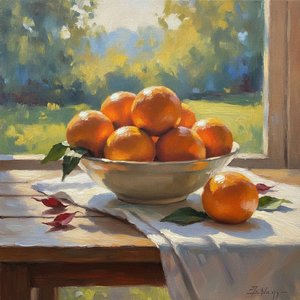
Sun-Drenched Citrus: The Vibrant Beauty of Oranges in Impressionist Masterpieces
Embark on a sensory journey through Impressionist masterpieces. Discover how Renoir and Cézanne captured the vibrant light and luscious textures of sun-drenched oranges in exquisite still life paintings designed to inspire and transform your home.
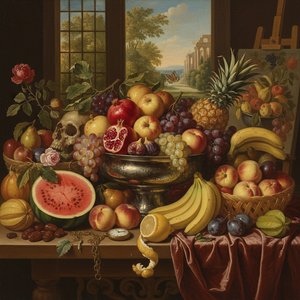
The Bountiful Still Life: Symbolism & Artistic Representation of Fruit Across Art History
Explore the rich history of still life painting & the symbolism of fruit across art movements. Discover masterpieces from Caravaggio to Cézanne with AllPaintingsStore – expert guidance & museum-quality reproductions.


