


 Előnézet
 Megosztás
 Megosztás
 Részletek
 Útmutató

 Letöltés
 Hasonló darabok
 X-ray felvétel
 Diavetítés
 Statisztika
The Orchard


 Tovább olvasom
Kézzel készített olajfestmény reprodukció
Kézzel festett olajvastú vászon, az Ön által választott méretben és keretben, művészeink készítik meglévőre. ( Váltás nyomtatványra Áttérés digitális képre)




P118B Ft10

P118H Ft10

P118W Ft10

P438Z Ft10

P508JH Ft12

P508YH Ft12

P805H Ft10

P805Z Ft10

P919BZ Ft10

P919G Ft10

P919XJ Ft10

P959ZH Ft10

P968JZ Ft12

W106C Ft8

W218G Ft10

W218JH Ft8

W218Y Ft10

W307PJ Ft10

W316G Ft10

W316PJ Ft8

W316Y Ft10

W398PJ Ft8

W4111J Ft10

W500HY Ft15

W500JH Ft15

W692G Ft12

W849H Ft8

W940BG Ft15

W953PJ Ft8




Válasszon előre meghatározott méreteink közül, amelyek megfelelnek a műalkotás eredeti arányainak.

Írja be a kívánt szélességet és magasságot, hogy illeszkedjen a keretéhez vagy a falához. Mivel ez kézzel festett alkotás, egy eltérő formájú méret esetén a művész akár festhet is valamivel többet a kép körül, vagy korolathat is belőle — az Ön döntésének megfelelően. A festés megkezdése előtt küldünk egy digitális tervezetet jóváhagyásra. Az oldalon látható kép nem tartalmazza a végeredményt — csak a tervezet mutatja meg a valódi eredményt.
A rendelést követően a AllPaintingsStore.com csapata e-mailt küld az ügyfélnek az instrukciókért, és biztosít egy előnézeti képet (mockup).
Világszerte elérhető szállítás () 3-4 hét alatt a szokásos 5 hét helyett. (23 október). A minőség nem kérdőjelezhető.

Ingyenes globális expressz szállítás

Prémium minőségű len vászon

Teljes körű szállítási biztosítás

Vámvisszatérítési Garancia

Tökéletes színarányosság garancia

100 napos visszaküldési garancia (csak gyártási hibás termékek esetén)

100% pénzvisszatérítési garancia

Több darab vásárlásakor kedvezmény
 Az üvegkeretes opció csak 110 cm alatti méretben érhető el

The Orchard
Reprodukciós technika
Reprodukció méretei
-


Összesített ár
Ft 82941
A Silent Orchard’s Echoes: James Ensor's "The Orchard"
James Ensor’s “The Orchard,” painted in 1886, isn’t merely a depiction of a rural landscape; it’s a carefully constructed psychological portrait rendered with the unsettling precision that defined the artist’s unique vision. Born in Ostend, Belgium, amidst a vibrant carnival scene – a world of masks and theatricality – Ensor carried this fascination throughout his career, translating its inherent ambiguity into his art. “The Orchard” embodies this perfectly, presenting a seemingly tranquil vista that immediately hints at something deeper, something subtly unsettling beneath the surface. The painting’s monochrome palette—a carefully orchestrated dance of grays—immediately establishes an atmosphere of quiet contemplation and restrained emotion. It's not a celebration of nature’s beauty in its purest form, but rather a considered observation filtered through Ensor’s intensely personal lens.Composition and Technique: A Sketch from the Soul
The composition is deceptively simple, yet profoundly effective. A modest building—perhaps a farmhouse or a small dwelling—nestles within a cluster of trees that recede into a hazy distance. The arrangement isn’t one of dramatic perspective; instead, it feels like a quick sketch, an impression captured in charcoal or pencil – a deliberate choice by Ensor to convey immediacy and spontaneity. Notice the visible strokes, the delicate layering of lines that build up form and texture. This technique—a hallmark of Ensor's style—is not about meticulous detail but rather about capturing the *feeling* of the scene, the way light falls on bark and shadow plays across leaves. The use of hatching and cross-hatching creates a tactile quality, inviting the viewer to almost reach out and touch the surface of the painting. The artist’s hand is undeniably present, lending an intimate and slightly melancholic quality to the work.Symbolism and the Weight of Memory
While seemingly straightforward, “The Orchard” bristles with symbolic weight. The muted colors, the solitary building, and the dense foliage all contribute to a sense of isolation and introspection. Considering Ensor’s background—his childhood spent amidst the spectacle of carnival masks – it's not surprising that this motif reappears here, albeit subtly. The orchard itself can be interpreted as a metaphor for memory, a place where fragments of the past are preserved and revisited. The building, small and unassuming, suggests a retreat from the world, a space for quiet contemplation—or perhaps, for dwelling on unresolved emotions. The lack of vibrant color further reinforces this sense of melancholy, suggesting that even in a beautiful setting, there’s an underlying sadness.Historical Context & Influences
- Ensor's work is often associated with the Symbolist movement and foreshadows Expressionism, emphasizing emotional intensity over realistic representation.
- His use of masks and theatrical elements reflects a broader interest in exploring the darker aspects of human psychology.
- The painting’s stark monochrome palette aligns with the artistic trends of late 19th-century Europe, where artists sought to move beyond traditional academic styles.
An Emotional Resonance: A Quiet Contemplation
Ultimately, “The Orchard” is a profoundly moving work that transcends its simple subject matter. It’s not a painting about apples or trees; it's a painting about the human condition—about memory, loss, and the quiet beauty of solitude. The subdued colors and expressive brushstrokes evoke a sense of melancholy and introspection, inviting viewers to contemplate their own personal histories and emotional landscapes. Reproductions of this piece offer a remarkable opportunity to bring this evocative atmosphere into any space, providing a focal point for reflection and conversation. It’s a testament to Ensor's genius that a seemingly simple orchard can hold such profound depth and resonance.Gyakran Ismételt Kérdések
Milyen motívumok jelennek meg a(z) „The Orchard”, James Ensor alkotása alkotásban?
A „The Orchard”, James Ensor alkotása alkotás témái közé tartozik a orchard, landscape, sketch, trees, rural, sketching, monochrome. Ezek együtt foglalják össze a mű tárgyát.
„The Orchard”, James Ensor alkotása egy világos vagy egy sötét tónusú alkotás?
A megjelenő fényerő tekintetében a „The Orchard”, James Ensor alkotása művének brilliant.
Milyen reprodukciós méretet javasol a „The Orchard”, James Ensor alkotása alkotáshoz?
A „The Orchard”, James Ensor alkotása ajánlott nyomtatási mérete: Medium.
Hasonló műalkotások


A művész életrajza
A Life Immersed in Masks and Shadows: The World of James Ensor
James Sidney Edouard Ensor (Oostende, 1860. április 13. – Oestende, 1949. november 19.) belga expresszionista festő. Élete egy különleges keverék volt: apja angol, anyja belgák, ami talán a művész egész életében visszatérő témáihoz, a maszkokhoz és a hamis arcokhoz vezetett. A gyermekkorában, Ostend városka hangulatos tengerparti üdülőhelyén töltött évei nagyban befolyásolták őt – a karnaválok bizarr látlelete, a különös tárgyak, a szórakozás és a kalandok mind a művész fantáziáját ébresztették meg. Szülei egy emléktárgy-üzletet üzték, ahol maszkokat is árultak – ezek nagy hatással voltak későbbi munkásságára. Hosszú életének nagy részét Oostendében élte le, teljes magányosságban.From Somber Realism to Grotesque Visions
Ensor korai művei inkább a hagyományos megközelítést tükrözik, azaz realista képeket festettek, melyek mély árnyalatúak és szomorúak. Művei, mint például *Russian Music* (1881) és *The Drunkards* (1883), egybenzős tehetséget mutatnak, de még ezekben az eleinte is feltűnő, zavaró képek jelei láthatók. Egy fordulópontot jelentett a művész életében, amikor a színeinek világossága nőtt, és a témái egyre bizarrabbak lettek. Elkezdte, hogy vásznait szellemekkel, sírszemélyekkel, harcoló koporsókkel és alegorikus alakokkal tölti meg – egy olyan világgal, amely a fantázia és a groteszk határán áll. Ez nem csupán stilisztikai változás volt; egy tudatos kutatás a lényeges emberi létezés sötétebb oldalai iránt, egy társadalmi normákat elutasító és az irracionálisra való hajlanás. Stílusa azonnal felismerhető volt: merész festői, élénk színei és színházi hangulata – egyedi vizuális nyelv, amely...Masterpieces of Disquiet: Key Works and Recurring Themes
Ensor művészetében számos darab emelkedett ikonikus státusszra. *The Scandalized Masks* (1883) egykorai kiemelkedő alkotása, amely a maszkok erejét és képességeit mutatja be, hogy feltárják a rejtett érzelmeket. Talán legkontroversobb műve, *Christ's Entry into Brussels* (1888-1889), ma már világszerte elismert mesterdarab – egy szatíra vallási alázatlanságra és társadalmi közömbösségre. A Krisztus ostendában megjelenő, groteszk maszkokkal öltözött tömegének képe mélyen megrendítő, és a vallásos ideálok és az emberi viselkedés közötti szakadékot mutatja be. *Skeletons Fighting over a Hanged Man* (1891) egy szívszorító meditatív alkotás halállal, hanyatlással és az élet értelmetlenségével kapcsolatban, míg *Tribulations of Saint Anthony* (1887) összetett alegorikus témákat jelenít meg a szenvedélyről, a bűnről és a spirituális küzdelmekről. A művész egész életében visszatérő téma a halál, a társadalmi kritikák, vallási szatíra és az elképzelés végtelen ereje – témák, amelyek örök érvényűek.A Pioneer of Modernism: Influences and Legacy
Bár Ensor ellenállta az egyszerű kategóriazást, művészi utóbbania összetett és izgalmas. A korai munkái hatása Bruegel a Nagyra volt jellemző, akinek zsúfolt képei és morálisan megítélő történetei inspirálták őt is. Goya munkássága is fontos szerepet játszott Ensor életművének kialakításában. James Abbott McNeill Whistler estételi szürrealizmusának hangsúlyozása is befolyásolta a művész stílusát. Azonban Ensor nem csupán egy utódot volt; összehangolt ezeket az érveket valami teljesen eredetiébe. Ma őt tekintik kulcsfigurává a 19. századi szimbolizmus és a korai 20. századi expresszionizmus és szürrealizmus átmenetében – egy igazi modern művészpénzső. Független, merészen kihívó stílusa, groteszk képeinek használata és az akadémiai normák elutasítása útját cleared a következő generációk számára. Bár kezdetben ellenállást talált munkájának, Ensor később jutott el elismertséghez, amikor 1929-ben báróssá nevezte ki Albert I király, és 1933-ban kapta meg a Légion d'Honneur kitüntetését. Halálával 1949-ben Oostendében, egy rövid betegség után búcsúzott el, hátrahagyva egy olyan művészeti örökséget, amely ma is magunkba foglalja és szórakoztatja a közönséget. *A hagyománynak örököse az művészet erejének tanúsága, ami szembenézhet a kellemetlen igazságokkal és feltárja az emberi létezés mélységeit.*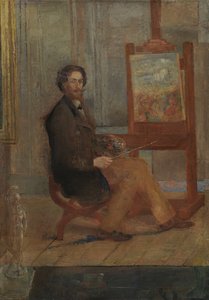
James Ensor
1860 - 1949 , Belgium
Gyors információk
- Artistic Movement Or Style: Kifejező, szürreális
- Artists Or Movements Influenced By This Artist:
- Kifejezőművészet
- Szürrealizmus
- Artists Who Influenced This Artist:
- Bruegel
- Goya
- Whistler
- Date Of Birth: 1860. ápril 13.
- Date Of Death: 1949. nov 19.
- Full Name: James Sidney Edouard Ensor
- Nationality: Belga
- Notable Artworks:
- A Szánalmas Maszkok
- Skeptikusok
- Krisztus bejárása
- Szentháromszéki szenvázatok
- Place Of Birth: Ostend, Belgium
Kapcsolódó cikkek

Mastering Charcoal: A Professional Guide to Texture and Depth for Large-Scale Interior Art Commissions
Discover professional techniques for mastering charcoal texture and depth. An expert guide for hotel designers and procurement managers looking to integrate high-impact monochrome art into large-scale hospitality projects with precision and scale.


