


 Előnézet
 Megosztás
 Megosztás
 Részletek
 Útmutató

 Letöltés
 Hasonló darabok
 X-ray felvétel
 Diavetítés
 Statisztika
The Dreamer


 Tovább olvasom
Kézzel készített olajfestmény reprodukció
Kézzel festett olajvastú vászon, az Ön által választott méretben és keretben, művészeink készítik meglévőre. ( Váltás nyomtatványra Áttérés digitális képre)




P118B $10

P118H $10

P118W $10

P438Z $10

P508JH $12

P508YH $12

P805H $10

P805Z $10

P919BZ $10

P919G $10

P919XJ $10

P959ZH $10

P968JZ $12

W106C $8

W218G $10

W218JH $8

W218Y $10

W307PJ $10

W316G $10

W316PJ $8

W316Y $10

W398PJ $8

W4111J $10

W500HY $15

W500JH $15

W692G $12

W849H $8

W940BG $15

W953PJ $8




Válasszon előre meghatározott méreteink közül, amelyek megfelelnek a műalkotás eredeti arányainak.

Ön megadhat saját méreteket egy adott kerethez vagy térhez igazításhoz. Ha a kiválasztott méret nem egyezik az eredeti kép arányával, akkor a műalkotást levágjuk, vagy további kézzel festett elemekkel meghosszabbítjuk a festményt. A gyártás megkezdése előtt küldünk Önnek egy digitális előnézetet jóváhagyásra.
Kérjük, vegye figyelembe, hogy a képernyőn megjelenő előnézet nem tükrözi a tényleges vágást vagy kiterjesztést. Csak az előnézet fog pontosan mutatni a végső kompozíciót.
Bár egyedi méretek állnak rendelkezésre, javasoljuk, hogy válasszon egy méretet az előre meghatározott listából az eredeti arányok megőrzése érdekében.
A rendelést követően a AllPaintingsStore.com csapata e-mailt küld az ügyfélnek az instrukciókért, és biztosít egy előnézeti képet (mockup).
Világszerte elérhető szállítás () 3-4 hét alatt a szokásos 5 hét helyett. (21 szeptember). A minőség nem kérdőjelezhető.

Ingyenes globális expressz szállítás

Prémium minőségű len vászon

Teljes körű szállítási biztosítás

Vámvisszatérítési Garancia

Tökéletes színarányosság garancia

100 napos visszaküldési garancia (csak gyártási hibás termékek esetén)

100% pénzvisszatérítési garancia

Több darab vásárlásakor kedvezmény
 Az üvegkeretes opció csak 110 cm alatti méretben érhető el

The Dreamer
Reprodukciós technika
Reprodukció méretei
-


Összesített ár
$ 258
A Moment of Contemplation: Unveiling Watteau’s “The Dreamer”
Jean-Antoine Watteau's "The Dreamer," painted in 1714, isn’t merely a portrait; it’s an invitation. An invitation into the quiet sanctuary of the human spirit, a glimpse behind the carefully constructed facades of eighteenth-century French society. This exquisite oil on panel, currently residing within the hallowed halls of the Art Institute of Chicago, exemplifies Watteau's mastery of capturing fleeting emotions and the delicate dance between reality and imagination – a hallmark of his pivotal role in shaping the Rococo style. The painting immediately draws us in with its soft palette and luminous quality, achieved through Watteau’s signature technique of layering thin glazes of color, creating an almost ethereal effect that seems to shimmer from within.
The Figure and Its Setting: A Study in Subtlety
At the heart of “The Dreamer” sits a woman, bathed in dappled light, seated upon a simple tree stump. Her posture – legs crossed, head slightly bowed – speaks volumes without uttering a word. She’s dressed in an arresting orange gown, a vibrant splash against the muted greens and browns of the surrounding woodland. The sword held loosely in her hand isn't a symbol of martial prowess but rather suggests a readiness, perhaps for defense or simply a reminder of past experiences. The background, rendered with meticulous detail, is not a literal representation of nature but an idealized landscape designed to enhance the mood – a carefully constructed stage for this intimate tableau. The trees themselves seem to lean in towards her, as if sharing in her quiet contemplation.
Rococo’s Embrace: Emotion and Illusion
Watteau's work is inextricably linked to the rise of Rococo art, a style that moved away from the rigid formality of the Baroque. Rather than grand narratives or heroic figures, Rococo focused on themes of leisure, love, and beauty – often depicted in scenes of aristocratic gatherings and idyllic landscapes. “The Dreamer” perfectly embodies this shift. It’s not about power or conquest; it's about capturing a single, poignant moment of introspection. Watteau masterfully employs *sfumato*, a technique borrowed from Leonardo da Vinci, to soften edges and create an atmosphere of hazy beauty, further blurring the lines between reality and dream.
Symbolism and Emotional Resonance
The woman’s contemplative expression is perhaps the painting's most compelling feature. Her gaze is directed inward, lost in a private world of thought. While interpretations vary, many scholars believe she represents *la femme artiste*, a recurring motif in Watteau’s work – a symbol of artistic sensibility and the melancholic beauty of female creativity. The sword, as mentioned earlier, could symbolize both vulnerability and strength, suggesting a woman who is capable of defending her own vision. The overall effect is profoundly moving; “The Dreamer” resonates with viewers because it taps into universal experiences of loneliness, longing, and the search for meaning.
Owning a Piece of History: Reproductions at Your Service
Watteau’s influence continues to be felt today, and owning a reproduction of "The Dreamer" offers a unique opportunity to bring this exquisite work into your home or office. AllPaintingsStore.com provides meticulously crafted, hand-painted reproductions that faithfully capture the painting's delicate beauty and emotional depth. These aren’t simply prints; they are artistic interpretations created by skilled artisans who understand Watteau’s techniques and vision. Explore our collection at https://AllPaintingsStore.com to discover a reproduction that perfectly complements your style and adds a touch of timeless elegance to your space. For further exploration, consider visiting the Musée Municipal des Beaux-Arts in Lyon or researching Watteau’s life and work through resources like the Art Institute of Chicago's website.
Hasonló műalkotások


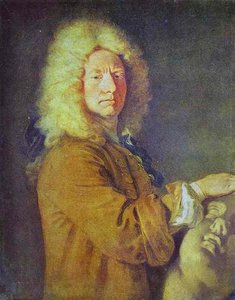


A művész életrajza
A Delicate Brushstroke: The Life and Art of Jean-Antoine Watteau
Jean-Antoine Watteau, a name synonymous with the blossoming Rococo style, emerged from the northern French city of Valenciennes in 1684. His brief but incandescent career irrevocably altered the course of eighteenth-century painting, shifting its focus from the grandeur and drama of the Baroque to an intimate world of elegance, leisure, and subtle emotion. Unlike many artists who followed a clearly defined path, Watteau’s journey was marked by initial struggles for recognition within the established art institutions of Paris. Born into a family of modest means—his father a master roofer—young Jean-Antoine displayed an early aptitude for drawing, initially sketching the colorful characters and bustling scenes of his hometown streets. This formative experience instilled in him a keen eye for observation and a fascination with everyday life, themes that would permeate his later work. His initial training under local artists Jacques-Albert Gérin and Julien provided a foundation, but it was his move to Paris around 1702 that truly ignited his artistic development.From Theatrical Scenes to *Fêtes Galantes*
In the vibrant heart of Paris, Watteau entered the workshop of Claude Gillot, a painter specializing in theatrical designs and the popular genre of *fêtes galantes*—depictions of aristocratic outdoor entertainments. This apprenticeship proved pivotal. Gillot’s influence exposed Watteau to the world of commedia dell’arte, with its masked characters and playful narratives, which would become a recurring motif throughout his oeuvre. However, Watteau’s artistic sensibilities didn’t neatly align with the rigid categories favored by the Académie Royale de Peinture et de Sculpture. His genre paintings were deemed unsuitable for official recognition, leading to initial rejection when he attempted to compete for the prestigious Prix de Rome. Undeterred, and demonstrating a remarkable resilience, Watteau persevered, eventually gaining acceptance as a *maître amateur* in 1717—a status that allowed him to exhibit his work independently. This period marked a crucial turning point, allowing him to fully develop his unique style characterized by luminous colors, delicate brushwork, and an air of wistful melancholy. He began to move away from direct theatrical representation towards more poetic and evocative scenes, inventing the *fête galante* as a distinct genre—idyllic gatherings in park-like settings where aristocratic figures engaged in flirtatious pursuits and refined pastimes.The Essence of Rococo: Style and Masterpieces
Watteau’s paintings are instantly recognizable for their distinctive qualities. He possessed an unparalleled ability to capture the elegance and refinement of aristocratic life, not through bombastic displays of power or wealth, but through subtle gestures, nuanced expressions, and a masterful use of light and color. His figures exude a poetic grace and a delicate emotional depth that sets them apart from the more formal portraits of his predecessors. The Country Dance (1718-1721), perhaps one of his most celebrated works, exemplifies this perfectly—a vibrant scene depicting carefree rustic life with exquisite detail and an underlying sense of longing. Other masterpieces such as Ceres (Summer) (1705) demonstrate his skill in portraying the beauty of nature and the human form, while The Embarkation for Cythera (1717) and its companion piece, Pilgrimage to Cythera, are iconic depictions of mythological journeys to the island of love, imbued with a sense of mystery and romantic yearning. Even his theatrical portraits, like Gilles (1719), possess an enigmatic quality that invites contemplation. Watteau’s technique was equally innovative; he employed a feathery brushstroke and a delicate layering of colors to create a shimmering effect, capturing the fleeting beauty of light and atmosphere.Influences and Development
Watteau's artistic lineage is complex, drawing inspiration from diverse sources. He deeply admired Venetian Renaissance masters like Titian and Veronese, particularly their rich color palettes and dynamic compositions. The influence of Flemish artists such as Rubens is also evident in his energetic brushwork and sensuous figures. However, Watteau didn’t simply imitate these predecessors; he synthesized their influences into something entirely new and uniquely his own—a style that became the hallmark of Rococo painting. His early training under Jacques-Albert Gérin exposed him to the theatrical traditions of commedia dell'arte, which profoundly shaped his approach to composition and characterization. The works of Rembrandt, with their masterful use of light and shadow, also exerted a significant influence on Watteau’s technique. Crucially, he studied the paintings of Charles Le Brun, the official painter of Louis XIV, recognizing the importance of formal structure and compositional balance, though he ultimately rejected the rigid conventions of court painting in favor of his own more expressive style.Legacy and Enduring Influence
Watteau's artistic lineage is complex, drawing inspiration from diverse sources. He possessed an unparalleled ability to capture the elegance and refinement of aristocratic life, not through bombastic displays of power or wealth, but through subtle gestures, nuanced expressions, and a masterful use of light and color. His figures exude a poetic grace and a delicate emotional depth that sets them apart from the more formal portraits of his predecessors. Despite a tragically short life—he succumbed to tuberculosis in 1721 at the age of just thirty-seven—Watteau left an indelible mark on art history. His work profoundly influenced generations of artists, including Fragonard and Boucher, who further developed the themes and techniques he pioneered. He redefined genre painting, elevating it to a level of artistic sophistication previously reserved for historical or religious subjects. Today, his paintings are treasured in major museums worldwide—from the National Gallery of Art in Washington D.C. to the Museo del Prado in Madrid—continuing to captivate audiences with their beauty, grace, and enduring appeal, solidifying his place as one of the most important and beloved artists of the Rococo period.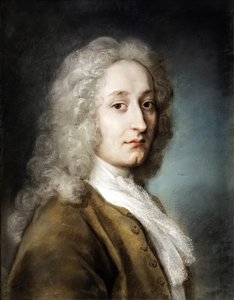
Watteau
1684 - 1721 , Francia
Gyors információk
- Artistic Movement Or Style: Rokokó
- Artists Or Movements Influenced By This Artist:
- Fragonard
- Boucher
- Artists Who Influenced This Artist:
- Titian
- Rubens
- Date Of Birth: 1684
- Date Of Death: 1721
- Full Name: Jean-Antoine Watteau
- Nationality: Francia
- Notable Artworks:
- A Country Dance
- Ceres (Summer)
- The Marriage Contract
- Place Of Birth: Valenciennes, Francia
Kapcsolódó cikkek
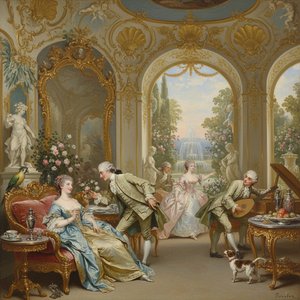
The Rococo Aesthetic: Opulence, Rebellion & the Pursuit of Pleasure in 18th-Century Art
Explore the opulent world of Rococo art! Discover its origins, key artists like Watteau & Boucher, and lasting influence on design. Expert insights for collectors & enthusiasts.

A Rokoko Mesterek: 10 alkotás, mely meghatározta a művészetet | AllPaintingsStore.com
Fedezze fel a Rokoko művészet 10 legikonikusabb remekművét! Ismerje meg Watteau, Boucher és Fragonard festményeinek történetét. Elegáns dekorációk inspirációja – AllPaintingsStore.com kínálatában megtalálható minden művészi nyomat. Explore the full collection online!

Jean-Baptiste Pater: Rococo Charm & Ephemeral Beauty of 18th-Century France
Explore the captivating world of Jean-Baptiste Pater, a master of Rococo painting. Discover his elegant *fête galante* scenes and shimmering portraits – a glimpse into 18th-century French aristocracy. Learn about his legacy & find high-quality reproductions.

The Elegance of Rococo: A Curated Guide to France's Most Ornate Art Movement
Discover the exquisite allure of Rococo art. Explore a curated guide to 18th-century French masterpieces, from Watteau to Fragonard, and learn how hand-painted oil reproductions can bring timeless elegance and luxury to your sophisticated interior design collection.
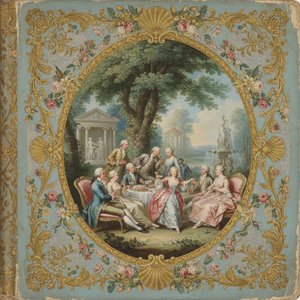
The Rococo Style: Aristocratic Leisure & the Pursuit of Delight in 18th-Century Art
Explore the opulent world of Rococo art! Discover Watteau, Boucher & Nattier's masterpieces. Expert insights for collectors seeking museum-quality reproductions and custom portraits at AllPaintingsStore.


