


 Előnézet
 Megosztás
 Megosztás
 Részletek
 Útmutató

 Letöltés
 Hasonló darabok
 X-ray felvétel
 Diavetítés
 Statisztika
Sea and rocks in San Esteban, Asturias
 Oil On Canvas
- WallArt
- Impressionism
 1903
1903- 19th Century
 67.0 x 96.0 cm
 Tovább olvasom
Kézzel készített olajfestmény reprodukció
Kézzel festett olajvastú vászon, az Ön által választott méretben és keretben, művészeink készítik meglévőre. ( Váltás nyomtatványra Áttérés digitális képre)




P118B $10

P118H $10

P118W $10

P438Z $10

P508JH $12

P508YH $12

P805H $10

P805Z $10

P919BZ $10

P919G $10

P919XJ $10

P959ZH $10

P968JZ $12

W106C $8

W218G $10

W218JH $8

W218Y $10

W307PJ $10

W316G $10

W316PJ $8

W316Y $10

W398PJ $8

W4111J $10

W500HY $15

W500JH $15

W692G $12

W849H $8

W940BG $15

W953PJ $8




Válasszon előre meghatározott méreteink közül, amelyek megfelelnek a műalkotás eredeti arányainak.

Ön megadhat saját méreteket egy adott kerethez vagy térhez igazításhoz. Ha a kiválasztott méret nem egyezik az eredeti kép arányával, akkor a műalkotást levágjuk, vagy további kézzel festett elemekkel meghosszabbítjuk a festményt. A gyártás megkezdése előtt küldünk Önnek egy digitális előnézetet jóváhagyásra.
Kérjük, vegye figyelembe, hogy a képernyőn megjelenő előnézet nem tükrözi a tényleges vágást vagy kiterjesztést. Csak az előnézet fog pontosan mutatni a végső kompozíciót.
Bár egyedi méretek állnak rendelkezésre, javasoljuk, hogy válasszon egy méretet az előre meghatározott listából az eredeti arányok megőrzése érdekében.
A rendelést követően a AllPaintingsStore.com csapata e-mailt küld az ügyfélnek az instrukciókért, és biztosít egy előnézeti képet (mockup).
Világszerte elérhető szállítás () 3-4 hét alatt a szokásos 5 hét helyett. (21 szeptember). A minőség nem kérdőjelezhető.

Ingyenes globális expressz szállítás

Prémium minőségű len vászon

Teljes körű szállítási biztosítás

Vámvisszatérítési Garancia

Tökéletes színarányosság garancia

100 napos visszaküldési garancia (csak gyártási hibás termékek esetén)

100% pénzvisszatérítési garancia

Több darab vásárlásakor kedvezmény
 Az üvegkeretes opció csak 110 cm alatti méretben érhető el

Sea and rocks in San Esteban, Asturias
Reprodukciós technika
Reprodukció méretei
-


Összesített ár
$ 258
The Radiant Embrace of Nature: Sorolla's Coastal Masterpiece
To stand before Joaquín Sorolla y Bastida’s Sea and rocks in San Esteban, Asturias is to be swept away by the very breath of the Atlantic. Painted in 1903, this oil on canvas masterpiece transcends a mere depiction of a seascape; it is an immersion into raw, untamed energy tempered by the brilliant light that defined Sorolla’s genius. The composition immediately draws the eye into the dynamic interplay between the surging ocean and the steadfast permanence of the rocks. One can almost feel the cool spray misting the air and hear the rhythmic thunder of the waves as they relentlessly crash against the rugged foreground elements.
A Symphony of Light and Movement
Sorolla was, above all else, a master of light. In this painting, that mastery is breathtakingly evident. He did not simply paint water; he captured its luminosity. The way the sunlight fractures across the cresting waves, transforming liquid into sheets of shimmering gold and turquoise, speaks to an unparalleled technical skill. Notice the depth created by the receding planes—the rocks closer to the viewer anchor the scene with tangible weight, while the distant sea dissolves into atmospheric haze, lending the entire piece a profound sense of spatial expanse. The inclusion of that small boat on the left side is crucial; it serves not only as an element of human scale but also as a quiet counterpoint to nature’s overwhelming power, suggesting life continuing in harmony with the elements.
Historical Echoes and Emotional Resonance
Painted during a period when Sorolla was solidifying his reputation as Spain's foremost light painter, this work reflects his lifelong fascination with the Mediterranean and Atlantic coasts. For the collector or designer, owning a reproduction of this piece is acquiring more than just art; it is acquiring a moment of vibrant Spanish spirit. The emotional impact is one of exhilarating awe—a feeling that mixes the sublime terror of nature’s force with the comforting beauty of its cyclical rhythm. It invites contemplation on permanence versus transience, a theme deeply resonant in Sorolla's later work.
Bringing the Coast Home
For those seeking to infuse their living space or studio with the vibrant energy of the Spanish coast, Sea and rocks in San Esteban, Asturias offers unparalleled depth. The rich saturation of color—the deep indigos meeting the brilliant whites of the foam—will act as a natural focal point, transforming any room into an imagined seaside vista. Whether you are drawn to the dramatic foreground action or the serene horizon line, this painting promises visual drama and enduring warmth. We invite you to experience the magic of Sorolla’s brushwork through our high-quality reproductions, allowing this timeless vision of light and sea to grace your walls.
Hasonló műalkotások


A művész életrajza
A Life Bathed in Light: The World of Joaquín Sorolla
Joaquín Sorolla y Bastida, a name synonymous with the radiant light and vibrant energy of Spain, was more than just a painter; he was a chronicler of his nation’s soul. Born in Valencia in 1863, Sorolla's early life was marked by tragedy. Orphaned at the tender age of two following a cholera epidemic that claimed both parents, young Joaquín and his sister were raised by their maternal aunt and uncle. This early experience with loss perhaps instilled within him a profound appreciation for the fleeting beauty of life – a sentiment that would permeate his art. Though hardship shadowed his beginnings, it did not dim the spark of artistic talent that quickly became apparent. He received initial instruction in Valencia, demonstrating an aptitude that led to studies under established artists like Cayetano Capuz and José Benlliure, eventually culminating in a four-year grant to study in Rome. It was there, amidst the classical grandeur of Italy, that Sorolla began to forge his unique artistic path, absorbing influences while simultaneously developing a style distinctly his own.From Historical Narratives to Sun-Drenched Realism
Sorolla’s early work reflected the prevailing academic trends of the time – large-scale historical and mythological scenes. He was initially commissioned to paint grand narratives for royal patrons, depicting heroic battles and allegorical figures with meticulous detail. However, a pivotal shift occurred as he returned to Spain and began to truly observe the world around him. He found himself captivated by the everyday lives of his countrymen, particularly those along the Valencian coast. The intense Mediterranean sunlight, the shimmering sea, and the vibrant energy of the people became his primary subjects. This transition wasn’t immediate; Sorolla continued to explore social realism with works like Sad Inheritance (1899), a powerful depiction of children afflicted by polio bathing in the sea – a painting that garnered significant acclaim but also revealed a darker, more compassionate side to his artistic vision. This work, exhibited at the Universal Exhibition in Paris, brought him widespread recognition and cemented his position as a leading figure in Spanish art. Yet, it was his increasingly focused exploration of light and color, inspired by Impressionism though never fully embracing its tenets, that would define his legacy. He wasn’t merely *depicting* light; he was attempting to *capture* its very essence, the way it danced on water, illuminated skin, and transformed ordinary moments into scenes of extraordinary beauty.Master of Luminism: A Unique Artistic Voice
Sorolla's technique became instantly recognizable – a bravura display of brushwork, characterized by loose, energetic strokes that conveyed movement and atmosphere. He worked *en plein air* whenever possible, directly confronting the challenges of capturing fleeting light conditions. This dedication to painting outdoors resulted in canvases brimming with life and immediacy. His beach scenes, perhaps his most iconic works, are not simply picturesque representations of leisure; they are studies in luminosity, reflections, and the joyful interaction between people and their environment. Paintings like Children on the Seashore and Sewing the Sail exemplify this mastery – figures bathed in golden light, rendered with a remarkable sense of spontaneity and vitality. He wasn’t interested in meticulous detail; rather, he sought to convey the *impression* of reality, prioritizing atmosphere and emotion over precise representation. This approach earned him comparisons to Impressionists like Monet and Renoir, but Sorolla's work possessed a unique Spanish character – a warmth, intensity, and emotional depth that set it apart.Key Achievements & Recognition
- 1892: Gold medal at the National Exhibition in Madrid for Another Marguerite.
- 1894: Acclaimed for The Return from Fishing: Hauling the Boat, acquired by the Musée du Luxembourg.
- 1899: Grand Prix and medal of honor at the Universal Exhibition in Paris for Sad Inheritance.
- 1900-1923: Extensive exhibitions throughout Europe and the United States, establishing international recognition.
- 1912-1928: Commissioned to create Vision of Spain for the Hispanic Society of America (completed posthumously).
- Present Day: Works held in major museums worldwide, including the Museo Sorolla in Madrid.
Legacy and Enduring Influence
By the early 20th century, Joaquín Sorolla was internationally renowned. He exhibited widely throughout Europe and the United States, receiving numerous accolades and commissions. His most ambitious undertaking, Vision of Spain, a series of fourteen monumental murals commissioned by the Hispanic Society of America, remains a testament to his artistic vision and technical skill. Though he suffered a stroke in 1920 that curtailed his painting activity, Sorolla’s influence continued to grow after his death in 1923. His work inspired generations of artists, not only in Spain but around the world. Today, his paintings are held in major museums globally, including the Museo Sorolla in Madrid – a former home transformed into a dedicated space for showcasing his art. Sorolla’s legacy extends beyond his technical brilliance; he captured a specific moment in Spanish history and culture, immortalizing the beauty of its landscapes and the spirit of its people. He remains a master of light, color, and emotion—a painter whose work continues to resonate with audiences today, reminding us of the power of art to illuminate our world.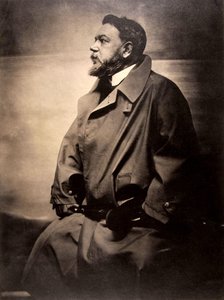
Joaquín Sorolla
1863 - 1923 , Spanyolország
Gyors információk
- Artistic Movement Or Style: Luminizmus, Impresszionizmus
- Artists Or Movements Influenced By This Artist: ['Impressionizmus']
- Artists Who Influenced This Artist:
- Pradilla
- Bastien-Lepage
- Menzel
- Date Of Birth: 27 Feb 1863
- Date Of Death: 10 Aug 1923
- Full Name: Joaquín Sorolla y Bastida
- Nationality: Spanyol
- Notable Artworks:
- A1930
- Bathing Time
- White Slave Trade
- Typical Sorianos
- Children on the Seashore
- Sewing the Sail
- Place Of Birth: Valencia, Spanyolország
Kapcsolódó cikkek

The Allure of the Horizon: A Comprehensive Exploration of Seascape Art Through History & Emotion
Explore the captivating world of seascape art! Discover its history, key artists & movements – from Dutch Masters to Impressionism. Expert insights for collectors and enthusiasts at AllPaintingsStore.

A 10 legikonikus impresszionista tájkép: Művészeti remekművek otthonába – AllPaintingsStore.com
Fedezze fel a 10 legikonikus impresszionista tájkép festményt! Monet, Renoir és más mesterek alkotásainak története. Olajfestmények, vászonképek otthonába – AllPaintingsStore.com kínálatából. Explore the full collection online!
Joaquín Sorolla: Capturing Spanish Light & Life – A Legacy of Impressionism
Explore the luminous world of Joaquín Sorolla, Spanish master of Impressionism. Discover his life, techniques & legacy – a guide for art collectors and enthusiasts. Invest in timeless beauty.

Evoking the Horizon: A Historical & Artistic Exploration of Coastal Scenes in Painting
Explore the rich history of coastal scenes in painting! Discover Impressionist masterpieces, American realism & contemporary visions. Learn about renowned artists and find your perfect seascape at AllPaintingsStore.

Capturing Sunlight: The Radiant Magic and Impressionist Brilliance of Joaquín Sorolla's Masterpieces
Embark on a visual journey through the radiant sunlight of Joaquín Sorolla's masterpieces. Discover the brilliance of Spanish Impressionism and learn how to bring this luminous legacy into your home with museum-quality, hand-painted oil reproductions from AllPaintingsStore.


