


 Megtekintés
 Küldés
 Megosztás
 Részletek
 Útmutató

 Letöltés
 Hasonló darabok
 X-ray felvétel
 Diavetítés
 Statisztika
Autumn Sunset
 Romantic Landscape Painting
 19th Century
 17.0 x 34.0 cm
 Összes részlet megjelenítése
Giclée / Műnyomat
Múzeumi minőségű giclée vagy vászonnyomat, gyors gyártással és rugalmas finomítási lehetőségekkel. ( Kézzel festett másolat rendelése Áttérés digitális képre)




P118B Ft10

P118H Ft10

P118W Ft10

P438Z Ft10

P508JH Ft12

P508YH Ft12

P805H Ft10

P805Z Ft10

P919BZ Ft10

P919G Ft10

P919XJ Ft10

P959ZH Ft10

P968JZ Ft12

W106C Ft8

W218G Ft10

W218JH Ft8

W218Y Ft10

W307PJ Ft10

W316G Ft10

W316PJ Ft8

W316Y Ft10

W398PJ Ft8

W4111J Ft10

W500HY Ft15

W500JH Ft15

W692G Ft12

W849H Ft8

W940BG Ft15

W953PJ Ft8




Válasszon előre meghatározott méreteink közül, amelyek megfelelnek a műalkotás eredeti arányainak.

Írja be a keretének vagy a falának megfelelő szélességet és magasságot. A nyomatot csak le lehet vágni, soha nem tehető nagyobbá, mint az eredeti kép, így egy eltérő alakú méretnél a kép egy része elveszik. Mielőtt bármit kinyatintanánk, küldünk egy digitális próbamodellt jóváhagyásra. Az oldalon látható kép nem tartalmazza a valós levágást — ezt csak a próbamodell mutatja meg.
Világszerte történő kiszállítás területére mindössze 2 hét alatt, a szokásos 4-5 hét helyett. (26 október)

Ingyenes globális expressz szállítás

Prémium minőségű len vászon

Teljes körű szállítási biztosítás

Vámvisszatérítési Garancia

Hiteles színarányosság garancia

100 napos visszaküldési lehetőség (csak hibás termékek esetén)

100% pénzvisszatérítési garancia

Több darab vásárlásakor kedvezmény
 Az üvegkeretes opció csak 110 cm alatti méretben érhető el

Autumn Sunset
Giclée / Műnyomat
Reprodukció mérete
-


Összesített ár
Ft 20514
A Symphony of Light and Landscape
In the quiet, golden hour of the English countryside, John Constable’s “Autumn Sunset” emerges as a profound meditation on the fleeting beauty of nature. Executed around 1812, this evocative sketch—now a treasured piece within the Victoria and Albert Museum—transcends mere documentation to become a poetic distillation of the artist's soul. As the sun dips below the horizon, bathing the vast meadows in a warm, amber glow, the viewer is invited into a world where time seems to slow, captured by a master who found the divine in the everyday. The scene unfolds along a solitary path that winds through the landscape, leading the eye toward a horizon heavy with the promise of dusk, creating an atmosphere of serene contemplation that remains as potent today as it was two centuries ago.
The composition is anchored by the commanding presence of a mature oak tree, its rugged branches reaching upward against a darkening sky. This central figure serves as more than just a botanical element; it is a symbol of resilience and enduring strength amidst the inevitable seasonal shifts. Within this pastoral setting, life moves with a gentle, rhythmic grace. A man walks steadily down the dirt road accompanied by his horse, while in the distance, another traveler on horseback adds a sense of depth and narrative movement to the vista. The subtle inclusion of birds gliding through the twilight air and a dog resting near the center of the frame breathes life into the stillness, grounding the Romantic grandeur in the intimate, recognizable textures of rural existence.
The Mastery of Romantic Technique
Constable’s approach in “Autumn Sunset” exemplifies the revolutionary spirit of the Romantic movement. Eschewing the rigid, academic precision that defined much of the Neoclassical era, he embraced a more expressive and tactile technique. His brushwork is characterized by loose, textured strokes that prioritize the sensation of atmosphere over meticulous anatomical or botanical detail. Through the masterful use of chiaroscuro—the dramatic interplay between light and shadow—Constable sculpts the heavy textures of the tree trunk and the soft, undulating contours of the meadow. This technique allows the golden light to appear as if it is truly vibrating against the cooling shadows, creating a visual depth that pulls the observer into the very heart of the Suffolk landscape.
For the discerning collector or interior designer, this piece offers an unparalleled emotional resonance. The painting does not merely depict a sunset; it captures the ephemeral nature of beauty and the cyclical rhythms of life. The fading light serves as a poignant metaphor for the passage of time, prompting a reflection on mortality and the enduring legacy of the natural world. Whether placed in a sun-drenched gallery or a sophisticated living space, a high-quality reproduction of this masterpiece brings with it an aura of tranquility and historical depth. It is an investment in atmosphere, providing a window into a period of artistic upheaval where personal experience and subjective observation transformed the landscape genre forever.
Kérdések és válaszok
Mekkora a fényerke „Autumn Sunset”, John Constable alkotása alkotásnak?
A „Autumn Sunset”, John Constable alkotása alkotás Gentle Luminance fényerőséggel rendelkezik. A fényerő azt mutatja meg, hogy a színek mennyire tűnnek visszafényesnek.
Hányan tekintik meg a(t): "Autumn Sunset"?
A „Autumn Sunset”, John Constable alkotása Statisztikák oldala a nyilvános látogatási statisztikákat mutatja be: az alkotás havi látogatottságát, összehasonlításban a művész legnézettebb alkotásaival, valamint a látogatók származási helyét.
Milyen érzelmi hangulat kíséri a "Autumn Sunset" alkotás Romantic Landscape Painting stílusát?
A Romantic Landscape Painting irányzat részeként a "Autumn Sunset" egy Calm hangulatban készült.
Hasonló műalkotások


A művész életrajza
A Life Rooted in the English Landscape
John Constable (East Bergholt, Suffolk, 1776. június 11. – London, 1837. április 1.) angol tájképfestő. Jelentős szerepe volt az angol romantikus tájképfestészet történetében és alkotói stílusa meghatározó befolyást gyakorolt a francia romantikus festőkre, a barbizoni iskolára és az impresszionistákra. A Királyi Művészeti Akadémia (Royal Academy of Arts, London) tagja volt.Élete és munkássága
Suffolkban született, édesapja molnár volt. Vidéki környezetben nőtt fel, akárcsak Rembrandt. Korán elkezdett rajzolni, 21 éves korától azonban atyja munkáját kellett segítenie, majd csak 1800-ban ment el Londonba tanulni. Romantikus házasságot kötött, azaz szerelmi házasságot. A fiatal leány Maria Bicknell – evangélikus lelkész nagyapja ellenkezésére nem hallgatva – feleségül ment a festőhöz. Házasságukból született néhány gyermek, de 1828-ban a feleség tüdőbajban meghalt. Constable kiváló arcképfestő is lehetett volna, erről tanúskodik felesége képe 1816-ből. Constable sokkal fontosabbnak tartotta a tájképfestést, mint a portréfestést. Művészeti hitvallása szerint a természet közvetlen és beható tanulmányozása a legfontosabb. Próbálkozott történelmi és vallási témák feldolgozásával is pályája kezdetén, de mindig visszatért a tájképfestéshez. Pályájának kezdetén több 17. századi holland festő (Ruisdael, Koninck, Claude Lorrain (1600–1682), Rubens) és egy 18. század]i angol tájképfestő (Thomas Girtin (1775–1802) volt rá hatással. Azonban e hatások nem voltak tartósak, Constable saját megérzései és meglátásai alapján festett. Constable két jeles kortárs tájképfestővel Turnerrel és Boningtonnal indította el a 19. századi modern tájképfestészetet.Breaking with Convention: A New Vision of Nature
Constable’s artistic development was marked by a deliberate rejection of prevailing academic conventions. Dissatisfied with the idealized and often theatrical landscapes favored by the Royal Academy, he sought instead a truthful representation of nature, imbued with personal feeling. He wasn't interested in grand historical narratives or mythological scenes; his focus remained steadfastly on the familiar countryside surrounding him. This commitment to depicting ordinary subjects – hay wains, farm buildings, village life – was initially met with resistance from critics who deemed his work too commonplace and lacking in ambition. However, Constable persevered, driven by a conviction that beauty resided in the everyday. He pioneered a technique of *plein air* painting, venturing outdoors to directly observe and capture the fleeting effects of light and weather. This direct engagement with nature allowed him to infuse his canvases with an immediacy and vitality previously unseen in British landscape art. His brushwork became increasingly loose and expressive, employing impasto – thick layers of paint – to create texture and convey a sense of movement and atmosphere. He wasn’t simply recording what he saw; he was translating his emotional response to the land into visual form.Iconic Works and Lasting Influence
Constable's most celebrated works stand as testaments to his unique vision. The Hay Wain (1821), perhaps his most recognizable painting, depicts a quintessential rural scene on the River Stour, capturing the tranquility and harmony of agricultural life. Hadleigh Castle (1829) showcases his dramatic use of light and atmospheric effects, transforming a crumbling ruin into a powerful symbol of time’s passage. The series of paintings depicting Salisbury Cathedral from the Meadows (1831) demonstrates his ability to evoke different moods and times of day, revealing the cathedral as an integral part of the natural landscape. Netley Abbey (1824), with its evocative depiction of architectural grandeur amidst encroaching nature, exemplifies his skill in blending human creation with the wild beauty of the countryside. Despite facing initial struggles for recognition in England, Constable achieved considerable acclaim in France, where his innovative techniques and emotional depth resonated deeply with artists seeking a more naturalistic approach to landscape painting. He profoundly influenced the Barbizon School, a group of French painters who shared his commitment to *plein air* painting and direct observation of nature.Personal Life & Final Years
Constable’s personal life was marked by both joy and sorrow. He married Maria Bicknell in 1816, and they had seven children, though sadly several did not survive infancy. His marriage provided him with emotional support but also financial strain. Elected a Royal Academician in 1829, he continued to face criticism from some quarters, particularly regarding his unconventional techniques. His later years were shadowed by Maria’s declining health and eventual death in 1828, an event that deeply affected him. Despite these hardships, Constable remained dedicated to his art, continuing to paint until his own passing on March 31, 1837. He left behind a rich artistic legacy—a testament to his unwavering commitment to capturing the beauty and emotional resonance of the English countryside. His paintings remain powerful evocations of a bygone era, inviting viewers to experience the landscape through his uniquely sensitive eyes.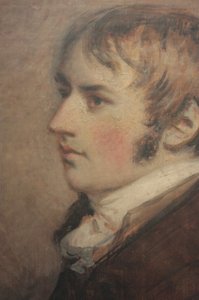
John Constable
1776 - 1837 , Egyesült Királyföld
Rövid információk
- Artistic Movement Or Style: Romantika
- Artists Or Movements Influenced By This Artist: ['Barbizon Schule']
- Artists Who Influenced This Artist:
- Claude Lorrain
- Ruisdael
- Date Of Birth: 1776. június 11.
- Date Of Death: 1837. április 31.
- Full Name: John Constable
- Nationality: Angol
- Notable Artworks:
- A fehér ló
- Dedham Vale
- Salisbury katedrális
- Place Of Birth: East Bergholt, Anglia
Kapcsolódó cikkek

Capturing the English Landscape: The Timeless Mastery and Romantic Legacy of John Constable
Explore the profound legacy of John Constable. Discover how his mastery of light, atmosphere, and the English landscape redefined Romanticism through timeless, museum-quality oil reproductions for discerning collectors.

A Romantikus Tájképfestészet 10 Legikonikusabb Műalkotása – AllPaintingsStore.com
Fedezze fel a romantikus tájképfestészet 10 legikonikusabb műalkotását! Caspar David Friedrich, J.M.W. Turner és más mesterek festményeinek története – inspiráló olajfestmények otthonába. AllPaintingsStore.com: múzeumi minőségű reprodukciók és egyedi dekorációk online.
John Singer Sargent 25 Mesterműve: Elegancia és Portrék a AllPaintingsStore Galériában
Fedezze fel John Singer Sargent 25 legikonikusabb művészeti alkotását! Portrék, impresszionista stílus és a fény játéka – inspirálódjon Sargent életrajzából és vászonképeiből. Művészeti reprodukciók otthonába a AllPaintingsStore-on!

John Constable 25 Mesterműve: A Természet Lényege Vászonon – AllPaintingsStore.com
Fedezze fel John Constable 25 legszebb művészeti alkotását! Ismerje meg a romantika ikonikus tájképeit, Dedham Vale szépségét és a természet lenyűgöző ábrázolásait. Vászonkép reprodukcióinkkal eleganciát csempészhet otthonába – AllPaintingsStore.com

John Constable: Nature, Light & the Romantic Vision of Rural England
Explore the life & art of John Constable, the Romantic painter who revolutionized landscape with emotive scenes of rural England. Discover his techniques, legacy, and key works – perfect for collectors & enthusiasts.


