Pénzvisszatérítési Garancia · 100 nap Ingyenes világszerte történő szállítás
449 564műalkotások 30 613művészek 4 658múzeumok 32nyelv
Katalógusbejegyzés

Hercules

Oil On Canvas.

1. ábra. John Singer Sargent, Hercules. A megadott reprodukciót mutatja: , .

§ 1Katalógusadatok

§ 2Absztrakt

A gyűjtemény leírása

Hercules by John Singer Sargent embodies Impressionist dynamism and mythological triumph. Sargent captures Hercules wrestling with a serpent, symbolizing courage against adversity—a masterpiece housed at Rennes’ Musée des Beaux-Arts.

A művész életrajza

Fedezze fel John Singer Sargent mesterségeit! Kézzel festett reprodukcióink révítik meg a fényes korszak arcképeit, impresszionista tájakat és a Gilded Age eleganciáját. Nézze meg ikonikus műveit!

§ 3Magyarázat

A Heroic Struggle Captured in Light and Shadow

In the pantheon of mythological masterpieces, few works command the viewer's attention with such raw, visceral energy as John Singer Sargent’s Hercules. This breathtaking oil on canvas is far more than a mere retelling of a Greek legend; it is a profound meditation on the human spirit's capacity to endure and triumph over the most venomous of tribulations. As the central figure emerges from the shadows, we are immediately struck by the sheer physical presence of the hero. Sargent does not merely paint a man; he paints an embodiment of resilience. The composition is anchored by the powerful, muscular form of Hercules, positioned with a commanding authority that seems to vibrate against the canvas. He stands atop a colossal serpent—a creature that serves as a chilling symbol of evil, temptation, and the inescapable dangers that haunt the path of greatness.

The narrative tension within the piece is palpable. One can almost feel the constriction of the snake’s coils and the sharp sting of its venomous bite. Yet, amidst this chaos, there is an unwavering resolve. With one hand firmly gripping his heavy wooden club and the other encircling the serpent, Hercules demonstrates a stoic determination to conquer fear. This moment of triumph is not just about physical strength, but about the psychological victory over doubt and adversity, making the painting deeply relatable to anyone who has faced their own personal monsters.

The Mastery of Neoclassical Precision and Impressionist Soul

While many recognize Sargent as the preeminent portraitist of the Gilded Age, Hercules reveals a different facet of his genius, blending the structured ideals of Neoclassicism with the luminous, atmospheric sensibilities of Impressionism. Completed in 1921, this work reflects a period where Sargent sought to revive the grandeur of antiquity through a modern lens. He eschews the cold, clinical precision found in some academic works, opting instead for a technique that prioritizes the sensation of light and movement. His brushstrokes are loose and energetic, capturing the flickering play of light across the hero's skin and the treacherous scales of the serpent.

The artist’s technical prowess is most evident in his use of glazing—the meticulous application of thin, translucent layers of oil paint. This process builds a depth of color that allows light to penetrate the surface and reflect back, creating a shimmering, almost liquid effect on the musculature and the surrounding foliage. Notice how the subtle transitions from deep shadow to brilliant highlight lend a three-dimensional quality to the scene, making the struggle feel immediate and alive. For collectors and designers, this mastery of texture and luminosity ensures that the painting remains a dynamic focal point, capable of transforming the atmosphere of any sophisticated interior.

An Eternal Inspiration for the Modern Collector

To possess a reproduction of Hercules is to invite a sense of strength and classical elegance into one's living space. The painting’s rich palette and dramatic subject matter make it an ideal centerpiece for those looking to add depth, history, and a touch of mythic grandeur to their decor. Whether placed in a sun-drenched gallery or a moody, library-style study, the work serves as a constant reminder of the triumph of virtue over chaos.

For the interior designer, this piece offers a versatile anchor for various aesthetics—from traditional European estates to contemporary spaces seeking a bold, narrative element. It is an artwork that invites conversation, prompting viewers to contemplate the eternal struggle between light and dark, strength and vulnerability. In every stroke of Sargent’s brush, there is an invitation to look beyond the surface and find inspiration in the enduring legacy of the hero.

Kérdések és válaszok

Milyen hangulatot közvetít a „Hercules”, John Singer Sargent alkotása a Impressionism irányzaton belül?

A Impressionism irányzat részeként a "Hercules" egy Romantic hangulatban készült.

Mi magyarázza a „Hercules”, John Singer Sargent alkotása szerzői jogi helyzetét?

John Singer Sargent alkotása, a "Hercules", közösségi tulajdon – a szerzői jog lejártt státuszban van. A szerzői jogi védelem a művész halálától számítod, John Singer Sargent pedig 1925 évben hunyt meg.

Hogyan egyensúlyozza a fényt és a sötétséget a "Hercules"?

A "Hercules" alkotás fényerisége összességében bright, luminanciája pedig Gentle Luminance.
§ 4A művész

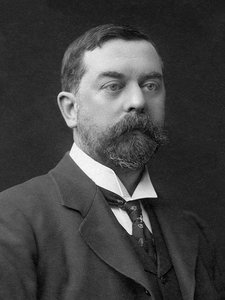
John Singer Sargent

John Singer Sargent

1856 - 1925, Olaszország

Gyors információk John Singer Sargent művészről

  • Artistic Movement Or Style: Impressionista
  • Artists Or Movements Influenced By This Artist:
    • Whistler
    • Impressionisták
  • Artists Who Influenced This Artist:
    • Carolus-Duran
    • Velázquez
  • Date Of Birth: 1856. jan 12.
  • Date Of Death: 1925. ápr 15.
  • Full Name: John Singer Sargent
  • Nationality: Amerikai
  • Notable Artworks:
    • Madame X
    • El Jaleo
    • Carnation Lily Lily Rose
  • Place Of Birth: Firenze, Olaszország

A művész életrajza

A Life Immersed in Light and Society

John Singer Sargent, a name synonymous with the Gilded Age and its shimmering portraits of elegance, was an American artist who spent most of his life cultivating his craft within the European art world. Born in Florence, Italy, in 1856 to American expatriate parents, Fitzwilliam and Mary Newbold Sargent, his upbringing was anything but conventional. The family’s nomadic existence – constantly traversing France, Germany, Italy, and Switzerland – instilled in young John a cosmopolitan sensibility and an early exposure to the artistic treasures of Europe. Rather than formal schooling, his education unfolded within museum halls and ancient churches, fostering a visual literacy that would profoundly shape his artistic vision. This itinerant childhood, while lacking traditional structure, provided a rich tapestry of cultural experiences that fueled his developing talent. His father, a surgeon, and his mother, an amateur artist, encouraged his inclinations, recognizing early on the remarkable acuity of his observational skills. It was clear from a young age that John’s path lay not in medicine or conventional pursuits, but within the realm of art.

From Parisian Atelier to Portrait Master

In 1874, at the age of eighteen, Sargent embarked on a pivotal chapter of his artistic development by entering the Paris studio of Carolus-Duran. This mentorship proved transformative. Duran’s emphasis on *direct painting* – a technique eschewing preliminary sketches in favor of immediate application of paint to canvas – honed Sargent's already impressive technical facility and instilled within him an astonishing ability to capture likenesses with speed and precision. It was a revolutionary approach, encouraging boldness and spontaneity, and it became the hallmark of Sargent’s style. He absorbed Duran’s lessons wholeheartedly, mastering the art of capturing not just physical resemblance but also the very essence of his sitters. Simultaneously, he enrolled at the École des Beaux-Arts, further refining his skills in drawing from casts and life models. However, it was the influence of Spanish masters like Velázquez, encountered during a formative trip to Spain in 1879, that truly ignited Sargent’s artistic imagination. He became captivated by Velázquez’s masterful use of light, brushwork, and psychological insight – qualities he would strive to emulate throughout his career.

Navigating Fame, Scandal, and Artistic Evolution

Sargent quickly established himself as a sought-after portraitist in Paris, attracting commissions from the city’s elite. His ability to capture not just physical likeness but also the personality and social standing of his subjects made him immensely popular. However, his ascent was not without its challenges. The unveiling of *Madame X* (Portrait of Madame Pierre Gautreau) at the 1884 Salon ignited a scandal that threatened to derail his burgeoning career. The painting’s daring depiction of socialite Virginie Amélie Avegno Gautreau – with her pale complexion, suggestive pose, and fallen strap – was deemed provocative and scandalous by Parisian society. Though Sargent later repainted the strap, the damage was done. Disheartened by the controversy, he relocated to London in 1886, where he found a more receptive audience for his talents. In London, he continued to paint portraits of the wealthy and prominent, capturing the opulence and social dynamics of Edwardian society with unparalleled skill. Yet, Sargent’s artistic ambitions extended beyond the confines of commissioned portraiture. He yearned for greater creative freedom and increasingly devoted himself to landscape painting and plein-air studies, embracing an Impressionistic style characterized by loose brushwork, vibrant colors, and a focus on capturing fleeting moments of light and atmosphere. These landscapes reveal a different side of Sargent – one less concerned with social status and more attuned to the beauty of the natural world.

Influences and Artistic Kinships

  • Carolus-Duran: His teacher, who instilled in him a direct painting technique and encouraged spontaneity.
  • Diego Velázquez: Sargent deeply admired Velázquez’s mastery of light, brushwork, and psychological insight, particularly evident in his Spanish works.
  • Impressionism: The Impressionists' emphasis on capturing fleeting moments and atmospheric effects profoundly impacted his landscape paintings, leading to a looser, more expressive style.
  • James Abbott McNeill Whistler: Sargent shared with Whistler an interest in aestheticism and the pursuit of “art for art’s sake,” influencing his approach to composition and color.

A Lasting Legacy

While celebrated as “the leading portrait painter of his generation,” John Singer Sargent’s artistic legacy extends far beyond his masterful depictions of society figures. His major works, such as *El Jaleo*, a dynamic portrayal of Spanish flamenco dancers, and *Carnation, Lily, Lily, Rose*, a serene depiction of two young girls in an English garden, demonstrate his versatility and technical brilliance. Later in life, he embarked on ambitious mural projects, including the monumental cycle at the Boston Public Library, showcasing his ability to translate his artistic vision onto a grand scale. His influence can be seen in the work of subsequent generations of artists who admired his technical skill, his bold brushwork, and his ability to capture both physical likeness and psychological depth. The rediscovery of his previously overlooked male nudes in the 1980s further broadened our understanding of Sargent’s artistic range and revealed a more complex and nuanced artist than previously recognized. *His paintings continue to captivate audiences worldwide*, offering a fascinating glimpse into a bygone era while simultaneously transcending time through their enduring beauty and technical mastery. He remains, undeniably, one of the most significant American artists of his generation, whose work continues to inspire and provoke admiration.

§ 5Hasonló alkotások

§ 6Kérdések

Gyors információk

  • Medium: Oil on canvas
  • Artist: John Singer Sargent
  • Subject or theme: Mythology; Strength
  • Notable elements or techniques: Snake motif; Dynamic pose

Művészeti kvíz

Minden kérdésre csak egy helyes válasz létezik.

Kérdés 1:
What artistic style is prominently featured in “Hercules” by John Singer Sargent?
Kérdés 2:
The painting depicts Hercules overcoming what formidable obstacle?
Kérdés 3:
What is a key characteristic of Sargent’s Impressionist technique as demonstrated in “Hercules”?
Kérdés 4:
Where is “Hercules” currently housed?
Kérdés 5:
What mythological symbol does the snake represent in “Hercules”?

§ 7Idérezze ezt a bejegyzést

AllPaintingsStore.com, “John Singer Sargent, Hercules”, https://allpaintingsstore.com/hu/art/john-singer-sargent-hercules-8BWSY2-en/ (megtekintve: 12 október 2026).

§ 8A reprodukció

Kézzel készített olajfestmény reprodukció

Kézzel festett olajvastú vászon, az Ön által választott méretben és keretben, művészeink készítik meglévőre. ( Váltás nyomtatványra Áttérés digitális képre)

A rendelési sammanbrató szélességi részén rögzítve van; a sammanbrató jelenlegi állapota a következőképpen hangzik.

Hercules

Reprodukciós technika

Reprodukció mérete

-

Kiváló mesterművész

Nagyobb részletesség, finomság és bővített gyártási idő

-

Reprodukció keretezése

-

-

A bármely oldalsó méretét túlszálaló 105 cm (kb. 41 hüvelyk) meghaladó műalkotások vagy reprodukciók esetében a keret összeszerelhető készletként, szétszerelve kerül szállításra. Ez a módszer biztosítja a biztonságos szállítást, és megakadályozza a szállítás során fellépő sérüléseket.

Szakmész összeszerelést igényel – ez nem DIY (önösszeszerelhető) termék.
A készletet egy tapasztalt keretező szakembernek kell összeszerelnie és a vásznat feszítenie kell, fa ragasztó (nem tartalmazza a csomag), vásznfeszítő fogó és szorítók használatával, amelyek a ragasztó száradásáig a keretrészeket egymáshoz vuôngjba tartják. A helytelen összeszerelés vagy a nem egyenletes vásznfeszítés maradandó károsíthatja a műalkotást, és ez nem része a garanciánknak.

  • A készlet tartalmazza az összes tömörfa rudat, pontosan méretre vágva.

  • A mellékelt csavarokkal, valamint a sarokszerekhez szükséges faütő ragasztóval kell összeszerelnie (ez nem tartalmazható a csomagban), így a keretrendezőnek külön kell beszereznie.

  • A csomag nem tartalmazza a szükséges professzionális eszközöket: egy vászonfeszítőt és klipseket a rácsok vízszintes tartásához a ragasztó megszáradásáig.

Fontos:
A sarokcsatlakozásokhoz fánylagra van szükség, a keretrudakat szorítókapcsokkal kell rögzíteni, amíg a rag teljesen meg nem szárad, a kész keretre feszített vászonhoz pedig vászonfeszítő fogat szükséges. Ezek egyike sem található meg a készletben. Kérjük, rendelés előtt győződjön meg róla, hogy rendelkezik tapasztalt keretező szakemberrel.

Névtábla

-

-

Védőréteg (Lakk)

Fényes lakk (intenzívabb színek, védelem a fény és a nedvesség hatása ellen)

-

Műalkotásom egyedi igényre szabása

Példák a módosíthatóságra: az arc kicserélése az ügyfél fotójára; háziállat hozzáadása (pl. macska helyett kutya); rejtett üzenet elhelyezése a háttérben; a háttér tájainak vagy elemeinek megváltoztatása.

-

Sürgős

Világszerte szóló szállítás () mindössze 3-4 hét alatt, a szokásos 5 hét helyett. (9 november). A minőség nem kérdőjelezhető.

-

Express szállítás

Világszerte elérhető szállítás területre 5 héten belül. (16 november).

A szállítás díja tartalmazza

Összesített ár

Ft 84138

Minden rendelés mellé tartalmazva

  • Ingyenes globális expressz szállítás
  • Prémium minőségű len vászon
  • Teljes körű szállítási biztosítás
  • Vámvisszatérítési Garancia
  • Hiteles színarányosság garancia
  • 100 napos visszaküldési lehetőség (csak hibás termékek esetén)
  • 100% pénzvisszatérítési garancia
  • Több darab vásárlásakor kedvezmény
Rendelési adatlap