


 Megtekintés
 Küldés
 Megosztás
 Részletek
 Útmutató

 Letöltés
 Hasonló darabok
 X-ray felvétel
 Diavetítés
 Q&A
Q&A Statisztika
Study for


 Összes részlet megjelenítése
Az ezen az oldalon megjelenített műalkotások szerzői jogi védelem alatt állnak, ami azt jelenti, hogy törvényileg nem készíthetünk és nem adhatunk el belőlük pontos másolatokat. Ez a védelem olyan nemzetközi megállapodások alapján érvényesül, mint például a Berni Egyezmény és a nemzeti jogszabályok által, beleértve azokat is, amelyeket meghatározott Az USA szerzői jogi törvénye – 17. cím.
Ez a módszer teljes mértékben megfelel a szerzői jogi szabályozásnak, mivel nem tartalmazza a védett műalkotás másolását vagy duplikálását. Ehelyett ez egy kreatív újinterpretáció – egy új festmény, amely az eredetivel való összefüggései miatt hatással van rá, de nem az az.
Giclée / Műnyomat
Múzeumi minőségű giclée vagy vászonnyomat, gyors gyártással és rugalmas finomítási lehetőségekkel. ( Kézzel festett másolat rendelése Áttérés digitális képre)




P118B Ft10

P118H Ft10

P118W Ft10

P438Z Ft10

P508JH Ft12

P508YH Ft12

P805H Ft10

P805Z Ft10

P919BZ Ft10

P919G Ft10

P919XJ Ft10

P959ZH Ft10

P968JZ Ft12

W106C Ft8

W218G Ft10

W218JH Ft8

W218Y Ft10

W307PJ Ft10

W316G Ft10

W316PJ Ft8

W316Y Ft10

W398PJ Ft8

W4111J Ft10

W500HY Ft15

W500JH Ft15

W692G Ft12

W849H Ft8

W940BG Ft15

W953PJ Ft8




Válasszon előre meghatározott méreteink közül, amelyek megfelelnek a műalkotás eredeti arányainak.

Írja be a keretének vagy a falának megfelelő szélességet és magasságot. A nyomatot csak le lehet vágni, soha nem tehető nagyobbá, mint az eredeti kép, így egy eltérő alakú méretnél a kép egy része elveszik. Mielőtt bármit kinyatintanánk, küldünk egy digitális próbamodellt jóváhagyásra. Az oldalon látható kép nem tartalmazza a valós levágást — ezt csak a próbamodell mutatja meg.
Világszerte történő kiszállítás területére mindössze 2 hét alatt, a szokásos 4-5 hét helyett. (3 november)

Ingyenes globális expressz szállítás

Prémium minőségű len vászon

Teljes körű szállítási biztosítás

Vámvisszatérítési Garancia

Hiteles színarányosság garancia

100 napos visszaküldési lehetőség (csak hibás termékek esetén)

100% pénzvisszatérítési garancia

Több darab vásárlásakor kedvezmény
 Az üvegkeretes opció csak 110 cm alatti méretben érhető el

Study for
Giclée / Műnyomat
Reprodukció mérete
-


Összesített ár
Ft 20961
Hasonló műalkotások


A művész életrajza
Introduction: The Enduring Power of a Working Man’s Vision
Josef Herman OBE (1911-2000) stands as a quietly monumental figure in British art, an artist whose impact resonated deeply within the landscape of contemporary painting. Born in Warsaw amidst the burgeoning artistic scene of Poland, and ultimately finding his home and profound inspiration in the Welsh mining community of Ystradgynlais, Herman’s work transcends mere representation; it's a poignant exploration of human dignity, resilience, and the enduring spirit of ordinary people. His distinctive style – characterized by bold, simplified forms and a remarkable ability to imbue his subjects with an almost palpable sense of humanity – continues to captivate viewers today. This biography seeks to unravel the layers of Herman’s life and artistic journey, revealing the forces that shaped his vision and cemented his place as a significant voice in 20th-century art.Early Life and Influences: A Polish Heritage Forged by Displacement
Josef Herman's early years were steeped in the traditions of Poland, specifically within the Yiddish community. Born on January 3rd, 1911, to a shoemaker father and a mother named Sarah Malkah, he grew up speaking Yiddish and absorbing the rich cultural tapestry of his heritage. This formative experience profoundly influenced his artistic sensibilities, instilling in him a deep appreciation for storytelling, communal life, and the dignity of labor – values that would later become central themes in his work. His formal training began at the Warsaw School of Art in 1930, where he honed his skills as a typesetter and graphic designer, disciplines which undoubtedly informed his understanding of composition and visual communication. However, the rising tide of anti-Semitism and the looming threat of war forced a dramatic shift in his life trajectory. In 1938, at the age of 27, Herman fled Poland for Brussels, seeking refuge from escalating persecution. This displacement marked not an ending but a catalyst, exposing him to a wider artistic world and setting the stage for a remarkable journey across Europe.The Journey to Britain: Finding Sanctuary and Inspiration in Wales
Following the outbreak of World War II, Herman’s path led him through France before finally arriving in Great Britain in 1940. Initially settling in Glasgow, he found himself amidst a vibrant artistic community, forging connections with fellow émigré artists like Benno Schotz and Jankel Adler – relationships that provided crucial support and shared experiences during a period of immense upheaval. It was during his time in Ystradgynlais, from 1944 to 1955, however, that Herman truly blossomed as an artist. Drawn by the stark beauty of the Welsh landscape and the palpable spirit of its working-class communities, he immersed himself in the lives of coal miners, fishermen, and farmers – subjects who would become the focus of his most celebrated paintings. The nickname “Joe Bach” (Little Joe), bestowed upon him by the locals, speaks volumes about his integration into the community and the genuine affection he garnered. This period wasn’t merely a residence; it was a profound engagement with a culture that deeply resonated with his artistic sensibilities and provided the emotional core of his work.A Distinctive Style: Bold Shapes and Portraits of Humanity
Herman's artistic style is immediately recognizable, characterized by its deliberate simplicity and powerful impact. He eschewed intricate detail in favor of bold, geometric shapes – a technique that served to amplify the essence of his subjects rather than distract from them. His paintings are not about photographic realism; they’re about capturing the *feeling* of a moment, the weight of labor, the quiet dignity of everyday life. His most famous works, such as “Miners” (1951), depict groups of men resting after their shift, radiating an aura of exhaustion and camaraderie. The painting is not merely a representation of miners; it’s a meditation on the human condition, highlighting the shared experience of hard work and the bonds forged within communities. He famously stated, “I stayed here because I found all I required,” encapsulating his belief that Ystradgynlais offered him everything he needed to continue his artistic journey. This sentiment underscores his commitment to portraying the lives of ordinary people with honesty and respect.Recognition and Legacy: An OBE, Royal Academy Membership, and Enduring Influence
Herman’s contributions to British art were ultimately recognized through prestigious awards and honors. In 1981, he was awarded an Order of the British Empire (OBE) for his services to the arts, a testament to his impact on the national artistic landscape. Furthermore, in 1990, he was elected to the Royal Academy of Arts – a remarkable achievement that solidified his position as a leading figure in contemporary British painting. Following his death in February 2000, the Josef Herman Foundation was established in Ystradgynlais, dedicated to preserving and promoting his work, fostering arts initiatives within South Wales, and ensuring that his legacy continues to inspire future generations. His paintings are now held in prominent collections across the United Kingdom, including the Glynn Vivian Art Gallery (Swansea), the New Art Gallery Walsall, and the Museum Belfast Waterfront, guaranteeing his continued visibility and influence on art history. The foundation’s work ensures that Herman's story – one of displacement, resilience, and unwavering dedication to portraying the dignity of ordinary people – will not be forgotten.
Josef Herman Obe Ra
1911 - 2000 , Poland
Rövid információk
- Full Name: Josef Herman OBE RA
- Nationality: Polish-British
- Date Of Birth: 1911
- Date Of Death: 2000
- Place Of Birth: Warsaw, Poland
- Notable Artworks:
- Miners (1951)
- Working people
- Artistic Movement Or Style: Bold shapes, minimalist
- Artists Who Influenced This Artist:
- Courbet
- Millet
- Van Gogh
- Artists Or Movements Influenced By This Artist:
- Kat Kollwitz
- Permeke
Kapcsolódó cikkek

A Fehér Szín Mesterei: 10 Híres Festmény, Amelyek Elvarázsolnak – AllPaintingsStore.com
Fedezze fel a 10 legikonikusabb fehér tónusú festményt! Monet, Van Gogh és más mesterek alkotásainak története. Vászonképek, reprodukciók – inspiráció otthonába. AllPaintingsStore.com: minőségi művészet online.

Shadow & Soul: Why Black & White Photography Remains the Ultimate Power Move in Modern Art
Discover why black & white photography remains a powerful force in contemporary art. Explore the impact of light, shadow, and texture through a visual journey of monochrome mastery and learn how to elevate your space with timeless grayscale aesthetics.

A Fekete Szín Mesterei: 10 Híres Festmény, Amelyek Elvarázsolnak – AllPaintingsStore.com
Fedezze fel a 10 leghíresebb, fekete tónusú festményt! Rembrandt, Goya és Manet remekművei elvarázsolják. Művészettörténet, inspiráció otthonába – AllPaintingsStore.com kínálatából. Fedezze fel a teljes gyűjteményt online!
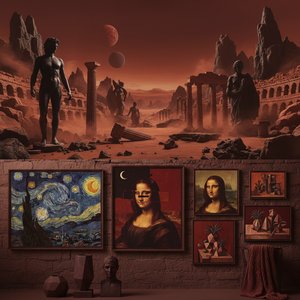
A sötét szépség: 10 híres festmény a 'Mars Black' árnyalataiban | AllPaintingsStore
Fedezze fel a 10 leghíresebb festményt, melyeket a 'Mars Black' mély árnyalatai dominálnak! Rembrandt, Goya és Picasso remekművei – történetük, technikájuk és időtlenségük. Múzeumi minőségű művészeti reprodukciók otthonába. Fedezze fel a teljes gyűjteményt a AllPaintingsStore.com-on!
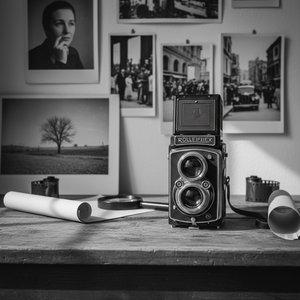
Monochrome Visions: Exploring the Aesthetic & Historical Significance of Black & White Photography
Explore the rich history & artistic power of black and white photography. From early techniques to iconic masters like Ansel Adams, discover why monochrome continues to captivate art lovers today. Expert insights for collectors.