


 Megtekintés
 Küldés
 Megosztás
 Részletek
 Útmutató

 Letöltés
 Hasonló darabok
 X-ray felvétel
 Diavetítés
 Kérdések és válaszok
 Statisztika
Spatial Concept

- 95.0 x 175.0 cm


 Összes részlet megjelenítése
Az ezen az oldalon megjelenített műalkotások szerzői jogi védelem alatt állnak, ami azt jelenti, hogy törvényileg nem készíthetünk és nem adhatunk el belőlük pontos másolatokat. Ez a védelem olyan nemzetközi megállapodások alapján érvényesül, mint például a Berni Egyezmény és a nemzeti jogszabályok által, beleértve azokat is, amelyeket meghatározott Az USA szerzői jogi törvénye – 17. cím.
Ez a módszer teljes mértékben megfelel a szerzői jogi szabályozásnak, mivel nem tartalmazza a védett műalkotás másolását vagy duplikálását. Ehelyett ez egy kreatív újinterpretáció – egy új festmény, amely az eredetivel való összefüggései miatt hatással van rá, de nem az az.
Giclée / Műnyomat
Múzeumi minőségű giclée vagy vászonnyomat, gyors gyártással és rugalmas finomítási lehetőségekkel. ( Kézzel festett másolat rendelése Áttérés digitális képre)




P118B Ft10

P118H Ft10

P118W Ft10

P438Z Ft10

P508JH Ft12

P508YH Ft12

P805H Ft10

P805Z Ft10

P919BZ Ft10

P919G Ft10

P919XJ Ft10

P959ZH Ft10

P968JZ Ft12

W106C Ft8

W218G Ft10

W218JH Ft8

W218Y Ft10

W307PJ Ft10

W316G Ft10

W316PJ Ft8

W316Y Ft10

W398PJ Ft8

W4111J Ft10

W500HY Ft15

W500JH Ft15

W692G Ft12

W849H Ft8

W940BG Ft15

W953PJ Ft8




Válasszon előre meghatározott méreteink közül, amelyek megfelelnek a műalkotás eredeti arányainak.

Írja be a keretének vagy a falának megfelelő szélességet és magasságot. A nyomatot csak le lehet vágni, soha nem tehető nagyobbá, mint az eredeti kép, így egy eltérő alakú méretnél a kép egy része elveszik. Mielőtt bármit kinyatintanánk, küldünk egy digitális próbamodellt jóváhagyásra. Az oldalon látható kép nem tartalmazza a valós levágást — ezt csak a próbamodell mutatja meg.
Világszerte történő kiszállítás területére mindössze 2 hét alatt, a szokásos 4-5 hét helyett. (21 november)

Ingyenes globális expressz szállítás

Prémium minőségű len vászon

Teljes körű szállítási biztosítás

Vámvisszatérítési Garancia

Hiteles színarányosság garancia

100 napos visszaküldési lehetőség (csak hibás termékek esetén)

100% pénzvisszatérítési garancia

Több darab vásárlásakor kedvezmény
 Az üvegkeretes opció csak 110 cm alatti méretben érhető el

Spatial Concept
Giclée / Műnyomat
Reprodukció mérete
-


Összesített ár
Ft 21205
A Portal to the Infinite: The Visionary World of Lucio Fontana
In the mid-twentieth century, as the world grappled with the dawn of the nuclear age and the dizzying expansion of cosmic discovery, a radical new language of art began to emerge. At the heart of this revolution was Lucio Fontana, an artist who refused to be confined by the flat, two-dimensional boundaries of the traditional canvas. His 1956 masterpiece, Spatial Concept, serves as a profound testament to his role as the pioneer of Spatialism. This is not merely a painting to be observed; it is an invitation to step beyond the frame and encounter a new dimension of existence. Through a mesmerizing interplay of color and form, Fontana challenges our very perception of what art can be, transforming a simple rectangular surface into a gateway to the infinite.
The composition of Spatial Concept is both deceptively simple and deeply enigmatic. Upon first encounter, the eye is drawn to a singular, symbolic figure—a fish—suspended within a dreamlike landscape. With its vibrant blue tail and deep purple head, the creature appears to drift through a celestial sea, surrounded by a constellation of scattered circles. These circular motifs vary in size and hue, creating a rhythmic pulse that moves across the canvas. The technique employed here is nothing short of audacious; Fontana did not just apply pigment, but physically interacted with the medium. By combining delicate brushwork with precise incisions and perforations, he disrupted the perceived boundaries of the painting. These small, intentional wounds in the fabric allow light and shadow to play in ways that traditional painting cannot, mirroring the scientific fascination with the vast, empty expanses of the cosmos during the 1950s.
The Alchemy of Space and Symbolism
To understand Spatial Concept is to understand the tension between presence and absence. Fontana’s work was deeply rooted in the intellectual currents of Futurism and Surrealism, yet he sought to transcend them by embracing the concept of "emptiness." The fish, often a symbol of life and movement, becomes an inhabitant of a void that is not empty, but rather pregnant with possibility. The scattered circles act as celestial bodies, suggesting a universe in constant motion. This technique of sgraffito and perforation serves to blur the distinction between the artwork and the space surrounding it, effectively pulling the viewer into the work's internal atmosphere.
For the discerning collector or interior designer, this piece offers an unparalleled emotional resonance. It possesses a quiet, meditative power that can anchor a room, providing a focal point of intellectual depth and sophisticated modernism. The way the light interacts with the textured surface and the physical depth of the incisions creates a dynamic experience that changes depending on one's perspective. It is a work that demands contemplation, offering a sense of tranquility paired with an underlying energy of discovery.
A Timeless Addition to the Modern Interior
Bringing a high-quality reproduction of Spatial Concept into a curated space is an act of celebrating art history's most daring moments. Whether placed in a minimalist gallery setting or as a bold statement piece in a contemporary living space, the artwork radiates an aura of avant-garde elegance. It speaks to a refined taste that values innovation, complexity, and the beauty of the unknown. As a tribute to Fontana’s legacy, this piece remains a vital, breathing part of the modern aesthetic, reminding us all that art has the power to tear through the veil of reality and reveal the infinite wonders waiting just beneath the surface.
Kérdések és válaszok
Milyen érzelmi hangulat kíséri a "Spatial Concept" alkotás Spatialism stílusát?
A „Spatial Concept” Reflective hangulata kíséri a Spatialism stílusát.
Hol tekinthető meg a(z) "Spatial Concept" előnézete?
A „Spatial Concept”, Lucio Fontana alkotása reprodukciójának megtekintéséhez nyissa meg a mű Előnézet oldalát.
Milyen színpalettát és milyen hangulatot ábrázol a "Spatial Concept"?
A „Spatial Concept”, Lucio Fontana alkotása Pastels palettája harmonikában összhangban van a Reflective érzelmi hangulatával. A szín az egyik eszköze annak, ahogyan egy mű érzéseket közvetít.
Hasonló műalkotások


A művész életrajza
Lucio Fontana korai évei
A mid-century absztrakció radikális átalakulásai mögött rejtőző folyamatok megértéséhez vissza kell tekintetnünk Lucio Fontana egyedi származására. Születése 1899. február 19-én Argentínában, Rosariovában, a Santa Fe tartományban, identitását két világ találkozásán formálta meg. Argentínán született olasz szobrász, festő és teoretikus volt, egy olyan megkülönböztető identitás, amely már a legelső pillanatoktól is kettős nézőpontot biztosított számára a formára és a térre nézve. Ez nem volt véletlenszerű származás; a szobrász Luigi Fontana fia volt, akinek monumentális formákra összpontosító szakmai figyelme megteremtette azt a materiális alapozást, amely később Lucio vászonátolyás, forradalmi beavatkozásainak tartópontjává vált.
Korai éveket a kézművesség közelsége és a szobrászat fizikai súlya határozott meg. A művészetet nem csupán megfigyelte, hanem a teremtés technikai valóságai közé merülve nőtt fel apja műveinek árnyékában. A anyagok taktilistás természetének korai ismerete végül arra késztette, hogy megkérdőjelezze azokat a felületeket is, amelyeket ő maga is megtanult uralni. Argentína és Olaszország között ingázó életmódja megakadályozta, hogy bármilyen egyedi, statikus kötődést alakítson ki egyetlen hagyományhoz. Felnőttára az argentin gyökerek és az olasz örökség közötti feszültség már olyan nézőpontot kezdett kialakítani, amely nem hagyta magát a hagyományos ábrázolás határain belül maradni.
Képzés és korai művészeti fejlődés
Fontana művészeti alapjai a szobrászat gyakorlatias jellegénél fogva épültek fel. Tanulmányait édesapja, Luigi Fontana alatt kezdte, akiből olyan szobrászként ösztönözte, aki megadta azt a kezdeti fegyelmet, amely a fizikai anyagok megmunkálásához elengedhetetlen. Ez a tanonckodás nem csupán egy akadémiai gyakorlat volt; a formák mechanikájába való közvetlen elmerülés volt. Korai éveket jelentős mozgás határozott meg Argentína és Olaszország között. Miután 1905-ben Olaszországba küldték, 1922-ig ott maradt, egy olyan időszak, amely az európai hagyományok köréggé rögzítette fejlődését, mielőtt később radikális irányváltásokat trott.
A kézműves alapoktól a formális akadémiai tanulmányokig vezető átmenet a milánói Accademia di Brera falai között zajlott. 1928 és 1930 között Adolfo Wildt alatt tanult, egy olyan időszak, amely finomította a térbeliséghez és az anyaghasználathoz való foggalmát. Ez az akadémiai szigor biztosította azt a szükséges feszültséget, amelyre később elméletei reagálni fogtak. 1930-ra már megállapult a jelenléte a milánai művészeti életben, első kiállításán keresztül, amelyet a milánói Il Milione galéria szervezett. Ez a debüt egy olyan művész megjelenését jelezte, aki már elsajátította a szobrászat és a festészet hagyományos szabályait, sőt, éppen csak elkezdte megkérdőjelezni azok szükségességét.
A Szpacializmus alapozása
Lucio Fontana nem csupán a művészeti avantgárd részei közé tartozott; ő egy teljesen új létezési módot tervezett meg a művészet számára a háború utáni valóságban. 1946-ban megalkotta a Fehér Manifestót, amely olyan dokumentum volt, jelezve a hagyományos ábrázolás statikus korlataitól való végleges szakítást. Ez nem csupán egy teoretikai kísérlet volt; a tudományos és technológiai változások által átalakult világ közvetlen válaszreakciója volt. Megértette, hogy a művészetnek az új fizikai erők felfedezésével és az anyag és a tér feletti uralommal együtt kell fejlődnie. Még 1946-ra az ő befolyása már intézményesizedett is, hiszen megalapította az Altamira akadémiát Buenos Airesben.
Az általa létrehozott irányzat, a Szpacializmus, a valódi tér és az idő integrálását célozta meg magában a műalkotásba. 1947 és 1952 között Fontana öt olyan szpacialista manifestót írt, amelyek kodifikálták ezt a radikális ívet. Elvetette a vászon, mint egy sík, zárt felület fogalmát. Ehelyett a cselekvés tereként kezelte, amely lehetővé tette a kétdimenziós festészet és a háromdimenziós semmi közötti gát áttörését. Ez a képernyővonal tudatos megtörése volt; túlment az épség illúzióján, hogy az univerzum valós, fizikai dimenzióival lépjen kapcsolatba.
- Fehér Manifestó (1946)
- Szpacialista manifestók (1947–1952)
Technikai innovációk és művészeti stílus
Fontana megközelítése egy közvetlen támadás volt a hagyományos, kétdimensional sík ellen. A pusztán reprezentáció mögé mögé nemcsak a formát, hanem az anyag és a tér közötti fizikai kapcsolatot is feltárta. Ezt a folyamatot tudatos, szinte erőszakos beavatkozások realizálták a műanyagba. Speciális fúróval buchi (lyukakat) teremtett, amelyek kapukként funkcionáltak, átszabva a felület és a semmi közötti gátat. Emellett a vágott vásznakat is alkalmazta, ahol borotvával tagli (vágásokat) ejtve zavarta fel a vizuális mezőt. Ezek nem véletlenszerű pusztítási cselekedetek voltak, hanem kalkulált módszerek, amelyekkel a valódi, háromdimenziós teret szilárdan beépítette a műalkotásba.
Anyagi kísérletei a textúra és a fény manipulációjára is kiterjedtek. Gyakran borította fel a felületeket nehéz impasztóval és színes üveglemezekkel, hogy taktilális, fizikai jelenlést alakítson ki. A misztikum érzetének mélyítése érdekében gyakran fekete gaustával öltve a vászon hátulját, így a vágások mögött sötét, csillogó mélység jelent meg. A modern technológiát is integrálta gyakorlatába, neonfényeket alkalmazva, hogy feltérképezze a fény és a spaciális dimenziók közötti interakciót. A nehéz, fizikai anyag és a semmi üressége közötti ez a feszültség határozza meg egyedülálló vizuális nyelvét.
- Concetto spaziale, La Fine di Dio (1963)
- Concetto spaziale, Attese (1965)
Kulcsfontosságú művek és szoboralkotó teljesítmények
Lucio Fontana korai művei egy olyan szobrászt mutatnak meg, aki mélyen elmerülte művészeti mediumjának fizikai súlyába. 1931-ben alkotta meg a Busto femminile című alkotást, amely a figuratív eleganciából való áttérést rögzíti a karrierjét később meghatározó, radikális térbeli kutatások felé. 1934-re az anyaghasználat iránti elhivatottsága az Il fiocinatore című művével folytatódott. Ezek a korai alkotások a formák remeklétét és magabiztosságát igazolják, még azelőtt, mielőtt művész a tárgy fogalmának magának a felbontására kelt volna.
A Spatialisztika felé való elmozdulás elkerülhetetlenül megkövetelte a hagyományos ábrázolás elhagyását. A vászon és a szobor olyan helyszínökké váltak, ahol fizikai felbontás zajlik. Spatial Concept című műve közvetlen konfrontációt indít ezzel az elmélettel, fa és fém használatával fojtva össze a szilárd anyag és a semmi közötti feszültséget. Ez nem egy dekoratív gesztus volt, hanem a tér strukturális megvizsgálása. Ezt a logikát a környezetbe is kiterjesztette az 1951-es Luce spaziale című alkotással, amely egy neonfényű mennyezetként integrálta a fényt a mű fizikai elemezőjévé.
A semmi felé irányuló későbbi vizsgálatait a 1960-as évek közeje érte el a csúcspontot. 1963 és 1964 között alkotta meg a Concetto spaziale, La Fine di Dio című művet, amely a térbeli elméletei határait taltálta meg. Ezek a darabok bizonyítják, hogy érdekelődése soha nem a felület körül forgott, hanem azon dimenziók körül, amelyek a felület mögött, a távolban rejlenek.
- Busto femminile (1931)
- Il fiocinatore (1934)
- Luce spaziale (1951)
- Concetto spaziale, La Fine di Dio (1963–1964)
Örökség és globális hatás
Fontana hatása a legvilágosabban a materialitás felé való elmozdulásban és a formák egyszerűsödésében látható meg. Az a meggyőződés, amellyel a vásznat nem egy illúzió világára nyitott ablakként, hanem egy fizikai objektumként kezelte, alapozta meg a minimalizmus talaját. A reprezentatív sallangok megtisztítása révén a művész kényszerítette a nézőt a médium nyers tulajdonságaival való szembenállásra. Az anyag esszenciájára való ez a fókusz előrejelmezte az Arte Povera alapvető elveit is, különösen abban a módban, ahogyan a szokatlan anyagokat alkalmazta, és hangsúlyozta a műalkotás fizikai jelenlétét a térben.
Radikális megközelítése ma is mérföldkőként szolgál a kontemporán installációs és konceptuális művészet alkotói számára. Túlment a kétdimensionalis síton, hogy közvetlenül kapcsolódjon a terem valós dimenzióihoz, egy olyan lépés, amely előrejelözte a mai nap imerzív művészetének jelentős részét. A semlétet, a válaszvadat olyan megfogható elemként kezelve, megváltoztatta azt a módot, ahogyan a művészek viszonyulnak az objektum és környezete közötti kapcsolathoz. Művészete nem csupán elfoglalja a teret; aktívan megkérdőjelezi azt.
A megestablishedált konvenciókat megkérdőjelezniől ő merész tény, amely lehetővé tette a művészi kifejezés esszenciájának újradefiniálását. A művészetet a przedstawítés folyamatától a beavatkozás cselekvése felé mozdította el. Ez a váltás – arról, hogy egy mű mit ábrázol, ahelyett, hogy azt vizsgálná, hogy egy mű mit tesz – továbbra is alapvető koncepció marad a modern művészeti gyakorlatban. Hatása látható minden olyan alkotásban, amely a hagyományos narratívát a médium fizikai gesztusára és térbeli valóságára váltja fel.
Hol láthatjuk műveit ma?
Fontana fizikai jelenléte a globális múzeumi körforgásban továbbra is meghatározó jelentőségű. Ahhoz, hogy valóban megértsük térbeli beavatkozéseinek hatását, fontos nagyobb institutionális gyűjteményekhez fordulnunk. New Yorkban műveit a Metropolitan Museum of Art és a Solomon R. Guggenheim Múzeum őrzi, ezek a helyszínek pedig olyan kontextust biztosítanak, amely segít megérteni, hogyan működtek a szúrással teli és vágással ellátott vásznalai a modern absztrakció fejlődésében. Hatása Európában is éppoly látható, hiszen állandó gyűjteményekben szerepel a párizsi Centre Pompidou-ban és az amsterdami Stedelijk Museum-ban. Ezek az intézmények őrzik mélység és üresség iránti kísérletei anyagi valóságát.
A velencei táj is fenntartja a kapcsolatot művész munkálataival a Peggy Guggenheim Collection révén. Művei ezen specifikus környezetében való megtekintése közvetlen találkozást tesz lehetővé a textúrákkal és azokkal a fizikai résekségekkel, amelyeket ő erschakalt. A művész jelenléte ezekben a városokban garantálja, hogy a térről és az anyagról szóló elméletei továbbra is részesei maradjanak a kortárs művészettörténet élő párbeszédének. Az alábbi alkotások konkrét példái művészetének különböző gyűjteményekben megtalálható munkáit:
- Busto femminile (Museo del Novecento, Milan)
- Il fiocinatore (Museo del Novecento, Milan)
- Spatial Concept (Boschi Di Stefano House Museum, Milan)
- Concetto spaziale (La notte) (Museo del Novecento, Milan)
- Space Concept, Waiting (Sezon Museum of Modern Art, Karuizawa)
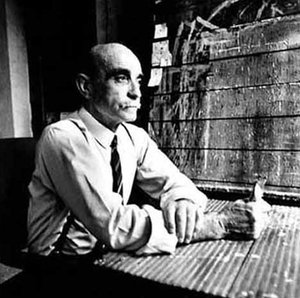
Lucio Fontana
1899 - 1968 , Argentína
Rövid információk
- Artistic Movement Or Style: Spatializmus
- Artists Or Movements Influenced By This Artist:
- Zero
- Nouveau Réalisme
- Artists Who Influenced This Artist:
- Jan Grzegorz Stanisławski
- Vincent van Gogh
- Date Of Birth: 1899
- Date Of Death: 1968
- Full Name: Lucio Fontana
- Nationality: Olasz-Argentin
- Notable Artworks:
- Concetto Spaziale
- Soffitto Spaziale
- Place Of Birth: Rosario, Argentína
Kapcsolódó cikkek

The Logic of Dreams: Examining Subconscious Imagery in Surrealist Landscapes
Explore the profound logic of Surrealist dreamscapes through Dalí and Freud. Dive into the subconscious imagery today.

10 Stunning Minimalist Masterpieces That Define Pure Simplicity
Discover the power of simplicity through 10 iconic minimalist artworks. Explore the stories behind these timeless masterpieces and find inspiration for modern decor with museum-quality reproductions. Elevate your space with curated elegance. Discover all masterpieces on AllPaintingsStore.com

Designing with Context: The Professional Guide to Integrating Fine Art into Architectural Spaces
Master the art of architectural integration with our expert guide for hotel designers. Learn to match fine art reproductions and custom commissions to your space, optimizing scale, color, and era for high-impact hospitality interiors through professional procurement strategies.


