


 Megtekintés
 Küldés
 Megosztás
 Részletek
 Útmutató

 Letöltés
 Hasonló darabok
 X-ray felvétel
 Diavetítés
 Kérdések és válaszok
 Statisztika
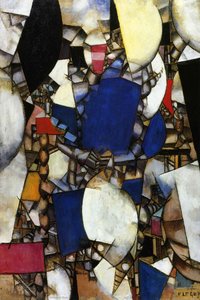
The Bush

- 91.0 x 127.0 cm


 Összes részlet megjelenítése
Az ezen az oldalon megjelenített műalkotások szerzői jogi védelem alatt állnak, ami azt jelenti, hogy törvényileg nem készíthetünk és nem adhatunk el belőlük pontos másolatokat. Ez a védelem olyan nemzetközi megállapodások alapján érvényesül, mint például a Berni Egyezmény és a nemzeti jogszabályok által, beleértve azokat is, amelyeket meghatározott Az USA szerzői jogi törvénye – 17. cím.
Ez a módszer teljes mértékben megfelel a szerzői jogi szabályozásnak, mivel nem tartalmazza a védett műalkotás másolását vagy duplikálását. Ehelyett ez egy kreatív újinterpretáció – egy új festmény, amely az eredetivel való összefüggései miatt hatással van rá, de nem az az.
Giclée / Műnyomat
Múzeumi minőségű giclée vagy vászonnyomat, gyors gyártással és rugalmas finomítási lehetőségekkel. ( Kézzel festett másolat rendelése Áttérés digitális képre)




P118B Ft10

P118H Ft10

P118W Ft10

P438Z Ft10

P508JH Ft12

P508YH Ft12

P805H Ft10

P805Z Ft10

P919BZ Ft10

P919G Ft10

P919XJ Ft10

P959ZH Ft10

P968JZ Ft12

W106C Ft8

W218G Ft10

W218JH Ft8

W218Y Ft10

W307PJ Ft10

W316G Ft10

W316PJ Ft8

W316Y Ft10

W398PJ Ft8

W4111J Ft10

W500HY Ft15

W500JH Ft15

W692G Ft12

W849H Ft8

W940BG Ft15

W953PJ Ft8




Válasszon előre meghatározott méreteink közül, amelyek megfelelnek a műalkotás eredeti arányainak.

Írja be a keretének vagy a falának megfelelő szélességet és magasságot. A nyomatot csak le lehet vágni, soha nem tehető nagyobbá, mint az eredeti kép, így egy eltérő alakú méretnél a kép egy része elveszik. Mielőtt bármit kinyatintanánk, küldünk egy digitális próbamodellt jóváhagyásra. Az oldalon látható kép nem tartalmazza a valós levágást — ezt csak a próbamodell mutatja meg.
Világszerte történő kiszállítás területére mindössze 2 hét alatt, a szokásos 4-5 hét helyett. (8 november)

Ingyenes globális expressz szállítás

Prémium minőségű len vászon

Teljes körű szállítási biztosítás

Vámvisszatérítési Garancia

Hiteles színarányosság garancia

100 napos visszaküldési lehetőség (csak hibás termékek esetén)

100% pénzvisszatérítési garancia

Több darab vásárlásakor kedvezmény
 Az üvegkeretes opció csak 110 cm alatti méretben érhető el

The Bush
Giclée / Műnyomat
Reprodukció mérete
-


Összesített ár
Ft 21197
A Moment Frozen in Time: Marcel Duchamp’s “The Bush”
- Subject Matter: The painting depicts two women positioned before a tree, capturing an intimate tableau of companionship and contemplation. Their gaze is directed towards something unseen beyond the frame, inviting viewers to imagine its significance – perhaps a shared observation or unspoken connection.
- Style: Duchamp’s “The Bush” exemplifies Surrealist aesthetics, prioritizing dreamlike imagery and subconscious associations over rational representation. It abandons traditional artistic conventions in favor of an experimental approach that anticipates the broader developments of Dada and Surrealism.
Technique and Material Considerations
- Medium: Executed in oil on canvas, Duchamp utilized a meticulous layering technique characteristic of Impressionism but deliberately rejecting its focus on capturing fleeting visual impressions. Instead, he sought to create an atmosphere of stillness and quietude.
- Color Palette: The dominant hue is a serene blue, which serves as the backdrop for the figures and tree—a color often associated with tranquility, spirituality, and introspection. Subtle variations within the blue contribute to depth and visual harmony.
Historical Context – Dada’s Challenge to Artistic Norms
- Dada Movement: “The Bush” emerged during the Dada movement (1916-1923), a reaction against the horrors of World War I and the perceived hypocrisy of bourgeois society. Dada artists deliberately undermined established artistic standards, embracing chance operations and rejecting aesthetic judgments.
- Conceptual Art: Duchamp’s work is considered foundational to Conceptual art—an artistic practice that prioritizes ideas over visual appearance. “The Bush” embodies this ethos by questioning the very definition of sculpture and challenging viewers to reconsider their preconceptions about art’s role in society.
Symbolism and Emotional Resonance
- The Tree: The tree symbolizes resilience, growth, and connection to nature—themes frequently explored in Surrealist art. Its presence suggests a grounding force amidst the ethereal atmosphere of the scene.
- Female Figures: The two women represent femininity, vulnerability, and intimacy. Their posture conveys a sense of openness and receptiveness, inviting viewers to contemplate themes of connection and shared experience.
Interior Design Inspiration
- Mood: “The Bush” evokes feelings of serenity, contemplation, and understated beauty—qualities that align well with minimalist interior design styles. Its muted color palette and focus on form can serve as a powerful source of inspiration for creating calming and aesthetically pleasing spaces.
Kérdések és válaszok
Hová sorolható a "The Bush" Marcel Duchamp életművében?
A "The Bush" Marcel Duchamp Cubist Surrealism korszakának alkotása, melynek témakörében formal experimentation, gender critique, anti-establishment spirit, conceptual challenge, duchamp legacy is feltűlik.
Milyen technikával készült a(z) „The Bush”, Marcel Duchamp alkotása?
A „The Bush”, Marcel Duchamp alkotása technikája Acrylic. A reprodukciók célja ezen technika megjelenítésének hiteles återadása.
Milyen tónus felé hajlik a "The Bush"?
A „The Bush”, Marcel Duchamp alkotása domináns színe a Green to Violet Spectrum. Ez a szín a paletta alapvető tónusa.
Hasonló műalkotások




A művész életrajza
Marcel Duchamp (1887–1968): A Revolutionary Spirit
Marcel Duchamp, born Henri-Robert-Marcel Duchamp in 1887 in Blainville-Crevon, Normandy, was more than an artist; he was a philosophical provocateur who fundamentally altered the course of modern art. His early life, though seemingly conventional – nurtured within a family that appreciated artistic expression with both brothers pursuing successful careers as artists – hinted at the iconoclasm to come. Duchamp initially pursued formal training, mastering traditional techniques and experimenting with post-impressionist styles. However, this academic foundation served not as an end in itself, but as a springboard for questioning the very nature of art, its purpose, and its definition. He wasn’t content merely to depict the world; he sought to challenge how we perceive it, and what constitutes artistic value. This restless intellectual curiosity would become the defining characteristic of his prolific career.Early Life and Artistic Beginnings
Duchamp's formative years were marked by a familial tradition of artistic inclination. His father, Eugène Duchamp, was a notary, yet four of the six Duchamp children embraced art as their vocation. Jacques Villon, Marcel’s elder brother, established himself as a painter, demonstrating an early aptitude for visual expression. Raymond Duchamp-Villon followed suit, pursuing sculpture with considerable success. Marcel himself began experimenting with painting at a young age, producing *Portrait of Marcel Lefrançois* (1904), which showcased his nascent stylistic sensibilities and technical prowess. His studies at the École des Beaux-Arts in Paris yielded mixed results—he famously failed to pass the final exam—but this setback fueled his determination to forge his own artistic path, independent from established conventions.Cubism: A Dialogue with Tradition
Duchamp’s initial engagement with Cubism, evident in works like *Portrait of Chess Players* (1911), represented a crucial step beyond purely decorative pursuits. He absorbed the influence of Picasso and Braque, adopting their innovative techniques for dissecting visual reality into fragmented planes and multiple perspectives—a deliberate departure from traditional representation. However, Duchamp didn’t simply replicate Cubist aesthetics; he interrogated its underlying principles, questioning whether it truly captured the essence of experience. The pervasive disillusionment stemming from World War I profoundly impacted his artistic vision, propelling him toward Dadaism as a reaction against perceived intellectual and moral failings.Dadaism: Rebellion Against Reason
The horrors of World War I galvanized Duchamp’s rebellious spirit, leading him to embrace Dadaism—a movement born out of utter despair and vehement rejection of logic, reason, and the prevailing artistic values of the time. Dadaists sought to dismantle accepted norms through absurdity, chance, and provocation, rejecting any attempt at rational explanation or aesthetic judgment. Within this anarchic framework, Duchamp unleashed his most radical innovation: the ‘readymade’. This concept—taking an ordinary manufactured object and declaring it art—challenged the very definition of artistic skill and authorship. His seminal work, *Fountain* (1917), a porcelain urinal signed “R. Mutt,” epitomized Dada’s irreverence for convention and ignited a furious debate about the role of the artist in society.The Readymades and Conceptual Art: A Paradigm Shift
Duchamp's embrace of the readymade irrevocably altered the trajectory of art history, establishing him as a progenitor of Conceptual Art—an artistic movement that prioritizes idea over material execution. Objects like *L.H.O.O.Q.* (1919), a postcard reproduction of the Mona Lisa defaced with a mustache and goatee, served as biting critiques of cultural icons and artistic traditions. These works weren’t judged on their visual beauty; they demanded contemplation and provoked viewers to confront uncomfortable questions about art's role in shaping our perceptions of reality. Duchamp’s unwavering conviction that art should reside in the mind—not merely in the eye—continues to resonate powerfully within contemporary artistic discourse. His legacy extends far beyond his individual creations, influencing countless artists who followed him and reshaping our understanding of what constitutes artistic expression.Later Years: Surrealism and Continued Innovation
Duchamp’s artistic explorations continued throughout his life, encompassing film, sculpture, and collaborative projects with fellow artists like Man Ray. He participated in Surrealist exhibitions organized by André Breton, demonstrating an enduring fascination with the subconscious mind and its capacity to generate unexpected imagery. His monumental *Etant donnés* (1965–6), a reconstructed version of *The Large Glass*, represents his final artistic endeavor—a complex symbolic work that embodies his lifelong preoccupation with challenging conventions and provoking intellectual engagement. Marcel Duchamp died in Neuilly-sur-Seine on October 2, 1968, leaving behind an unparalleled body of work that cemented his place as one of the most influential figures in modern art history.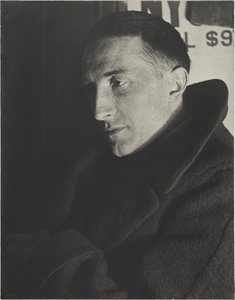
Marcel Duchamp
1887 - 1968 , Franciaország
Rövid információk
- Artistic Movement Or Style:
- Kubizmus
- Dadaizmus
- Szürrealizmus
- Artists Or Movements Influenced By This Artist: ['Minimalizmus']
- Date Of Birth: 28 július 1887
- Date Of Death: 2 október 1968
- Full Name: Marcel Duchamp
- Nationality: Francia-amerikai
- Notable Artworks:
- Fúvóka
- L.H.O.O.Q.
- A Nagy Üveg
- Place Of Birth: Blainville, Franciaország
Kapcsolódó cikkek
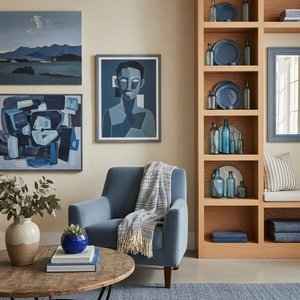
A kék árnyalatai: 10 ikonikus festmény a Slate Blue szín jegyében | AllPaintingsStore.com
Fedezze fel a 10 legikonikusabb festményt, melyeket a Slate Blue szín ural! Monet, Renoir és más mesterek művei inspirálnak. Vászonképek eladás, otthon dekoráció tippek a AllPaintingsStore.com-on. Explore the full collection online!

Paul Cézanne 25 Mesterműve: A Modern Művészet Úttörői | AllPaintingsStore
Fedezze fel Paul Cézanne 25 legikonikusabb művét! Ismerje meg a posztimpresszionizmus úttörőjének festményeit, technikáját és inspirációit. Vászonképek, portrék, tájképfestmények – minden otthonba. Böngéssze gyűjteményünket a AllPaintingsStore-on!

Arboreal Echoes: A Historical & Artistic Exploration of Trees in Painting
Explore the rich history of trees in painting! Discover symbolism, Romantic masterpieces by Caspar David Friedrich & beyond. A curated journey for art enthusiasts.

The Allure of Azure: Exploring the Symbolic & Aesthetic Depths of Blue in Art History
Explore the rich history of blue in art! Discover its symbolism, from ancient pigments to modern masterpieces by Kandinsky & Seurat. Uncover the psychological impact and cultural meanings behind this captivating hue.

Arboreal Echoes: A Historical & Artistic Exploration of Trees in Painting
Explore the rich history of trees in painting! Discover symbolism, Romantic masterpieces by Caspar David Friedrich & beyond. A curated journey for art enthusiasts.


