

Oil On Canvas.

§ 1Katalógusadatok


Ez a műalkotás szerzői jogi védelem alatt áll
Az ezen az oldalon megjelenített műalkotások szerzői jogi védelem alatt állnak, ami azt jelenti, hogy törvényileg nem készíthetünk és nem adhatunk el belőlük pontos másolatokat. Ez a védelem olyan nemzetközi megállapodások alapján érvényesül, mint például a Berni Egyezmény és a nemzeti jogszabályok által, beleértve azokat is, amelyeket meghatározott Az USA szerzői jogi törvénye – 17. cím.
Mint tiszteletes és törvényes alternatívát, olyan egyedi, kézzel festett alkotásokat kínálunk, amelyek az eredetiből merítnek inspirációt. Tapasztalt és professzionális művészeink alaposan tanulmányozzák az eredeti stílusát, hangulatát és művészeti esszenciáját, hogy egy olyan új, egyedi alkotást hozzunk létre, amely ugyanazt az érzést kelti – miközben önálló, eredeti alkotásként létezik.
Ez a módszer teljes mértékben megfelel a szerzői jogi szabályozásnak, mivel nem tartalmazza a védett műalkotás másolását vagy duplikálását. Ehelyett ez egy kreatív újinterpretáció – egy új festmény, amely az eredetivel való összefüggései miatt hatással van rá, de nem az az.
 További információk
§ 2Absztrakt
A gyűjtemény leírása
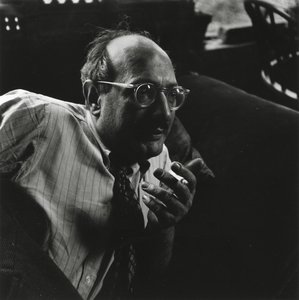
Mark Rothko’s evocative Conversation captures a quiet moment of contemplation amidst a game board, embodying the artist's signature abstract expressionist style and exploring themes of connection and solitude within the mid-century period. Immerse yourself in this timeless masterpiece and bring its serene beauty into your home.
A művész életrajza
Fedezd fel Mark Rothko ikonikus Color Field festményeit és az absztrakt ekspresszionizmus új dimenzióját! Mély érzelmekkel és egyeteműséggel tarkított művészi örökségét ismerd meg!
§ 3Magyarázat
A Moment Frozen in Time: The Quiet Intimacy of Conversation
In the quietude of Mark Rothko’s “Conversation,” we find ourselves drawn into a tableau that feels both profoundly intimate and hauntingly distant. At first glance, the painting presents a seemingly simple scene: a man and a woman seated at a table, their focus anchored by the silent movement of a game board, perhaps chess. There is a palpable sense of shared concentration, a moment where the outside world recedes, leaving only the rhythmic pulse of their interaction. Yet, Rothko subtly complicates this domestic stillness with the presence of a third figure lurking in the background—a spectral observer whose role remains ambiguous, suggesting the unseen layers of communication and the complexities that exist within every human relationship.
The atmosphere is heavy with a sense of contemplation. As one gazes upon the figures, the painting transcends its literal subject matter to become an exploration of the unspoken. The clock hanging on the wall serves as a poignant reminder of the passage of time, anchoring this fleeting interaction within the broader, inexorable flow of existence. For the collector or the designer, this piece offers more than mere decoration; it provides a window into a psychological landscape where every shadow and every stillness tells a story of connection and solitude.
The Mastery of Monochrome and Light
While many associate Rothko with his later, monumental color field works, “Conversation” showcases a masterful command of a more restrained, monochromatic palette. The composition is rendered in evocative shades of black, white, and gray, creating a silvered, cinematic quality that strips away the distractions of vibrant color to reveal the raw emotional bones of the scene. This reductive approach is a hallmark of his ability to prioritize emotional resonance over representational accuracy.
The technique employed here is nothing short of meticulous. Rothko utilized a layering process of thin, translucent washes of pigment, building depth through successive applications. This method allows light to appear as if it is emanating from within the canvas itself, creating a shimmering, ethereal luminosity. The edges where tones meet are not sharp but bleed into one another with a soft, atmospheric blur, mirroring the way memories or emotions often lack clear boundaries. For those seeking to integrate fine art into a sophisticated interior, this interplay of light and shadow offers a versatile elegance that complements both modern minimalist spaces and more traditional, moody environments.
Historical Echoes and Universal Truths
Created during the mid-1960s, “Conversation” emerged from a period of profound global tension. As the world grappled with the anxieties of the Cold War era, Rothko’s work provided a sanctuary for introspection. He rejected the loud, commercial energy of Pop Art and the dreamlike distortions of Surrealism, choosing instead to confront the fundamental truths of the human condition: tragedy, ecstasy, and doom. The chessboard in this piece acts as a powerful visual metaphor—a stage for strategic decision-making and the quiet battles of the mind that we all face.
To possess a reproduction of such a work is to invite a sense of profound peace and intellectual depth into a room. It is an invitation to pause, to reflect, and to engage in one's own silent dialogue with the art. Whether viewed as a study in mid-century modernism or as a deeply spiritual encounter, “Conversation” remains a timeless testament to the power of simplicity to convey the infinite complexities of the human soul.
Kérdések és válaszok
Milyen színpalettát és milyen hangulatot ábrázol a "Conversation"?
A „Conversation”, Mark Rothko alkotása egy Earthy színpalettát ötvöz a Reflective hangulatú tónussal.
Mely paletta és domináns szín határozza meg a "Conversation" alkotást?
A „Conversation”, Mark Rothko alkotása színek identitása: egy Earthy paletta, amelyet Quinacridone Magenta (#826240) dominál.
Hol javasolt a(z) "Conversation" Portrait formátumú alkotás kihelyezését?
A „Conversation”, Mark Rothko alkotása Portrait formátumú alkotása egy Living Room számára ajánlott. A formátum és a tér együtt segítik a reprodukció elhelyezését.


 Váltás nyomtatványra


 A bármely oldalsó méretét túlszálaló 105 cm (kb. 41 hüvelyk) meghaladó műalkotások vagy reprodukciók esetében a keret összeszerelhető készletként, szétszerelve kerül szállításra. Ez a módszer biztosítja a biztonságos szállítást, és megakadályozza a szállítás során fellépő sérüléseket.


