Acrylic On Canvas.

§ 1Catalogue data

Ez a műalkotás szerzői jogi védelem alatt áll
Az ezen az oldalon megjelenített műalkotások szerzői jogi védelem alatt állnak, ami azt jelenti, hogy törvényileg nem készíthetünk és nem adhatunk el belőlük pontos másolatokat. Ez a védelem olyan nemzetközi megállapodások alapján érvényesül, mint például a Berni Egyezmény és a nemzeti jogszabályok által, beleértve azokat is, amelyeket meghatározott Az USA szerzői jogi törvénye – 17. cím.
Mint tiszteletes és törvényes alternatívát, olyan egyedi, kézzel festett alkotásokat kínálunk, amelyek az eredetiből merítnek inspirációt. Tapasztalt és professzionális művészeink alaposan tanulmányozzák az eredeti stílusát, hangulatát és művészeti esszenciáját, hogy egy olyan új, egyedi alkotást hozzunk létre, amely ugyanazt az érzést kelti – miközben önálló, eredeti alkotásként létezik.
Ez a módszer teljes mértékben megfelel a szerzői jogi szabályozásnak, mivel nem tartalmazza a védett műalkotás másolását vagy duplikálását. Ehelyett ez egy kreatív újinterpretáció – egy új festmény, amely az eredetivel való összefüggései miatt hatással van rá, de nem az az.
 További információk
§ 2Abstract
A gyűjtemény leírása
Experience Mark Rothko's 'Untitled (8)' – a mesmerizing Color Field painting with vibrant red, blue, and yellow hues. Explore its emotional depth & minimalist technique at AllPaintingsStore.
A művész életrajza
Fedezd fel Mark Rothko ikonikus Color Field festményeit és az absztrakt ekspresszionizmus új dimenzióját! Mély érzelmekkel és egyeteműséggel tarkított művészi örökségét ismerd meg!
§ 3Commentary
The Genesis of a Silent Dialogue
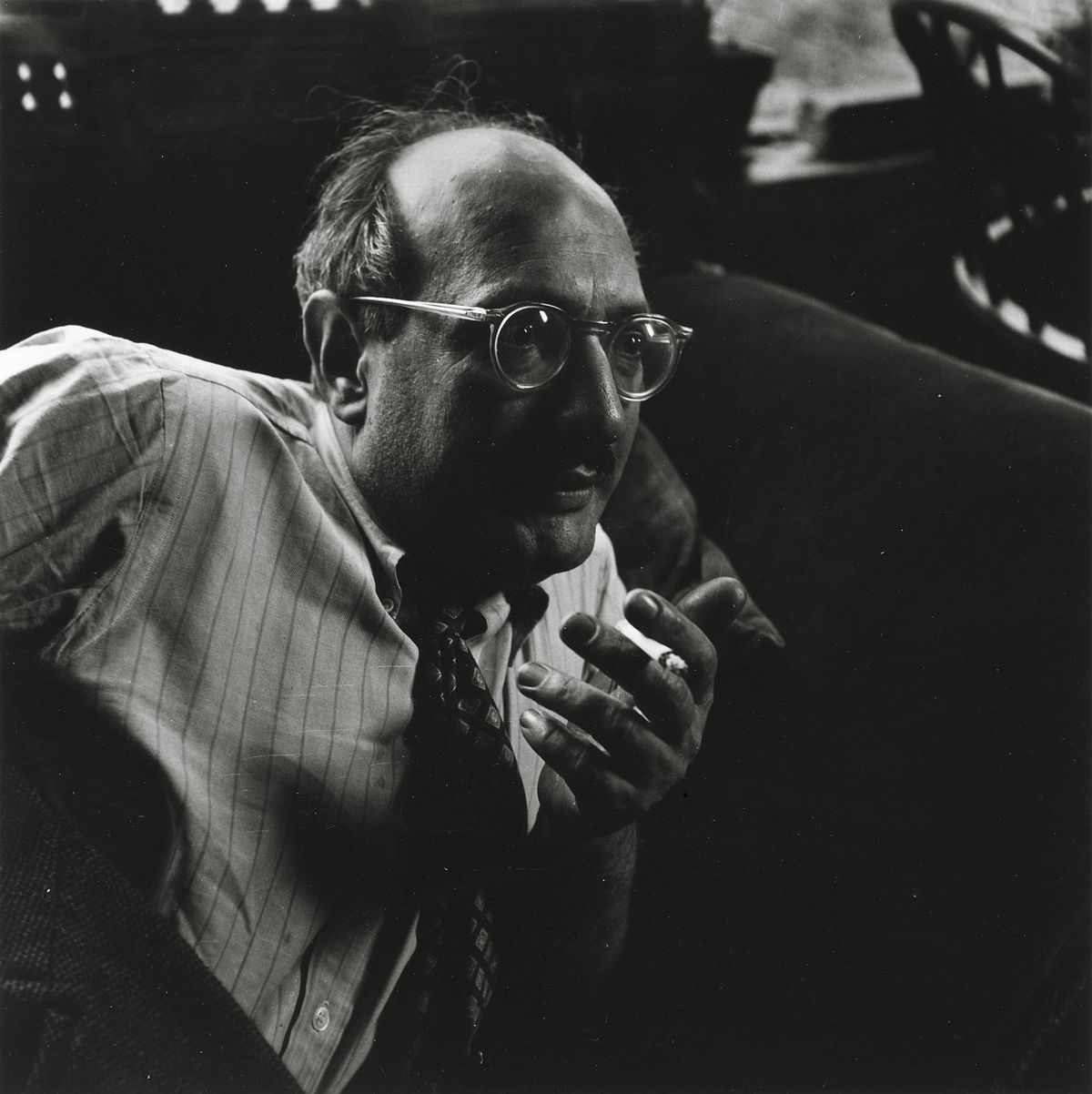
Mark Rothko’s “Untitled (8)” isn't merely a painting; it’s an invitation to a profound, almost meditative experience. Born into a world shadowed by displacement – his childhood in Latvia marked by the anxieties of a Jewish family amidst political unrest – Rothko carried within him a deep sensitivity to human suffering, a theme that would become a cornerstone of his artistic vision. This early exposure shaped his approach to color, transforming it from simple representation into a vehicle for conveying complex emotions and existential questions. “Untitled (8)” embodies this philosophy perfectly, presenting a landscape not of form or detail, but of pure, resonant hue.
Color Field and the Language of Feeling
Created in 1949, “Untitled (8)” is a quintessential example of Rothko’s Color Field painting style. Rejecting traditional representation, he employed large, rectangular blocks of color – predominantly red, blue, and punctuated by subtle yellow tones – that seem to float within the canvas. This technique, radical for its time, moved away from illusionistic depth and perspective, instead focusing on the direct impact of color itself. Rothko wasn’t interested in depicting a scene; he sought to evoke an atmosphere, a feeling. The absence of brushstrokes or discernible texture further emphasizes this effect, creating a sense of luminous flatness that draws the viewer into the painting's emotional core.
The deliberate use of these primary colors – red, blue, and yellow – is not arbitrary. Rothko believed that color possessed an inherent power to communicate directly with the subconscious. Red, often associated with passion, energy, and even danger, dominates the left side of the canvas, creating a sense of intensity. The cool blues on the right offer a contrasting counterpoint, suggesting tranquility, introspection, or perhaps melancholy. The subtle yellow in the center acts as a bridge between these opposing forces, hinting at moments of harmony and balance.
Historical Context and Rothko’s Vision
Rothko's work emerged during a period of significant artistic upheaval following World War II. Abstract Expressionism, with its emphasis on individual emotion and spontaneous gesture, was gaining prominence in the United States. However, Rothko pushed this movement further, stripping away all traces of personal style and focusing solely on the elemental qualities of color. His paintings weren’t about self-expression; they were about creating a shared experience for the viewer – an encounter with something beyond the rational mind.
Considered alongside works like “Untitled 142” (a monumental Color Field painting embodying somber hues and existential contemplation) or “Untitled” (1953), Rothko’s approach to color became increasingly profound. The influence of his early life, marked by loss and displacement, is palpable in the paintings' quiet intensity and their exploration of themes like mortality and the search for meaning. His later work, particularly the murals created for the Rothko Chapel in Houston, solidified this vision, creating a space dedicated to contemplation and spiritual reflection.
A Legacy of Emotional Resonance
“Untitled (8)” remains one of Mark Rothko’s most iconic works, captivating viewers with its simple yet profound beauty. Its enduring appeal lies not in its representational qualities but in its ability to evoke a wide range of emotions – from serenity and contemplation to sadness and longing. Reproductions by AllPaintingsStore offer an exceptional opportunity to experience this powerful artwork firsthand, bringing Rothko’s vision into your home or office space. The careful attention to color fidelity and the masterful rendering of texture ensure that these reproductions capture the essence of the original painting, allowing you to engage with its emotional depth in a meaningful way.
Kérdések és válaszok
Mit ábrázol a "Untitled (8)"?
A "Untitled (8)" alkotás tárgyai: color, red, blue, rothko, abstraction, field, emotion, geometry.
Mennyire fényes „Untitled (8)”, Mark Rothko alkotása?
A „Untitled (8)”, Mark Rothko alkotása fényerőségi értéke Soft Shadow.
A "Untitled (8)" jellemző arra, amit Mark Rothko általában alkotott?
Mark Rothko dokumentált témái – existentialism, color, emotion, trauma, post-war anxiety, displacement, loss, spiritual seeking – között a „Untitled (8)” különös hangsúlyt fektet color, red, blue, rothko, abstraction, field, emotion, geometry-ra.


 Váltás nyomtatványra


 A bármely oldalsó méretét túlszálaló 105 cm (kb. 41 hüvelyk) meghaladó műalkotások vagy reprodukciók esetében a keret összeszerelhető készletként, szétszerelve kerül szállításra. Ez a módszer biztosítja a biztonságos szállítást, és megakadályozza a szállítás során fellépő sérüléseket.