


 Megtekintés
 Küldés
 Megosztás
 Részletek
 Útmutató

 Letöltés
 Hasonló darabok
 X-ray felvétel
 Diavetítés
 Q&A
Q&A Statisztika
Saint Matthew
 Gothic
 1200
1200 5.0 x 18.0 cm
 A Santiago de Compostela katedrális alapítványi múzeum
 Összes részlet megjelenítése
Kézzel készített olajfestmény reprodukció
Kézzel festett olajvastú vászon, az Ön által választott méretben és keretben, művészeink készítik meglévőre. ( Váltás nyomtatványra Áttérés digitális képre)




































Válasszon előre meghatározott méreteink közül, amelyek megfelelnek a műalkotás eredeti arányainak.

Írja be a kívánt szélességet és magasságot, hogy illeszkedjen a keretéhez vagy a falához. Mivel ez kézzel festett alkotás, egy eltérő formájú méret esetén a művész akár festhet is valamivel többet a kép körül, vagy korolathat is belőle — az Ön döntésének megfelelően. A festés megkezdése előtt küldünk egy digitális tervezetet jóváhagyásra. Az oldalon látható kép nem tartalmazza a végeredményt — csak a tervezet mutatja meg a valódi eredményt.
A rendelést követően a AllPaintingsStore.com csapata e-mailt küld az ügyfélnek az instrukciókért, és biztosít egy előnézeti képet (mockup).
Világszerte elérhető szállítás () 3-4 hét alatt a szokásos 5 hét helyett. (29 október). A minőség nem kérdőjelezhető.

Ingyenes globális expressz szállítás

Prémium minőségű len vászon

Teljes körű szállítási biztosítás

Vámvisszatérítési Garancia

Hiteles színarányosság garancia

100 napos visszaküldési lehetőség (csak hibás termékek esetén)

100% pénzvisszatérítési garancia

Több darab vásárlásakor kedvezmény
 Az üvegkeretes opció csak 110 cm alatti méretben érhető el

Saint Matthew
Reprodukciós technika
Reprodukció mérete
-


Összesített ár
Ft 83468
Kérdések és válaszok
Hogyan tölthetem le a(z) „Saint Matthew”, Master Mateo alkotása képét?
A „Saint Matthew”, Master Mateo alkotása képe letölthető a mű Letöltés oldaláról: magas felbontású digitális kép letöltése.
Ki a szerzője és mikor készült a "Saint Matthew"?
A "Saint Matthew" alkotója Master Mateo, a mű pedig 1200 származik.
Milyen színintenzitással rendelkezik a „Saint Matthew”, Master Mateo alkotása?
A „Saint Matthew”, Master Mateo alkotása színei Monochromatic intenzitásúak.
Hasonló műalkotások


A művész életrajza
The Soul of Santiago’s Glory
Master Mateo, a sculptor whose name remains shrouded in mystery despite his monumental contribution to the Catedral de Santiago de Compostela Cathedral, stands as one of the most revered figures of Romanesque art in Spain. Born around 1161 in Galicia, though precise details about his life are scarce, Mateo’s legacy rests primarily on his unparalleled achievement: the Portico de la Gloria. This breathtaking architectural marvel dominates the cathedral’s façade and embodies the spiritual fervor of the twelfth century. He emerged as a sculptor during a period marked by fervent religious devotion and artistic innovation, stepping into a world where the pilgrimage route to Santiago was already a transformative journey for thousands of souls.
The genesis of his greatest work began around 1188, when he was tasked with overseeing the creation of the triple doorway that would become his magnum opus. The Cathedral project itself had been conceived decades earlier, driven by King Alfonso VIII and fueled by the immense religious significance of the site. Within this sacred context, Mateo did not merely carve stone; he breathed life into it. His involvement in the Portico de la Adamant was a divine undertaking, transforming a structural necessity into a theological narrative that continues to captivate pilgrims and art historians alike.
A Symphony in Stone: Technique and Style
Mateo's sculptural style is characterized by a remarkable realism that represented a profound departure from earlier, more rigid Romanesque conventions. While his contemporaries often relied on stylized, flat figures, Mateo meticulously studied human anatomy and the complex behavior of drapery, achieving an astonishing accuracy in his depictions. His mastery of limestone carving was unparalleled, particularly through his use of a technique known as trabajo vivo. This method involved layering stone slabs to create textured surfaces that mimicked the appearance of flesh and fabric, lending a sense of movement and vitality to the static medium.
This innovative approach allowed him to bridge the gap between the earthly and the divine. When observing his work, one can see how he skillfully employed light and shadow to enhance the depth of his reliefs. His ability to manipulate stone to suggest the softness of a saint's robe or the muscular tension of a biblical figure elevated his craftsmanship to a level of sophistication rarely seen in the Middle Ages. This technical brilliance ensured that his figures were not merely symbols, but palpable presences within the cathedral's entrance.
The Portico de la Gloria: A Testament to Faith
The Portico de la Gloria serves as the ultimate testament to Mateo’s artistic and spiritual vision. Its central panels depict profound scenes from the Gospels—including the Nativity, Annunciation, and the Crucifixion—arranged in a way that guides the viewer through a sacred history. The iconography is vast and complex, featuring:
- The Central Arch: Featuring iconic figures such as Saint Luke, where the intricate Romanesque sculpture displays profound religious symbolism.
- The Left Arch: A masterclass in 12th-century Spanish relief carving, showcasing detailed biblical narratives.
- The Right Arch: An exhibition of intricate beauty that demonstrates his ability to manage complex architectural and sculptural integration.
Through these works, Mateo achieved a level of historical significance that transcends the era of his birth. He transitioned the Romanesque style toward the burgeoning elegance of the Gothic, leaving behind a legacy that remains the heartbeat of Santiago de Compostela. His work stands as a permanent bridge between the medieval mind and the eternal, ensuring that even centuries after his death in 1217, the glory of his stone symphony continues to inspire awe.

Master Mateo
1161 - 1217 , Spain
Rövid információk
- Full Name: Mateo de Compostela
- Nationality: Spanish
- Date Of Birth: 1161
- Date Of Death: 1217
- Place Of Birth: Spain
- Notable Artworks: ['Portico de la Gloria']
- Artistic Movement Or Style: Romanesque Sculpture
Kapcsolódó cikkek
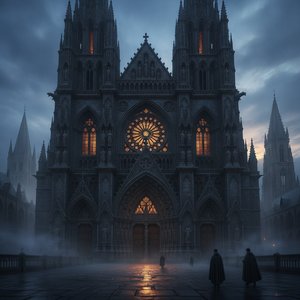
Gothic Art Guide for Hotel Designers: Leveraging Dramatic Shadows and Architectural Grandeur in Luxury Interiors
Elevate hospitality interiors with our expert guide to Gothic art. Discover how to leverage dramatic shadows, architectural grandeur, and high-end reproductions to create sophisticated, atmospheric hotel spaces that captivate guests.

